
Hormones are biochemical messengers that play a crucial role in regulating various physiological processes in the body, including metabolism, appetite, and fat storage. They are produced by glands in the endocrine system and travel through the bloodstream to target organs, influencing functions such as growth, mood, and energy levels. Among the most significant hormones related to weight management are insulin, cortisol, leptin, and ghrelin.
Insulin, for instance, is responsible for regulating blood sugar levels and fat storage; when insulin levels are consistently high due to poor dietary choices, the body can become resistant to its effects, leading to weight gain. Cortisol, often referred to as the stress hormone, can also significantly impact weight. Elevated cortisol levels can lead to increased appetite and cravings for high-calorie foods, particularly those rich in sugar and fat.
Leptin and ghrelin are two hormones that regulate hunger and satiety. Leptin signals the brain when the body has enough energy stored, while ghrelin stimulates appetite. An imbalance in these hormones can lead to overeating and weight gain.
Understanding how these hormones interact with each other and with lifestyle factors is essential for anyone looking to manage their weight effectively.
Key Takeaways
- Hormones play a crucial role in weight management and can impact metabolism, appetite, and fat storage.
- The Hormone Reset Diet focuses on balancing hormones through specific dietary and lifestyle changes to promote weight loss and overall health.
- Implementing the Hormone Reset Diet involves eliminating processed foods, sugar, and caffeine while increasing intake of whole foods, healthy fats, and protein.
- Foods to eat on the Hormone Reset Diet include leafy greens, lean proteins, and healthy fats, while foods to avoid include sugar, processed foods, and caffeine.
- Exercise and lifestyle changes, such as stress management and adequate sleep, are important for supporting hormone balance and weight loss on the Hormone Reset Diet.
The Science Behind the Hormone Reset Diet
The Hormone Reset Diet is based on the premise that by resetting hormonal balance, individuals can enhance their metabolism and promote weight loss. This diet is rooted in the understanding that many people struggle with weight management due to hormonal imbalances caused by factors such as stress, poor diet, lack of sleep, and environmental toxins. The diet aims to address these imbalances by focusing on specific foods and lifestyle changes that support hormonal health.
The science behind the Hormone Reset Diet involves a strategic approach to eating that emphasizes whole foods while eliminating processed items that can disrupt hormonal balance. For example, the diet encourages the consumption of nutrient-dense foods rich in vitamins, minerals, and healthy fats while avoiding refined sugars and carbohydrates that can spike insulin levels. Additionally, the diet incorporates intermittent fasting principles, which have been shown to improve insulin sensitivity and promote fat loss.
By aligning dietary choices with the body’s natural hormonal rhythms, proponents of the Hormone Reset Diet believe individuals can achieve sustainable weight loss and improved overall health.
How to Implement the Hormone Reset Diet

Implementing the Hormone Reset Diet requires a commitment to making significant changes in dietary habits and lifestyle choices. The first step is to familiarize oneself with the core principles of the diet, which typically spans a period of 21 days. During this time, participants are encouraged to eliminate certain food groups that may contribute to hormonal imbalances, such as dairy, gluten, sugar, and processed foods.
Instead, the focus shifts toward whole foods like vegetables, lean proteins, healthy fats, and low-glycemic fruits. Meal planning is a critical component of successfully following the Hormone Reset Diet. Individuals should prepare meals in advance to ensure they have access to compliant foods throughout the day.
This may involve batch cooking or creating a weekly menu that highlights hormone-friendly recipes. Additionally, staying hydrated is essential; drinking plenty of water can help support metabolic processes and aid in detoxification. It’s also advisable to monitor portion sizes and practice mindful eating to enhance awareness of hunger cues and prevent overeating.
Foods to Eat and Foods to Avoid on the Hormone Reset Diet
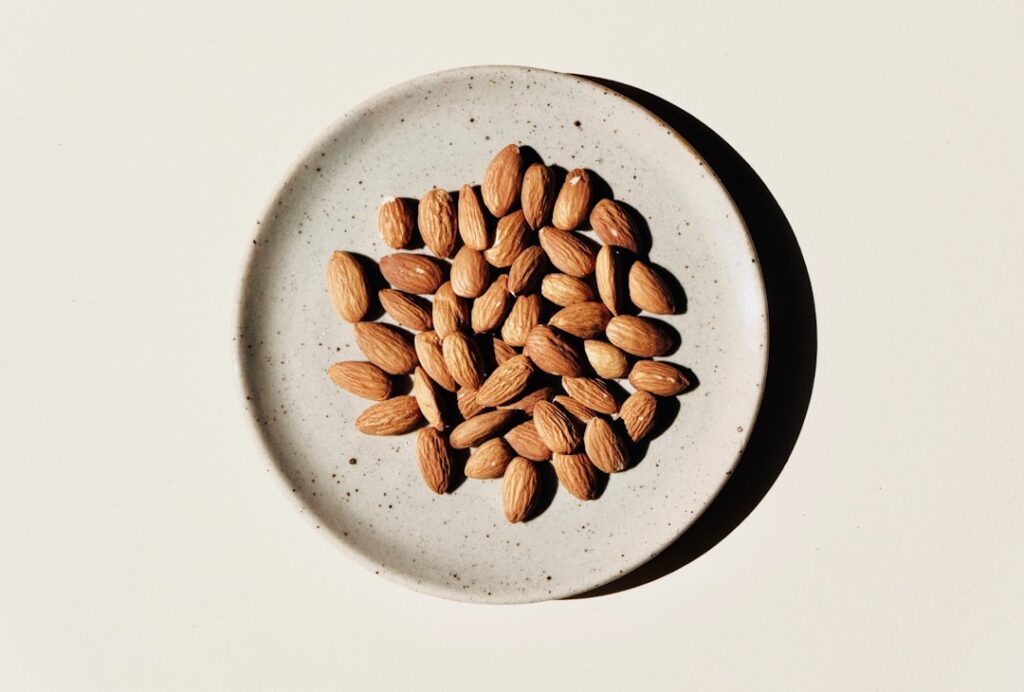
The Hormone Reset Diet emphasizes a variety of foods that promote hormonal balance while discouraging those that may disrupt it. Foods that are encouraged include leafy greens like spinach and kale, cruciferous vegetables such as broccoli and cauliflower, lean proteins like chicken, turkey, and fish, as well as healthy fats from sources like avocados, nuts, and olive oil. These foods are rich in essential nutrients that support metabolic health and help regulate hormones.
Conversely, certain foods should be avoided during the Hormone Reset Diet due to their potential negative impact on hormonal balance. These include refined sugars found in sweets and sugary beverages, processed grains like white bread and pasta, dairy products that can cause inflammation in some individuals, and high-glycemic fruits such as bananas and grapes. Additionally, it is advisable to limit caffeine and alcohol consumption as they can interfere with hormone regulation and disrupt sleep patterns.
Exercise and Lifestyle Changes to Support Hormone Balance
In addition to dietary changes, incorporating regular physical activity is vital for supporting hormone balance during the Hormone Reset Diet. Exercise has been shown to enhance insulin sensitivity, reduce cortisol levels, and promote the release of endorphins—hormones that improve mood and reduce stress. A combination of cardiovascular exercise, strength training, and flexibility workouts can provide comprehensive benefits for hormonal health.
Prioritizing sleep is essential; inadequate rest can lead to increased cortisol levels and disrupt the delicate balance of hormones involved in appetite regulation. Stress management techniques such as mindfulness meditation, yoga, or deep-breathing exercises can help mitigate stress-induced hormonal fluctuations.
Creating a supportive environment by surrounding oneself with positive influences and engaging in activities that promote relaxation can further enhance overall well-being.
Potential Benefits and Risks of the Hormone Reset Diet

The potential benefits of the Hormone Reset Diet extend beyond weight loss; many individuals report improvements in energy levels, mood stability, and overall health markers such as blood sugar levels and cholesterol profiles. By addressing hormonal imbalances through dietary changes and lifestyle modifications, participants may experience enhanced metabolic function and reduced cravings for unhealthy foods. Furthermore, the focus on whole foods encourages a more mindful approach to eating that can foster long-term healthy habits.
However, there are also risks associated with any restrictive diet. Some individuals may find it challenging to adhere strictly to the guidelines of the Hormone Reset Diet due to social situations or personal preferences. Additionally, those with specific medical conditions or dietary restrictions should consult with a healthcare professional before embarking on this diet.
It’s essential to ensure that nutritional needs are met while following any dietary regimen; otherwise, deficiencies could arise if certain food groups are eliminated without proper planning.
Success Stories and Testimonials from Those Who Have Tried the Hormone Reset Diet
Many individuals have shared their success stories after following the Hormone Reset Diet, highlighting transformative experiences that extend beyond mere weight loss. For instance, one participant reported shedding 15 pounds within three weeks while also experiencing increased energy levels and improved sleep quality.
Another testimonial comes from someone who had battled hormonal imbalances for years due to stress and poor eating habits. After committing to the Hormone Reset Diet for 21 days, they not only lost weight but also noticed significant improvements in mood stability and reduced anxiety levels. This participant emphasized how the diet encouraged them to develop a healthier relationship with food by focusing on nourishing their body rather than restricting calories.
Tips for Maintaining Hormone Balance and Weight Loss After Completing the Hormone Reset Diet
Once individuals complete the Hormone Reset Diet, maintaining hormone balance and sustaining weight loss requires ongoing commitment to healthy habits. One effective strategy is to continue prioritizing whole foods while allowing for occasional indulgences in moderation. This balanced approach helps prevent feelings of deprivation while still supporting overall health.
Incorporating regular physical activity into daily routines is also crucial for long-term success. Finding enjoyable forms of exercise can make it easier to stay active consistently. Additionally, practicing stress management techniques learned during the diet can help maintain hormonal equilibrium over time.
Regular check-ins with one’s body through mindful eating practices can further support awareness of hunger cues and emotional triggers related to food consumption. By integrating these strategies into daily life post-diet, individuals can foster lasting changes that promote not only weight management but also overall well-being. The journey toward hormonal balance is ongoing; thus, remaining adaptable and open to adjustments in lifestyle will contribute significantly to long-term health outcomes.
If you’re interested in exploring more about hormonal health and diet, you might find the article on HellRead titled “Hello World” particularly insightful. This piece complements the concepts discussed in “The Hormone Reset Diet” by Sara Gottfried, offering additional perspectives on how dietary changes can influence hormonal balance. You can read the full article by following this link.
FAQs
What is The Hormone Reset Diet by Sara Gottfried?
The Hormone Reset Diet is a book written by Sara Gottfried, a Harvard-educated physician and New York Times bestselling author. The book outlines a 21-day plan to help balance hormones and lose weight through diet and lifestyle changes.
What is the main goal of The Hormone Reset Diet?
The main goal of The Hormone Reset Diet is to rebalance hormones such as insulin, cortisol, and estrogen, which can impact weight, energy levels, and overall health. The diet aims to reset these hormones through specific dietary and lifestyle changes.
What are some key principles of The Hormone Reset Diet?
Some key principles of The Hormone Reset Diet include eliminating sugar and processed foods, incorporating specific nutrients and supplements, managing stress, getting adequate sleep, and engaging in regular physical activity.
Who is The Hormone Reset Diet suitable for?
The Hormone Reset Diet is suitable for individuals looking to balance their hormones, lose weight, improve energy levels, and optimize their overall health. It may be particularly beneficial for those experiencing hormone-related issues such as weight gain, fatigue, and mood swings.
Is The Hormone Reset Diet backed by scientific evidence?
Sara Gottfried, the author of The Hormone Reset Diet, is a physician with a background in integrative and functional medicine. The diet is based on scientific research and principles of hormone balance, although individual results may vary.




