
Tom Blackburn was born on March 12, 1916, in the small town of Haverhill, Massachusetts. Growing up in a family that valued education and hard work, he developed a keen interest in aviation at an early age. His fascination with flight was further fueled by the advent of World War I and the subsequent rise of military aviation.
After completing high school, Blackburn pursued his passion by enrolling in the United States Naval Academy in 1934. His time at the academy was marked by a rigorous academic curriculum and a demanding physical training regimen, both of which prepared him for the challenges that lay ahead in his military career. Upon graduating in 1938, Blackburn was commissioned as an ensign in the United States Navy.
He quickly earned his wings as a naval aviator, showcasing his exceptional flying skills and leadership potential. His early assignments included various roles that allowed him to hone his tactical acumen and operational expertise. By the time the United States entered World War II, Blackburn had established himself as a capable pilot with a deep understanding of naval aviation.
His experiences during this formative period would lay the groundwork for his future leadership role in one of the most renowned fighter squadrons in naval history.
Key Takeaways
- Tom Blackburn’s early life and career shaped his leadership and tactics in Navy Fighting Squadron VF-17.
- The formation of Navy Fighting Squadron VF-17 brought together a group of skilled and daring pilots known as the Jolly Rogers.
- The Jolly Rogers played a crucial role in World War II, achieving notable missions and victories.
- Tom Blackburn’s leadership and tactics were instrumental in the success of the Jolly Rogers during World War II.
- The camaraderie and spirit of Navy Fighting Squadron VF-17 fostered a strong bond among the pilots, contributing to their success in combat.
The Formation of Navy Fighting Squadron VF-17
In 1943, as the United States intensified its efforts in the Pacific Theater, the Navy recognized the need for a dedicated fighter squadron to engage enemy aircraft effectively. This led to the formation of Navy Fighting Squadron VF-17, which would later become known as the Jolly Rogers. Tom Blackburn was appointed as the commanding officer of this newly established squadron, a role that would allow him to implement his vision for aerial combat and pilot training.
Under Blackburn’s leadership, VF-17 was equipped with the F4U Corsair, a cutting-edge fighter aircraft known for its speed, agility, and firepower. The Corsair’s distinctive gull-wing design and powerful engine made it a formidable adversary in dogfights. Blackburn emphasized rigorous training and discipline among his pilots, fostering an environment where skill and teamwork were paramount.
The squadron quickly gained a reputation for its effectiveness in combat, and its pilots became known for their daring tactics and unwavering commitment to their mission.
The Jolly Rogers’ Role in World War II
The Jolly Rogers played a pivotal role in the naval air operations of World War II, particularly in the Pacific Theater. As the war progressed, VF-17 became instrumental in providing air support for ground forces and engaging enemy aircraft in aerial combat. The squadron’s pilots participated in numerous missions over key locations such as Guadalcanal, Bougainville, and Iwo Jima, where they faced fierce opposition from Japanese fighters.
One of the defining characteristics of the Jolly Rogers was their ability to adapt to changing combat conditions. Blackburn encouraged his pilots to develop innovative tactics that would give them an edge over their adversaries.
The squadron’s success was not only measured by its impressive kill-to-loss ratio but also by its ability to maintain morale and cohesion among its members during the most challenging times.
The Leadership and Tactics of Tom Blackburn
Tom Blackburn’s leadership style was marked by a combination of decisiveness, strategic thinking, and an unwavering commitment to his pilots’ welfare. He understood that effective leadership in combat required not only tactical expertise but also the ability to inspire confidence and camaraderie among his team. Blackburn was known for his hands-on approach; he often flew alongside his pilots during training exercises and missions, demonstrating his commitment to their safety and success.
In terms of tactics, Blackburn emphasized the importance of teamwork and communication during aerial engagements. He implemented a system of flight formations that maximized the strengths of the F4U Corsair while minimizing vulnerabilities. This approach allowed VF-17 pilots to coordinate their attacks effectively and support one another during dogfights.
Blackburn’s innovative tactics contributed significantly to the squadron’s reputation as one of the most effective fighter units in the Navy.
The Jolly Rogers’ Most Notable Missions and Victories
Throughout its operational history, VF-17 achieved numerous notable victories that solidified its status as a legendary fighter squadron. One of the most significant missions occurred during the Battle of Bougainville in late 1943, where Jolly Rogers pilots engaged in intense aerial combat against Japanese Zero fighters. The squadron’s strategic positioning and superior flying skills resulted in a decisive victory, with VF-17 claiming multiple enemy aircraft while suffering minimal losses.
Another remarkable achievement came during the Battle of Iwo Jima in early 1945. As American forces sought to capture this strategically vital island, VF-17 provided crucial air support by intercepting enemy bombers and fighters attempting to disrupt ground operations. The squadron’s pilots demonstrated exceptional skill and bravery, contributing to the overall success of the campaign.
These missions not only showcased the tactical prowess of Blackburn and his pilots but also highlighted their unwavering dedication to their country and fellow servicemen.
The Camaraderie and Spirit of Navy Fighting Squadron VF-17
The spirit of camaraderie within VF-17 was one of its defining features, fostering a sense of unity that transcended individual differences among pilots. This bond was cultivated through shared experiences—both on and off the battlefield—and was essential for maintaining morale during the rigors of war.
Social gatherings, informal gatherings, and shared meals helped strengthen these bonds among pilots. They often shared stories about their experiences, both humorous and harrowing, which created a sense of belonging within the squadron. This camaraderie not only enhanced their performance during missions but also provided emotional support during times of loss or hardship.
The Jolly Rogers became more than just a fighting unit; they were a family united by a common purpose and shared sacrifices.
The Legacy of Tom Blackburn and the Jolly Rogers
Tom Blackburn’s legacy extends far beyond his time as commanding officer of VF-17; it is woven into the very fabric of naval aviation history. His innovative tactics, leadership style, and commitment to pilot welfare set a standard for future generations of naval aviators. The Jolly Rogers became synonymous with excellence in aerial combat, inspiring countless pilots who followed in their footsteps.
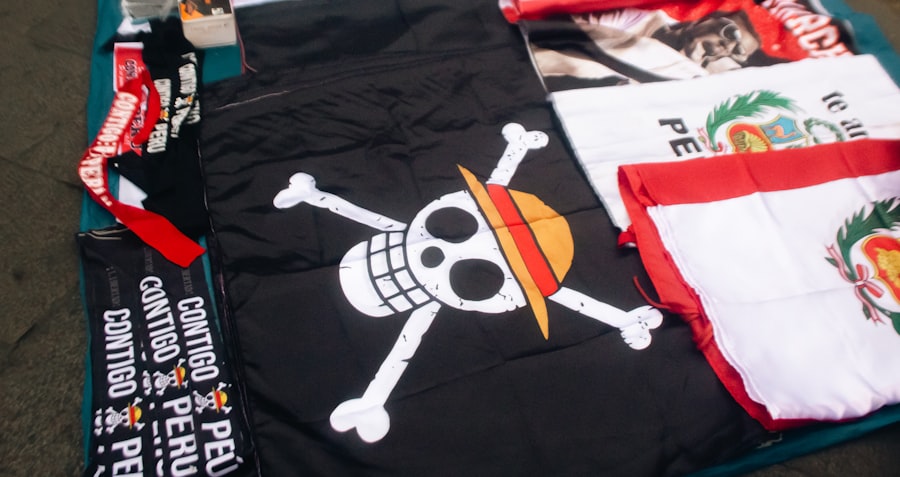
The legacy of VF-17 is also reflected in its continued influence on naval aviation practices. Many tactics developed by Blackburn and his pilots have been integrated into modern fighter training programs, ensuring that their contributions are not forgotten. The squadron’s emblem—the iconic skull and crossbones—has become a symbol of bravery and skill within naval aviation circles, representing not only the Jolly Rogers but also the spirit of all those who serve in defense of their country.
The Impact of Navy Fighting Squadron VF-17 on Naval Aviation
Navy Fighting Squadron VF-17 had a profound impact on naval aviation during World War II and beyond. Their success in aerial combat demonstrated the effectiveness of carrier-based fighter operations, leading to significant advancements in aircraft design and tactics within the Navy. The F4U Corsair became a benchmark for future fighter aircraft due to its performance characteristics that were refined through combat experience.
Moreover, VF-17’s achievements helped shape naval aviation doctrine regarding fighter tactics and pilot training programs. The emphasis on teamwork, communication, and adaptability that characterized Blackburn’s leadership became foundational principles for subsequent generations of naval aviators. The lessons learned from VF-17’s experiences continue to inform modern naval operations, ensuring that their legacy endures within military aviation.
The Personal Stories and Experiences of Jolly Rogers’ Pilots
The personal stories of Jolly Rogers’ pilots provide a rich tapestry of experiences that highlight both the challenges and triumphs faced during their service. Each pilot brought unique backgrounds and perspectives to the squadron, contributing to its diverse culture. Many pilots had prior civilian flying experience or had served in other military branches before joining VF-17, which enriched their collective knowledge.
The camaraderie fostered within VF-17 often led to lifelong friendships among its members. Pilots would recount tales of harrowing dogfights interspersed with moments of levity that helped alleviate stress during intense operations. These personal narratives not only reflect individual bravery but also underscore the shared commitment to their mission and each other—a bond forged through adversity that would last long after the war ended.
The Aircraft and Equipment Used by Navy Fighting Squadron VF-17
The primary aircraft used by Navy Fighting Squadron VF-17 was the F4U Corsair, renowned for its exceptional performance characteristics that made it one of the most effective fighters of World War
In addition to its speed, the Corsair was armed with six .50 caliber machine guns mounted in its wings, providing substantial firepower against enemy aircraft. Its rugged design allowed it to withstand significant damage while still returning safely to base—a crucial factor during intense aerial engagements where survivability was paramount. The combination of speed, firepower, and durability made the F4U Corsair an ideal platform for VF-17’s operations throughout the Pacific Theater.
Honors and Recognition for Tom Blackburn and the Jolly Rogers
Tom Blackburn and Navy Fighting Squadron VF-17 received numerous honors and accolades for their exemplary service during World War
The Jolly Rogers’ reputation for excellence earned them recognition not only within military circles but also among aviation enthusiasts worldwide. Their emblem became iconic, symbolizing not just their achievements but also embodying the spirit of naval aviation itself. The legacy of Tom Blackburn and his squadron continues to be celebrated through various memorials, documentaries, and historical accounts that honor their sacrifices and contributions to American military history.
For those interested in the thrilling tales of naval aviation during World War II, “The Jolly Rogers: The Story of Tom Blackburn and Navy Fighting Squadron VF-17” by John Thomas Blackburn offers an in-depth look at one of the most famous fighter squadrons in history. A related article that complements this narrative can be found on Hellread, which delves into the broader context of naval air combat and the strategic importance of fighter squadrons during the war. This article provides additional insights into the challenges and triumphs faced by these daring pilots. You can read more about it by visiting this article.
FAQs
What is the story of Tom Blackburn and Navy Fighting Squadron VF-17?
The story of Tom Blackburn and Navy Fighting Squadron VF-17 is a historical account of the formation and actions of the VF-17 squadron during World War II. It details the leadership of Tom Blackburn and the squadron’s combat missions in the Pacific theater.
Who is Tom Blackburn?
Tom Blackburn was a United States Navy aviator who served as the commanding officer of Navy Fighting Squadron VF-17 during World War II. He was known for his leadership and combat skills, and played a significant role in the success of the squadron.
What was Navy Fighting Squadron VF-17?
Navy Fighting Squadron VF-17, also known as the “Jolly Rogers,” was a fighter squadron of the United States Navy during World War II. It was known for its distinctive skull and crossbones insignia and its combat prowess in the Pacific theater.
What were some of the combat missions of Navy Fighting Squadron VF-17?
Navy Fighting Squadron VF-17 participated in numerous combat missions in the Pacific theater during World War II. These missions included air-to-air combat, ground support, and escort missions to protect Allied forces and assets.
What is the significance of Navy Fighting Squadron VF-17 and Tom Blackburn’s leadership?
The significance of Navy Fighting Squadron VF-17 and Tom Blackburn’s leadership lies in their contributions to the Allied war effort in the Pacific theater. The squadron’s combat prowess and Blackburn’s leadership skills played a crucial role in achieving air superiority and supporting Allied operations.




