
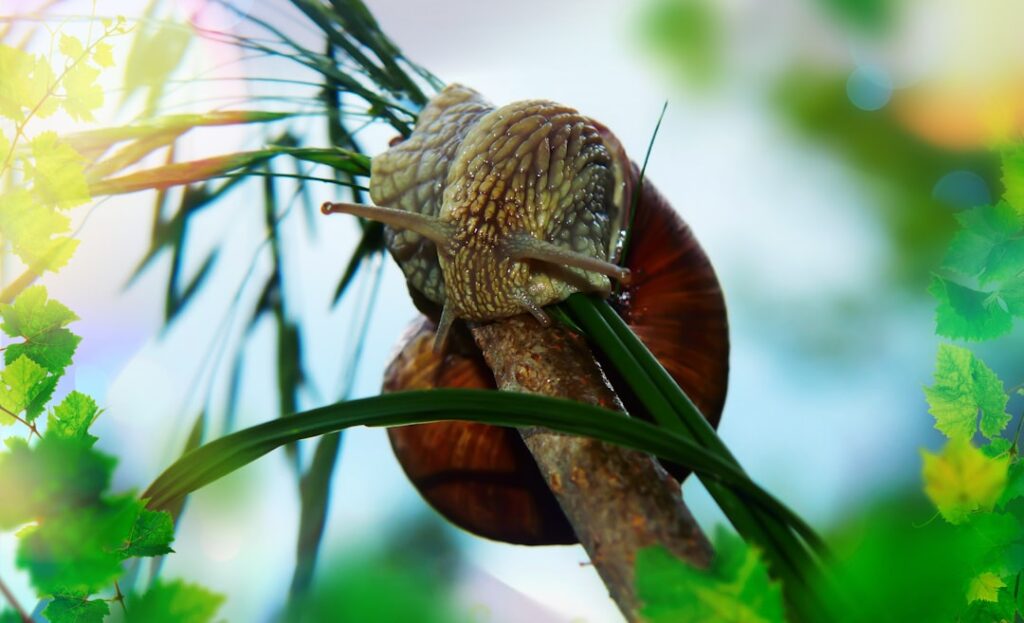
“The Sound of a Wild Snail Eating,” written by Elisabeth Tova Bailey, is a profound exploration of the intricate relationship between humans and nature, particularly through the lens of a seemingly simple creature: the wild snail. This memoir delves into the author’s personal journey, marked by chronic illness, and how her unexpected companionship with a snail became a source of solace and insight. The narrative is not merely about the physical presence of the snail but also about the deeper philosophical reflections it inspires.
Bailey’s work invites readers to consider the often-overlooked aspects of life and the natural world, emphasizing the beauty found in stillness and observation. Bailey’s writing is imbued with a sense of wonder and curiosity, as she meticulously details her observations of the snail’s behavior and eating habits. The book serves as a reminder that even in moments of profound struggle, there exists an opportunity for connection and understanding with the natural world.
Through her vivid descriptions and contemplative prose, Bailey encourages readers to slow down and appreciate the small wonders that surround them, fostering a greater appreciation for life in all its forms.
Key Takeaways
- “The Sound of a Wild Snail Eating” explores the author’s experience with chronic illness and her unexpected bond with a wild snail.
- The author’s observations of the snail’s eating habits highlight the significance of small moments in nature and the role of the snail in her healing process.
- The book reflects on the interconnectedness of life and themes of resilience and adaptation, impacting readers with the importance of slowing down and observing nature.
- Embracing the beauty of the natural world is emphasized in the conclusion, encouraging a deeper appreciation for the small wonders around us.
The Author’s Experience with Chronic Illness
Elisabeth Tova Bailey’s journey into the world of snails began during a challenging period marked by chronic illness. Stricken by a debilitating condition that left her largely confined to her home, Bailey faced not only physical limitations but also emotional turmoil. The isolation that often accompanies chronic illness can be overwhelming, leading to feelings of despair and disconnection from the world.
In this context, Bailey’s experience resonates with many who have faced similar struggles, as she navigates the complexities of her condition while seeking solace in her surroundings. During her time of confinement, Bailey found herself drawn to the small details of her environment, particularly the wild snail that had made its home in a potted plant. This encounter was not merely a distraction from her pain; it became a pivotal moment in her healing journey.
The snail’s slow, deliberate movements offered a stark contrast to the frenetic pace of modern life, prompting Bailey to reflect on her own existence and the nature of resilience. Through her observations, she began to understand that even in moments of stillness, there is life and movement—an important lesson for anyone grappling with illness or adversity.
The Unexpected Bond with a Wild Snail
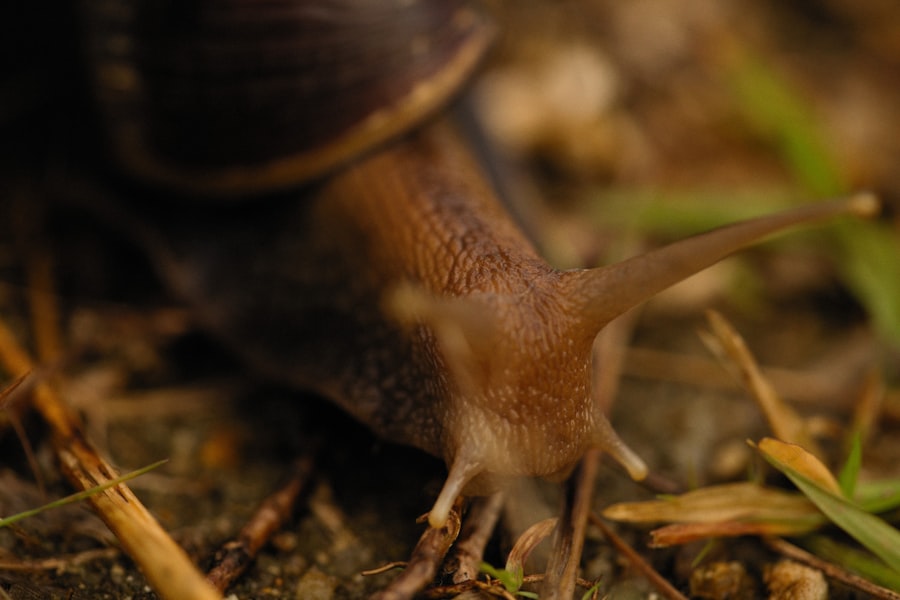
The bond that developed between Bailey and the wild snail was both unexpected and profound. Initially, the snail was just another creature in her environment, but as she began to observe its habits and behaviors, she found herself captivated by its simplicity and grace. The snail became a companion in her solitude, offering a sense of connection that transcended words.
This relationship highlights the potential for companionship in even the most unlikely forms, reminding us that connection can be found in nature’s smallest inhabitants. Bailey’s interactions with the snail were characterized by a deep sense of curiosity. She meticulously documented its movements, noting how it navigated its surroundings and engaged with its environment.
This attention to detail not only fostered a sense of intimacy between the author and the snail but also served as a form of mindfulness practice. In focusing on the snail’s life, Bailey was able to momentarily escape her own struggles, finding joy in the act of observation. This bond illustrates how nature can provide comfort and companionship during times of hardship, offering a reminder that we are never truly alone.
Observations of the Snail’s Eating Habits
One of the most fascinating aspects of Bailey’s narrative is her detailed observations of the snail’s eating habits. She describes how the snail grazes on leaves, savoring each morsel with an almost meditative quality. The sound of the snail eating—soft and rhythmic—becomes a symbol of tranquility amidst chaos.
Bailey’s descriptions evoke a sense of wonder at the simplicity of this act, transforming it into something profound and meaningful. Through her observations, Bailey highlights the intricacies of the snail’s feeding process. She notes how it carefully selects its food, demonstrating an instinctual understanding of what is nourishing.
This attention to detail serves as a metaphor for mindfulness in our own lives; just as the snail takes its time to choose what it consumes, we too can benefit from slowing down and being intentional about our choices. The act of eating becomes not just a necessity for survival but an opportunity for reflection and appreciation—a theme that resonates throughout Bailey’s memoir.
The Significance of Small Moments in Nature
Bailey’s reflections on her experiences with the wild snail underscore the significance of small moments in nature. In a world that often prioritizes speed and productivity, she invites readers to consider the beauty found in stillness and simplicity. Each encounter with the snail becomes an opportunity for introspection, allowing Bailey to connect with her surroundings on a deeper level.
These moments serve as reminders that nature is not merely a backdrop to our lives but an active participant in our emotional and spiritual well-being. The significance of these small moments extends beyond Bailey’s personal experience; they resonate with anyone who has taken the time to observe nature closely.
Bailey’s narrative encourages readers to cultivate an awareness of their environment, fostering a sense of gratitude for the natural world that often goes unnoticed in our busy lives.
The Role of the Snail in the Author’s Healing Process
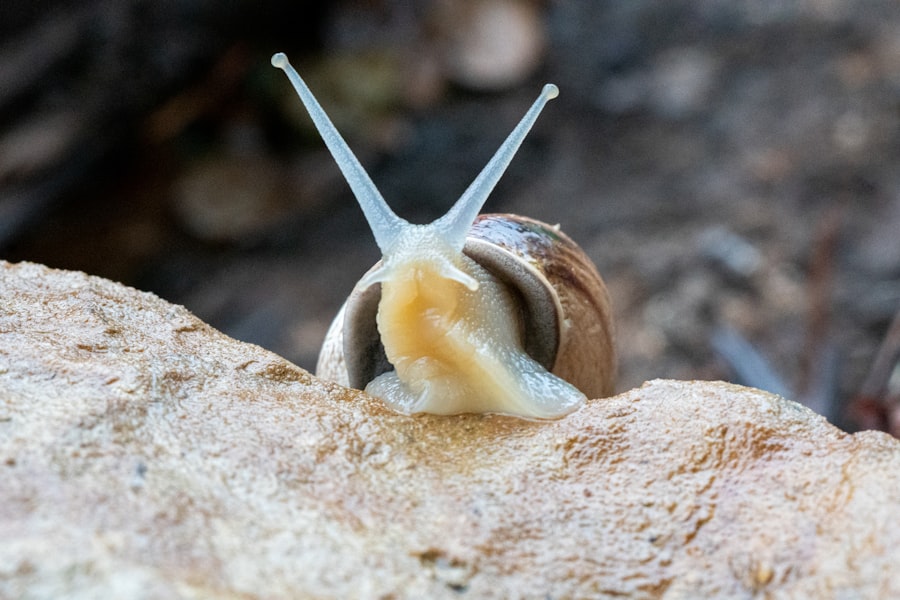
The wild snail played a crucial role in Bailey’s healing process, serving as both a source of comfort and inspiration during her illness. As she observed its slow movements and deliberate actions, she began to draw parallels between the snail’s life and her own journey toward recovery. The snail’s ability to thrive in its environment despite its small size became a powerful metaphor for resilience—a reminder that even in moments of vulnerability, there is strength to be found.
Bailey’s relationship with the snail also encouraged her to embrace patience and acceptance.
This shift in perspective allowed her to find joy in small victories and appreciate each moment as it came.
The snail became more than just an observer; it was a teacher, guiding Bailey toward a deeper understanding of herself and her place within the natural world.
Reflections on the Interconnectedness of Life
Throughout “The Sound of a Wild Snail Eating,” Bailey reflects on the interconnectedness of all living beings. Her relationship with the snail serves as a microcosm for understanding how humans are intricately linked to nature and each other. This theme is particularly poignant in light of contemporary environmental challenges; it reminds us that our well-being is tied to the health of our ecosystems.
By fostering connections with even the smallest creatures, we can cultivate a greater sense of responsibility toward our planet. Bailey’s observations extend beyond her immediate experience with the snail; they prompt readers to consider their own relationships with nature. The interconnectedness she describes is not limited to humans and snails but encompasses all forms of life—plants, animals, and ecosystems working together in harmony.
This realization can inspire individuals to take action in their own lives, whether through conservation efforts or simply by being more mindful of their impact on the environment.
Themes of Resilience and Adaptation
Resilience and adaptation are central themes woven throughout Bailey’s narrative. The wild snail embodies these qualities through its ability to navigate challenges in its environment while remaining true to its nature. In observing the snail’s resilience, Bailey finds inspiration for her own journey through illness.
The slow yet determined movements of the snail serve as a reminder that healing is not always linear; it requires patience, adaptability, and an acceptance of one’s circumstances. Bailey’s reflections on resilience extend beyond personal healing; they resonate with broader themes relevant to society at large. In times of adversity—be it environmental crises or personal struggles—individuals must learn to adapt and find strength within themselves.
The lessons gleaned from observing nature can empower us to face challenges with grace and determination, fostering a sense of hope even in difficult times.
The Book’s Impact on Readers
“The Sound of a Wild Snail Eating” has resonated deeply with readers across various backgrounds, sparking conversations about nature, illness, and human connection. Many have found solace in Bailey’s reflections on chronic illness, recognizing their own struggles within her narrative. The book serves as both an intimate memoir and a broader commentary on the importance of slowing down to appreciate life’s small wonders.
Readers have praised Bailey’s ability to articulate complex emotions through simple observations, creating a bridge between personal experience and universal themes. The book encourages individuals to cultivate mindfulness in their own lives, prompting them to seek out moments of beauty and connection within their environments. As readers engage with Bailey’s story, they are inspired to reflect on their relationships with nature and consider how these connections can enrich their lives.
The Importance of Slowing Down and Observing Nature
One of the most significant messages conveyed through Bailey’s memoir is the importance of slowing down and observing nature. In our fast-paced world, where distractions abound and time feels scarce, taking moments to pause can be transformative. Bailey’s experiences with the wild snail serve as an invitation for readers to step outside their busy lives and engage with their surroundings more mindfully.
By encouraging readers to observe nature closely—whether it’s watching insects at work or listening to birdsong—Bailey highlights how these experiences can foster a deeper appreciation for life itself. Slowing down allows us to connect with our environment on a more profound level, cultivating gratitude for both its beauty and complexity. This practice not only enhances our well-being but also nurtures our sense of responsibility toward preserving the natural world.
Embracing the Beauty of the Natural World
In “The Sound of a Wild Snail Eating,” Elisabeth Tova Bailey masterfully weaves together themes of connection, resilience, and mindfulness through her intimate observations of a wild snail. Her journey serves as both a personal narrative and a universal exploration of our relationship with nature—a reminder that beauty can be found even in life’s smallest moments. As readers engage with Bailey’s reflections, they are encouraged to embrace their own connections with nature, fostering an appreciation for its wonders while recognizing their place within this intricate web of life.
Through her poignant storytelling, Bailey inspires us all to slow down, observe closely, and find joy in simplicity—a lesson that resonates deeply in today’s fast-paced world. By embracing these principles, we can cultivate a greater sense of harmony within ourselves and our environment, ultimately enriching our lives through our connections with both nature and each other.




