
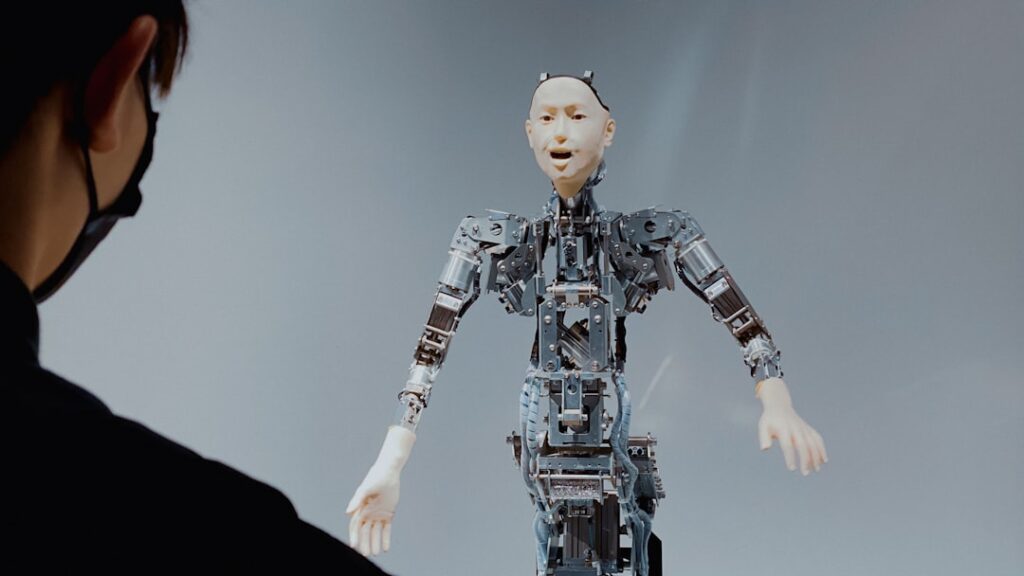
Artificial intelligence (AI) has become a cornerstone of modern technology, permeating various sectors from healthcare to finance. However, the term “artificial unintelligence” emerges as a critical lens through which we can examine the limitations and pitfalls of AI systems. This concept highlights the discrepancies between human intelligence and the capabilities of AI, emphasizing that while machines can process vast amounts of data and perform specific tasks with remarkable efficiency, they often lack the nuanced understanding and contextual awareness that characterize human cognition.
The term serves as a reminder that despite the impressive advancements in AI, there are significant gaps in its ability to replicate human-like reasoning and emotional intelligence. The phenomenon of artificial unintelligence is particularly evident when we consider the reliance on machine learning algorithms, which are designed to learn from data patterns. These algorithms can excel in tasks such as image recognition or natural language processing, yet they often falter in situations requiring common sense or ethical judgment.
For instance, an AI system trained to identify objects in images may misclassify a stop sign as a yield sign due to subtle variations in the training data. Such errors underscore the limitations inherent in AI systems, prompting a deeper exploration of how these technologies can misinterpret or oversimplify complex human experiences.
Key Takeaways
- Artificial Unintelligence refers to the limitations and biases present in AI systems.
- Machine learning has limitations such as overfitting, lack of common sense, and inability to understand context.
- Bias and discrimination in AI can lead to unfair outcomes and reinforce societal inequalities.
- Misunderstandings in AI can have significant negative impacts on society, including job displacement and privacy concerns.
- Ethical considerations in AI development are crucial for ensuring that AI systems are developed and used responsibly.
The Limitations of Machine Learning
Machine learning, a subset of AI, relies heavily on data to train algorithms that can make predictions or decisions. While this approach has led to significant breakthroughs, it is not without its limitations. One major constraint is the quality and quantity of data used for training.
If the dataset is biased or unrepresentative, the resulting model will likely produce skewed outcomes. For example, facial recognition systems have been shown to perform poorly on individuals with darker skin tones due to a lack of diverse training data. This limitation not only affects the accuracy of these systems but also raises ethical concerns about their deployment in real-world applications.
Moreover, machine learning models often operate as “black boxes,” meaning their internal decision-making processes are not easily interpretable by humans. This opacity can lead to a lack of trust in AI systems, particularly in high-stakes environments such as healthcare or criminal justice. For instance, an algorithm used to assess the risk of reoffending may generate a score that influences sentencing decisions without providing clear reasoning for its assessment.
Bias and Discrimination in AI

Bias in AI systems is a pressing issue that has garnered significant attention in recent years. Algorithms can inadvertently perpetuate existing societal biases if they are trained on historical data that reflects discrimination or inequality. For example, a hiring algorithm trained on past employee data may favor candidates who fit a certain demographic profile, thereby disadvantaging qualified individuals from underrepresented groups.
This phenomenon not only reinforces systemic inequalities but also raises questions about the ethical implications of using AI in decision-making processes. The consequences of biased AI extend beyond individual cases; they can have far-reaching effects on entire communities. In law enforcement, predictive policing algorithms have been criticized for disproportionately targeting minority neighborhoods based on historical crime data.
This practice can lead to over-policing and further entrenching societal disparities. Addressing bias in AI requires a multifaceted approach, including diversifying training datasets, implementing fairness metrics, and fostering collaboration between technologists and social scientists to ensure that AI systems are designed with equity in mind.
The Impact of Misunderstanding on Society
The misunderstanding of AI capabilities can lead to unrealistic expectations and misplaced trust in technology. Many people perceive AI as infallible, assuming that algorithms can make decisions with absolute accuracy. This misconception can result in overreliance on AI systems, particularly in critical areas such as healthcare diagnostics or financial forecasting.
For instance, if medical professionals place undue trust in an AI-driven diagnostic tool without understanding its limitations, they may overlook important clinical signs or symptoms that the algorithm fails to recognize. Furthermore, the hype surrounding AI can overshadow the importance of human judgment and expertise. In sectors like education, there is a growing trend toward using AI for personalized learning experiences.
However, if educators rely solely on algorithmic recommendations without considering the unique needs of their students, they risk implementing ineffective teaching strategies. The potential for misunderstanding extends to public policy as well; policymakers may adopt AI solutions without fully grasping their implications, leading to regulations that fail to address underlying issues or unintended consequences.
Ethical Considerations in AI Development
The ethical landscape surrounding AI development is complex and multifaceted. As AI technologies become increasingly integrated into society, developers face critical questions about responsibility and accountability. One pressing ethical concern is the potential for surveillance and privacy violations through AI applications such as facial recognition and data mining.
The deployment of these technologies raises significant questions about consent and individual rights, particularly when used by government agencies or corporations without transparent oversight. Moreover, the ethical implications of AI extend to issues of job displacement and economic inequality. As automation continues to advance, there is a growing fear that many jobs will become obsolete, disproportionately affecting low-income workers who may lack the skills needed for emerging roles in an AI-driven economy.
Addressing these ethical challenges requires a proactive approach that includes engaging diverse stakeholders in discussions about the societal impact of AI technologies and developing frameworks that prioritize human welfare alongside technological advancement.
The Role of Human Oversight in AI
Human oversight plays a crucial role in mitigating the risks associated with AI systems. While algorithms can process data at unprecedented speeds, they lack the contextual understanding that humans bring to decision-making processes. Incorporating human judgment into AI workflows can help ensure that ethical considerations are taken into account and that decisions align with societal values.
For instance, in healthcare settings where AI is used for diagnostic support, clinicians should be involved in interpreting algorithmic recommendations to provide holistic patient care. Additionally, establishing clear protocols for human oversight can enhance accountability in AI applications. Organizations should implement governance structures that define roles and responsibilities for monitoring AI systems throughout their lifecycle.
This includes regular audits to assess performance and fairness, as well as mechanisms for addressing grievances related to algorithmic decisions. By fostering a culture of accountability and transparency, organizations can build trust among users and stakeholders while ensuring that AI technologies serve the public good.
Strategies for Improving AI Understanding
Improving public understanding of AI is essential for fostering informed discussions about its implications and potential risks. Education plays a pivotal role in demystifying AI technologies; integrating AI literacy into school curricula can equip future generations with the knowledge needed to navigate an increasingly automated world. By teaching students about the fundamentals of machine learning, data ethics, and algorithmic bias, educators can empower them to critically evaluate AI applications and advocate for responsible use.
In addition to formal education, public awareness campaigns can help bridge the knowledge gap surrounding AI technologies. Engaging diverse communities through workshops, seminars, and online resources can facilitate dialogue about the benefits and challenges associated with AI adoption. Furthermore, collaboration between technologists and social scientists can yield insights into how different demographics perceive and interact with AI systems, enabling developers to create more user-friendly interfaces that promote understanding and trust.
Navigating the Complexities of Artificial Unintelligence
As society continues to grapple with the complexities of artificial unintelligence, it becomes increasingly clear that a nuanced approach is necessary for harnessing the potential of AI while mitigating its risks. Recognizing the limitations of machine learning, addressing bias and discrimination, and fostering ethical considerations are all critical components of this journey. By prioritizing human oversight and improving public understanding of AI technologies, we can navigate the intricate landscape of artificial unintelligence with greater awareness and responsibility.
The path forward requires collaboration among technologists, ethicists, policymakers, and communities to ensure that AI serves as a tool for empowerment rather than oppression. As we strive to create a future where technology enhances human capabilities rather than diminishes them, it is imperative that we remain vigilant about the implications of our choices in developing and deploying artificial intelligence systems. Through thoughtful engagement and proactive measures, we can work towards an equitable society where technology aligns with our shared values and aspirations.
In “Artificial Unintelligence: How Computers Misunderstand the World,” Meredith Broussard delves into the limitations and misconceptions surrounding artificial intelligence, highlighting the gap between human expectations and technological capabilities. A related article that further explores the intricacies of AI and its impact on society can be found on Hellread. This piece, titled “Hello World,” discusses the evolving relationship between humans and machines, emphasizing the importance of understanding AI’s limitations to harness its potential effectively.


