

The concept of the geography of thought delves into how cultural contexts shape cognitive processes and influence the way individuals perceive and interact with the world. This idea posits that our mental frameworks are not merely products of individual experiences but are significantly molded by the cultural environments in which we are raised. The geography of thought suggests that different cultures foster distinct ways of thinking, leading to variations in reasoning, problem-solving, and communication styles.
Understanding these differences is crucial in an increasingly interconnected world, where cross-cultural interactions are commonplace. The exploration of the geography of thought invites us to consider how cultural narratives, values, and practices inform our cognitive patterns. For instance, individuals from collectivist societies may prioritize group harmony and consensus in their decision-making processes, while those from individualistic cultures might emphasize personal autonomy and self-expression.
This divergence in thought processes can lead to misunderstandings and conflicts in multicultural settings, making it essential to examine the underlying cultural influences that shape our cognitive landscapes.
Key Takeaways
- The Geography of Thought explores the cultural differences in thinking between Eastern and Western societies.
- Environmental factors such as social structure and economic systems influence cognitive processes in individuals.
- Eastern philosophical traditions emphasize interconnectedness and harmony, while Western traditions focus on individualism and logic.
- Cognitive styles and problem-solving strategies vary between cultures, impacting cross-cultural communication and international relations.
- Education plays a crucial role in shaping cognitive patterns and can be leveraged for practical applications in business and international relations.
Cultural Differences in Thinking
Cultural differences in thinking manifest in various ways, particularly in how individuals approach problems and interpret information.
This approach emphasizes categorization, logical reasoning, and a focus on individual elements within a given context.
For example, when presented with a scenario involving a conflict, individuals from these cultures may dissect the situation into its components, analyzing each part separately to arrive at a solution. In contrast, individuals from Eastern cultures, including those in China and Japan, tend to employ a holistic thinking style. This perspective emphasizes the interconnectedness of elements within a broader context.
When faced with a similar conflict scenario, individuals from these cultures might consider the relationships between the parties involved and the surrounding circumstances before arriving at a resolution. This difference in cognitive style can lead to varying interpretations of situations and distinct approaches to problem-solving, highlighting the importance of cultural context in shaping thought processes.
The Influence of Environment on Cognitive Processes
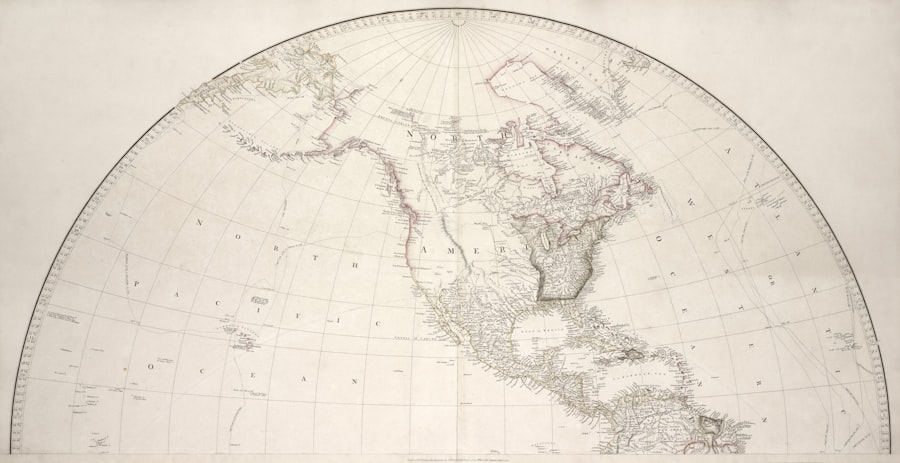
The environment plays a pivotal role in shaping cognitive processes, influencing how individuals perceive and interact with their surroundings. Factors such as geography, climate, and social structures contribute to the development of specific cognitive styles within different cultures. For instance, societies that thrive in harsh climates may cultivate resilience and adaptability as essential traits for survival.
In such environments, individuals might develop a pragmatic approach to problem-solving, focusing on immediate solutions that address pressing challenges. Conversely, cultures situated in more stable environments may foster creativity and abstract thinking. In these contexts, individuals might have the luxury of exploring ideas without the constraints imposed by survival needs.
The availability of resources and opportunities for education can also significantly impact cognitive development. For example, urban environments with access to diverse educational institutions may encourage critical thinking and innovation, while rural areas with limited resources might prioritize practical skills and community-oriented problem-solving.
The philosophical traditions of Eastern and Western cultures provide a rich backdrop for understanding the geography of thought. Western philosophy, rooted in ancient Greek thought, often emphasizes rationality, individualism, and a linear approach to knowledge acquisition. Thinkers like Aristotle and Descartes laid the groundwork for analytical reasoning, advocating for systematic inquiry and empirical evidence as the basis for understanding reality.
This tradition has profoundly influenced Western education systems and scientific methodologies. In contrast, Eastern philosophical traditions, such as Confucianism, Taoism, and Buddhism, emphasize harmony, balance, and interconnectedness. These philosophies encourage individuals to seek understanding through introspection and relational awareness rather than solely through analytical reasoning.
For instance, Confucianism places a strong emphasis on social relationships and moral duties, shaping how individuals perceive their roles within society. This philosophical divergence not only influences individual thought processes but also informs broader societal values and norms.
Cognitive Styles and Problem-Solving Strategies
Cognitive styles refer to the preferred ways individuals process information and approach problem-solving tasks. Research indicates that these styles are often influenced by cultural factors, leading to distinct strategies employed by individuals from different backgrounds. For example, individuals with an analytical cognitive style may excel in tasks that require logical reasoning and systematic analysis.
They might approach problems by breaking them down into smaller components and evaluating each part independently. On the other hand, those with a holistic cognitive style may excel in tasks that require an understanding of context and relationships. They might approach problems by considering the broader implications and interconnections between various elements.
This difference in cognitive styles can lead to varying outcomes in collaborative settings. In multicultural teams, for instance, individuals with diverse cognitive styles can either complement each other’s strengths or create friction if their approaches clash without mutual understanding.
Implications for Cross-Cultural Communication
The differences in cognitive styles and cultural thinking have significant implications for cross-cultural communication. Misunderstandings can easily arise when individuals from different cultural backgrounds engage in dialogue without recognizing their divergent thought processes. For example, a direct communication style favored in many Western cultures may be perceived as confrontational or disrespectful by individuals from Eastern cultures who value indirect communication and subtlety.
Effective cross-cultural communication requires an awareness of these differences and a willingness to adapt one’s communication style accordingly. Active listening becomes crucial in such interactions; it allows individuals to grasp not only the content of what is being said but also the underlying cultural nuances that inform those expressions. By fostering an environment of openness and respect for diverse perspectives, individuals can bridge gaps in understanding and enhance collaborative efforts across cultural boundaries.
The Role of Education in Shaping Cognitive Patterns
Education plays a fundamental role in shaping cognitive patterns and reinforcing cultural values related to thinking styles. In many Western educational systems, there is a strong emphasis on critical thinking skills, debate, and individual expression. Students are often encouraged to challenge ideas, formulate their own opinions, and engage in discussions that promote analytical reasoning.
This educational approach cultivates a mindset that values independence and self-reliance. In contrast, educational systems in many Eastern cultures may prioritize rote memorization, respect for authority, and collective learning experiences. Students are often taught to value harmony within the classroom setting and may be discouraged from openly challenging teachers or peers.
This approach fosters a sense of community but may limit opportunities for individual expression or critical analysis. Understanding these educational differences is essential for educators working in multicultural environments or for those seeking to implement effective teaching strategies that accommodate diverse learning styles.
Practical Applications for Business and International Relations
The insights gained from understanding the geography of thought have practical applications across various fields, particularly in business and international relations. In global business environments, recognizing cultural differences in thinking can enhance collaboration among diverse teams. Companies that prioritize cultural competence training can equip their employees with the skills needed to navigate cross-cultural interactions effectively.
For instance, multinational corporations often benefit from employing culturally diverse teams that bring varied perspectives to problem-solving processes. In international relations, understanding the cognitive styles prevalent in different cultures can inform diplomatic strategies and negotiations. Diplomats who are aware of cultural nuances are better equipped to engage with representatives from other nations effectively.
For example, recognizing that a culture values indirect communication can guide diplomats in framing their messages more appropriately during negotiations. By fostering mutual respect and understanding through informed communication strategies, nations can work towards resolving conflicts and building cooperative relationships on the global stage. The geography of thought offers profound insights into how culture shapes cognition and influences behavior across various domains.
In “The Geography of Thought,” Richard E. Nisbett explores how cultural differences between the East and West shape cognitive processes. A related article that delves into similar themes is available on Hellread, which discusses the impact of cultural perspectives on decision-making and perception. This article provides further insights into how our cultural backgrounds influence the way we think and interpret the world around us. For more information, you can read the article by following this link.
FAQs
What is the book “The Geography of Thought” about?
The book “The Geography of Thought” by Richard E. Nisbett explores the cultural differences in thinking patterns between Eastern and Western societies. Nisbett argues that these differences have a significant impact on various aspects of cognition, perception, and communication.
What are some key concepts discussed in “The Geography of Thought”?
Some key concepts discussed in “The Geography of Thought” include the influence of cultural background on reasoning, problem-solving, decision-making, and perception. Nisbett also delves into the impact of individualism versus collectivism on cognitive processes.
How does “The Geography of Thought” contribute to the understanding of cultural differences?
“The Geography of Thought” provides insights into how cultural differences shape cognitive processes and behavior. It highlights the importance of understanding and appreciating diverse thinking patterns and communication styles across cultures.
What are some practical implications of the ideas presented in “The Geography of Thought”?
The book’s ideas have practical implications for cross-cultural communication, negotiation, education, and business. Understanding the cultural differences in thinking can help individuals and organizations navigate diverse environments more effectively.




