
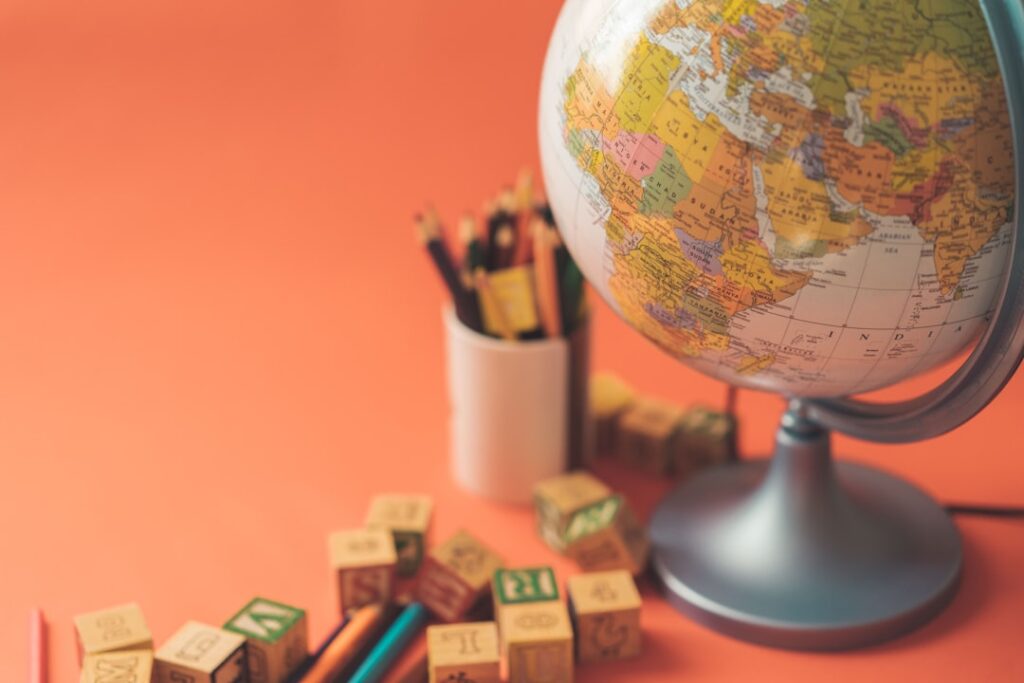
Globalization is a multifaceted phenomenon that has transformed the world in profound ways. It encompasses the increasing interconnectedness of economies, cultures, and populations across the globe. As we navigate through this era of rapid change, we find ourselves grappling with both the benefits and the drawbacks that globalization brings.
While it has facilitated trade, communication, and cultural exchange, it has also led to significant disparities and discontent among various groups. The complexities of globalization challenge us to critically examine its implications and to seek a balanced understanding of its effects on societies worldwide. As we delve into the intricacies of globalization, we must acknowledge that it is not a uniform experience for all.
This discontent manifests in various forms, from economic inequality to cultural homogenization. As we explore the various dimensions of globalization, it becomes essential to consider the voices of those who are adversely affected by these global processes.
By doing so, we can better understand the need for reforms that address these disparities and promote a more equitable global landscape.
Key Takeaways
- Globalization has both positive and negative impacts on developing countries, affecting their economies, cultures, and societies.
- International organizations play a significant role in shaping and regulating the process of globalization, influencing policies and agreements between countries.
- Globalization creates winners and losers, with some individuals and industries benefiting while others face job loss and economic instability.
- National governments face challenges in managing the effects of globalization, including addressing inequality, protecting domestic industries, and regulating international trade and investment.
- Technology plays a crucial role in driving globalization, enabling the flow of information, goods, and services across borders and connecting people worldwide.
The Impact of Globalization on Developing Countries
The impact of globalization on developing countries is a topic that warrants careful examination. On one hand, globalization has opened up new avenues for economic growth and development. Many developing nations have experienced increased foreign investment, access to international markets, and technological advancements as a result of global integration.
These opportunities have allowed some countries to improve their infrastructure, enhance their educational systems, and elevate their standards of living. We can observe how countries like Vietnam and Bangladesh have leveraged globalization to become significant players in the global textile industry, creating jobs and boosting their economies. However, the benefits of globalization are not universally experienced within developing countries.
While some regions thrive, others struggle to keep pace with the rapid changes brought about by global interconnectedness. We must recognize that globalization can exacerbate existing inequalities, as wealth tends to concentrate in urban areas while rural communities often remain marginalized. Additionally, the influx of foreign companies can lead to the exploitation of local labor and resources, raising concerns about workers’ rights and environmental sustainability.
As we analyze these dynamics, it becomes clear that the impact of globalization on developing countries is complex and multifaceted, requiring nuanced approaches to address its challenges.
The Role of International Organizations in Globalization

International organizations play a pivotal role in shaping the landscape of globalization. Institutions such as the World Trade Organization (WTO), International Monetary Fund (IMF), and World Bank are instrumental in establishing the rules and frameworks that govern global trade and finance. These organizations aim to promote economic stability, facilitate trade agreements, and provide financial assistance to countries in need.
As we consider their influence, we must also reflect on how their policies can sometimes prioritize the interests of powerful nations over those of developing countries. Moreover, international organizations are tasked with addressing the social and environmental consequences of globalization. They often advocate for sustainable development practices and work towards reducing poverty and inequality on a global scale.
However, their effectiveness is frequently called into question, as critics argue that their policies can perpetuate dependency rather than foster genuine development. As we engage with these issues, it is essential to evaluate how international organizations can adapt their approaches to better serve the diverse needs of countries around the world.
The Winners and Losers of Globalization
In our exploration of globalization, we encounter a stark reality: there are both winners and losers in this globalized world. On one side, multinational corporations and affluent nations often reap substantial rewards from globalization. They benefit from access to new markets, lower production costs, and increased profits.
This economic advantage allows them to invest further in innovation and technology, perpetuating a cycle of growth that seems self-sustaining. Conversely, many individuals and communities find themselves on the losing end of this equation. Workers in developed countries may face job displacement due to outsourcing, while those in developing nations may endure poor working conditions and inadequate wages.
The widening gap between the rich and the poor raises critical questions about fairness and justice in a globalized economy. As we reflect on these disparities, it becomes imperative for us to advocate for policies that promote inclusivity and ensure that the benefits of globalization are shared more equitably among all stakeholders.
The Challenges of Globalization for National Governments
National governments face significant challenges in navigating the complexities of globalization. As they strive to protect their citizens’ interests while engaging with the global economy, they must balance competing priorities. On one hand, governments are under pressure to attract foreign investment and stimulate economic growth; on the other hand, they must safeguard local industries and protect workers’ rights.
This delicate balancing act often leads to tensions between national sovereignty and global integration. Furthermore, globalization can complicate governance by diminishing the power of individual states in favor of multinational corporations and international agreements. As we witness the rise of transnational issues such as climate change and migration, governments must collaborate across borders to address these challenges effectively.
However, this collaboration can be hindered by nationalistic sentiments and protectionist policies that prioritize short-term gains over long-term solutions. In light of these challenges, it is crucial for governments to adopt strategies that foster cooperation while remaining responsive to their citizens’ needs.
The Role of Technology in Globalization
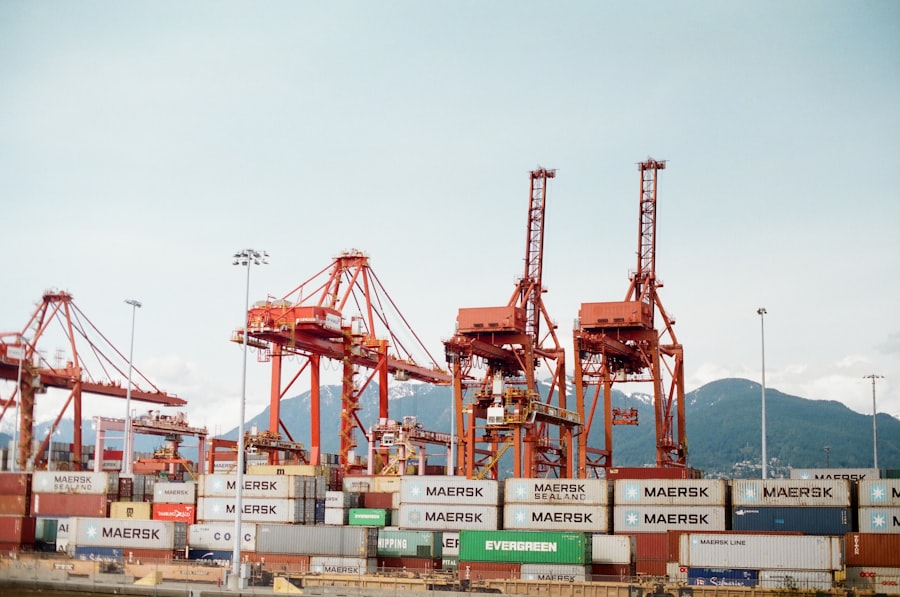
Technology serves as a driving force behind globalization, facilitating communication, trade, and cultural exchange at an unprecedented scale. The advent of the internet has revolutionized how we connect with one another, breaking down geographical barriers and enabling instant access to information. As we embrace technological advancements, we witness how they empower individuals and businesses alike to engage in global markets.
However, we must also recognize that technology can exacerbate existing inequalities within and between countries. Access to digital resources is not uniform; many communities still lack reliable internet connectivity or technological literacy. This digital divide can hinder economic opportunities for marginalized populations, leaving them further behind in an increasingly interconnected world.
As we consider the role of technology in globalization, it is essential for us to advocate for inclusive policies that ensure equitable access to digital resources for all.
The Need for Reforms in Globalization
As we reflect on the complexities of globalization, it becomes evident that reforms are necessary to address its shortcomings.
This may involve rethinking trade agreements to ensure they benefit all parties involved rather than favoring powerful nations or corporations.
Moreover, reforms should focus on enhancing labor rights and protecting vulnerable communities from exploitation. By promoting fair wages and safe working conditions globally, we can create a more just economic system that values human dignity over profit margins. Additionally, fostering collaboration between governments, international organizations, and civil society can lead to innovative solutions that address the challenges posed by globalization while harnessing its potential for positive change.
Conclusion and Recommendations
In conclusion, our exploration of globalization reveals a complex tapestry woven with both opportunities and challenges. While it has facilitated unprecedented connections across borders, it has also highlighted significant disparities that demand our attention. As we move forward in this globalized world, we must strive for a more equitable approach that prioritizes the well-being of all individuals.
To achieve this vision, we recommend several key actions: first, fostering inclusive economic policies that ensure fair distribution of resources; second, enhancing international cooperation to address transnational issues; third, investing in education and technology access for marginalized communities; and finally, advocating for reforms within international organizations to better serve the diverse needs of nations worldwide. By embracing these recommendations, we can work towards a future where globalization serves as a force for good—one that uplifts all people rather than leaving anyone behind.
In his seminal work “Globalization and Its Discontents,” Joseph E. Stiglitz explores the complexities and challenges of globalization, particularly its impact on developing nations. For readers interested in further exploring the themes of globalization and its multifaceted effects, a related article can be found on Hellread. This article delves into contemporary discussions surrounding globalization, offering fresh insights and perspectives that complement Stiglitz’s analysis. You can read more about these discussions by visiting the article at this link.
FAQs
What is Globalization and Its Discontents about?
Globalization and Its Discontents is a book written by Joseph E. Stiglitz, a Nobel Prize-winning economist. The book discusses the negative impacts of globalization on developing countries and the global economy.
Who is Joseph E. Stiglitz?
Joseph E. Stiglitz is an American economist and a professor at Columbia University. He was awarded the Nobel Prize in Economics in 2001 for his work on the economics of information.
What are the main arguments in Globalization and Its Discontents?
In the book, Stiglitz argues that the policies promoted by the International Monetary Fund (IMF), the World Bank, and the US Treasury have often worsened economic conditions in developing countries, leading to increased poverty and inequality.
What are some of the criticisms of globalization discussed in the book?
Stiglitz criticizes the IMF and the World Bank for imposing one-size-fits-all policies on developing countries, which often lead to economic instability and social unrest. He also discusses the negative impact of globalization on income inequality and the environment.
What are some of the proposed solutions to the problems of globalization?
Stiglitz advocates for reforms in the international financial system, including greater transparency and accountability in the operations of the IMF and the World Bank. He also calls for a more inclusive approach to globalization that takes into account the needs and concerns of developing countries.




