
The Anti-Inflammatory Diet is a nutritional approach designed to reduce chronic inflammation in the body, which is increasingly recognized as a contributing factor to various health issues. This diet emphasizes the consumption of whole, nutrient-dense foods while minimizing processed items that can trigger inflammatory responses. The underlying principle is to nourish the body with foods that possess anti-inflammatory properties, thereby promoting overall health and well-being.
At its core, the Anti-Inflammatory Diet is not merely a temporary eating plan but rather a lifestyle choice that encourages long-term dietary habits. It draws from various dietary patterns, including the Mediterranean diet, which is rich in fruits, vegetables, whole grains, healthy fats, and lean proteins. By focusing on these food groups, individuals can create a balanced diet that supports their immune system and reduces the risk of chronic diseases associated with inflammation.
Key Takeaways
- The anti-inflammatory diet focuses on consuming foods that help reduce inflammation in the body, which can help prevent chronic diseases and promote overall health.
- Following an anti-inflammatory diet can lead to reduced risk of chronic diseases, improved heart health, better digestion, and weight management.
- Foods to include in an anti-inflammatory diet include fruits, vegetables, whole grains, healthy fats, and lean proteins, as well as herbs and spices with anti-inflammatory properties.
- Foods to avoid in an anti-inflammatory diet include processed foods, refined sugars, trans fats, and excessive alcohol and caffeine.
- To start and maintain an anti-inflammatory diet, it’s important to plan meals, read food labels, cook at home, and gradually make sustainable changes to your eating habits.
The Benefits of Following an Anti-Inflammatory Diet
Adopting an Anti-Inflammatory Diet can yield numerous health benefits, particularly for those suffering from chronic conditions such as arthritis, heart disease, and diabetes. One of the most significant advantages is the potential reduction in pain and discomfort associated with inflammatory diseases. For instance, individuals with rheumatoid arthritis often report decreased joint pain and improved mobility when they incorporate anti-inflammatory foods into their diets.
This improvement can be attributed to the diet’s ability to lower levels of pro-inflammatory cytokines in the body.
Foods rich in fiber, such as fruits, vegetables, and whole grains, not only support gut health but also help regulate blood sugar levels.
This regulation can lead to more stable energy throughout the day, reducing the likelihood of energy crashes that often accompany diets high in refined sugars and processed foods. Additionally, many anti-inflammatory foods are packed with antioxidants, which combat oxidative stress and may contribute to a lower risk of developing chronic diseases.
Foods to Include in an Anti-Inflammatory Diet
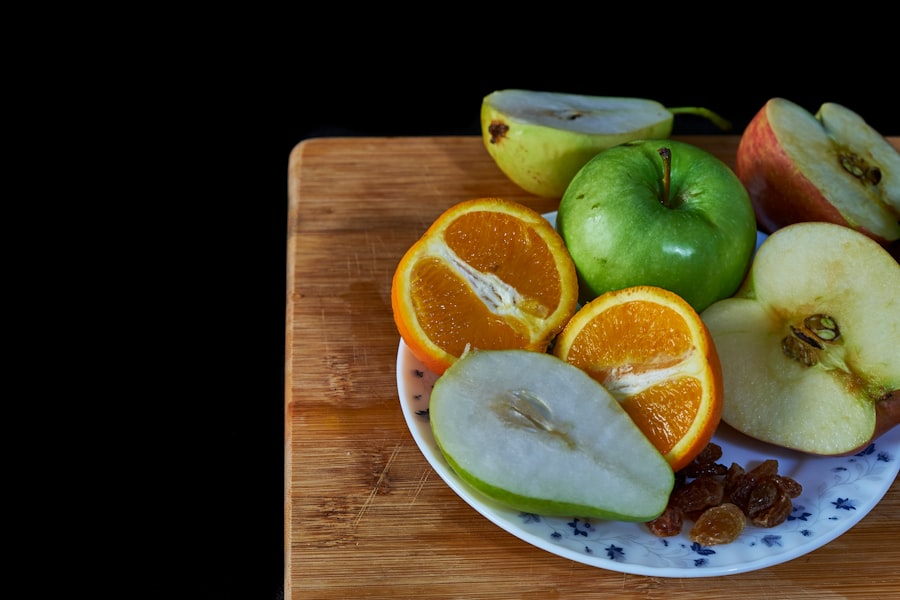
When embarking on an Anti-Inflammatory Diet, it is essential to focus on incorporating a variety of foods known for their anti-inflammatory properties. Leafy greens such as spinach, kale, and Swiss chard are excellent choices due to their high levels of vitamins A, C, and K, as well as antioxidants like quercetin. These nutrients work synergistically to combat inflammation and support immune function.
Fatty fish, particularly those rich in omega-3 fatty acids like salmon, mackerel, and sardines, are also crucial components of this diet. Omega-3s have been shown to reduce inflammation markers in the body significantly. In addition to fish, nuts and seeds—such as walnuts and flaxseeds—are great sources of healthy fats and can be easily incorporated into meals or snacks.
Berries, especially blueberries and strawberries, are another powerhouse food; they are rich in antioxidants and phytochemicals that help mitigate inflammation.
Foods to Avoid in an Anti-Inflammatory Diet
While it is important to know which foods to include in an Anti-Inflammatory Diet, equally crucial is understanding which items should be avoided. Processed foods high in refined sugars and unhealthy fats are notorious for promoting inflammation. For example, sugary beverages like sodas and energy drinks can spike blood sugar levels and lead to increased inflammatory responses in the body.
Similarly, trans fats found in many fried foods and baked goods can exacerbate inflammation and contribute to chronic health issues. Another category of foods to limit includes those high in saturated fats, such as red meat and full-fat dairy products. While these foods can be part of a balanced diet when consumed in moderation, excessive intake may lead to increased levels of inflammatory markers.
Additionally, refined carbohydrates found in white bread, pastries, and many snack foods can also trigger inflammatory processes. By being mindful of these dietary pitfalls, individuals can better manage their inflammation levels and promote overall health.
How to Start and Maintain an Anti-Inflammatory Diet
Starting an Anti-Inflammatory Diet requires a thoughtful approach that emphasizes gradual changes rather than drastic overhauls. One effective strategy is to begin by incorporating more whole foods into your meals while gradually phasing out processed items. For instance, replacing white rice with quinoa or brown rice can provide additional nutrients and fiber without sacrificing taste or satisfaction.
Similarly, swapping out sugary snacks for fresh fruit or nuts can help satisfy cravings while supporting your health goals. Maintaining this dietary approach involves planning and preparation. Meal prepping can be a valuable tool for ensuring that anti-inflammatory options are readily available throughout the week.
Preparing large batches of soups or stews filled with vegetables and legumes can provide nutritious meals that are easy to reheat. Additionally, keeping a well-stocked pantry with staples like olive oil, spices (such as turmeric and ginger), and canned beans can facilitate quick meal assembly without resorting to less healthy options.
The Connection Between Inflammation and Chronic Diseases
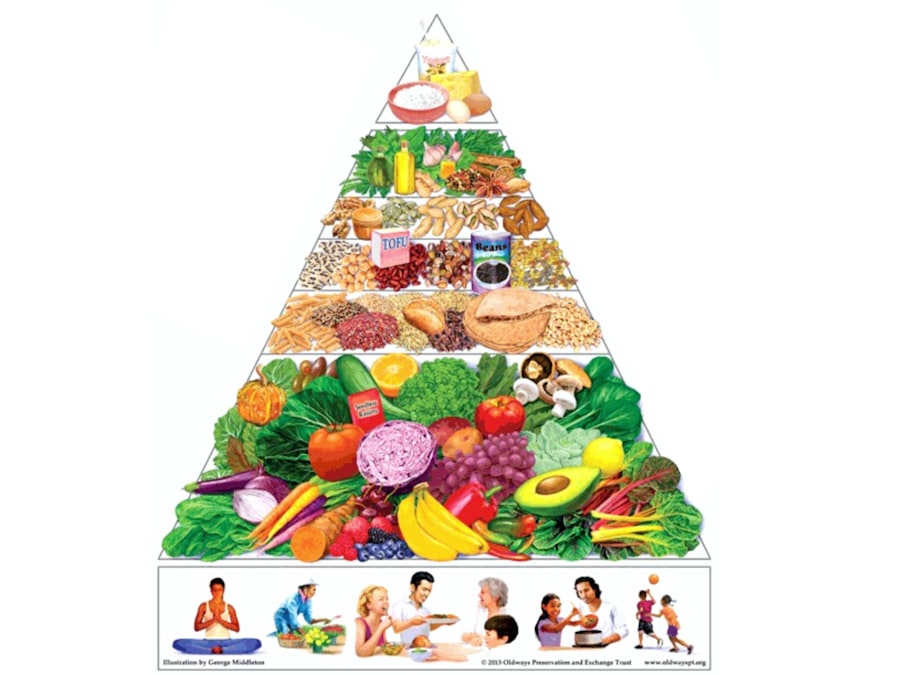
Chronic inflammation has been linked to a myriad of health conditions that affect millions worldwide. Research indicates that persistent inflammation plays a significant role in the development of diseases such as heart disease, diabetes, cancer, and neurodegenerative disorders like Alzheimer’s disease. For instance, studies have shown that individuals with elevated levels of inflammatory markers are at a higher risk for cardiovascular events such as heart attacks or strokes.
The mechanisms behind this connection are complex but involve the body’s immune response becoming dysregulated over time. When inflammation becomes chronic, it can lead to tissue damage and contribute to the progression of various diseases. Understanding this relationship underscores the importance of adopting an Anti-Inflammatory Diet as a proactive measure to mitigate these risks and promote long-term health.
Tips for Incorporating Anti-Inflammatory Foods into Your Daily Routine
Incorporating anti-inflammatory foods into your daily routine can be both enjoyable and rewarding. One effective method is to experiment with new recipes that highlight these ingredients. For example, creating a vibrant salad with mixed greens, colorful vegetables, nuts, seeds, and a homemade vinaigrette can serve as a delicious meal or side dish packed with anti-inflammatory benefits.
Additionally, exploring different cooking methods—such as grilling or steaming—can enhance flavors while preserving nutrients. Another practical tip is to make small adjustments to your existing meals rather than overhauling your entire diet at once. For instance, adding turmeric or ginger to soups or smoothies can provide an anti-inflammatory boost without drastically changing your eating habits.
Furthermore, keeping healthy snacks on hand—like hummus with carrot sticks or yogurt topped with berries—can help you avoid reaching for processed options when hunger strikes.
Potential Risks and Considerations When Following an Anti-Inflammatory Diet
While the Anti-Inflammatory Diet offers numerous benefits, it is essential to approach it with awareness of potential risks and considerations. One concern is that individuals may inadvertently eliminate entire food groups without proper guidance or knowledge about nutrition. For example, cutting out all sources of carbohydrates could lead to deficiencies in essential nutrients if not done thoughtfully.
It is crucial to ensure that any dietary changes are balanced and provide adequate nutrition. Additionally, some individuals may have specific food sensitivities or allergies that could complicate their adherence to an Anti-Inflammatory Diet. For instance, while nuts are generally considered anti-inflammatory, those with nut allergies must find alternative sources of healthy fats.
Consulting with a healthcare professional or registered dietitian can provide personalized guidance tailored to individual needs and health conditions. This professional support can help navigate potential pitfalls while maximizing the benefits of an Anti-Inflammatory Diet for optimal health outcomes.
In exploring the benefits of The Anti-Inflammatory Diet by Jessica K. Black, it’s insightful to consider related discussions on health and wellness. A pertinent article that complements the themes of Black’s work can be found on Hellread. This article delves into the broader implications of dietary choices on inflammation and overall health. For those interested in expanding their understanding of how diet influences inflammation, you can read more in this related article. This piece provides additional context and practical advice that aligns well with the principles outlined in Black’s book.
FAQs
What is the anti-inflammatory diet?
The anti-inflammatory diet is a way of eating that focuses on consuming foods that help reduce inflammation in the body. This diet emphasizes whole, unprocessed foods such as fruits, vegetables, lean proteins, and healthy fats, while minimizing the intake of processed foods, sugar, and unhealthy fats.
What are the benefits of the anti-inflammatory diet?
The anti-inflammatory diet has been associated with numerous health benefits, including reduced risk of chronic diseases such as heart disease, diabetes, and certain types of cancer. It may also help alleviate symptoms of inflammatory conditions such as arthritis and improve overall well-being.
What foods should be included in the anti-inflammatory diet?
Foods that are rich in antioxidants, omega-3 fatty acids, and phytonutrients are key components of the anti-inflammatory diet. This includes fruits, vegetables, nuts, seeds, fatty fish, olive oil, and whole grains. Herbs and spices such as turmeric, ginger, and garlic are also encouraged.
What foods should be avoided in the anti-inflammatory diet?
Processed foods, refined sugars, trans fats, and excessive consumption of red meat are typically minimized in the anti-inflammatory diet. This includes items such as sugary snacks, processed meats, fried foods, and refined grains.
Is the anti-inflammatory diet suitable for everyone?
The anti-inflammatory diet is generally considered a healthy way of eating and can benefit most individuals. However, it’s important to consult with a healthcare professional before making significant changes to your diet, especially if you have any underlying health conditions or dietary restrictions.