
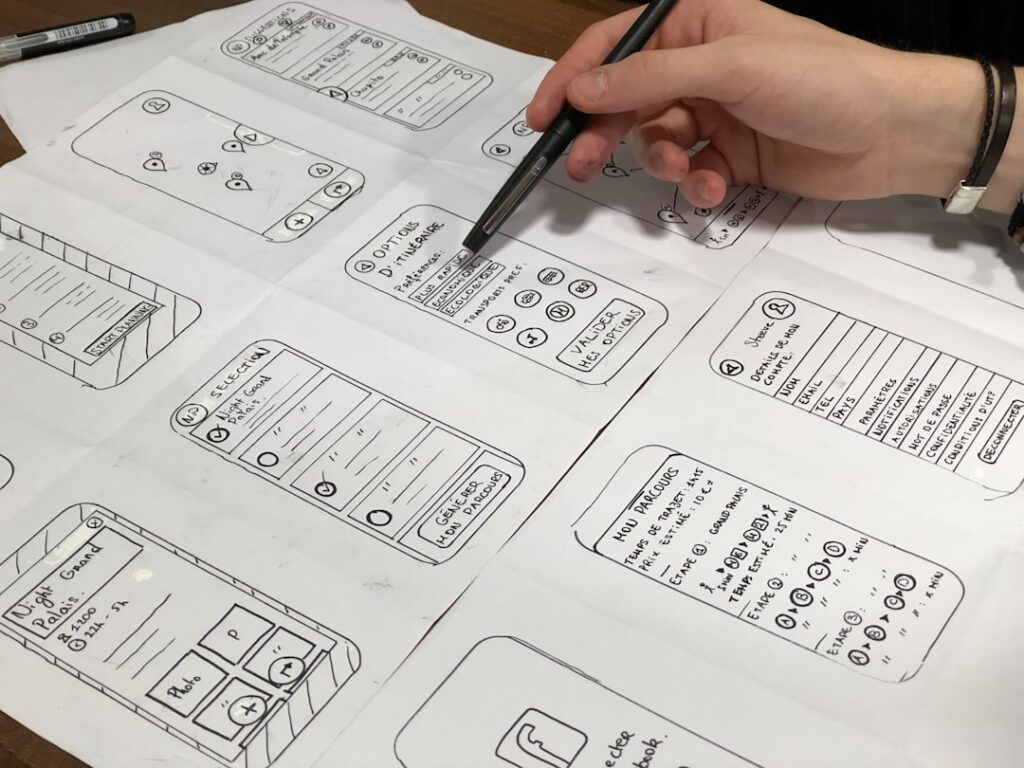
User experience (UX) has emerged as a critical component in the design and development of digital products and services. It encompasses every aspect of the user’s interaction with a company, its services, and its products. The importance of UX lies in its ability to shape perceptions, influence behavior, and ultimately drive customer satisfaction and loyalty.
A well-designed user experience can lead to increased engagement, higher conversion rates, and a stronger brand reputation. In an era where consumers are inundated with choices, the quality of the user experience can be the differentiating factor that sets a product apart from its competitors. Moreover, understanding user experience is not merely about aesthetics or usability; it involves a deep comprehension of user needs, preferences, and pain points.
For instance, consider the success of platforms like Airbnb and Uber, which have revolutionized their respective industries by focusing on seamless user experiences. These companies have invested heavily in understanding their users’ journeys, leading to intuitive interfaces and streamlined processes that enhance overall satisfaction.
As a result, they have not only captured significant market share but have also fostered a loyal customer base that advocates for their brands.
Key Takeaways
- User experience is crucial for the success of any product or service as it directly impacts customer satisfaction and loyalty.
- Good user experience design principles include simplicity, consistency, and accessibility to create a positive interaction between the user and the product.
- Research plays a vital role in understanding user needs, behaviors, and preferences, which informs the design and development process.
- A seamless user interface is essential for a smooth and intuitive interaction, leading to a positive user experience.
- User experience directly impacts business success by influencing customer retention, conversion rates, and brand reputation.
Principles of Good User Experience Design
Good user experience design is grounded in several key principles that guide the creation of effective and engaging digital products. One fundamental principle is usability, which refers to how easily users can navigate a product and accomplish their goals. A usable product minimizes confusion and frustration, allowing users to complete tasks efficiently.
This principle is often achieved through clear navigation structures, intuitive layouts, and consistent design elements that guide users seamlessly through their interactions. Another essential principle is accessibility, which ensures that products are usable by people of all abilities and disabilities. Designing for accessibility involves considering various factors such as color contrast for visually impaired users, keyboard navigation for those who cannot use a mouse, and providing alternative text for images.
By adhering to accessibility standards, designers not only comply with legal requirements but also expand their audience reach, making their products more inclusive. For example, websites that follow the Web Content Accessibility Guidelines (WCAG) can cater to a broader demographic, ultimately enhancing user experience for everyone.
The Role of Research in User Experience

Research plays a pivotal role in shaping user experience design by providing insights into user behavior, preferences, and needs. Through various research methodologies such as surveys, interviews, usability testing, and analytics, designers can gather valuable data that informs their design decisions. This empirical approach allows teams to identify pain points in existing products and understand what features or improvements users desire most.
For instance, conducting usability testing on a prototype can reveal how real users interact with a product before it is launched. Observing users as they navigate through a design can uncover unexpected challenges or areas of confusion that may not have been apparent during the initial design phase. Additionally, leveraging analytics tools can provide quantitative data on user interactions, such as click-through rates and drop-off points.
By synthesizing qualitative and quantitative research findings, designers can create user-centered solutions that address specific needs and enhance overall satisfaction.
Creating a Seamless User Interface
A seamless user interface (UI) is integral to delivering an exceptional user experience. The UI serves as the point of interaction between users and the product, making it essential for designers to create interfaces that are not only visually appealing but also functional and intuitive. A seamless UI minimizes friction by ensuring that users can navigate effortlessly through the product without encountering obstacles or confusion.
To achieve this seamlessness, designers often employ principles such as consistency and feedback. Consistency in design elements—such as buttons, fonts, and colors—helps users develop familiarity with the interface, reducing cognitive load as they navigate through different sections of the product. Feedback mechanisms, such as visual cues or notifications when an action is completed successfully, reassure users that their inputs have been recognized and processed.
For example, when a user submits a form online, receiving immediate confirmation through a message or visual change reinforces their action and enhances their confidence in using the product.
The Impact of User Experience on Business Success
The impact of user experience on business success cannot be overstated. Companies that invest in UX design often see tangible benefits in terms of customer retention, brand loyalty, and revenue growth. A positive user experience fosters trust and satisfaction among customers, leading them to return for repeat business and recommend the product to others.
In contrast, a poor user experience can result in high abandonment rates and negative word-of-mouth, which can severely damage a brand’s reputation. Consider the case of e-commerce platforms like Amazon. Their commitment to optimizing user experience has played a significant role in their dominance in the online retail space.
Features such as personalized recommendations based on browsing history, one-click purchasing options, and easy returns contribute to an overall seamless shopping experience that keeps customers coming back. Research has shown that companies prioritizing UX can achieve higher conversion rates; for instance, improving website usability can lead to an increase in sales by up to 200%. This correlation between UX investment and business performance underscores the necessity for organizations to prioritize user-centered design in their strategies.
The Psychology of User Experience

Understanding the psychology behind user experience is crucial for creating designs that resonate with users on an emotional level. Human behavior is influenced by various psychological factors that dictate how individuals interact with technology. For instance, cognitive load theory suggests that users have limited mental resources available for processing information; therefore, designs should minimize unnecessary complexity to enhance comprehension and usability.
Emotional design also plays a significant role in shaping user experiences. Products that evoke positive emotions—such as joy or nostalgia—can create lasting connections with users. For example, the use of playful animations or engaging visuals can enhance the overall experience by making interactions feel more enjoyable.
Additionally, incorporating elements of storytelling into the design can help users relate to the product on a personal level, fostering deeper engagement. By tapping into psychological principles such as these, designers can create experiences that not only meet functional needs but also resonate emotionally with users.
The Evolution of User Experience Design
User experience design has evolved significantly over the past few decades as technology has advanced and user expectations have shifted. In the early days of computing, UX was primarily focused on functionality and usability; however, as digital products became more ubiquitous in everyday life, the emphasis shifted toward creating holistic experiences that encompass emotional engagement and brand identity. The rise of mobile technology marked a pivotal moment in UX design evolution.
With the advent of smartphones and tablets, designers had to adapt their approaches to accommodate smaller screens and touch-based interactions. This shift necessitated new design paradigms focused on simplicity and efficiency while ensuring that users could access information quickly and intuitively. Furthermore, the emergence of responsive design principles allowed websites to adapt seamlessly across various devices, enhancing accessibility and usability.
As we move further into the 21st century, UX design continues to evolve with emerging technologies such as artificial intelligence (AI), virtual reality (VR), and augmented reality (AR). These innovations present new opportunities for creating immersive experiences that engage users in unprecedented ways. For instance, AI-driven personalization allows products to adapt dynamically to individual user preferences, while VR offers entirely new realms for interaction that were previously unimaginable.
The Future of User Experience in Technology
Looking ahead, the future of user experience in technology promises exciting developments driven by advancements in artificial intelligence, machine learning, and immersive technologies like virtual reality and augmented reality. As AI becomes increasingly integrated into digital products, we can expect more personalized experiences tailored to individual user behaviors and preferences. This level of customization will not only enhance usability but also foster deeper emotional connections between users and brands.
Moreover, as technology continues to blur the lines between physical and digital experiences through augmented reality applications, designers will need to rethink traditional UX principles to accommodate these new contexts. The challenge will be to create seamless transitions between real-world interactions and digital overlays while ensuring that users remain engaged without feeling overwhelmed by information. In addition to technological advancements, ethical considerations will play an increasingly important role in shaping the future of UX design.
As concerns about data privacy and security grow among consumers, designers will need to prioritize transparency and trustworthiness in their products. Building ethical frameworks around data usage will be essential for fostering long-term relationships with users who are becoming more discerning about how their information is handled. In conclusion, the future of user experience is poised for transformation as technology evolves alongside changing user expectations.
In exploring the intricacies of user experience design, “The Art of User Experience” by various authors provides a comprehensive overview of the principles and practices that shape effective digital interactions. A related article that delves deeper into the nuances of creating intuitive user interfaces can be found on Hellread. This article, titled “Hello World,” offers insights into the foundational elements of user-centric design and complements the themes discussed in “The Art of User Experience.” For further reading, you can access the article here.
FAQs
What is user experience (UX)?
User experience (UX) refers to the overall experience a person has when interacting with a product or service, especially in terms of how easy or pleasing it is to use.
Why is user experience important?
User experience is important because it directly impacts customer satisfaction, loyalty, and the success of a product or service. A positive user experience can lead to increased usage and customer retention, while a negative experience can drive users away.
What are some key principles of user experience design?
Some key principles of user experience design include understanding the user’s needs and goals, providing a seamless and intuitive interface, ensuring accessibility for all users, and continuously iterating and improving the user experience based on feedback.
What are some common methods for improving user experience?
Common methods for improving user experience include conducting user research, creating user personas, designing user-friendly interfaces, performing usability testing, and gathering feedback from users.
What are some examples of good user experience design?
Examples of good user experience design include websites or apps that are easy to navigate, have clear and intuitive interfaces, provide helpful feedback to users, and anticipate and meet the needs of the user.




