
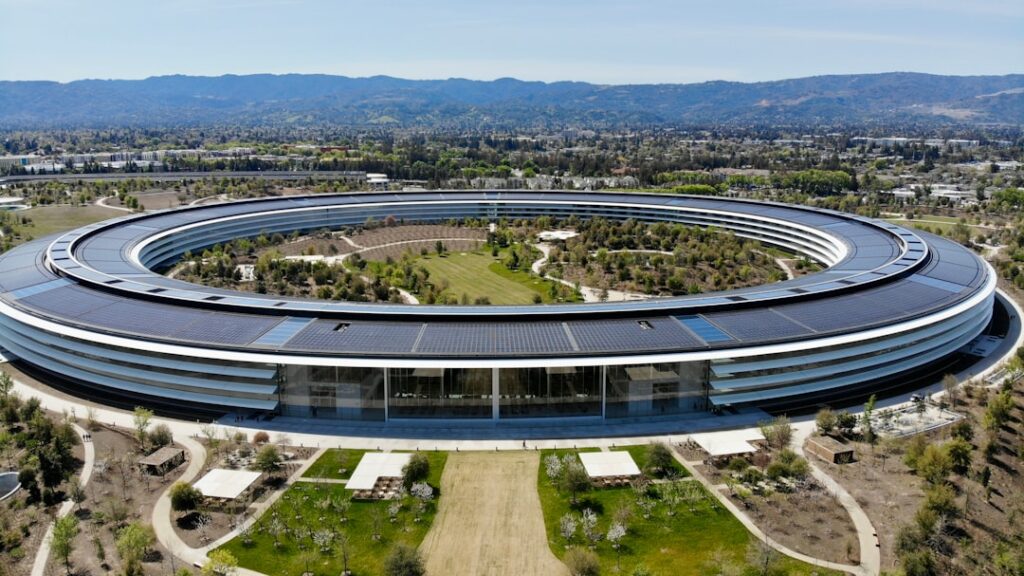
“The Code: Silicon Valley and the Remaking of America” delves into the intricate tapestry of innovation, entrepreneurship, and socio-economic transformation that has characterized Silicon Valley. This region, often synonymous with technological advancement, has not only reshaped the American economy but has also influenced cultural norms, political landscapes, and global dynamics. The narrative surrounding Silicon Valley is not merely one of technological triumph; it is also a story of ambition, disruption, and the relentless pursuit of progress.
As we explore the various dimensions of Silicon Valley’s impact, it becomes evident that its influence extends far beyond the confines of California, permeating every aspect of modern life. The book serves as a lens through which we can examine the forces that have propelled Silicon Valley to its current status as a global epicenter of innovation. It highlights the interplay between visionary entrepreneurs, venture capitalists, and a culture that celebrates risk-taking and failure as stepping stones to success.
By dissecting the elements that have contributed to the rise of this technological powerhouse, we can better understand how Silicon Valley has become a microcosm of broader American ideals—innovation, individualism, and the belief in the possibility of reinvention.
Key Takeaways
- Silicon Valley has played a significant role in reshaping American society and culture through its technological innovations and entrepreneurial spirit.
- The birth and evolution of Silicon Valley can be traced back to the development of the semiconductor industry and the founding of iconic companies like Intel and Hewlett-Packard.
- The impact of Silicon Valley on American society has been profound, influencing everything from the way we communicate and work to the products we use in our daily lives.
- Government and regulation have played a complex role in Silicon Valley, with debates over issues like privacy, antitrust, and intellectual property shaping the industry’s development.
- Silicon Valley’s influence on global technology and innovation has been far-reaching, with its companies and products shaping the digital landscape around the world.
The Birth and Evolution of Silicon Valley
Silicon Valley’s origins can be traced back to the post-World War II era when a confluence of factors set the stage for its emergence as a technological hub. The establishment of Stanford University in 1885 laid the groundwork for a culture of research and innovation. However, it was during the 1950s and 1960s that the region began to take shape as a center for technology.
The creation of the Stanford Research Park in 1951 marked a pivotal moment, as it provided a space for collaboration between academia and industry. This partnership fostered an environment where ideas could flourish, leading to groundbreaking developments in electronics and computing. As the decades progressed, Silicon Valley evolved from a collection of small tech firms into a global powerhouse.
The introduction of the microprocessor in the early 1970s by companies like Intel revolutionized computing, paving the way for personal computers and eventually the internet. The dot-com boom of the late 1990s further accelerated this evolution, as venture capital flooded into startups, leading to unprecedented growth and innovation. This period was characterized by a culture that embraced rapid iteration and disruption, setting the stage for the tech giants we know today—Apple, Google, Facebook, and others.
The Impact of Silicon Valley on American Society
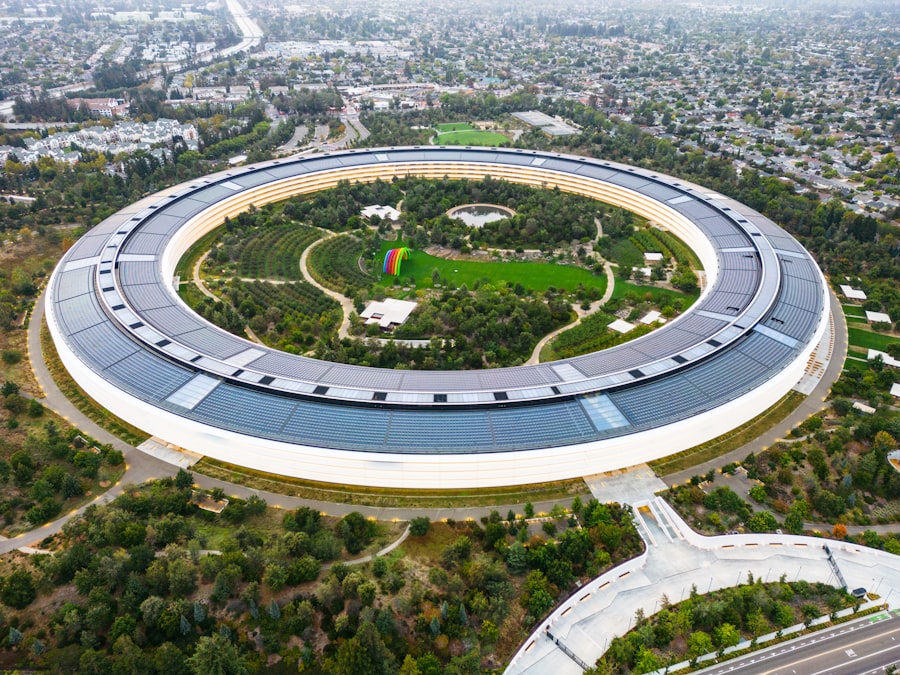
The influence of Silicon Valley on American society is profound and multifaceted. At its core, it has transformed how we communicate, work, and interact with one another.
Platforms like Facebook and Twitter have not only changed how individuals connect but have also played significant roles in shaping public discourse and political movements. The Arab Spring and Black Lives Matter are just two examples where social media catalyzed grassroots activism, demonstrating how technology can empower individuals and communities. Moreover, Silicon Valley has had a significant impact on the economy by creating millions of jobs and fostering entrepreneurship.
The tech sector has become a vital component of the American economy, contributing significantly to GDP growth. Startups have emerged as engines of innovation, driving competition and efficiency across various industries. However, this economic transformation has not come without challenges; it has also led to shifts in labor markets and raised questions about job security in an increasingly automated world.
The Role of Government and Regulation in Silicon Valley
The relationship between Silicon Valley and government is complex and often contentious. On one hand, government initiatives have played a crucial role in fostering innovation through funding research and development projects. For instance, DARPA (Defense Advanced Research Projects Agency) has been instrumental in funding early internet technologies that laid the groundwork for modern computing.
Additionally, government policies regarding intellectual property rights have provided a framework that encourages innovation while protecting creators’ interests. On the other hand, as tech companies have grown in power and influence, concerns about regulation have intensified. Issues such as data privacy, antitrust practices, and misinformation have prompted calls for greater oversight.
The rise of major tech companies has led to debates about their monopolistic tendencies and their impact on competition. Policymakers are grappling with how to strike a balance between fostering innovation and ensuring fair practices in an industry that evolves at breakneck speed.
The Influence of Silicon Valley on Global Technology and Innovation
Silicon Valley’s impact extends well beyond American borders; it has become a blueprint for technological innovation worldwide. The principles that underpin its success—risk-taking, collaboration, and an emphasis on disruptive technologies—have been adopted by emerging tech hubs across the globe. Cities like Bangalore in India, Shenzhen in China, and Tel Aviv in Israel have sought to replicate Silicon Valley’s model by fostering ecosystems that support startups and innovation.
Moreover, Silicon Valley companies are at the forefront of global technological advancements. From artificial intelligence to biotechnology, innovations developed in this region are shaping industries worldwide. Companies like Google are not only leaders in search technology but are also pioneering advancements in machine learning that have applications across various sectors—from healthcare to finance.
This global influence raises questions about ethical considerations in technology deployment and the responsibilities that come with such power.
The Dark Side of Silicon Valley: Inequality and Displacement

Economic Inequality and the Tech Boom
Despite its many successes, Silicon Valley is not without its darker undercurrents. One of the most pressing issues is economic inequality exacerbated by the tech boom. While tech companies have generated immense wealth for their founders and investors, this prosperity has not been evenly distributed among all residents of the region.
The Displacement of Lower-Income Residents
The influx of high-paying tech jobs has driven up housing costs, leading to displacement for lower-income residents who can no longer afford to live in their communities. This phenomenon is particularly evident in cities like San Francisco, where gentrification has transformed neighborhoods at an alarming rate. Long-time residents often find themselves pushed out as new developments cater to affluent tech workers.
As neighborhoods change rapidly, there is a growing concern about losing the diversity that once characterized these areas.
Silicon Valley’s Role in Shaping American Politics and Culture
Silicon Valley’s influence extends into the political realm as well. Tech companies have become significant players in American politics through lobbying efforts and campaign contributions. Their interests often align with issues such as net neutrality, data privacy regulations, and immigration policies that affect their workforce.
The power wielded by these companies raises questions about democratic accountability and the extent to which corporate interests can shape public policy. Culturally, Silicon Valley has fostered a mindset that values innovation above all else—a perspective that permeates various aspects of American life. The “fail fast” mentality encourages individuals to embrace risk-taking as a pathway to success.
This cultural shift has implications for education systems, workplace dynamics, and even personal relationships. As technology continues to evolve rapidly, society grapples with how to adapt to these changes while maintaining ethical standards and social responsibility.
The Future of Silicon Valley and Its Impact on America
Looking ahead, the future of Silicon Valley remains uncertain yet filled with potential. As emerging technologies such as quantum computing and biotechnology gain traction, new opportunities for innovation will arise. However, these advancements will also bring challenges that require careful consideration—particularly regarding ethical implications and societal impacts.
The ongoing discourse surrounding regulation will play a crucial role in shaping Silicon Valley’s trajectory. Policymakers must navigate the delicate balance between fostering innovation and ensuring accountability in an industry that holds significant power over daily life. As we move forward into an increasingly digital future, understanding Silicon Valley’s role will be essential for addressing broader societal issues such as inequality, privacy concerns, and the ethical use of technology.
In conclusion, “The Code: Silicon Valley and the Remaking of America” encapsulates a narrative that is both inspiring and cautionary. It serves as a reminder that while innovation can drive progress, it also necessitates vigilance regarding its broader implications for society at large. As we continue to witness the evolution of this dynamic region, it is imperative to engage critically with its impact on America and beyond.
In “The Code: Silicon Valley and the Remaking of America,” Margaret O’Mara delves into the intricate history and evolution of Silicon Valley, exploring how it became a powerhouse of innovation and economic transformation. For readers interested in further exploring the themes of technological advancement and its societal impacts, the article titled “Hello World” on Hellread provides an insightful perspective. This piece examines the broader implications of technology on global communication and connectivity, echoing some of the transformative themes discussed by O’Mara. You can read the article by following this link.
FAQs
What is “The Code: Silicon Valley and the Remaking of America” about?
“The Code: Silicon Valley and the Remaking of America” is a book written by Margaret O’Mara that explores the history and impact of Silicon Valley on American society and economy.
Who is the author of “The Code: Silicon Valley and the Remaking of America”?
The author of “The Code: Silicon Valley and the Remaking of America” is Margaret O’Mara, a historian and professor at the University of Washington.
What are some of the key themes discussed in “The Code: Silicon Valley and the Remaking of America”?
Some of the key themes discussed in the book include the rise of Silicon Valley as a center of technological innovation, its impact on American culture and economy, and the role of key individuals and companies in shaping the region.
What is the significance of Silicon Valley in the context of American history?
Silicon Valley is significant in American history as a hub of technological innovation and entrepreneurship, and has played a major role in shaping the modern economy and society.
What are some of the key takeaways from “The Code: Silicon Valley and the Remaking of America”?
Some key takeaways from the book include the importance of technological innovation in shaping the modern world, the impact of Silicon Valley on American society, and the complex relationship between technology and society.




