

Inflammation is a complex biological response of the body to harmful stimuli, such as pathogens, damaged cells, or irritants. It is a protective mechanism that involves the activation of immune cells, the release of signaling molecules, and changes in blood flow. While acute inflammation is a necessary and beneficial response that helps the body heal, chronic inflammation can lead to a host of health issues.
Chronic inflammation is often insidious, developing over time and contributing to various diseases, including heart disease, diabetes, cancer, and autoimmune disorders. The body’s immune system, when persistently activated, can begin to attack its own tissues, leading to a cycle of damage and further inflammation. The impact of chronic inflammation on health is profound.
Research has shown that it plays a significant role in the pathogenesis of many diseases. For instance, in cardiovascular disease, inflammation can lead to the formation of plaques in arteries, increasing the risk of heart attacks and strokes. Similarly, in conditions like rheumatoid arthritis, chronic inflammation results in joint damage and debilitating pain.
Understanding the mechanisms behind inflammation is crucial for developing strategies to mitigate its effects, particularly through lifestyle choices such as diet and exercise.
Key Takeaways
- Inflammation is a natural response in the body, but chronic inflammation can lead to various health issues.
- The anti-inflammatory diet focuses on consuming whole, unprocessed foods and avoiding processed and sugary foods.
- Key foods to include in an anti-inflammatory diet are fruits, vegetables, healthy fats, and lean proteins.
- Foods to avoid in an anti-inflammatory diet include processed foods, refined sugars, and trans fats.
- Creating action plans for implementing the anti-inflammatory diet involves meal prepping and setting realistic goals for long-term success.
The Principles of the Anti-Inflammatory Diet
Key Components of the Anti-Inflammatory Diet
Foods rich in antioxidants, omega-3 fatty acids, and fiber are essential components of the anti-inflammatory diet. A variety of colorful fruits and vegetables are packed with vitamins, minerals, and phytochemicals that combat oxidative stress and inflammation. Healthy fats, particularly those found in fish, nuts, and olive oil, are also emphasized for their anti-inflammatory properties.
Whole Grains and Gut Health
The diet encourages whole grains over refined carbohydrates, as whole grains provide essential nutrients and fiber that help regulate blood sugar levels and support gut health. This approach helps to create a balanced diet that not only reduces inflammation but also promotes overall health.
Creating a Balanced Diet
By adhering to the principles of the anti-inflammatory diet, individuals can create a balanced diet that supports their immune system and reduces the risk of chronic diseases. By focusing on whole, nutrient-dense foods and minimizing processed items, individuals can promote overall health and well-being.
Key Foods to Include in an Anti-Inflammatory Diet
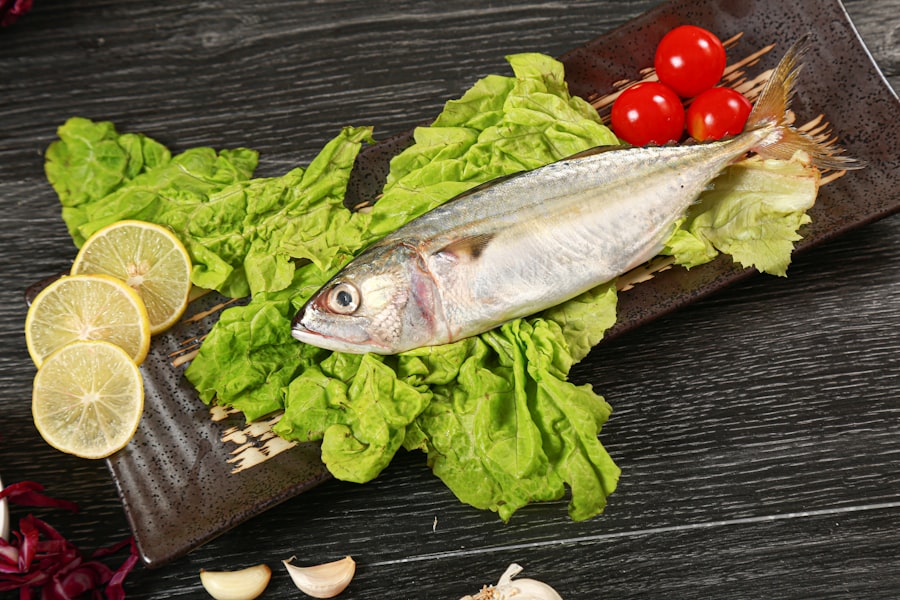
Incorporating specific foods into an anti-inflammatory diet can significantly enhance its effectiveness. Fatty fish such as salmon, mackerel, and sardines are excellent sources of omega-3 fatty acids, which have been shown to lower levels of inflammatory markers in the body. These fish are rich in EPA and DHA, two types of omega-3s that play a crucial role in reducing inflammation and supporting heart health.
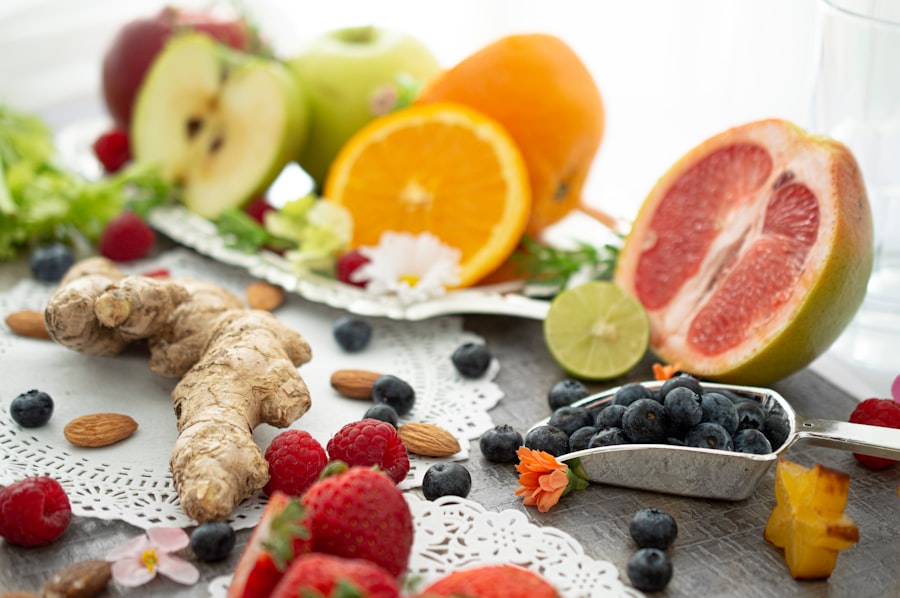
Regular consumption of fatty fish can lead to improved cardiovascular outcomes and reduced joint pain in individuals with inflammatory conditions. Fruits and vegetables are also central to an anti-inflammatory diet. Berries, such as blueberries, strawberries, and blackberries, are particularly beneficial due to their high levels of antioxidants like anthocyanins.
These compounds help neutralize free radicals and reduce oxidative stress, which is closely linked to inflammation. Leafy greens like spinach and kale are packed with vitamins A, C, and K, as well as minerals like magnesium that support immune function. Additionally, spices such as turmeric and ginger contain potent anti-inflammatory compounds; curcumin in turmeric has been extensively studied for its ability to inhibit inflammatory pathways in the body.
Foods to Avoid in an Anti-Inflammatory Diet
While there are numerous foods that can help combat inflammation, it is equally important to recognize those that can exacerbate it. Processed foods high in refined sugars and unhealthy fats are among the primary culprits contributing to chronic inflammation. Sugary snacks, sodas, and fast food often contain trans fats and high-fructose corn syrup, both of which have been linked to increased inflammatory markers in the body.
These ingredients not only promote weight gain but also disrupt metabolic processes that can lead to insulin resistance and other health issues. Another category of foods to avoid includes those high in saturated fats and certain oils. Red meat and processed meats like bacon and sausage can trigger inflammatory responses due to their high saturated fat content.
Additionally, vegetable oils such as corn oil and soybean oil are often high in omega-6 fatty acids, which can promote inflammation when consumed in excess relative to omega-3 fatty acids. By minimizing these foods in one’s diet and opting for healthier alternatives, individuals can significantly reduce their risk of chronic inflammation and its associated health problems.
Creating Action Plans for Implementing the Anti-Inflammatory Diet
Transitioning to an anti-inflammatory diet requires careful planning and commitment. One effective strategy is to start by gradually incorporating more anti-inflammatory foods into daily meals while simultaneously reducing the intake of pro-inflammatory items. This can be achieved by setting specific goals for each week—such as adding a serving of fatty fish or leafy greens to meals or replacing sugary snacks with fruits or nuts.
Keeping a food diary can also be beneficial for tracking progress and identifying patterns that may need adjustment. Meal prepping is another practical approach to ensure adherence to an anti-inflammatory diet. By preparing meals in advance, individuals can avoid the temptation of reaching for unhealthy options when hunger strikes.
Planning weekly menus that include a variety of anti-inflammatory foods not only simplifies grocery shopping but also encourages creativity in the kitchen.
Incorporating Exercise and Stress Management into the Anti-Inflammatory Lifestyle
An anti-inflammatory lifestyle extends beyond dietary choices; it also encompasses physical activity and stress management techniques. Regular exercise has been shown to have profound effects on reducing inflammation by promoting circulation and enhancing immune function. Activities such as walking, swimming, cycling, or yoga can help lower levels of inflammatory markers while improving overall physical fitness.
Engaging in at least 150 minutes of moderate-intensity aerobic activity each week is recommended for optimal health benefits. Stress management is equally crucial in combating inflammation. Chronic stress activates the body’s fight-or-flight response, leading to increased production of cortisol and other stress hormones that can promote inflammation over time.
Techniques such as mindfulness meditation, deep breathing exercises, or even simple practices like spending time in nature can help mitigate stress levels. Incorporating these practices into daily routines not only supports mental well-being but also contributes to a healthier inflammatory response.
Recipes and Meal Plans for the Anti-Inflammatory Diet
Creating delicious meals that align with an anti-inflammatory diet is both enjoyable and rewarding. A sample meal plan might include a breakfast of oatmeal topped with fresh berries and a sprinkle of cinnamon—both known for their anti-inflammatory properties. For lunch, a quinoa salad with mixed greens, cherry tomatoes, avocado, chickpeas, and a dressing made from olive oil and lemon juice provides a nutrient-dense option rich in healthy fats and fiber.
Dinner could feature grilled salmon served with steamed broccoli drizzled with olive oil and garlic alongside sweet potato mash seasoned with turmeric. Snacks throughout the day might include raw almonds or carrot sticks with hummus—both excellent choices for maintaining energy levels while adhering to an anti-inflammatory diet. By experimenting with various recipes that highlight these ingredients, individuals can discover new favorites while reaping the benefits of an anti-inflammatory lifestyle.
Long-Term Benefits and Success Stories from the Anti-Inflammatory Diet
The long-term benefits of adopting an anti-inflammatory diet are supported by a growing body of research linking dietary choices with improved health outcomes. Individuals who consistently follow this dietary approach often report enhanced energy levels, better weight management, improved mood stability, and reduced symptoms associated with chronic conditions such as arthritis or cardiovascular disease. Furthermore, studies have indicated that adherence to an anti-inflammatory diet may lower the risk of developing chronic diseases over time.
Success stories abound from those who have embraced this lifestyle change. Many individuals have shared their journeys through blogs or social media platforms, detailing how they transformed their health by focusing on anti-inflammatory foods while eliminating harmful ones. These narratives often highlight significant improvements in quality of life—ranging from reduced pain levels to increased mobility—demonstrating the profound impact that dietary choices can have on overall well-being.
As more people become aware of the connection between diet and inflammation, the anti-inflammatory diet continues to gain traction as a viable strategy for promoting long-term health.
In exploring the benefits of “The Anti-Inflammatory Diet and Action Plans” by Dorothy Calimeris and Sondi Bruner, readers may find it beneficial to delve into related resources that further expand on dietary strategies for reducing inflammation.
This article complements the book by providing additional practical tips and scientific insights. For more information, you can read the full article here.
FAQs
What is the anti-inflammatory diet?
The anti-inflammatory diet is a way of eating that focuses on consuming foods that help reduce inflammation in the body. This diet emphasizes whole, unprocessed foods such as fruits, vegetables, lean proteins, healthy fats, and whole grains, while minimizing the intake of processed foods, refined sugars, and unhealthy fats.
What are the benefits of following an anti-inflammatory diet?
Following an anti-inflammatory diet may help reduce the risk of chronic diseases such as heart disease, diabetes, and certain types of cancer. It may also help alleviate symptoms of inflammatory conditions such as arthritis, asthma, and inflammatory bowel disease. Additionally, this diet may promote overall health and well-being by supporting a healthy immune system and reducing oxidative stress.
What foods should be included in an anti-inflammatory diet?
Foods that should be included in an anti-inflammatory diet include fruits, vegetables, leafy greens, nuts, seeds, fatty fish, whole grains, and healthy fats such as olive oil and avocado. These foods are rich in antioxidants, vitamins, and minerals that help reduce inflammation in the body.
What foods should be avoided in an anti-inflammatory diet?
Foods that should be avoided in an anti-inflammatory diet include processed foods, refined sugars, trans fats, and excessive amounts of red meat. These foods can contribute to inflammation in the body and may increase the risk of chronic diseases.
Are there any action plans or meal plans available for the anti-inflammatory diet?
Yes, there are action plans and meal plans available for the anti-inflammatory diet. These plans typically include guidelines for choosing anti-inflammatory foods, as well as recipes and meal ideas to help individuals incorporate these foods into their daily diet. These plans may also provide tips for reducing inflammation through lifestyle changes such as stress management and regular physical activity.




