
The Age of Kali, published in 1998, is a compelling collection of essays by the renowned British historian and travel writer William Dalrymple. This work delves into the complexities of contemporary India, a nation grappling with the remnants of its colonial past while navigating the tumultuous waters of modernity. The title itself evokes a sense of foreboding, referencing the Hindu goddess Kali, who embodies destruction and transformation.
Through a series of vivid narratives, Dalrymple captures the essence of a country in flux, where ancient traditions coexist with the forces of globalization and change. Dalrymple’s exploration is not merely an academic exercise; it is a deeply personal journey that reflects his own experiences and observations as a foreigner in India. The essays are rich with detail, painting a portrait of a land that is both beautiful and chaotic.
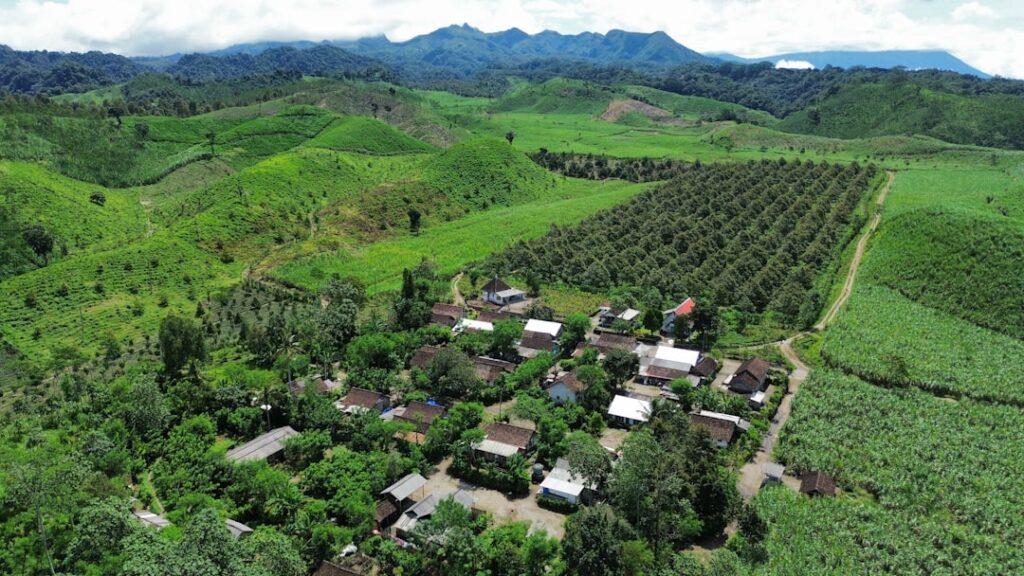
From the bustling streets of Delhi to the serene landscapes of rural India, Dalrymple’s prose invites readers to engage with the sights, sounds, and complexities of a nation that defies easy categorization. The Age of Kali serves as both a travelogue and a socio-political commentary, offering insights into the challenges faced by India at the turn of the millennium.
Key Takeaways
- The Age of Kali is a book by William Dalrymple that explores the social, political, and cultural landscape of India in the 1990s.
- William Dalrymple is a Scottish historian and writer known for his works on India and the Middle East, drawing from his personal experiences and extensive research.
- The Age of Kali delves into themes such as religious fundamentalism, political corruption, environmental degradation, and the impact of globalization on Indian society.
- The book received mixed reviews, with some praising its insightful analysis and others critiquing its portrayal of India as overly negative and sensationalized.
- Despite its mixed reception, The Age of Kali has had a lasting impact on discussions about contemporary India and continues to be a significant work in Dalrymple’s oeuvre.
William Dalrymple: The Author and his Background
Early Life and Education
Born in 1965 in Scotland, William Dalrymple has established himself as one of the foremost chroniclers of India’s history and culture. His upbringing in a family with deep roots in the British colonial experience has undoubtedly shaped his perspective on India. Educated at Trinity College, Cambridge, Dalrymple’s academic background in history laid the groundwork for his later explorations into the subcontinent’s past and present.
A Passion for India
His early travels to India ignited a passion for the country that would inform much of his writing. Dalrymple’s career began with his first book, In Xanadu, which chronicled his journey along the Silk Road.
A Unique Perspective
His ability to weave historical narratives with personal anecdotes allows readers to connect with the subject matter on multiple levels. In The Age of Kali, Dalrymple draws upon his extensive knowledge of Indian history and culture, providing context for the issues he addresses. His unique perspective as a foreign observer lends an additional layer of complexity to his analysis, making his insights both engaging and thought-provoking.
Themes and Topics Explored in The Age of Kali
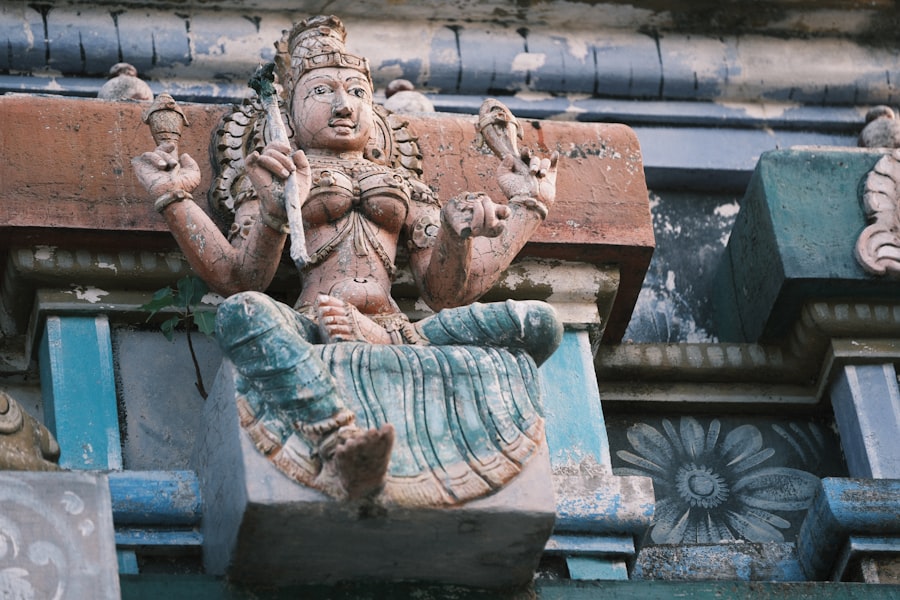
The Age of Kali is rich with themes that reflect the multifaceted nature of Indian society. One prominent theme is the tension between tradition and modernity. Dalrymple examines how globalization has impacted various aspects of Indian life, from economic practices to cultural expressions.
He highlights the struggles faced by individuals caught between adhering to age-old customs and embracing new ways of living. This theme resonates throughout the essays, as Dalrymple illustrates how different communities navigate these competing forces. Another significant topic explored in The Age of Kali is religious conflict and its implications for national identity.
Dalrymple delves into the complexities of communal tensions in India, particularly between Hindus and Muslims. He provides historical context for these conflicts, tracing their roots back to colonial policies that exacerbated divisions among communities. Through poignant narratives, he sheds light on the human cost of such strife, offering personal stories that evoke empathy and understanding.
This exploration serves as a reminder that behind political rhetoric lies the lived experience of individuals who are often caught in the crossfire.
Critique and Reception of The Age of Kali
Upon its release, The Age of Kali garnered significant attention from both critics and readers alike. Many praised Dalrymple’s ability to articulate the complexities of contemporary India with clarity and nuance. His vivid descriptions and engaging storytelling captivated audiences, drawing them into a world that is often misunderstood or oversimplified by outsiders.
Critics lauded his skillful blending of personal narrative with historical analysis, which provided depth to his observations. However, some critiques emerged regarding Dalrymple’s position as a foreign observer. Detractors argued that his perspective might lack the authenticity that comes from lived experience within Indian society.
They contended that while he offers valuable insights, there remains an inherent limitation in understanding a culture from an outsider’s viewpoint. Despite these criticisms, The Age of Kali has maintained its status as an essential read for those seeking to comprehend the intricacies of modern India.
Impact and Influence of The Age of Kali
The Age of Kali has had a lasting impact on both literary and academic circles. It has inspired a new generation of writers and scholars to explore India through a similar lens—one that combines personal experience with historical context. Dalrymple’s work has encouraged others to engage with complex narratives that challenge stereotypes and promote a deeper understanding of cultural dynamics.
Moreover, The Age of Kali has contributed to broader discussions about globalization and its effects on traditional societies. As India continues to evolve in response to global pressures, Dalrymple’s insights remain relevant for understanding contemporary issues such as economic disparity, cultural homogenization, and religious conflict. His work serves as a reminder that literature can play a crucial role in fostering dialogue about pressing social issues.
Dalrymple’s Writing Style and Approach in The Age of Kali
Transporting Readers to the Heart of India
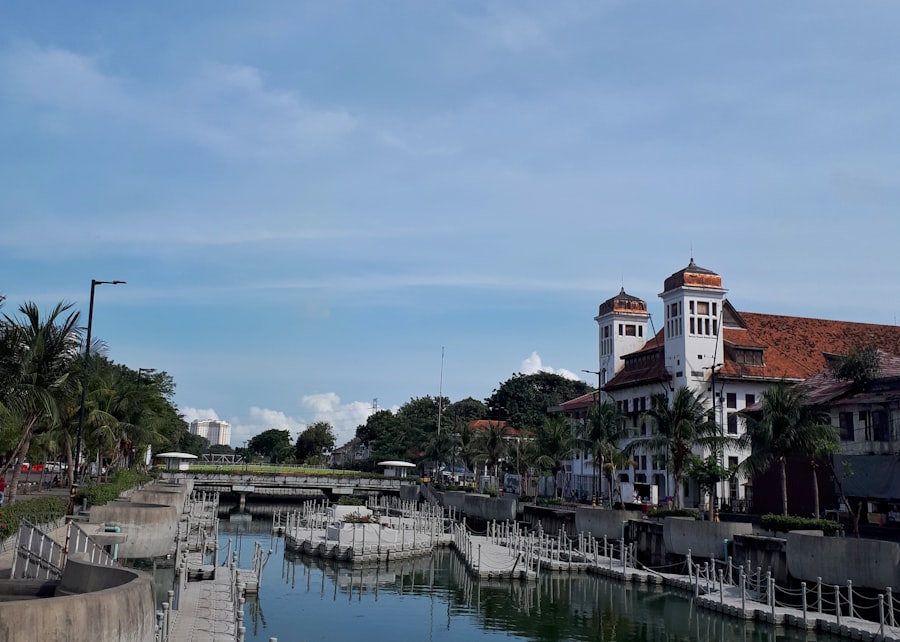
Through his descriptive prose, Dalrymple possesses an uncanny ability to transport readers to the heart of India. Whether he is recounting a bustling market scene or reflecting on the quietude of rural landscapes, his attention to detail creates an immersive reading experience.
A Rich Tapestry of Sensory Language
Dalrymple’s use of sensory language allows readers to not only visualize but also feel the pulse of life in India. His evocative descriptions are woven together with a narrative structure that intertwines personal anecdotes with historical analysis, drawing connections between past events and contemporary issues.
A Unique Blend of Humor and Insight
Dalrymple’s storytelling is often infused with humor and irony, adding depth to his observations while making complex topics more accessible. This blend of personal reflection and scholarly insight distinguishes The Age of Kali from other travel literature, offering a rich and nuanced understanding of India’s socio-political landscape.
Comparisons and Contrasts with Dalrymple’s Other Works
When comparing The Age of Kali to Dalrymple’s other works, such as City of Djinns or Nine Lives, distinct thematic continuities emerge alongside notable differences. City of Djinns focuses primarily on Delhi’s rich history through a series of personal encounters with its inhabitants, while Nine Lives explores various spiritual traditions across India through individual narratives. Both works share Dalrymple’s signature style—an engaging blend of history and personal experience—but they differ in scope and focus.
In contrast to these earlier works, The Age of Kali adopts a more critical lens towards contemporary issues facing India at the time. While City of Djinns offers a more romanticized view of Delhi’s past, The Age of Kali confronts pressing social challenges head-on, including religious strife and economic disparity. This shift reflects Dalrymple’s evolving perspective as he grapples with the realities of modern Indian society while still maintaining his characteristic narrative flair.
The Age of Kali: Continuing Relevance and Significance
The Age of Kali remains relevant today as it addresses themes that continue to resonate within contemporary discourse on globalization, identity, and conflict. As India navigates its place in an increasingly interconnected world, Dalrymple’s insights provide valuable context for understanding ongoing challenges such as economic inequality and communal tensions.
Furthermore, The Age of Kali serves as an important reminder of the power of storytelling in fostering empathy and understanding across cultural divides. In an era marked by polarization and misunderstanding, Dalrymple’s work invites readers to engage with diverse perspectives and appreciate the complexities inherent in any society. By illuminating the human experiences behind political narratives, The Age of Kali continues to inspire dialogue about identity, belonging, and the shared struggles that unite us all.
In a related article to William Dalrymple’s The Age of Kali, the blog post “Hello World” on Hellread.com discusses the impact of globalization on traditional societies. The author explores how modernization and technological advancements have led to cultural shifts and challenges in maintaining age-old traditions. This article provides a thought-provoking perspective on the themes of change and continuity in the context of globalization, which resonates with Dalrymple’s exploration of India’s transformation in The Age of Kali. To read more, visit here.
FAQs
What is the Age of Kali?
The Age of Kali, also known as the Kali Yuga, is the last of the four stages that the world goes through as part of the cycle of Yugas in Hindu cosmology. It is believed to be a time of great moral and societal decline.
What are the characteristics of the Age of Kali?
According to Hindu scriptures, the Age of Kali is characterized by widespread corruption, greed, materialism, and moral decay. It is believed to be a time of darkness and ignorance, where virtue and righteousness are in decline.
What is the significance of the Age of Kali in Hinduism?
In Hinduism, the concept of the Age of Kali serves as a reminder of the cyclical nature of time and the transient nature of human existence. It is believed that the world goes through these cycles of Yugas in an endless loop.
How does the concept of the Age of Kali relate to modern society?
Some scholars and thinkers have drawn parallels between the characteristics of the Age of Kali and the state of modern society, pointing to issues such as moral decline, environmental degradation, and social unrest as evidence of the Kali Yuga’s influence.
What is the author’s perspective on the Age of Kali?
In the article “The Age of Kali” by William Dalrymple, the author explores the concept of the Kali Yuga and its relevance to contemporary India. Dalrymple offers insights into how the idea of the Age of Kali is interpreted and experienced in modern times.




