

Web design is a multifaceted discipline that combines creativity, technology, and user psychology to create visually appealing and functional websites. It is not merely about aesthetics; it encompasses a wide range of elements, including layout, color schemes, typography, and navigation. The primary goal of web design is to provide users with an engaging experience while ensuring that the website serves its intended purpose effectively.
As the digital landscape continues to evolve, the art of web design has become increasingly sophisticated, requiring designers to stay abreast of emerging trends and technologies. The significance of web design extends beyond the visual appeal of a site. A well-designed website can enhance brand identity, improve user engagement, and ultimately drive conversions.
In an era where first impressions are often formed within seconds, the importance of a thoughtfully crafted web presence cannot be overstated. As businesses and individuals alike recognize the value of a strong online presence, the demand for skilled web designers continues to grow, making it a vital field in today’s digital economy.
Key Takeaways
- Web design is the process of creating websites, including layout, content, and graphics.
- User experience (UX) and user interface (UI) are crucial for creating a positive interaction between the user and the website.
- Typography and color play a significant role in conveying the brand message and creating a visually appealing website.
- Responsive and accessible designs ensure that the website is functional and accessible across different devices and for all users.
- Mastering CSS and HTML is essential for creating well-structured and visually appealing web designs.
Understanding User Experience and User Interface
Understanding User Experience (UX)
User Experience (UX) is a crucial aspect of web design that focuses on the overall experience a user has while navigating a website. It encompasses everything from ease of use to emotional responses elicited during the interaction. A positive UX is achieved through thorough research, user testing, and iterative design processes that prioritize the needs and preferences of the target audience. For instance, a website that allows users to find information quickly and intuitively will likely result in higher satisfaction rates and increased return visits.
It involves the design of these components to ensure they are visually appealing and functionally effective. A well-designed UI not only enhances the aesthetic quality of a site but also contributes significantly to its usability.
The Interplay between UX and UI
Understanding the interplay between UX and UI is essential for creating websites that are not only beautiful but also functional and user-friendly. A well-designed UI can enhance the overall UX, while a poorly designed UI can lead to a negative experience. For example, a button that is too small or poorly placed can frustrate users, leading to a negative experience. By prioritizing both UX and UI, web designers can create websites that meet the needs of their target audience and provide a seamless interaction.
The Importance of Typography and Color in Web Design
Typography and color are fundamental elements in web design that significantly influence how content is perceived and understood by users. Typography involves the selection of fonts, sizes, spacing, and line lengths to create a readable and visually appealing text layout. The choice of typeface can convey different emotions and messages; for instance, serif fonts often evoke a sense of tradition and reliability, while sans-serif fonts tend to feel modern and clean.
Additionally, proper typographic hierarchy—using varying font sizes and weights—helps guide users through content, making it easier for them to digest information. Color plays an equally vital role in web design by affecting mood, brand recognition, and user behavior. Different colors can evoke specific feelings; for example, blue is often associated with trust and professionalism, making it a popular choice for corporate websites.
Moreover, color schemes can enhance visual harmony and create a cohesive look across a site. Designers must also consider color contrast to ensure readability; text that blends into the background can lead to frustration and disengagement. By thoughtfully integrating typography and color into their designs, web designers can create an engaging atmosphere that resonates with users while effectively communicating the brand’s message.
Creating Responsive and Accessible Designs
In today’s digital landscape, creating responsive designs is essential for ensuring that websites function well across various devices and screen sizes. Responsive web design (RWD) employs fluid grids, flexible images, and media queries to adapt layouts dynamically based on the user’s device. This approach not only enhances user experience but also improves search engine optimization (SEO), as search engines favor mobile-friendly sites.
For example, a responsive website will automatically adjust its layout when viewed on a smartphone or tablet, providing an optimal viewing experience without requiring users to zoom or scroll excessively. Accessibility is another critical aspect of web design that ensures all users, including those with disabilities, can navigate and interact with websites effectively. This involves adhering to guidelines such as the Web Content Accessibility Guidelines (WCAG), which provide recommendations for making web content more accessible.
Implementing features like alt text for images, keyboard navigation options, and sufficient color contrast can significantly improve accessibility. By prioritizing both responsiveness and accessibility in their designs, web designers can create inclusive experiences that cater to a diverse audience while complying with legal standards.
Mastering CSS and HTML for Web Design
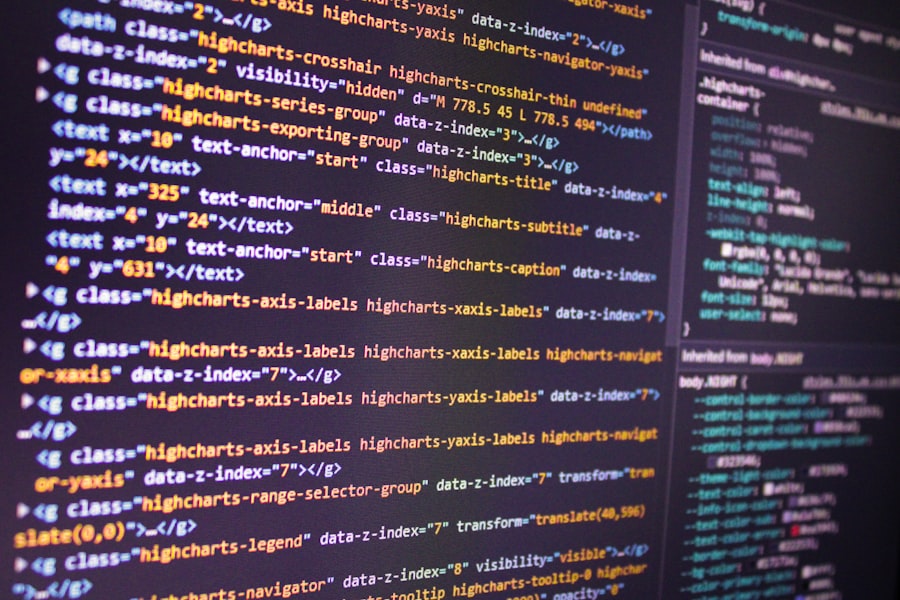
Cascading Style Sheets (CSS) and Hypertext Markup Language (HTML) are the foundational technologies behind web design. HTML provides the structure of a webpage by defining elements such as headings, paragraphs, images, and links. It serves as the backbone of any website, allowing designers to organize content logically.
Mastery of HTML is crucial for web designers as it enables them to create semantic markup that enhances SEO and improves accessibility. CSS complements HTML by controlling the visual presentation of web pages. It allows designers to apply styles such as colors, fonts, spacing, and layout configurations consistently across multiple pages.
Advanced CSS techniques such as Flexbox and Grid Layout enable designers to create complex layouts with ease while maintaining responsiveness. Furthermore, CSS preprocessors like SASS or LESS offer additional functionality through variables and nesting, streamlining the styling process. By mastering both CSS and HTML, web designers can build visually stunning websites that are not only aesthetically pleasing but also structurally sound.
Incorporating Animation and Interactivity in Web Design

The Power of Subtle Animations
Subtle animations can guide users through a website by drawing their focus to important elements or transitions between sections. For instance, hover effects on buttons can provide immediate feedback when users interact with them, reinforcing their actions and encouraging further exploration.
Interactive Elements for Enhanced Engagement
Interactive elements such as sliders, forms, and quizzes can significantly enhance user engagement by inviting participation rather than passive consumption of content. These features not only make websites more enjoyable but also encourage users to spend more time on a site, increasing the likelihood of conversions.
Striking a Balance in Web Design
However, it is essential for designers to strike a balance; excessive animations or overly complex interactions can lead to confusion or frustration. By thoughtfully incorporating animation and interactivity into their designs, web designers can create memorable experiences that resonate with users while achieving their business objectives.
Designing for Different Devices and Screen Sizes
The proliferation of devices with varying screen sizes has made it imperative for web designers to adopt a mobile-first approach in their design processes. This strategy involves designing for smaller screens first before scaling up for larger devices like tablets or desktops. By prioritizing mobile design, designers can ensure that essential content is accessible without overwhelming users with unnecessary information or features.
For example, menus may need to be condensed into hamburger icons on mobile devices to save space while still providing easy access to essential links. Additionally, images should be optimized for different resolutions to ensure fast loading times without sacrificing quality.
By embracing responsive design principles tailored for diverse devices and screen sizes, web designers can create versatile websites that deliver consistent experiences across all platforms.
The Future of Web Design: Trends and Innovations
As technology continues to advance at an unprecedented pace, the future of web design promises exciting innovations that will reshape how we interact with digital content. One notable trend is the increasing use of artificial intelligence (AI) in design processes. AI-powered tools can analyze user behavior data to provide insights into preferences and trends, enabling designers to create more personalized experiences tailored to individual users’ needs.
Another emerging trend is the rise of voice user interfaces (VUIs), which allow users to navigate websites using voice commands rather than traditional input methods. This shift towards voice interaction necessitates new design considerations focused on conversational interfaces that facilitate seamless communication between users and websites. Additionally, augmented reality (AR) and virtual reality (VR) technologies are beginning to find their way into web design, offering immersive experiences that blur the lines between physical and digital environments.
As these trends continue to evolve alongside advancements in technology, web designers must remain adaptable and open-minded about integrating new tools and methodologies into their workflows. The future of web design will undoubtedly be characterized by greater interactivity, personalization, and inclusivity as designers strive to meet the ever-changing demands of users in an increasingly digital world.
If you enjoyed reading “The Art of Web Design” by Eric Meyer, you may also be interested in checking out the article “Hello World” on hellread.com. This article delves into the basics of programming and web development, providing valuable insights for beginners looking to enhance their skills in the digital realm. It complements Meyer’s discussion on the creative aspects of web design by offering a more technical perspective on building and optimizing websites.
FAQs
What is web design?
Web design is the process of creating the visual and functional elements of a website. It involves the use of various design principles, coding languages, and graphic design techniques to create a user-friendly and visually appealing website.
What are the key principles of web design?
Key principles of web design include layout, color theory, typography, and user experience. These principles help designers create websites that are visually appealing, easy to navigate, and effectively communicate the intended message.
What are the essential skills for web design?
Essential skills for web design include proficiency in HTML, CSS, and JavaScript, as well as a strong understanding of design principles, user experience, and graphic design. Additionally, knowledge of responsive design and accessibility standards is important for creating inclusive and user-friendly websites.
What is the role of a web designer?
A web designer is responsible for creating the visual and functional elements of a website. This includes designing layouts, selecting color schemes, choosing typography, and ensuring the website is user-friendly and accessible. Web designers may also work with developers to implement their designs using coding languages such as HTML, CSS, and JavaScript.
What are some best practices for web design?
Some best practices for web design include prioritizing user experience, creating responsive designs that work well on various devices, optimizing website performance, and ensuring accessibility for all users. It is also important to stay updated on current design trends and technologies to create modern and relevant websites.




