
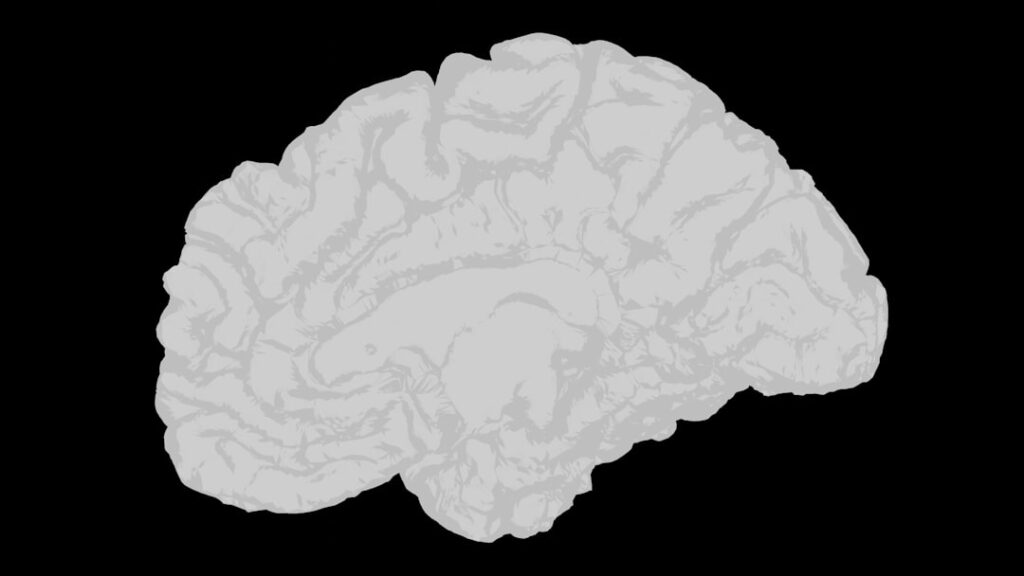
“The Whole-Brain Child,” authored by Daniel J. Siegel and Tina Payne Bryson, presents a groundbreaking approach to understanding child development through the lens of neuroscience. This book emphasizes the importance of integrating various aspects of brain function to foster healthy emotional and cognitive growth in children.
By exploring how different parts of the brain contribute to behavior and emotional regulation, Siegel and Bryson provide parents and caregivers with practical strategies to nurture their children’s development holistically. The authors argue that by understanding the brain’s architecture, parents can better support their children in navigating the complexities of emotions, relationships, and learning. The premise of “The Whole-Brain Child” is rooted in the idea that a child’s brain is not fully developed at birth and continues to evolve through experiences and interactions.
The authors highlight that the brain comprises two hemispheres—left and right—each responsible for different functions. The left hemisphere is often associated with logic, language, and analytical thinking, while the right hemisphere is linked to creativity, intuition, and emotional processing.
Key Takeaways
- The Whole-Brain Child introduces a holistic approach to parenting that integrates brain science and child development.
- Understanding the brain and child development is essential for effective parenting and nurturing a child’s emotional and cognitive growth.
- Integrating the left and right hemispheres of the brain through various strategies helps children develop emotional regulation and problem-solving skills.
- Strategies for parenting the whole-brain child include promoting empathy, teaching mindfulness, and fostering secure attachment.
- Embracing emotions and building resilience in children involves validating their feelings, teaching them to identify emotions, and helping them develop coping skills.
Understanding the Brain and Child Development
To appreciate the principles outlined in “The Whole-Brain Child,” it is essential to understand the basic structure and function of the brain as it relates to child development. The human brain is a complex organ composed of various regions that work together to facilitate thought, emotion, and behavior. During early childhood, the brain undergoes rapid growth and development, with neural connections forming at an astonishing rate.
This period is critical for establishing the foundation for future learning, emotional regulation, and social skills. Neuroscience research has shown that experiences during early childhood significantly influence brain development. For instance, positive interactions with caregivers can strengthen neural pathways associated with emotional regulation and social competence.
Conversely, adverse experiences or neglect can hinder development, leading to difficulties in emotional processing and behavioral issues later in life. Understanding this dynamic allows parents to create nurturing environments that promote healthy brain development, emphasizing the importance of responsive caregiving and meaningful interactions.
Integrating the Left and Right Hemispheres
One of the central themes of “The Whole-Brain Child” is the integration of the left and right hemispheres of the brain. Siegel and Bryson argue that a balanced approach to parenting involves fostering both logical reasoning and emotional understanding in children. The left hemisphere’s strengths in language and analytical thinking can be complemented by the right hemisphere’s capabilities in empathy and creativity.
This integration is crucial for helping children navigate their emotions and develop strong interpersonal skills. For example, when a child experiences frustration or disappointment, a parent can engage both hemispheres by first acknowledging the child’s feelings—an approach rooted in right-brain empathy—before guiding them through problem-solving strategies that involve logical reasoning from the left hemisphere. This dual approach not only helps children process their emotions but also equips them with tools to handle similar situations in the future.
By consciously integrating these two aspects of brain function, parents can foster resilience and adaptability in their children.
Strategies for Parenting the Whole-Brain Child
Siegel and Bryson provide a variety of practical strategies for parents seeking to implement the whole-brain approach in their parenting practices. One effective strategy is to engage in storytelling as a means of connecting with children on both emotional and cognitive levels. By sharing stories that evoke feelings while also presenting challenges or dilemmas, parents can encourage children to explore their emotions and think critically about solutions.
This method not only enhances language skills but also promotes empathy as children learn to relate to characters’ experiences. Another strategy involves using “mindful moments” to help children develop self-awareness and emotional regulation. Parents can create opportunities for mindfulness practices, such as deep breathing exercises or guided imagery, which allow children to pause and reflect on their feelings before reacting impulsively.
These moments serve as valuable tools for integrating emotional awareness with cognitive processing, enabling children to respond thoughtfully rather than reactively in challenging situations.
Embracing Emotions and Building Resilience
A key component of raising a whole-brain child is embracing emotions as an integral part of life rather than something to be suppressed or ignored. Siegel and Bryson emphasize that emotions are not inherently negative; they serve as important signals that can guide behavior and decision-making. By teaching children to recognize and validate their emotions, parents can help them develop resilience—the ability to bounce back from setbacks and navigate life’s challenges with confidence.
For instance, when a child experiences disappointment after losing a game or not achieving a desired outcome, parents can model healthy emotional expression by acknowledging their child’s feelings while also discussing strategies for coping with disappointment. This approach not only normalizes emotional experiences but also empowers children to develop problem-solving skills that will serve them well throughout their lives. By fostering an environment where emotions are embraced rather than dismissed, parents can cultivate resilience in their children.
Nurturing Connection and Attachment

The importance of connection and attachment in child development cannot be overstated. Secure attachment between a child and caregiver lays the groundwork for healthy emotional regulation, social skills, and overall well-being. Siegel and Bryson highlight that nurturing strong connections involves being present, responsive, and attuned to a child’s needs.
This level of engagement fosters trust and safety, allowing children to explore their world with confidence. One effective way to nurture connection is through shared activities that promote bonding, such as reading together or engaging in creative play. These moments not only strengthen the parent-child relationship but also provide opportunities for children to express themselves emotionally while developing cognitive skills.
Additionally, consistent routines can enhance feelings of security, as children thrive on predictability in their daily lives. By prioritizing connection and attachment, parents create a solid foundation for their children’s emotional health.
Handling Tantrums and Emotional Outbursts
Tantrums and emotional outbursts are common occurrences in early childhood, often stemming from frustration or an inability to articulate feelings effectively. Siegel and Bryson advocate for a compassionate approach when addressing these challenging moments. Instead of reacting with frustration or punishment, parents are encouraged to respond with empathy and understanding.
During a tantrum, it can be beneficial for parents to validate their child’s feelings by acknowledging their distress while also providing comfort. For example, saying something like “I see you’re really upset right now” can help children feel understood.
Once the child has calmed down, parents can engage in discussions about what triggered the outburst and explore alternative ways to express those emotions in the future. This reflective practice not only aids in emotional regulation but also reinforces the idea that it is okay to feel strong emotions while learning how to manage them constructively.
Applying the Whole-Brain Approach in Everyday Life
Integrating the principles of “The Whole-Brain Child” into daily life requires intentionality and consistency from parents. Simple practices can be woven into everyday routines to reinforce the whole-brain approach effectively. For instance, during mealtime or family gatherings, parents can encourage open discussions about feelings by asking questions like “What made you happy today?” or “Did anything upset you?” These conversations promote emotional literacy while fostering connection within the family unit.
Moreover, incorporating play into learning can enhance cognitive development while nurturing emotional bonds. Activities such as role-playing or creative storytelling allow children to explore different perspectives and practice empathy in a safe environment. By making these practices a regular part of family life, parents can create an atmosphere where emotional intelligence flourishes alongside cognitive growth.
In conclusion, “The Whole-Brain Child” offers invaluable insights into parenting that align with our understanding of neuroscience and child development. By embracing an integrated approach that nurtures both emotional awareness and cognitive skills, parents can raise resilient children equipped to navigate life’s challenges with confidence and empathy. Through intentional strategies that foster connection, validate emotions, and promote problem-solving skills, caregivers can create a nurturing environment where whole-brain development thrives.
If you enjoyed reading The Whole-Brain Child by Daniel J. Siegel and Tina Payne Bryson, you may also be interested in exploring more articles on parenting and child development on hellread.com. One related article that you might find insightful is “Hello World: A Guide to Nurturing Your Child’s Emotional Intelligence” which delves into practical tips and strategies for fostering emotional intelligence in children. Check it out on hellread.com for more valuable insights.
FAQs
What is The Whole-Brain Child by Daniel J. Siegel and Tina Payne Bryson about?
The Whole-Brain Child is a book that explores how understanding the way the brain works can help parents and caregivers better connect with and support children.
Who are the authors of The Whole-Brain Child?
The book is co-authored by Daniel J. Siegel, a clinical professor of psychiatry, and Tina Payne Bryson, a psychotherapist and parenting expert.
What are some key concepts discussed in The Whole-Brain Child?
The book discusses the importance of understanding brain development in children, and offers practical strategies for parents to help their children develop emotional intelligence, resilience, and healthy brain integration.
What age group is The Whole-Brain Child intended for?
The book is intended for parents and caregivers of children of all ages, from infants to teenagers.
Are there any specific parenting techniques recommended in The Whole-Brain Child?
The book offers a range of parenting techniques based on the latest research in neuroscience, including strategies for helping children manage their emotions, develop empathy, and build healthy relationships.
Is The Whole-Brain Child based on scientific research?
Yes, the book is based on the latest findings in neuroscience and child development, and is written by experts in the field.




