

Annapurna, a name that resonates deeply within the realm of mountaineering, is not merely a mountain; it is a symbol of human ambition, resilience, and the relentless pursuit of adventure. Towering at 8,091 meters (26,545 feet) above sea level, it is the tenth highest peak in the world and part of the Annapurna Massif in the Himalayas of Nepal. The mountain’s name is derived from the Sanskrit word for “full of food,” which is also associated with the Hindu goddess of nourishment.
This majestic peak, with its formidable presence and breathtaking beauty, has captivated climbers and adventurers since it was first identified as a potential target for ascent.
The mountain’s steep faces and deep crevasses present significant challenges, making it one of the most dangerous climbs in the world.
The first successful ascent of Annapurna in 1950 marked a pivotal moment in the history of mountaineering, setting a precedent for future expeditions to high-altitude peaks. The mountain’s reputation as a formidable adversary has drawn climbers from around the globe, each seeking to conquer its heights and etch their names into the annals of mountaineering history.
Key Takeaways
- Annapurna is the 10th highest mountain in the world, located in the Himalayas in Nepal.
- Maurice Herzog and Louis Lachenal made the historic first ascent of Annapurna in 1950, marking a significant achievement in mountaineering history.
- The expedition faced extreme weather conditions, avalanches, and technical challenges, resulting in frostbite and amputations for the climbers.
- The successful ascent of Annapurna had a profound impact on the future of mountaineering, inspiring others to push the boundaries of what was thought possible.
- Maurice Herzog’s personal account of the climb, “Annapurna: The First Conquest of an 8,000-Meter Peak,” became a classic in mountaineering literature, detailing the triumphs and tragedies of the expedition.
The historic ascent of Annapurna
The Journey to the Base Camp
The team, consisting of Herzog, his deputy Louis Lachenal, and several other climbers and support staff, began their journey in Kathmandu, where they prepared for the arduous trek to the base camp. They navigated through rugged terrain and challenging weather conditions, facing numerous obstacles along the way.
The Perilous Ascent
The ascent itself was fraught with peril. The climbers faced extreme altitude sickness, harsh weather, and the constant threat of avalanches. Despite these challenges, Herzog and Lachenal reached the summit on June 3, 1950, a moment that would be immortalized in mountaineering lore.
A Triumphant but Costly Victory
Their success was not without cost; both climbers suffered severe frostbite during their descent, leading to the loss of fingers and toes. The expedition’s triumph was celebrated worldwide, marking a significant milestone in the history of high-altitude climbing and inspiring future generations of mountaineers to pursue their dreams of reaching the world’s highest peaks.
The challenges faced by Maurice Herzog and his team
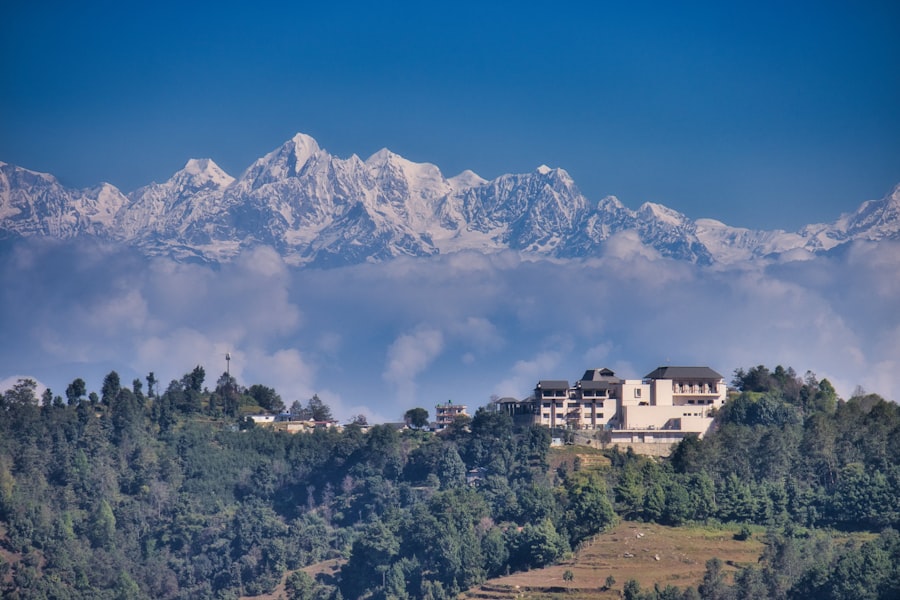
The challenges faced by Maurice Herzog and his team during their historic ascent of Annapurna were multifaceted and daunting. One of the most significant obstacles was the extreme altitude itself. Climbing above 8,000 meters is often referred to as the “death zone,” where the oxygen levels are insufficient to sustain human life for extended periods.
The team had to acclimatize carefully to avoid altitude sickness, which can lead to severe health complications or even death. As they ascended, many members experienced symptoms such as headaches, nausea, and dizziness, which tested their physical and mental endurance. In addition to altitude-related issues, the climbers contended with unpredictable weather patterns that could change rapidly in the Himalayas.
During their ascent, they encountered fierce winds and heavy snowfall that threatened their progress and safety. The team had to make critical decisions about when to push forward and when to retreat, weighing their ambition against the risks involved. Furthermore, the technical challenges posed by Annapurna’s steep faces and icy terrain required exceptional climbing skills and teamwork.
Each member had to rely on one another for support and motivation as they navigated this perilous environment.
The impact of the Annapurna expedition on mountaineering
The impact of the Annapurna expedition on mountaineering cannot be overstated. It represented a watershed moment in the history of high-altitude climbing, demonstrating that human beings could reach summits previously thought insurmountable. The successful ascent inspired a wave of interest in climbing 8,000-meter peaks, leading to numerous expeditions aimed at conquering other formidable mountains such as K2 and Everest.
The techniques and strategies developed during the Annapurna expedition laid the groundwork for future climbs, influencing how teams approached high-altitude challenges. Moreover, the expedition highlighted the importance of international collaboration in mountaineering. Herzog’s team consisted of climbers from various backgrounds and nationalities who came together with a shared goal.
This spirit of cooperation became a hallmark of subsequent expeditions, fostering a sense of camaraderie among climbers worldwide. The publicity surrounding Annapurna’s ascent also brought attention to the sport itself, leading to increased funding and support for climbing endeavors. As more climbers sought to test their limits against nature’s most formidable challenges, mountaineering evolved into a respected sport that continues to attract adventurers from all walks of life.
Maurice Herzog’s personal account of the climb
Maurice Herzog’s personal account of the climb is chronicled in his book “Annapurna,” which has become a classic in mountaineering literature.
He vividly describes the breathtaking beauty of the Himalayas juxtaposed with the harsh realities of climbing at extreme altitudes.
His prose captures both the exhilaration of reaching the summit and the despair that followed during their harrowing descent. Herzog’s writing provides insight into his mindset as a leader facing immense pressure to succeed while ensuring the safety of his team. He reflects on moments of doubt and fear but also on the camaraderie that developed among climbers as they faced adversity together.
His account serves as both an adventure story and a philosophical exploration of human endurance against nature’s might. Through his words, readers gain a deeper understanding of what it means to pursue one’s dreams in the face of overwhelming odds—a theme that resonates with anyone who has ever sought to achieve something great.
The legacy of Annapurna and Maurice Herzog

The legacy of Annapurna extends far beyond its status as a mountain; it embodies the spirit of exploration and adventure that defines mountaineering as a whole. Maurice Herzog’s pioneering ascent opened doors for future climbers, inspiring countless individuals to take on high-altitude challenges. His achievements have been commemorated through various awards and honors within the climbing community, solidifying his place as one of mountaineering’s most influential figures.
Annapurna itself has become a symbol of both triumph and tragedy in climbing history. While it was the first 8,000-meter peak to be conquered, it has also claimed many lives over the years due to its treacherous conditions. This duality serves as a reminder of nature’s power and unpredictability, urging climbers to approach each ascent with respect and caution.
The mountain continues to attract adventurers who seek to test their limits while honoring those who have come before them—an enduring testament to Herzog’s legacy and the spirit of exploration he championed.
Annapurna’s significance in the world of mountaineering
Annapurna holds a unique significance in the world of mountaineering that transcends its physical attributes. It represents both a challenge and an aspiration for climbers around the globe. The mountain’s reputation for being one of the most dangerous peaks has led to extensive research on high-altitude climbing techniques and safety measures.
As climbers continue to attempt ascents on Annapurna, they contribute to an evolving body of knowledge that enhances safety protocols for future expeditions. Furthermore, Annapurna serves as a focal point for discussions about environmental conservation in high-altitude regions. As more climbers flock to its slopes, concerns about waste management and ecological preservation have emerged.
The impact of human activity on fragile ecosystems is an ongoing conversation within the climbing community, prompting initiatives aimed at minimizing environmental footprints during expeditions. This awareness reflects a broader trend in mountaineering toward sustainable practices that honor both nature and those who seek to explore it.
Annapurna’s enduring allure
Annapurna’s enduring allure lies not only in its breathtaking beauty but also in its rich history and complex challenges that continue to captivate climbers today. The mountain stands as a testament to human determination and resilience against nature’s formidable forces. Each ascent tells a story—of triumphs and tragedies, dreams pursued against all odds, and lessons learned through experience.
As climbers gaze upon Annapurna’s majestic peaks, they are reminded that every journey into its heights is not just about reaching a summit but also about embracing the adventure along the way. The legacy left by Maurice Herzog and his team continues to inspire new generations of adventurers who seek not only personal achievement but also a deeper connection with nature’s grandeur. In this way, Annapurna remains an eternal beacon for those who dare to dream big and venture into the unknown.
If you enjoyed reading about Maurice Herzog’s expedition to Annapurna, you may also be interested in exploring more adventure stories on hellread.com. One related article that caught my attention is titled “Hello World” and can be found at


