
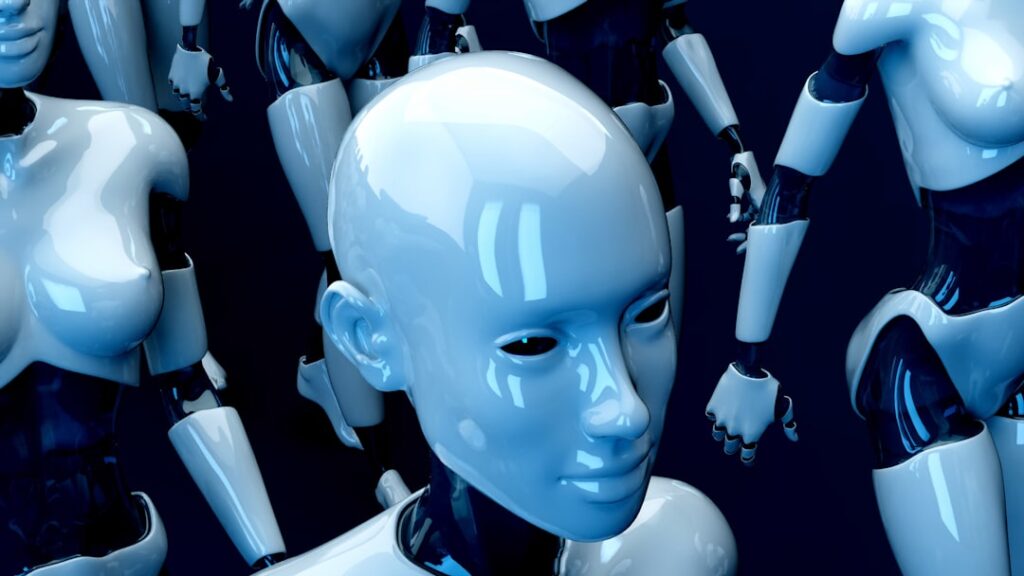
The Age of AI represents a transformative epoch in human history, characterized by the rapid advancement of artificial intelligence technologies that are reshaping our world. As we stand on the precipice of this new era, it is essential to recognize the profound implications that AI has for our societies, economies, and individual lives. The integration of AI into various sectors is not merely a technological shift; it is a fundamental change in how we interact with the world around us.
From autonomous vehicles to intelligent personal assistants, AI is becoming an integral part of our daily existence, prompting us to reconsider our roles as humans in a landscape increasingly dominated by machines. This transformation raises critical questions about our future. How will AI influence our decision-making processes?
What ethical dilemmas will arise as machines take on more responsibilities traditionally held by humans? The book “The Age of AI: And Our Human Future,” co-authored by Henry Kissinger, Eric Schmidt, and Daniel Huttenlocher, delves into these pressing issues, offering insights into the interplay between human intelligence and artificial intelligence. The authors argue that while AI holds immense potential for innovation and efficiency, it also poses significant risks that must be carefully navigated to ensure a future where humanity thrives alongside its creations.
Key Takeaways
- The Age of AI presents both opportunities and challenges for our human future.
- Henry A. Kissinger, Eric Schmidt, and Daniel Huttenlocher collaborate to explore the impact of AI on society.
- AI has the potential to significantly impact various aspects of society, including employment, healthcare, and national security.
- Ethical and moral considerations must be carefully addressed as AI continues to advance and integrate into our daily lives.
- Government regulation and oversight will play a crucial role in shaping the development and deployment of AI technology.
The Collaborative Effort of Henry Kissinger, Eric Schmidt & Daniel Huttenlocher
The collaboration between Henry Kissinger, Eric Schmidt, and Daniel Huttenlocher is a remarkable convergence of expertise from politics, technology, and academia. Kissinger, a former U.S. Secretary of State and a prominent figure in international relations, brings a wealth of experience in diplomacy and strategic thinking.
His insights into the geopolitical ramifications of AI are invaluable, as he emphasizes the need for a nuanced understanding of how these technologies can alter power dynamics on a global scale. Eric Schmidt, the former CEO of Google, represents the technological perspective, having been at the forefront of the digital revolution. His experience in leading one of the most influential tech companies provides a unique lens through which to view the rapid advancements in AI.
Schmidt’s contributions highlight the potential for AI to drive economic growth and innovation while also addressing the challenges that arise from its implementation in society. Daniel Huttenlocher, an academic and technologist, adds depth to the discussion by focusing on the educational and societal implications of AI. His expertise underscores the importance of preparing future generations for a world where AI is ubiquitous.
Together, these three thought leaders explore the multifaceted nature of AI and its implications for humanity. Their collaborative effort reflects a recognition that addressing the challenges posed by AI requires interdisciplinary dialogue and cooperation. By combining their diverse perspectives, they provide a comprehensive framework for understanding the complexities of AI and its potential to shape our future.
Understanding the Impact of AI on Society

The impact of AI on society is profound and multifaceted, influencing various aspects of daily life, from communication to transportation and beyond. One of the most visible effects is the automation of tasks that were once performed by humans. Industries such as manufacturing and logistics have already seen significant changes due to AI-driven automation, leading to increased efficiency and productivity.
For instance, companies like Amazon utilize sophisticated algorithms and robotics to streamline their supply chains, resulting in faster delivery times and reduced operational costs. However, this shift towards automation also raises concerns about job displacement.
The World Economic Forum has projected that millions of jobs could be lost due to automation in the coming years, particularly in sectors such as retail and transportation. This potential upheaval necessitates a reevaluation of workforce development strategies to ensure that individuals are equipped with the skills needed to thrive in an AI-driven economy. Moreover, AI’s impact extends beyond economic considerations; it also influences social interactions and relationships.
Social media platforms leverage AI algorithms to curate content tailored to individual preferences, shaping how people consume information and engage with one another. While this personalization can enhance user experience, it also raises concerns about echo chambers and the spread of misinformation. The algorithms that govern these platforms often prioritize engagement over accuracy, leading to a fragmented information landscape that can polarize public opinion.
The Ethical and Moral Implications of AI
As AI technologies continue to evolve, they bring forth a host of ethical and moral dilemmas that society must confront. One pressing issue is the question of accountability: when an AI system makes a decision that leads to harm or negative consequences, who is responsible? This question becomes particularly salient in contexts such as autonomous vehicles or healthcare applications where decisions can have life-altering implications.
The challenge lies in establishing frameworks that delineate responsibility among developers, users, and the systems themselves. Another ethical concern revolves around bias in AI algorithms. Machine learning models are trained on historical data, which can inadvertently perpetuate existing biases present in that data.
For example, facial recognition technology has been shown to exhibit racial bias, leading to higher error rates for individuals with darker skin tones. This raises critical questions about fairness and equity in the deployment of AI systems. Addressing these biases requires not only technical solutions but also a commitment to ethical standards that prioritize inclusivity and fairness in algorithm design.
Furthermore, the moral implications of AI extend to issues of privacy and surveillance. As AI systems become more integrated into everyday life, they often rely on vast amounts of personal data to function effectively. This data collection raises concerns about individual privacy rights and the potential for misuse by governments or corporations.
Striking a balance between leveraging data for innovation while safeguarding personal privacy is an ongoing challenge that necessitates robust ethical guidelines and regulatory frameworks.
The Role of Government and Regulation in the Age of AI
In navigating the complexities of AI development and deployment, government regulation plays a crucial role in ensuring that these technologies are harnessed responsibly. Policymakers face the daunting task of creating regulations that foster innovation while also protecting citizens from potential harms associated with AI systems. This balancing act requires a deep understanding of both technological capabilities and societal needs.
One approach to regulation involves establishing clear guidelines for transparency and accountability in AI systems. Governments can mandate that organizations disclose how their algorithms operate and the data they utilize, allowing for greater scrutiny and public trust. For instance, the European Union has taken steps toward regulating AI through its proposed Artificial Intelligence Act, which aims to classify AI systems based on their risk levels and impose corresponding requirements for transparency and safety.
Additionally, governments must invest in research and development initiatives that promote ethical AI practices. By funding interdisciplinary research that explores the societal implications of AI technologies, policymakers can encourage collaboration between technologists, ethicists, and social scientists. This collaborative approach can lead to more informed decision-making processes that prioritize human welfare while embracing technological advancement.
The Future of Work and Employment in the AI Era

The Rise of New Job Categories
For instance, roles centered around data analysis, machine learning engineering, and AI ethics are likely to see increased demand as organizations seek individuals who can navigate this evolving landscape.
Adapting Workforce Training Programs
However, this shift also necessitates a reevaluation of workforce training programs to ensure that workers possess the skills required for success in an AI-driven economy. Educational institutions must adapt their curricula to include training in digital literacy, critical thinking, and problem-solving—skills that will be essential as traditional job roles evolve or become obsolete. Lifelong learning initiatives will become increasingly important as workers seek to reskill or upskill throughout their careers.
Supporting Workers through Policy Changes
Moreover, there is an urgent need for policies that support workers during this transition period. Governments can implement safety nets such as universal basic income or retraining programs aimed at helping displaced workers find new employment opportunities. By proactively addressing these challenges, societies can mitigate the negative impacts of automation while harnessing the benefits that AI technologies offer.
The Potential of AI in Healthcare and Medicine
AI holds tremendous promise for revolutionizing healthcare delivery and improving patient outcomes through enhanced diagnostics, personalized treatment plans, and operational efficiencies within healthcare systems. Machine learning algorithms can analyze vast datasets from medical records, imaging studies, and genomic information to identify patterns that may elude human clinicians. For example, AI systems have demonstrated remarkable accuracy in detecting conditions such as diabetic retinopathy or certain types of cancer from medical images.
Furthermore, AI can facilitate personalized medicine by tailoring treatment plans based on individual patient characteristics. By analyzing genetic data alongside clinical history, AI algorithms can help identify which therapies are most likely to be effective for specific patients—an approach that has already shown promise in oncology. This shift toward precision medicine not only improves patient outcomes but also optimizes resource allocation within healthcare systems.
However, integrating AI into healthcare also presents challenges related to data privacy and security. The sensitive nature of medical information necessitates robust safeguards to protect patient confidentiality while allowing for data sharing among healthcare providers and researchers. Establishing clear ethical guidelines for data usage will be essential in fostering trust between patients and healthcare systems as they navigate this new landscape.
AI and National Security: Opportunities and Challenges
The intersection of AI and national security presents both opportunities for enhanced defense capabilities and challenges related to ethical considerations and geopolitical dynamics. On one hand, AI technologies can significantly improve military operations through advanced surveillance systems, predictive analytics for threat assessment, and autonomous weaponry capable of executing complex missions with minimal human intervention. For instance, countries like the United States and China are investing heavily in developing AI-driven military applications that enhance situational awareness on the battlefield or improve decision-making processes during crises.
These advancements could potentially lead to more effective responses to emerging threats while minimizing risks to human personnel. However, the deployment of AI in national security also raises ethical concerns regarding accountability in warfare. The use of autonomous weapons systems poses questions about who bears responsibility for decisions made by machines—especially when those decisions result in loss of life or unintended consequences.
Additionally, there is a risk that nations may engage in an arms race focused on developing increasingly sophisticated AI technologies without adequate oversight or ethical considerations. Navigating these challenges requires international cooperation among governments to establish norms governing the use of AI in military contexts. Collaborative efforts can help mitigate risks associated with escalation while promoting transparency regarding military capabilities powered by artificial intelligence.
The Intersection of AI and Privacy
As artificial intelligence becomes more pervasive across various sectors—from finance to healthcare—issues surrounding privacy have emerged as critical concerns for individuals and organizations alike. The ability of AI systems to process vast amounts of personal data raises questions about how this information is collected, stored, and utilized by corporations or governments. One significant challenge lies in ensuring informed consent when individuals share their data with organizations leveraging AI technologies.
Many users may not fully understand how their information will be used or may feel pressured into consenting due to lack of alternatives—leading to potential violations of privacy rights. Establishing clear guidelines around data collection practices will be essential in fostering trust between consumers and organizations utilizing AI. Moreover, there is an ongoing debate regarding surveillance practices enabled by advanced analytics capabilities inherent in many modern technologies—such as facial recognition systems deployed by law enforcement agencies or social media platforms tracking user behavior online.
Striking a balance between security measures aimed at protecting public safety while safeguarding individual privacy rights remains an ongoing challenge for policymakers worldwide.
The Global Implications of AI Development
The development of artificial intelligence carries significant global implications that extend beyond national borders—affecting economies, labor markets, security dynamics, and ethical standards worldwide. As countries race to harness the potential benefits offered by AI technologies—such as increased productivity or enhanced decision-making capabilities—there exists a risk that disparities may widen between nations with advanced technological infrastructures versus those lacking resources or expertise. For instance, developed countries may leverage their investments in research and development to gain competitive advantages over emerging economies—potentially exacerbating existing inequalities within global markets.
Conversely, nations with limited access to cutting-edge technologies may struggle to keep pace with advancements made elsewhere—leading to economic stagnation or dependency on foreign innovations. Additionally, international cooperation will be crucial in addressing shared challenges posed by artificial intelligence—such as cybersecurity threats or ethical dilemmas surrounding algorithmic bias—requiring collaborative frameworks among governments across different regions. Establishing global standards governing responsible use while promoting equitable access will be essential steps toward ensuring that all nations can benefit from advancements made within this transformative field.
Navigating the Age of AI
As we navigate through The Age of AI: And Our Human Future, it becomes increasingly clear that our relationship with artificial intelligence will shape not only our technological landscape but also our societal values and ethical frameworks moving forward. The collaborative efforts among thought leaders like Kissinger, Schmidt, and Huttenlocher highlight the importance of interdisciplinary dialogue as we confront complex challenges arising from this technological revolution. Understanding the multifaceted impact of AI on society requires ongoing engagement from diverse stakeholders—including policymakers, technologists, ethicists—and citizens alike—to ensure responsible development aligned with human welfare principles at its core.
By fostering collaboration across sectors while prioritizing transparency accountability within emerging technologies—we can work towards creating an inclusive future where humanity thrives alongside its creations amidst rapid change brought forth by artificial intelligence advancements.
If you’re interested in exploring more about the impact of artificial intelligence on our future, you may want to check out the article “Hello World” on Hellread.com. This thought-provoking piece delves into the potential consequences of AI advancements and how they may shape our society in the years to come. Click here to read more.
FAQs
What is “The Age of AI: And Our Human Future” about?
“The Age of AI: And Our Human Future” is an article written by Henry A. Kissinger, Eric Schmidt, and Daniel Huttenlocher that discusses the impact of artificial intelligence on society and the potential implications for the future of humanity.
Who are the authors of “The Age of AI: And Our Human Future”?
The authors of “The Age of AI: And Our Human Future” are Henry A. Kissinger, a former U.S. Secretary of State, Eric Schmidt, the former CEO of Google, and Daniel Huttenlocher, the Dean of the MIT Schwarzman College of Computing.
What are some of the key points discussed in “The Age of AI: And Our Human Future”?
The article discusses the potential benefits and challenges of artificial intelligence, the need for ethical guidelines and regulations to govern AI development, and the implications of AI for global power dynamics and national security.
What is the significance of “The Age of AI: And Our Human Future”?
“The Age of AI: And Our Human Future” is significant because it brings together the perspectives of a renowned statesman, a technology industry leader, and an academic expert to address the complex and multifaceted issues surrounding artificial intelligence and its impact on society.
Where can I read “The Age of AI: And Our Human Future”?
“The Age of AI: And Our Human Future” was published in The Atlantic magazine in November 2020 and is available for reading on The Atlantic’s website or in the print edition of the magazine.




