
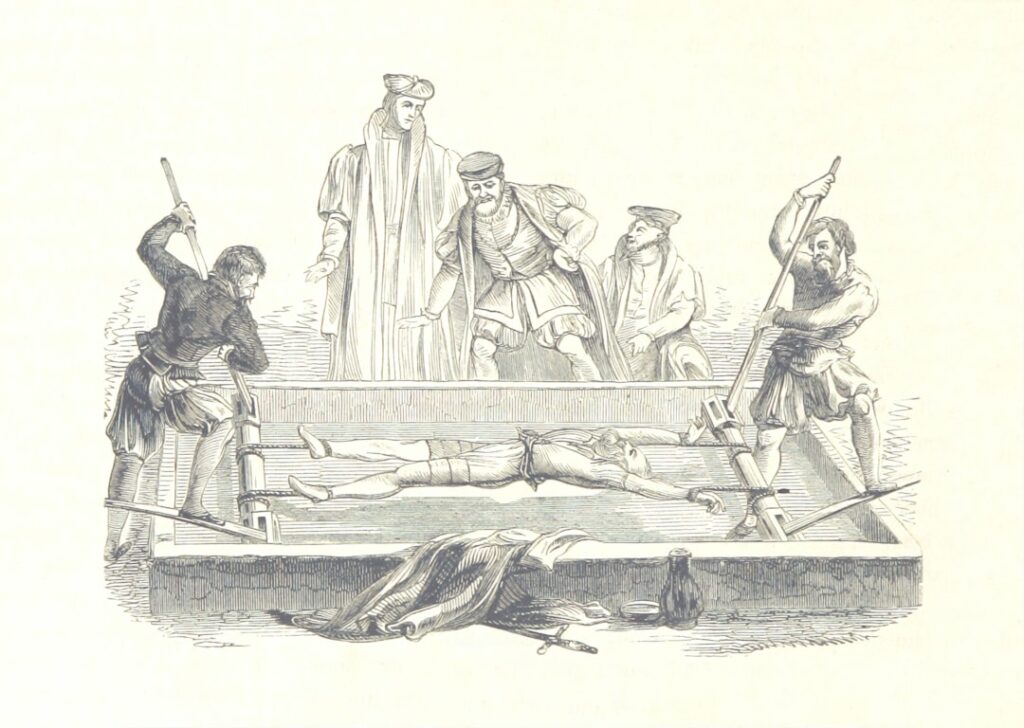
Juan Francisco Manzano stands as a poignant figure in the annals of literature and history, representing the voice of the enslaved in 19th-century Cuba. Born in 1797, Manzano’s life was marked by the brutal realities of slavery, yet he emerged as a significant literary figure whose works provide insight into the experiences of enslaved individuals. His autobiography, “The Autobiography of a Slave,” is not merely a personal narrative; it serves as a critical document that sheds light on the broader context of slavery in the Caribbean.
Through his eloquent prose, Manzano articulates the struggles, aspirations, and humanity of those who were often dehumanized and silenced. Manzano’s narrative is particularly compelling because it transcends the typical confines of slave narratives of his time. While many such accounts were written by abolitionists or sympathetic whites, Manzano’s work is an authentic representation of an enslaved person’s perspective.
His ability to convey the emotional and psychological toll of slavery, alongside his aspirations for freedom and dignity, makes his autobiography a vital resource for understanding the complexities of slavery and its enduring impact on society.
Key Takeaways
- Juan Francisco Manzano was a Cuban poet and former slave who wrote “The Autobiography of a Slave.”
- Manzano was born into slavery in 1797 and endured harsh treatment and abuse from various masters throughout his life.
- His autobiography sheds light on the brutal realities of slavery and the resilience of the human spirit in the face of oppression.
- Literature played a significant role in Manzano’s life, providing him with a means of expression and a tool for resistance.
- The themes and messages in “The Autobiography of a Slave” highlight the dehumanizing effects of slavery and the importance of freedom and self-expression.
Early Life and Enslavement
Early Life and Identity
Manzano was born to an enslaved mother, which meant he inherited his status as property from birth. This lineage not only determined his social standing but also shaped his identity and experiences throughout his formative years.
Aptitude for Learning
The environment in which he grew up was rife with oppression, where the color of one’s skin determined one’s fate and opportunities. As a child, Manzano exhibited a remarkable aptitude for learning, which was both a blessing and a curse. His intelligence caught the attention of his masters, who recognized his potential but were also wary of it.
Tension and Paradox
In a society that sought to suppress the intellectual growth of enslaved people, Manzano’s abilities were seen as a threat to the established order. This paradoxical situation highlights the complexities of his early life; while he was afforded some educational opportunities, they were often accompanied by the constant reminder of his subjugation. The tension between his desire for knowledge and the oppressive structures surrounding him would become a recurring theme in his life.
The Harsh Realities of Slavery

The institution of slavery in Cuba during Manzano’s lifetime was characterized by extreme brutality and dehumanization. Enslaved individuals were subjected to grueling labor under harsh conditions, often working long hours in sugar plantations or other labor-intensive environments. The physical toll on their bodies was immense, and many suffered from malnutrition, disease, and exhaustion.
Manzano’s own experiences reflect this grim reality; he witnessed firsthand the suffering of his fellow enslaved individuals, which deepened his understanding of their plight. Moreover, the psychological impact of slavery cannot be overstated. Enslaved people were stripped of their autonomy and subjected to constant surveillance and control by their masters.
The threat of violence loomed large, with punishments meted out for perceived disobedience or resistance. Manzano’s narrative captures this atmosphere of fear and oppression, illustrating how it permeated every aspect of life for those in bondage. The emotional scars left by such experiences were profound, shaping not only individual identities but also collective memories within enslaved communities.
The Role of Literature in Manzano’s Life
Literature played a transformative role in Juan Francisco Manzano’s life, serving as both an escape from his harsh realities and a means of self-expression. Despite the oppressive environment that sought to stifle his intellect, Manzano found solace in writing poetry and prose. His literary pursuits became a form of resistance against the dehumanization he faced daily.
Through writing, he could articulate his thoughts, feelings, and aspirations in ways that defied the limitations imposed upon him by slavery. Manzano’s engagement with literature also connected him to broader intellectual currents of his time. He was influenced by European Romanticism and other literary movements that emphasized individualism and emotional depth.
This influence is evident in his writing style, which often blends vivid imagery with poignant reflections on freedom and identity. By embracing literature, Manzano not only asserted his humanity but also carved out a space for himself within a cultural landscape that sought to marginalize voices like his.
Themes and Messages in The Autobiography of a Slave
“The Autobiography of a Slave” is rich with themes that resonate deeply with readers even today. One prominent theme is the quest for freedom—both physical and intellectual. Manzano’s narrative underscores the profound desire for liberation that permeated the lives of enslaved individuals.
He articulates this yearning not only through his personal experiences but also by reflecting on the broader struggles faced by his community. The longing for freedom serves as a powerful motivator throughout his life and writing. Another significant theme is the exploration of identity.
Manzano grapples with questions of selfhood in a society that sought to define him solely by his status as property. His reflections on identity reveal the complexities of navigating life as an enslaved person while striving to assert one’s individuality. This theme resonates with contemporary discussions about race, identity, and belonging, making Manzano’s work relevant across generations.
The Impact of Manzano’s Autobiography

Juan Francisco Manzano’s autobiography had a profound impact on both contemporary audiences and future generations. Upon its publication in 1840, it provided a rare glimpse into the lived experiences of an enslaved person in Cuba, challenging prevailing narratives that often sanitized or ignored the brutal realities of slavery. By sharing his story, Manzano contributed to the growing body of literature that sought to expose the horrors of enslavement and advocate for abolition.
The autobiography also served as an important cultural artifact that highlighted the intellectual capabilities of enslaved individuals. In an era when many viewed enslaved people as inferior beings incapable of complex thought or creativity, Manzano’s eloquent prose challenged these stereotypes head-on. His work became a testament to the resilience and humanity of those who endured slavery, inspiring others to recognize their own worth and potential.
Manzano’s Relationship with his Masters
The dynamics between Juan Francisco Manzano and his masters were complex and multifaceted. On one hand, he experienced moments of relative privilege due to his master’s recognition of his intelligence and literary talent. This acknowledgment allowed him access to education and opportunities for self-expression that many enslaved individuals were denied.
However, this privilege came at a cost; it was always tempered by the reality that he remained property subject to the whims of his masters. Manzano’s relationship with his masters also reveals the inherent contradictions within the institution of slavery itself. While some masters may have treated their enslaved individuals with a degree of kindness or paternalism, this did not negate the fundamental injustice of their status as property.
Manzano’s writings reflect this tension; he navigated moments of relative comfort while simultaneously grappling with the knowledge that he was still bound by chains—both literal and metaphorical.
The Struggle for Freedom
The struggle for freedom is perhaps the most defining aspect of Juan Francisco Manzano’s life and work. Throughout his autobiography, he articulates not only his personal desire for liberation but also reflects on the collective struggle faced by enslaved people in Cuba and beyond. This yearning for freedom is depicted not just as a physical escape from bondage but also as an intellectual awakening—a quest for self-determination and dignity.
Manzano’s journey toward freedom was fraught with challenges and setbacks. He faced numerous obstacles in his pursuit, including societal norms that upheld slavery as an institution and personal betrayals from those who wielded power over him. Yet, despite these challenges, he remained resolute in his belief that freedom was not only possible but essential for achieving true humanity.
His narrative serves as both a testament to individual resilience and a call to action for those who would seek justice in an unjust world.
The Importance of Manzano’s Autobiography in Understanding the History of Slavery
Juan Francisco Manzano’s autobiography is crucial for understanding the history of slavery because it provides an authentic voice from within the institution itself. Unlike many historical accounts that focus on economic or political aspects, Manzano’s narrative delves into the personal experiences and emotional landscapes of enslaved individuals. This perspective enriches our understanding of slavery as not merely an economic system but as a deeply human tragedy that affected countless lives.
Moreover, Manzano’s work contributes to broader discussions about race, identity, and resistance within historical contexts. By documenting his experiences and reflections, he offers insights into how enslaved people navigated their circumstances while maintaining their humanity against overwhelming odds. His autobiography serves as a vital resource for historians, educators, and activists seeking to understand the complexities of slavery and its lasting impact on contemporary society.
The Legacy of Juan Francisco Manzano
The legacy of Juan Francisco Manzano extends far beyond his own lifetime; it resonates through subsequent generations who continue to grapple with issues related to race, identity, and social justice. His autobiography remains an essential text within African diaspora literature and serves as a foundational work for understanding the experiences of enslaved individuals in Latin America. Scholars often cite Manzano’s contributions when discussing the intersections between literature and history in relation to slavery.
Furthermore, Manzano’s life story inspires contemporary movements advocating for racial equality and justice. His unwavering commitment to articulating the struggles faced by enslaved people serves as a reminder that literature can be a powerful tool for social change. By sharing his narrative with future generations, he has ensured that the voices of those who suffered under slavery are not forgotten but rather celebrated for their resilience and strength.
The Continued Relevance of The Autobiography of a Slave
Juan Francisco Manzano’s “The Autobiography of a Slave” remains profoundly relevant today as it addresses themes that continue to resonate within contemporary society. Issues related to systemic oppression, identity formation, and the quest for freedom are still at the forefront of social discourse around the world. By engaging with Manzano’s narrative, readers are invited to reflect on historical injustices while considering their implications for present-day struggles against inequality.
In an era where discussions about race and justice are increasingly urgent, Manzano’s work serves as both a historical document and a source of inspiration for those advocating for change. His eloquent articulation of pain, hope, and resilience reminds us that literature has the power to transcend time—connecting past struggles with present aspirations for justice and equality. Through Juan Francisco Manzano’s life and writings, we are encouraged to confront uncomfortable truths while striving toward a more equitable future for all.
If you enjoyed reading The Autobiography of a Slave by Juan Francisco Manzano, you may also be interested in exploring the article “Hello World: A Journey of Self-Discovery” on Hellread.com. This article delves into the theme of self-discovery and personal growth, which are also prominent themes in Manzano’s autobiography. Both works offer valuable insights into the struggles and triumphs of individuals seeking to define their own identities in the face of adversity.
FAQs
What is The Autobiography of a Slave by Juan Francisco Manzano?
The Autobiography of a Slave is an autobiography written by Juan Francisco Manzano, a Cuban slave who lived in the 19th century. It provides a firsthand account of the experiences of a slave in Cuba during that time.
When was The Autobiography of a Slave written?
The Autobiography of a Slave was written by Juan Francisco Manzano in the 1830s, during the time when he was still a slave.
What is the significance of The Autobiography of a Slave?
The Autobiography of a Slave is significant as it provides a rare and valuable perspective on the experiences of a slave in Cuba during the 19th century. It sheds light on the harsh realities of slavery and the resilience of the human spirit in the face of oppression.
What themes are explored in The Autobiography of a Slave?
The Autobiography of a Slave explores themes such as the brutality of slavery, the longing for freedom, the power of literacy, and the resilience of the human spirit. It also delves into the complexities of race, class, and power dynamics in Cuban society during that time.
Is The Autobiography of a Slave still relevant today?
Yes, The Autobiography of a Slave remains relevant today as it provides insight into the lasting impact of slavery on individuals and societies. It also serves as a reminder of the importance of acknowledging and confronting the legacy of slavery.




