
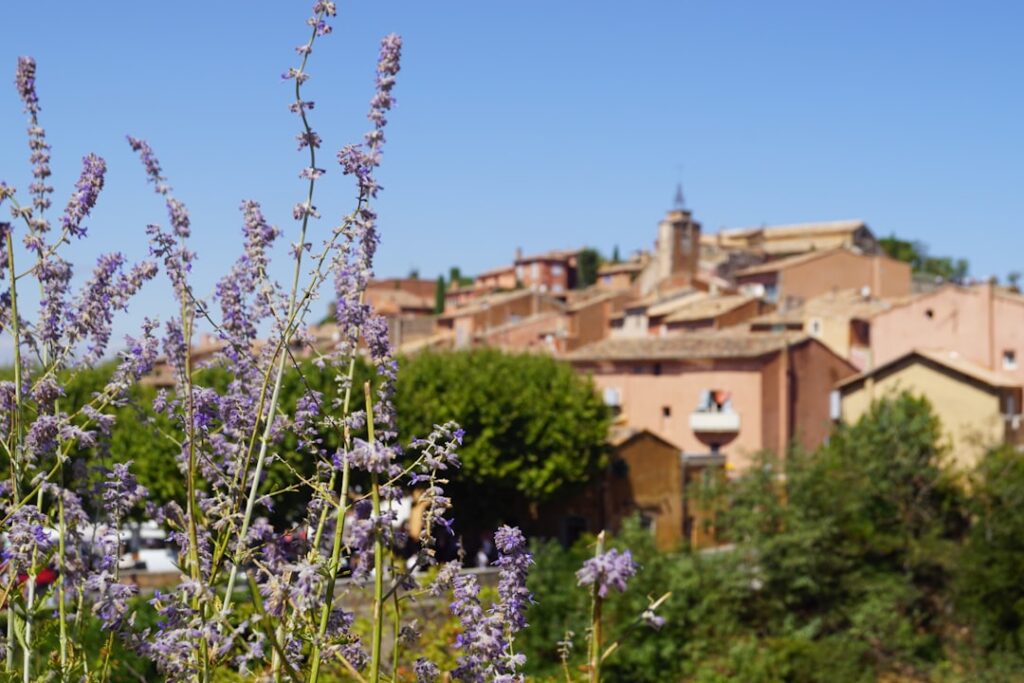
“A Year in Provence,” written by Peter Mayle, is a delightful memoir that chronicles the author’s experiences after relocating from England to the picturesque region of Provence, France. First published in 1989, the book captures the essence of rural French life through a series of anecdotes that are both humorous and poignant. Mayle’s narrative is not merely a travelogue; it is a vivid exploration of the cultural nuances, culinary delights, and the everyday challenges faced by expatriates in a foreign land.
The book has resonated with readers worldwide, inspiring many to seek out the charm of Provence and its idyllic lifestyle. The narrative unfolds as Mayle and his wife, Jennifer, embark on a journey to renovate an old farmhouse in the heart of Provence. Their initial excitement quickly gives way to the realities of rural life, where they encounter a cast of colorful locals, navigate bureaucratic hurdles, and adapt to a slower pace of living.
Through Mayle’s keen observations and witty prose, readers are invited to experience the beauty and complexity of life in Provence, making “A Year in Provence” a timeless classic that continues to enchant audiences.
Key Takeaways
- A Year in Provence is a memoir by Peter Mayle, chronicling his experiences of moving to and renovating a farmhouse in Provence, France.
- Provence is known for its picturesque landscapes, including lavender fields, vineyards, and charming villages.
- The book introduces a colorful cast of characters, including locals, tradesmen, and ex-pats, who play a role in Mayle’s experiences.
- The lifestyle in Provence is characterized by a slower pace, emphasis on food and wine, and a strong sense of community.
- Renovating a property in Provence comes with challenges such as dealing with local bureaucracy and finding skilled craftsmen, but also brings the joy of creating a beautiful home in a stunning location.
- Provence is renowned for its delicious cuisine, including dishes like ratatouille, bouillabaisse, and tarte Tatin.
- A Year in Provence has had a significant impact on tourism in the region, drawing visitors who want to experience the idyllic lifestyle depicted in the book.
- The book’s legacy includes inspiring other writers and memoirists to share their experiences of life in Provence, further cementing its reputation as a desirable destination.
The Setting of Provence
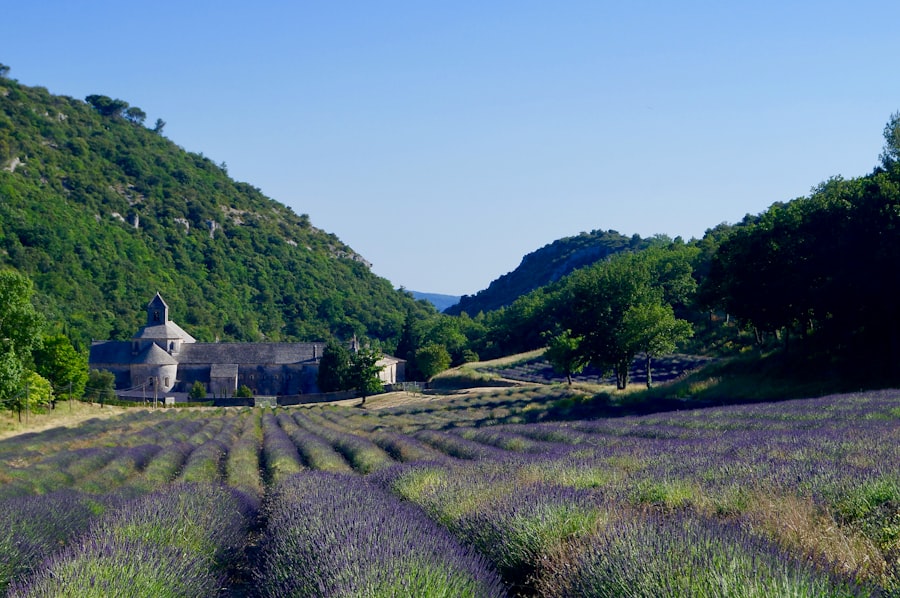
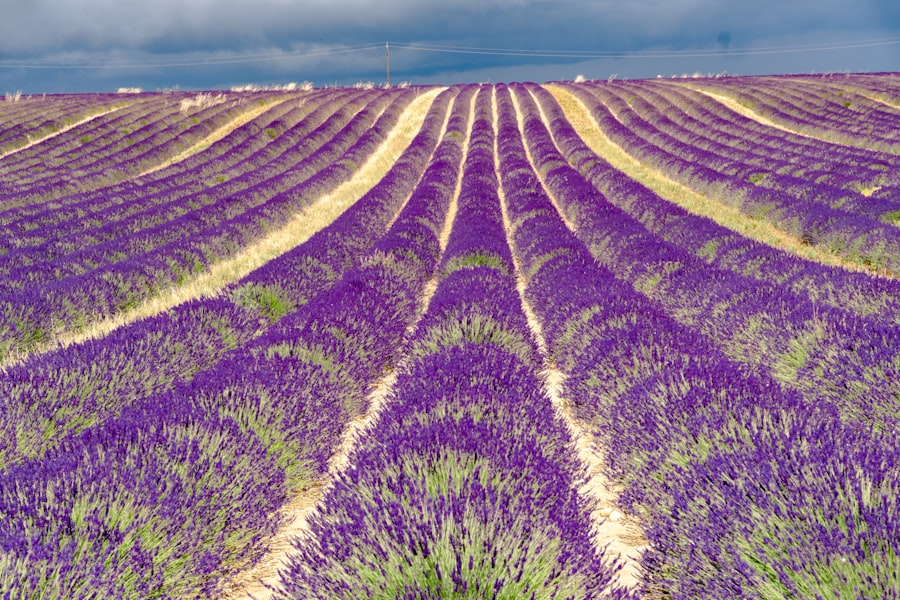
Provence is a region steeped in history and natural beauty, characterized by its rolling hills, lavender fields, and vineyards that stretch as far as the eye can see. Nestled in the southeastern corner of France, it boasts a Mediterranean climate that contributes to its vibrant flora and fauna. The landscape is dotted with charming villages, each with its own unique character and history.
From the bustling markets of Aix-en-Provence to the serene beauty of the Luberon Valley, the region offers a diverse tapestry of experiences that captivate both locals and visitors alike. Mayle’s descriptions of Provence are rich with sensory detail, painting a vivid picture of the sights, sounds, and smells that define this enchanting locale. He captures the golden hues of the sun setting over the vineyards, the intoxicating scent of blooming lavender, and the lively chatter of villagers at local markets.
The region’s historical significance is also woven into his narrative, as he references ancient Roman ruins and medieval architecture that serve as reminders of Provence’s storied past.
The Characters in A Year in Provence
The characters that populate “A Year in Provence” are as vibrant and diverse as the landscape itself. Mayle introduces readers to a host of memorable figures, each contributing to the rich tapestry of life in Provence. Among them is Monsieur Brun, the local builder whose expertise is matched only by his penchant for taking his time.
His laid-back approach to work often frustrates Mayle but also highlights the cultural differences between the fast-paced life he left behind in England and the leisurely rhythm of rural French life. Another notable character is the enigmatic farmer who tends to his olive trees with an almost reverential dedication. His deep connection to the land serves as a reminder of the importance of tradition and sustainability in Provençal culture.
Additionally, Mayle encounters various eccentric locals who embody the spirit of Provence—whether it’s the boisterous market vendors or the elderly women who share their culinary secrets with him. These characters not only provide comic relief but also offer insights into the values and customs that define life in this region.
The Lifestyle and Culture of Provence
Life in Provence is characterized by a slower pace that encourages residents and visitors alike to savor each moment. Mayle’s observations reveal a culture deeply rooted in tradition, where communal gatherings and local festivals play a significant role in fostering connections among neighbors. The emphasis on family and community is evident in the way locals celebrate harvests, religious holidays, and seasonal events with enthusiasm and joy.
The cultural landscape of Provence is also marked by its artistic heritage. The region has long been a source of inspiration for painters, writers, and musicians. Mayle references famous artists like Vincent van Gogh and Paul Cézanne, who found their muse in the vibrant colors and light of Provence.
This artistic legacy continues to thrive today, with numerous galleries and art festivals celebrating local talent. The intertwining of art and daily life creates an atmosphere that encourages creativity and self-expression, making Provence not just a place to live but a place to thrive.
The Challenges and Joys of Renovating a French Property
Renovating an old farmhouse in Provence is no small feat, as Mayle quickly discovers. The process is fraught with challenges that test his patience and resolve. From navigating local building regulations to dealing with unexpected delays caused by weather or labor shortages, Mayle’s renovation journey becomes a microcosm of the broader experience of adapting to life in France.
His humorous anecdotes about miscommunications with contractors and bureaucratic red tape resonate with anyone who has attempted a similar project abroad. Despite these challenges, Mayle also finds immense joy in the renovation process. Each small victory—whether it’s successfully installing a new window or uncovering beautiful stone walls hidden beneath layers of plaster—brings a sense of accomplishment.
The act of transforming an old property into a home becomes a metaphor for his own adaptation to life in Provence. As he immerses himself in local customs and builds relationships with neighbors, he learns that renovation is not just about physical changes; it’s also about creating a sense of belonging in a new community.
The Culinary Delights of Provence
One cannot discuss “A Year in Provence” without delving into its rich culinary landscape. Mayle’s love for food is palpable throughout his narrative, as he explores the flavors and ingredients that define Provençal cuisine. From fresh vegetables at local markets to aromatic herbs like thyme and rosemary, he paints a picture of a region where food is not merely sustenance but an integral part of daily life.
The book features mouthwatering descriptions of traditional dishes such as ratatouille, bouillabaisse, and tapenade, each reflecting the region’s agricultural bounty. Mayle’s encounters with local chefs and home cooks reveal the importance of seasonal ingredients and time-honored recipes passed down through generations. He emphasizes how meals are often communal experiences, bringing people together around tables laden with delicious food and accompanied by local wines.
This celebration of gastronomy not only highlights the flavors of Provence but also underscores its cultural significance as a means of fostering connection among people.
The Influence of A Year in Provence on Tourism in the Region
Since its publication, “A Year in Provence” has had a profound impact on tourism in the region.
Many travelers have sought out the villages, markets, and landscapes described by Mayle, drawn by his vivid storytelling and evocative imagery.
The rise in tourism has brought both opportunities and challenges for local communities. While increased visitor numbers have boosted the economy through hospitality and local businesses, it has also raised concerns about preserving the authenticity of Provençal culture amidst commercialization. Many towns have had to strike a balance between welcoming tourists and maintaining their unique identities.
Nevertheless, “A Year in Provence” remains a beloved touchstone for those seeking an authentic experience in this enchanting region.
The Legacy of A Year in Provence
The legacy of “A Year in Provence” extends far beyond its initial publication; it has become a cultural phenomenon that continues to inspire readers and travelers alike. The book has sparked interest not only in Provence but also in rural living and expatriate experiences more broadly. It has encouraged many individuals to consider their own dreams of relocating or spending extended time abroad.
Moreover, Mayle’s work has paved the way for other writers exploring similar themes—whether through memoirs or fiction—capturing the essence of life in foreign lands. His ability to blend humor with insightful observations has set a standard for travel writing that resonates with audiences seeking authenticity and connection. As readers continue to discover “A Year in Provence,” its influence on perceptions of French culture and lifestyle remains enduringly relevant, ensuring that Mayle’s experiences will be cherished for generations to come.
If you enjoyed reading A Year in Provence by Peter Mayle, you may also be interested in checking out this article on Hellread titled “Hello World.” This article delves into the experience of moving to a new place and immersing oneself in a different culture, much like Mayle’s journey in Provence. You can read the article


