

The Art of War, attributed to the ancient Chinese military strategist Sun Tzu, is a seminal text that has transcended its original purpose as a military manual to become a foundational work in various fields, including business, leadership, and strategy. Composed over two millennia ago, this treatise distills the essence of warfare into principles that emphasize the importance of strategy, deception, and adaptability. Its aphoristic style and profound insights have made it a timeless guide for those seeking to navigate competitive environments, whether on the battlefield or in the boardroom.
The text is structured into 13 chapters, each addressing different aspects of warfare, from planning and strategy to the use of spies. Sun Tzu’s emphasis on understanding both oneself and one’s adversary has resonated through the ages, making The Art of War a crucial reference for leaders and strategists across various domains. The principles outlined in this work are not merely applicable to military engagements; they also provide valuable lessons in negotiation, conflict resolution, and strategic thinking in everyday life.
Key Takeaways
- The Art of War is an ancient Chinese military treatise attributed to Sun Tzu, focusing on strategy and tactics in warfare.
- The historical context of The Art of War is rooted in the Warring States period of ancient China, where it was used as a guide for military leaders.
- Key concepts and strategies in The Art of War include deception, positioning, and understanding the enemy to achieve victory.
- The principles of The Art of War have been applied to modern business, with its emphasis on strategy, leadership, and competition.
- The influence of The Art of War in military strategy is evident in its impact on tactics, leadership, and decision-making in warfare.
- Criticisms and controversies surrounding The Art of War include its perceived ruthless nature and its applicability to modern warfare.
- The Art of War has had a significant impact on popular culture, with references in books, films, and even in the business world.
- In conclusion, The Art of War has left an enduring legacy, with its timeless principles continuing to influence military strategy, business, and popular culture.
Historical Context of The Art of War
To fully appreciate The Art of War, one must consider the historical context in which it was written. Sun Tzu lived during the Eastern Zhou period of ancient China, a time characterized by political fragmentation and constant warfare among rival states. This era, known as the Warring States period (475-221 BCE), was marked by intense competition for power and resources, leading to the development of sophisticated military strategies.
Sun Tzu’s insights emerged from this tumultuous backdrop, where understanding the dynamics of conflict was essential for survival.
These philosophies emphasized harmony, balance, and the importance of moral authority in leadership.
Sun Tzu’s approach to warfare aligns with these ideals, advocating for strategies that minimize conflict and maximize efficiency. His teachings suggest that the most successful general is one who can achieve victory without engaging in protracted battles, thereby preserving resources and maintaining stability.
Key Concepts and Strategies in The Art of War
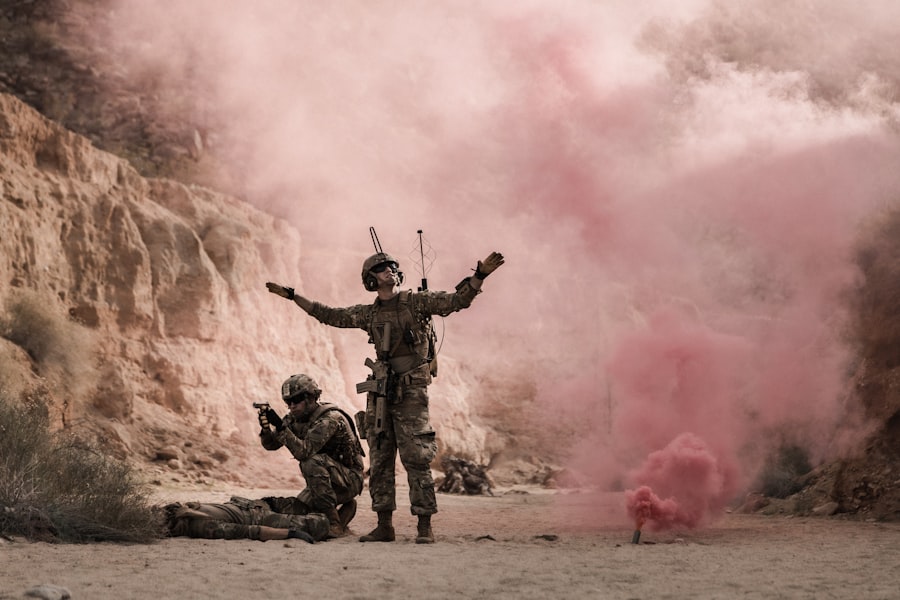
Central to The Art of War are several key concepts that have become foundational to strategic thinking. One of the most notable is the idea of “know thyself and know thy enemy.” This principle underscores the importance of self-awareness and intelligence gathering in achieving success. Sun Tzu posits that understanding one’s strengths and weaknesses, as well as those of the opponent, is crucial for formulating effective strategies.
This concept has been widely adopted in various fields, emphasizing the need for thorough analysis before making decisions. Another significant strategy outlined by Sun Tzu is the use of deception. He famously stated that “all warfare is based on deception,” suggesting that misleading an opponent can create opportunities for victory.
This principle extends beyond military applications; in business negotiations or competitive markets, presenting a façade or misdirecting competitors can lead to advantageous positions. Sun Tzu also emphasizes flexibility and adaptability, advocating for leaders to be responsive to changing circumstances rather than adhering rigidly to preconceived plans. This adaptability is essential in both warfare and modern business environments, where conditions can shift rapidly.
Application of The Art of War in Modern Business
The relevance of The Art of War extends far beyond military applications; it has found a significant place in modern business strategy. Executives and entrepreneurs often draw upon Sun Tzu’s principles to navigate competitive landscapes and make strategic decisions.
Companies invest heavily in research to understand their rivals’ strengths and weaknesses, allowing them to position themselves effectively within their industries. Moreover, the emphasis on strategic planning and adaptability resonates deeply in today’s fast-paced business world. Companies like Apple and Amazon exemplify this approach by continuously evolving their strategies based on market trends and consumer behavior.
The ability to pivot quickly in response to new information or changing circumstances mirrors Sun Tzu’s teachings on flexibility in warfare. Additionally, the notion of creating a competitive advantage through innovation aligns with Sun Tzu’s idea of seizing opportunities when they arise.
Influence of The Art of War in Military Strategy
The impact of The Art of War on military strategy cannot be overstated. Throughout history, military leaders have drawn inspiration from Sun Tzu’s teachings to inform their tactics and strategies. For example, during World War II, General Douglas MacArthur applied principles from The Art of War in his campaigns in the Pacific Theater.
His emphasis on surprise attacks and strategic deception mirrored Sun Tzu’s advice on outmaneuvering opponents. Furthermore, contemporary military academies around the world incorporate The Art of War into their curricula, recognizing its enduring relevance in modern warfare. The principles outlined by Sun Tzu have influenced various military doctrines, including asymmetric warfare strategies employed by smaller forces against larger adversaries.
The emphasis on intelligence gathering and psychological operations reflects Sun Tzu’s assertion that understanding the enemy’s mindset is crucial for success.
Criticisms and Controversies Surrounding The Art of War

Interpretation and Application Challenges
Despite its widespread acclaim, The Art of War has faced criticisms and controversies. Scholars argue that the book’s aphoristic style can lead to misinterpretation or oversimplification of complex military strategies. Critics contend that while Sun Tzu’s principles are valuable, they may not always be applicable in every context or situation.
Ethical Implications of Sun Tzu’s Strategies
The abstract nature of some concepts in The Art of War can lead to varying interpretations, which may dilute their effectiveness when applied in real-world scenarios. Moreover, there are debates surrounding the ethical implications of some strategies advocated by Sun Tzu. His emphasis on deception and manipulation raises questions about moral conduct in both warfare and business practices.
Tension between Strategic Effectiveness and Ethical Considerations
Critics argue that such tactics can foster an environment of distrust and unethical behavior, undermining long-term relationships and cooperation. This tension between strategic effectiveness and ethical considerations continues to be a point of contention among scholars and practitioners alike.
The Art of War in Popular Culture
The influence of The Art of War extends into popular culture, where its themes and concepts have been adapted across various media forms. Books, films, and even video games have drawn inspiration from Sun Tzu’s teachings, often portraying characters who embody his strategic principles. For instance, movies like “The Last Samurai” and “Gladiator” feature protagonists who navigate complex conflicts using wisdom reminiscent of Sun Tzu’s strategies.
Moreover, contemporary authors have reinterpreted The Art of War for modern audiences, applying its lessons to diverse fields such as sports, politics, and personal development. Works like “The Art of War for Women” by Chin-Ning Chu adapt Sun Tzu’s principles specifically for female leaders navigating corporate environments. This adaptation highlights the text’s versatility and its ability to resonate with different demographics while maintaining its core teachings.
The Enduring Legacy of The Art of War
The enduring legacy of The Art of War lies in its ability to provide timeless insights into strategy and human behavior. Its principles continue to resonate across various domains, from military strategy to business leadership and beyond. As societies evolve and new challenges arise, the fundamental truths articulated by Sun Tzu remain relevant, offering guidance for those seeking to navigate complex environments.
In an age characterized by rapid change and uncertainty, the lessons from The Art of War serve as a reminder that success often hinges on strategic thinking, adaptability, and a deep understanding of both oneself and one’s adversaries. Whether one is engaged in warfare or competition in business, the wisdom encapsulated within this ancient text continues to inspire leaders around the world to approach challenges with foresight and cunning.
If you are interested in exploring more about ancient military strategies and tactics, you may want to check out an article on hellread.com that delves into the timeless wisdom of Sun Tzu’s The Art of War. This article provides a fresh perspective on how Sun Tzu’s teachings can be applied in modern warfare and everyday life. It offers valuable insights on leadership, strategy, and the art of winning without fighting.
FAQs
What is The Art of War by Sun Tzu?
The Art of War is an ancient Chinese military treatise attributed to Sun Tzu, a military strategist and philosopher. It is one of the most influential strategy texts in East Asian warfare.
When was The Art of War written?
The exact date of the writing of The Art of War is uncertain, but it is believed to have been written during the Warring States period of China, which lasted from 476 BC to 221 BC.
What is the main theme of The Art of War?
The main theme of The Art of War is the strategy and tactics of warfare. It covers various aspects of warfare, including planning, tactics, and the use of deception.
What are some key principles in The Art of War?
Some key principles in The Art of War include the importance of knowing oneself and the enemy, the use of deception, the value of speed and flexibility, and the significance of positioning and terrain.
How has The Art of War been influential?
The Art of War has been influential not only in military strategy but also in business, politics, and everyday life. Its principles have been applied to various fields to achieve success and overcome challenges.




