
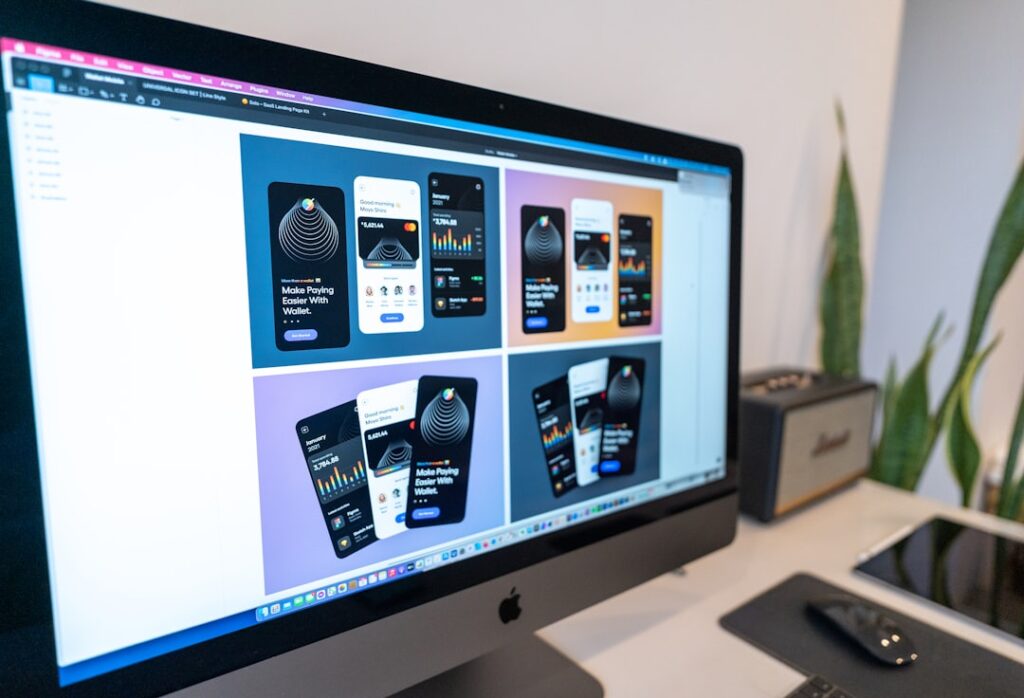
User experience (UX) encompasses the overall interaction a user has with a product, particularly in the realm of digital interfaces. It is a multifaceted concept that includes usability, accessibility, and the emotional response elicited during the interaction. A well-designed user experience is not merely about aesthetics; it involves a deep understanding of user needs, behaviors, and motivations.
For instance, when designing an e-commerce website, it is crucial to consider how users navigate through product categories, how they search for items, and the ease with which they can complete a purchase. Each of these elements contributes to the overall satisfaction of the user and can significantly impact conversion rates. To truly grasp user experience, designers must engage in extensive user research.
This can involve methods such as surveys, interviews, and usability testing. By gathering qualitative and quantitative data, designers can identify pain points and areas for improvement. For example, if users consistently struggle to find the checkout button, this insight can lead to redesigning the navigation or altering the button’s placement for better visibility.
Understanding user experience is an ongoing process that requires continuous feedback and iteration to ensure that the design evolves alongside user expectations and technological advancements.
Key Takeaways
- User experience (UX) is crucial for the success of a website or app, as it directly impacts user satisfaction and engagement.
- Responsive design ensures that a website or app looks and functions well on various devices, improving accessibility and user experience.
- User-centered design principles prioritize the needs and preferences of the target audience, leading to more intuitive and user-friendly products.
- Accessibility and inclusivity are essential for reaching a wider audience, and should be integrated into the design process from the beginning.
- Data-driven design uses analytics and user feedback to make informed design decisions, leading to more effective and user-friendly products.
Incorporating Responsive Design
Responsive design is a critical aspect of modern web development that ensures a seamless experience across various devices and screen sizes. With the proliferation of smartphones, tablets, and laptops, users expect websites to adapt fluidly to their chosen device. A responsive design employs flexible grids, layouts, and images that adjust according to the screen dimensions.
This approach not only enhances usability but also improves search engine optimization (SEO), as search engines favor mobile-friendly sites in their rankings. For instance, consider a news website that employs responsive design principles. On a desktop, articles may be displayed in a multi-column layout with images and sidebars for additional content.
However, when accessed on a mobile device, the same articles would reformat into a single-column layout, ensuring that text is easily readable without excessive scrolling or zooming. This adaptability not only caters to user preferences but also reduces bounce rates, as users are less likely to leave a site that is difficult to navigate on their device of choice. By prioritizing responsive design, businesses can reach a broader audience and provide a consistent experience regardless of how users access their content.
Utilizing User-Centered Design Principles

User-centered design (UCD) is an approach that places the user at the forefront of the design process. This methodology emphasizes understanding user needs and preferences through iterative testing and feedback loops. UCD involves several stages: research, design, prototyping, testing, and implementation.
Each stage is informed by user insights, ensuring that the final product aligns closely with what users want and need. A practical example of UCD in action can be seen in the development of mobile applications. When creating an app for fitness tracking, designers might start by conducting interviews with potential users to understand their fitness goals, preferred features, and pain points with existing apps.
Based on this research, they would create wireframes and prototypes that incorporate these insights. After testing these prototypes with real users, designers can gather feedback on usability and functionality, allowing them to refine the app before its official launch. This iterative process not only enhances user satisfaction but also fosters loyalty, as users feel their input has been valued in shaping the final product.
Implementing Accessibility and Inclusivity
Accessibility and inclusivity are essential components of effective design that ensure all users, regardless of their abilities or backgrounds, can interact with digital products. Designing for accessibility involves adhering to established guidelines such as the Web Content Accessibility Guidelines (WCAG), which provide a framework for creating content that is perceivable, operable, understandable, and robust for individuals with disabilities. This includes considerations such as providing alternative text for images, ensuring sufficient color contrast for readability, and enabling keyboard navigation.
Inclusivity goes beyond accessibility; it encompasses creating experiences that resonate with diverse audiences. For example, when designing an educational platform aimed at students from various cultural backgrounds, it is vital to incorporate multilingual support and culturally relevant content. This approach not only broadens the user base but also fosters a sense of belonging among users who may have previously felt marginalized by mainstream platforms.
By prioritizing accessibility and inclusivity in design practices, organizations can create products that are not only functional but also equitable and welcoming to all users.
Leveraging Data-Driven Design
Data-driven design is an approach that utilizes analytics and user data to inform design decisions. By analyzing user behavior through tools like Google Analytics or heatmaps, designers can gain valuable insights into how users interact with their products. This data can reveal patterns such as which features are most frequently used or where users tend to drop off during their journey.
Armed with this information, designers can make informed adjustments to enhance usability and engagement. For instance, an online retailer might notice through data analysis that users frequently abandon their shopping carts at a specific point in the checkout process. By investigating further—perhaps through A/B testing different layouts or simplifying form fields—the retailer can identify barriers to completion and implement changes that lead to higher conversion rates.
Data-driven design not only helps in optimizing existing features but also aids in identifying opportunities for new functionalities based on user needs and preferences.
Embracing Mobile-First Design

Focus on Essential Features
By starting with mobile design, developers are forced to focus on essential features and functionality without being distracted by the excesses often found in desktop versions.
A Successful Example: Instagram
A compelling example of mobile-first design can be seen in social media platforms like Instagram. The app was initially developed for mobile use, emphasizing photo sharing and engagement through a streamlined interface tailored for touch interactions. As the platform evolved to include web access, its mobile-first roots ensured that core functionalities remained intact while adapting seamlessly to larger screens.
Enhancing User Experience and Aligning with Trends
This strategy not only enhances user experience but also aligns with current usage trends where mobile devices dominate internet access.
Integrating Interactive and Engaging Elements
Incorporating interactive elements into digital designs can significantly enhance user engagement and satisfaction. Interactive features such as animations, quizzes, or gamified experiences encourage users to participate actively rather than passively consuming content. These elements can create a more immersive experience that captures attention and fosters deeper connections with the product.
For example, educational websites often utilize interactive quizzes or simulations to reinforce learning concepts. A platform teaching coding might include coding challenges where users can write code directly within the interface and receive immediate feedback on their solutions. This level of interactivity not only makes learning more enjoyable but also helps solidify knowledge through practical application.
By integrating engaging elements into design, organizations can create memorable experiences that resonate with users long after their initial interaction.
Adapting to Emerging Technologies
The rapid pace of technological advancement necessitates that designers remain agile and adaptable in their approaches. Emerging technologies such as artificial intelligence (AI), augmented reality (AR), and virtual reality (VR) are reshaping how users interact with digital products. Designers must stay informed about these trends and consider how they can be integrated into existing frameworks to enhance user experience.
For instance, AR technology has been successfully utilized in retail applications where customers can visualize products in their own space before making a purchase decision.
This innovative use of technology not only enhances the shopping experience but also reduces return rates by helping customers make more informed choices.
As emerging technologies continue to evolve, designers must embrace these tools to create cutting-edge experiences that meet the ever-changing expectations of users. In conclusion, understanding user experience is fundamental to creating effective digital products that resonate with audiences across various platforms and devices. By incorporating responsive design principles, utilizing user-centered methodologies, implementing accessibility measures, leveraging data-driven insights, embracing mobile-first strategies, integrating interactive elements, and adapting to emerging technologies, designers can craft experiences that are not only functional but also engaging and inclusive for all users.
If you enjoyed reading “Designing for the Digital World” by Various Authors, you may also be interested in checking out this article on hellread.com that discusses the impact of technology on our daily lives. Both articles delve into the ways in which digital advancements are shaping our world and how we can adapt to these changes.
FAQs
What is digital design?
Digital design is the creation of visual content for digital platforms such as websites, mobile apps, and social media. It involves using software tools to create graphics, user interfaces, and interactive elements.
What are the key principles of digital design?
Key principles of digital design include user experience (UX) design, user interface (UI) design, responsive design, and accessibility. These principles focus on creating designs that are visually appealing, easy to use, and accessible to all users.
Why is digital design important?
Digital design is important because it helps businesses and organizations create engaging and effective digital experiences for their users. It plays a crucial role in shaping the way users interact with digital products and services.
What are some common tools used in digital design?
Common tools used in digital design include graphic design software such as Adobe Photoshop and Illustrator, prototyping tools such as Sketch and Figma, and coding languages such as HTML, CSS, and JavaScript.
What are some best practices for designing for the digital world?
Best practices for designing for the digital world include conducting user research, creating intuitive navigation and user interfaces, optimizing for mobile devices, and testing designs with real users. It’s also important to stay updated with the latest design trends and technologies.




