
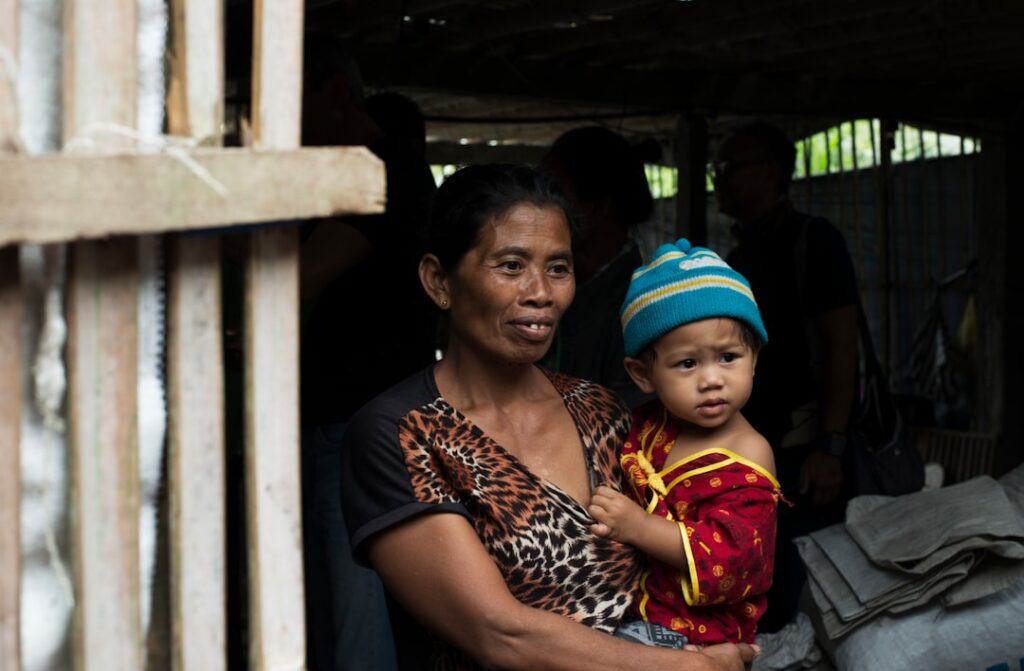
As we embark on the journey to understand the complex issue of poverty, we find ourselves confronted with a pressing question: can we truly envision a world where poverty is eradicated? The concept of “The End of Poverty” is not merely an idealistic dream; it is a goal that has been pursued by nations, organizations, and individuals alike. Poverty, in its many forms, affects billions of people around the globe, stifling potential and perpetuating cycles of despair.
In our exploration, we will delve into the intricate relationship between economic development, foreign aid, globalization, sustainable practices, education, healthcare, and government policies. Each of these elements plays a crucial role in shaping the landscape of poverty and determining the effectiveness of our efforts to combat it.
As we navigate through these interconnected themes, we will uncover not only the obstacles that stand in our way but also the innovative solutions that have emerged in the quest for a poverty-free world. Together, we can foster a deeper understanding of how we might contribute to this noble cause.
Key Takeaways
- Economic development plays a crucial role in ending poverty by creating opportunities for employment and income generation.
- Foreign aid is important in poverty reduction as it provides resources for infrastructure development, healthcare, and education in developing countries.
- Globalization has both positive and negative impacts on poverty, as it can create job opportunities but also lead to exploitation and inequality.
- Sustainable development is essential for poverty alleviation, as it focuses on meeting the needs of the present without compromising the ability of future generations to meet their own needs.
- Education and healthcare are key factors in ending poverty, as they empower individuals to break the cycle of poverty and improve their quality of life.
The Role of Economic Development in Ending Poverty
Creating Opportunities for Growth
When we invest in local economies, we create opportunities for growth that can lead to sustainable improvements in living standards.
Promoting Inclusive Growth
Economic development is not just about increasing wealth; it’s also about ensuring that this wealth is distributed equitably. We must recognize that without inclusive growth, the benefits of economic progress may not reach those who need it most.
A More Balanced Economic Landscape
By prioritizing policies that support marginalized communities and small businesses, we can create a more balanced economic landscape where everyone has a chance to thrive. In this way, economic development becomes a powerful ally in our quest to end poverty.
The Importance of Foreign Aid in Poverty Reduction

Foreign aid has long been a contentious topic in discussions about poverty alleviation. While some argue that it fosters dependency and undermines local initiatives, we must also acknowledge its potential to catalyze significant change. When directed effectively, foreign aid can provide essential resources for education, healthcare, infrastructure development, and emergency relief efforts.
It can serve as a lifeline for communities grappling with crises or natural disasters, enabling them to rebuild and recover. Furthermore, foreign aid can play a pivotal role in supporting economic development initiatives in low-income countries. By investing in projects that promote sustainable growth and empower local populations, we can help create an environment where individuals have the means to escape poverty.
It is crucial for us to advocate for a more strategic approach to foreign aid—one that emphasizes collaboration with local stakeholders and prioritizes long-term solutions over short-term fixes. In doing so, we can harness the power of foreign aid as a tool for meaningful change.
The Impact of Globalization on Poverty
Globalization has transformed the world in profound ways, creating both opportunities and challenges in the fight against poverty. On one hand, globalization has facilitated trade and investment flows that can stimulate economic growth and create jobs. We have witnessed how access to global markets can empower local entrepreneurs and boost industries in developing countries.
This interconnectedness has the potential to lift millions out of poverty by providing them with new avenues for income generation. However, we must also confront the darker side of globalization. The rapid pace of change can exacerbate inequalities and leave vulnerable populations behind.
As industries shift and jobs are outsourced, many individuals find themselves at risk of unemployment or underemployment. Additionally, globalization can lead to environmental degradation and exploitation of resources, further entrenching poverty in certain regions. It is imperative for us to advocate for policies that promote fair trade practices and protect workers’ rights while ensuring that the benefits of globalization are shared equitably across all segments of society.
Sustainable Development and Poverty Alleviation
Sustainable development is an essential framework for addressing poverty in a holistic manner. It recognizes that economic growth must be balanced with social equity and environmental stewardship. As we strive to end poverty, we must consider not only immediate needs but also the long-term implications of our actions on future generations.
By adopting sustainable practices, we can create resilient communities that are better equipped to withstand economic shocks and environmental challenges. Incorporating sustainability into our poverty alleviation strategies involves promoting renewable energy sources, responsible resource management, and environmentally friendly agricultural practices. By investing in green technologies and sustainable infrastructure, we can create jobs while also protecting our planet.
Together, we can champion a vision of development that prioritizes both human well-being and ecological health.
The Role of Education and Healthcare in Ending Poverty

Education and healthcare are fundamental pillars in the fight against poverty. Access to quality education equips individuals with the knowledge and skills necessary to secure better employment opportunities and improve their quality of life. We understand that education is not just about academic achievement; it also fosters critical thinking, creativity, and resilience—qualities that are essential for navigating an increasingly complex world.
By investing in education systems that prioritize inclusivity and accessibility, we can empower future generations to break free from the cycle of poverty. Similarly, healthcare plays a vital role in poverty reduction. Poor health can be both a cause and a consequence of poverty; without access to adequate healthcare services, individuals may struggle to work or care for their families.
By ensuring that everyone has access to essential health services—such as vaccinations, maternal care, and mental health support—we can improve overall well-being and productivity within communities. As we advocate for comprehensive education and healthcare systems, we must recognize their interconnectedness and work towards solutions that address both areas simultaneously.
The Role of Government Policies in Poverty Reduction
Government policies are instrumental in shaping the landscape of poverty alleviation efforts. Effective governance can create an enabling environment for economic growth while ensuring that social safety nets are in place for those who need them most. We must advocate for policies that prioritize equitable access to resources and opportunities, as well as those that promote social justice and human rights.
By holding governments accountable for their commitments to poverty reduction, we can help ensure that progress is made on both national and global scales. Moreover, collaboration between governments, non-governmental organizations (NGOs), and community-based organizations is essential for developing comprehensive strategies to combat poverty. By fostering partnerships that leverage diverse expertise and resources, we can create more effective interventions tailored to local contexts.
As we engage with policymakers at all levels, we must emphasize the importance of data-driven decision-making and community involvement in shaping policies that truly address the root causes of poverty.
Achieving The End of Poverty
As we reflect on our exploration of poverty alleviation strategies, it becomes clear that achieving “The End of Poverty” is an ambitious yet attainable goal. It requires a collective commitment from individuals, communities, governments, and organizations worldwide. By recognizing the interconnectedness of economic development, foreign aid, globalization, sustainable practices, education, healthcare, and government policies, we can forge a comprehensive approach to tackling this pressing issue.
Together, we have the power to drive meaningful change by advocating for inclusive policies, supporting sustainable initiatives, and fostering collaboration across sectors. While the road ahead may be challenging, our shared vision for a world free from poverty is worth pursuing. Let us unite our efforts and harness our collective strength to create a brighter future for all—one where every individual has the opportunity to thrive and contribute to their communities without the burden of poverty holding them back.
If you are interested in exploring more about poverty and its impact on society, you may want to check out this article on hellread.com. The article delves into the various factors contributing to poverty and offers insights on how individuals and communities can work towards alleviating this global issue. It complements Jeffrey Sachs’ book, The End of Poverty, by providing additional perspectives and solutions to address poverty on a broader scale.
FAQs
What is the book “The End of Poverty” about?
The book “The End of Poverty” by Jeffrey Sachs discusses the causes of poverty and offers a comprehensive plan to end extreme poverty around the world.
Who is the author of “The End of Poverty”?
The author of “The End of Poverty” is Jeffrey Sachs, an American economist and director of the Earth Institute at Columbia University.
What are some key points discussed in “The End of Poverty”?
Some key points discussed in “The End of Poverty” include the importance of investing in health, education, and infrastructure in developing countries, the role of international aid and debt relief, and the need for sustainable development strategies.
What is Jeffrey Sachs’ background and expertise in the field of poverty alleviation?
Jeffrey Sachs is a renowned economist who has advised several governments on economic development and poverty reduction. He has also served as a special advisor to the United Nations Secretary-General on the Millennium Development Goals.
What are some criticisms of “The End of Poverty”?
Some criticisms of “The End of Poverty” include concerns about the feasibility and cost of implementing Sachs’ proposed strategies, as well as debates about the effectiveness of foreign aid and the role of market forces in poverty alleviation.




