

Mark Hyman’s “What the Heck Should I Eat” serves as a comprehensive guide to navigating the often-confusing landscape of modern nutrition. In a world inundated with dietary fads, conflicting information, and marketing gimmicks, Hyman aims to demystify the complexities surrounding food choices. The book is not merely a collection of recipes or meal plans; rather, it is an exploration of the principles that underpin a healthy diet.
Hyman, a physician and a leading voice in functional medicine, draws on his extensive knowledge and experience to provide readers with actionable insights into what constitutes a nourishing diet. Hyman’s approach is rooted in the understanding that food is not just fuel; it is a powerful tool for health and well-being. He emphasizes the importance of making informed choices about what we eat, advocating for a return to whole, unprocessed foods.
By addressing the myriad factors that influence our food choices—from agricultural practices to food marketing—Hyman empowers readers to take control of their health through informed dietary decisions. His engaging writing style and evidence-based recommendations make the book accessible to a wide audience, from health enthusiasts to those simply seeking clarity in their eating habits.
Key Takeaways
- Mark Hyman’s “What the Heck Should I Eat” provides a comprehensive guide to navigating the confusing world of nutrition and making informed food choices.
- The food industry has a significant impact on public health, often prioritizing profit over the well-being of consumers.
- Macronutrients, including carbohydrates, fats, and proteins, play a crucial role in maintaining a healthy diet and should be consumed in balance.
- Quality and sourcing of food are essential considerations for ensuring that the food we eat is nutritious and free from harmful additives.
- Common dietary myths and misconceptions, such as the demonization of fats and the promotion of low-fat products, can lead to unhealthy eating habits and should be critically examined.
Understanding the Food Industry and its Impact on Health
The Profit-Driven Food Industry
Hyman delves into the intricacies of this industry, highlighting how corporate interests often prioritize profit over public health. The prevalence of processed foods, laden with additives, sugars, and unhealthy fats, is a direct result of these profit-driven motives.
The Deception of “Healthy” Foods
Hyman argues that many of the foods marketed as healthy are, in fact, detrimental to our well-being. For instance, low-fat products often compensate for reduced fat content with added sugars, leading consumers to believe they are making healthier choices when they are not.
The Impact of Industrial Agriculture on Food Quality
Moreover, Hyman discusses the impact of agricultural practices on food quality and nutrition. The industrialization of agriculture has led to a focus on yield over nutrient density. Many fruits and vegetables are grown in nutrient-depleted soils, resulting in produce that lacks essential vitamins and minerals. This decline in food quality is compounded by the widespread use of pesticides and herbicides, which can have harmful effects on both human health and the environment.
By understanding these dynamics, readers can better appreciate the importance of choosing foods that are not only nutritious but also sustainably sourced.
The Role of Macronutrients in a Healthy Diet

Macronutrients—carbohydrates, proteins, and fats—are fundamental components of our diet, each playing unique roles in maintaining health. Hyman emphasizes that not all macronutrients are created equal; the source and quality of these nutrients significantly impact their effects on the body. For example, complex carbohydrates found in whole grains, legumes, and vegetables provide sustained energy and essential fiber, while refined carbohydrates can lead to spikes in blood sugar levels and subsequent crashes.
Proteins are crucial for building and repairing tissues, as well as supporting immune function. Hyman advocates for high-quality protein sources such as grass-fed meats, wild-caught fish, and plant-based proteins like legumes and nuts. He warns against processed meats and low-quality protein sources that may contain harmful additives or be raised in unsustainable conditions.
Fats, often misunderstood, are essential for brain health and hormone production. Hyman encourages the consumption of healthy fats from sources like avocados, olive oil, and fatty fish while advising against trans fats and excessive saturated fats found in many processed foods.
The Importance of Quality and Sourcing of Food
Hyman places significant emphasis on the quality and sourcing of food as critical factors in achieving optimal health. He argues that where our food comes from matters just as much as what we eat. The rise of industrial agriculture has led to a disconnect between consumers and their food sources, resulting in a lack of awareness about how food is produced.
Hyman advocates for supporting local farmers and choosing organic or sustainably sourced products whenever possible. This not only promotes better health but also contributes to environmental sustainability. The concept of “food as medicine” is central to Hyman’s philosophy.
He believes that high-quality foods can prevent disease and promote healing. For instance, organic fruits and vegetables are often richer in nutrients compared to their conventionally grown counterparts due to healthier soil practices and reduced exposure to harmful chemicals. Additionally, pasture-raised animal products tend to have higher levels of omega-3 fatty acids and other beneficial nutrients compared to conventionally raised animals.
By prioritizing quality over convenience or price, individuals can make choices that support their long-term health.
Addressing Common Dietary Myths and Misconceptions
In “What the Heck Should I Eat,” Hyman tackles several prevalent dietary myths that can lead to confusion and poor health choices. One common misconception is that all fats are bad for you; however, he clarifies that healthy fats are essential for various bodily functions. The demonization of dietary fat has led many people to avoid it altogether, often resulting in an imbalance in nutrient intake.
Hyman encourages readers to embrace healthy fats while being mindful of their sources. Another myth Hyman addresses is the belief that carbohydrates should be entirely eliminated from the diet for weight loss or improved health. He explains that while refined carbohydrates can be harmful, whole-food sources of carbohydrates—such as fruits, vegetables, and whole grains—are vital for providing energy and essential nutrients.
By debunking these myths, Hyman empowers readers to make informed decisions based on evidence rather than fear or misinformation.
Practical Tips for Implementing a Healthy Eating Plan
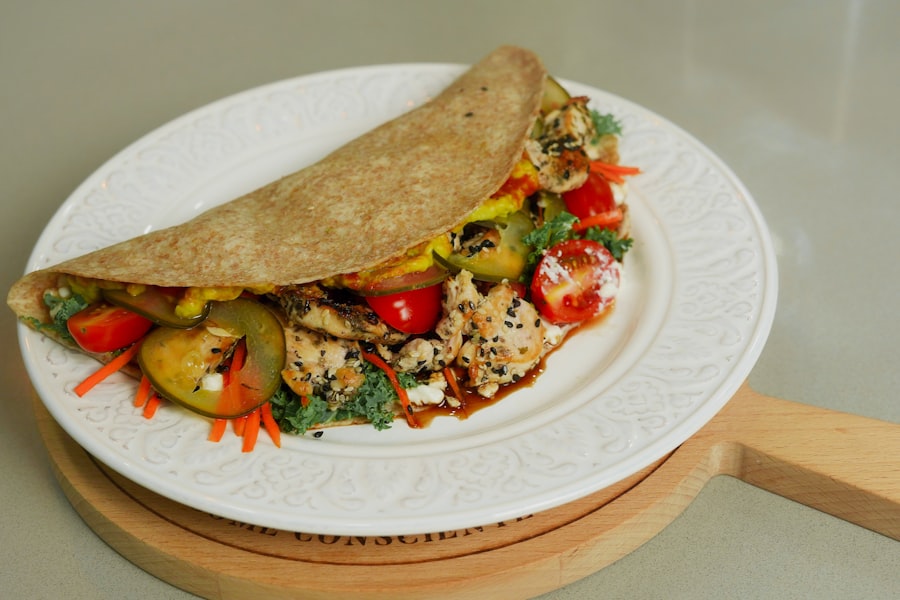
Implementing a healthy eating plan can seem daunting, but Hyman provides practical tips to simplify the process. One key strategy is meal planning; by preparing meals in advance, individuals can avoid last-minute unhealthy choices driven by convenience or hunger. Hyman suggests dedicating time each week to plan meals around whole foods, incorporating a variety of colors and types of produce to ensure a diverse nutrient intake.
Another practical tip is to cultivate mindfulness around eating habits. Hyman encourages readers to pay attention to hunger cues and practice portion control without resorting to restrictive dieting. This approach fosters a healthier relationship with food and helps individuals recognize when they are truly hungry versus eating out of habit or emotional triggers.
Additionally, he advocates for cooking at home as much as possible; this not only allows for greater control over ingredients but also encourages creativity in meal preparation.
The Connection Between Food and Chronic Diseases
Hyman highlights the profound connection between diet and chronic diseases such as obesity, diabetes, heart disease, and certain cancers. He argues that many chronic conditions can be traced back to poor dietary choices influenced by the modern food environment. For instance, diets high in processed foods and added sugars contribute significantly to obesity rates and related health issues.
Hyman emphasizes that by adopting a nutrient-dense diet rich in whole foods, individuals can reduce their risk of developing these diseases. Research supports Hyman’s assertions; numerous studies have shown that diets emphasizing fruits, vegetables, whole grains, lean proteins, and healthy fats are associated with lower rates of chronic diseases. For example, the Mediterranean diet—a pattern rich in plant-based foods—has been linked to reduced cardiovascular risk factors and improved metabolic health.
Taking Control of Your Health through Nutrition
Mark Hyman’s “What the Heck Should I Eat” serves as an invaluable resource for anyone seeking to take control of their health through nutrition. By providing insights into the complexities of the food industry, the importance of macronutrients, and practical strategies for healthy eating, Hyman empowers readers to make informed choices that align with their health goals. His emphasis on quality sourcing and debunking dietary myths further enhances our understanding of how food impacts our overall well-being.
Ultimately, Hyman’s work encourages individuals to view food not just as sustenance but as a vital component of their health journey. By embracing whole foods and being mindful of dietary choices, readers can cultivate a lifestyle that supports both physical health and emotional well-being. In an era where misinformation abounds, “What the Heck Should I Eat” stands out as a beacon of clarity and guidance for those ready to embark on a transformative journey toward better health through nutrition.
If you’re looking for more information on healthy eating habits, you may want to check out the article “The Ultimate Guide to Clean Eating” on


