

The Silk Roads, a network of trade routes that connected the East and West, have long been recognized as a pivotal element in the development of civilizations across continents. Spanning thousands of miles, these routes facilitated not only the exchange of goods but also the transfer of ideas, cultures, and technologies. The term “Silk Road” itself is derived from the lucrative silk trade that was a significant part of this network, particularly during the Han Dynasty in China.
However, the Silk Roads were far more than just a conduit for silk; they were a complex web of interactions that shaped the course of history. The significance of the Silk Roads extends beyond mere commerce. They served as a bridge between diverse cultures, allowing for the mingling of philosophies, religions, and artistic expressions.
From the bustling markets of Chang’an to the vibrant bazaars of Constantinople, the Silk Roads were alive with the sounds and sights of myriad cultures. This intricate tapestry of human interaction laid the groundwork for globalization long before the term was even conceived. As we delve deeper into the historical context, impact on trade, cultural exchanges, and their legacy, it becomes evident that the Silk Roads were instrumental in shaping not only the ancient world but also the modern one.
Key Takeaways
- The Silk Roads were a network of trade routes that connected the East and West, facilitating the exchange of goods, ideas, and culture.
- The historical context of the Silk Roads spans over 2,000 years, with its peak during the Han Dynasty in China and the Roman Empire in the West.
- The Silk Roads had a significant impact on global trade, leading to the spread of goods such as silk, spices, and precious metals across continents.
- Cultural exchange along the Silk Roads led to the diffusion of religions, languages, and artistic styles, shaping the development of diverse societies.
- The decline of the Silk Roads was followed by a revival in the modern era, with the emergence of new trade routes and geopolitical significance in the 21st century.
Historical Context of The Silk Roads
Establishing Trade Relations
The origins of the Silk Roads can be traced back to the 2nd century BCE during the Han Dynasty when Emperor Wu initiated trade with Central Asia. This marked a significant turning point in history as it opened up new avenues for commerce and cultural exchange. The establishment of these routes was not merely a result of economic ambition; it was also driven by political motives.
Infrastructure and Technological Advancements
The Han Dynasty sought to expand its influence and secure alliances with neighboring states, which led to the establishment of trade relations that would flourish for centuries. As trade flourished, so did the infrastructure supporting it. Caravanserais—roadside inns that provided shelter and services to travelers—sprang up along these routes, facilitating long-distance travel and trade. The introduction of technologies such as the compass and advancements in shipbuilding further enhanced maritime trade routes, connecting regions like Southeast Asia and the Indian subcontinent to the broader network.
The Evolution of the Silk Roads
The historical context of the Silk Roads is marked by a series of empires that rose and fell, each contributing to the evolution of these trade routes. The Roman Empire, the Byzantine Empire, and later Islamic Caliphates played crucial roles in maintaining and expanding these connections.
The Impact of The Silk Roads on Global Trade
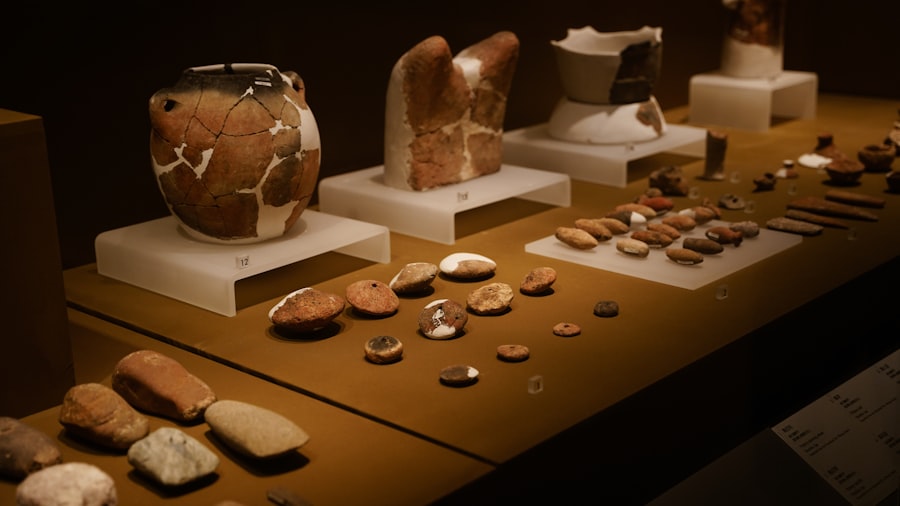
The impact of the Silk Roads on global trade cannot be overstated. They served as a vital artery for commerce, facilitating not only the exchange of luxury goods like silk, spices, and precious metals but also everyday commodities such as textiles and grains. The flow of goods along these routes stimulated economies across continents, creating a complex web of interdependence among various regions.
For instance, silk from China was highly sought after in Rome, while glassware from the Mediterranean found its way to Asian markets. Moreover, the Silk Roads contributed to the rise of powerful trading cities that became cultural melting pots. Cities like Samarkand and Bukhara thrived as commercial hubs where merchants from different backgrounds converged.
These urban centers became synonymous with wealth and cultural richness, attracting scholars, artists, and travelers alike.
The Cultural Exchange along The Silk Roads
Cultural exchange along the Silk Roads was as significant as economic transactions. The movement of people—merchants, pilgrims, scholars—allowed for a rich interchange of ideas and beliefs. Buddhism, for example, spread from India to Central Asia and eventually into China through these routes.
Monks traveled along the Silk Roads, establishing monasteries and translating sacred texts, which contributed to the religion’s growth in East Asia. In addition to religion, artistic influences traveled along these routes as well. The blending of styles can be seen in various art forms, from pottery to textiles.
For instance, Persian carpets exhibit motifs that reflect both local traditions and influences from Chinese art due to this cross-cultural interaction. Similarly, architectural styles evolved as builders incorporated elements from different cultures into their designs. The Great Mosque of Samarra in Iraq showcases features that reflect both Islamic architectural principles and influences from earlier Mesopotamian structures.
The Decline and Revival of The Silk Roads
The decline of the Silk Roads can be attributed to several factors, including political instability, changing trade patterns, and technological advancements in maritime navigation. By the late medieval period, European powers began to seek direct sea routes to Asia to bypass overland trade networks dominated by Middle Eastern intermediaries. This shift significantly reduced the importance of overland trade routes that had once flourished along the Silk Roads.
However, despite this decline, there were periods of revival that showcased the enduring significance of these routes. The Mongol Empire in the 13th century revitalized trade across Eurasia by providing security and stability along these routes. Under Genghis Khan and his successors, merchants could traverse vast distances with relative safety, leading to a resurgence in commerce and cultural exchange.
This era saw an influx of goods and ideas flowing between East and West once again.
The Geopolitical Significance of The Silk Roads
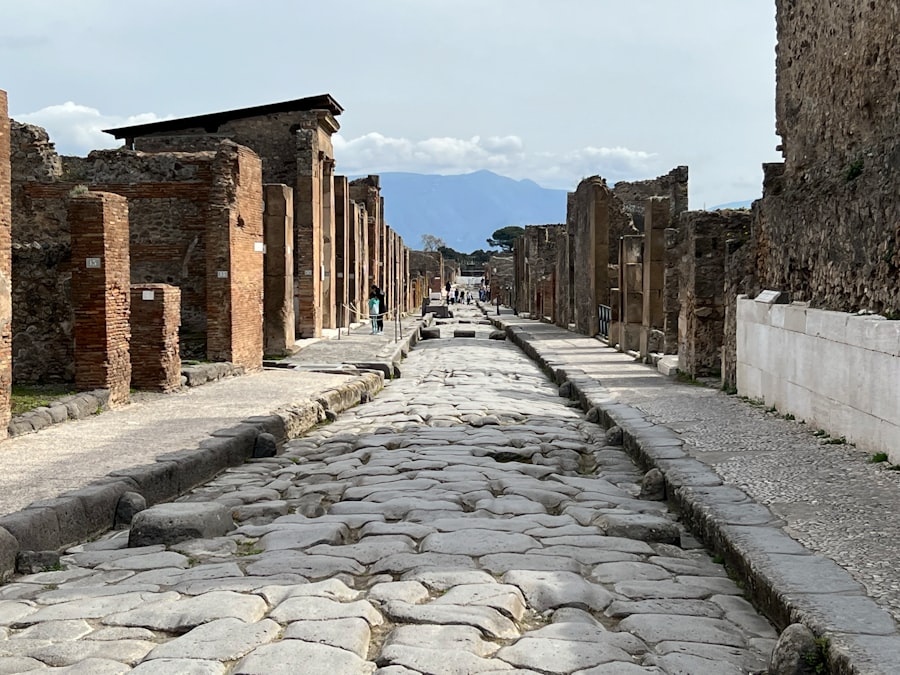
The geopolitical significance of the Silk Roads has been profound throughout history. Control over these trade routes often meant control over vast wealth and resources. Empires that dominated sections of the Silk Roads wielded considerable influence over their neighbors and beyond.
For instance, during its height, the Mongol Empire not only facilitated trade but also established a vast network of communication that allowed for rapid dissemination of information across continents. In contemporary times, the geopolitical relevance of the Silk Roads has resurfaced with initiatives like China’s Belt and Road Initiative (BRI). This ambitious project aims to enhance connectivity between Asia, Europe, and Africa through infrastructure development reminiscent of ancient trade routes.
By investing in roads, railways, and ports across multiple countries, China seeks to revive historical trade connections while expanding its economic influence globally.
The Legacy of The Silk Roads in the Modern World
The legacy of the Silk Roads is evident in various aspects of modern society.
Today’s global economy still reflects patterns established by these early exchanges; supply chains often span multiple countries and continents.
Moreover, cultural influences from the Silk Roads continue to shape contemporary art, cuisine, and philosophy. For example, culinary traditions have been enriched by spices and cooking techniques exchanged along these routes. Similarly, philosophical ideas such as those found in Buddhism or Sufism have transcended their geographical origins to influence global thought systems today.
The Continued Relevance of The Silk Roads
The continued relevance of the Silk Roads is underscored by their historical significance and their impact on modern global dynamics. As nations seek to strengthen economic ties through infrastructure projects reminiscent of ancient trade routes, it becomes clear that the spirit of collaboration and exchange fostered by the Silk Roads remains vital today. In an increasingly interconnected world facing challenges such as climate change and geopolitical tensions, revisiting the lessons learned from this ancient network may provide valuable insights into fostering cooperation among diverse cultures for a more harmonious future.
If you enjoyed reading about the historical significance of the Silk Roads in Peter Frankopan’s book, you may also be interested in exploring more articles on ancient civilizations and trade routes on hellread.com. One article that caught my attention is titled “Hello World” and delves into the interconnectedness of different cultures throughout history. It provides a fascinating perspective on how trade and communication have shaped our world.
FAQs
What are the Silk Roads?
The Silk Roads were a network of ancient trade routes that connected the East and West, facilitating the exchange of goods, ideas, and culture between different civilizations.
When were the Silk Roads established?
The Silk Roads were established during the Han Dynasty in China, around 206 BCE to 220 CE, and continued to be used for trade and cultural exchange for over 1,500 years.
What goods were traded on the Silk Roads?
A wide variety of goods were traded on the Silk Roads, including silk, spices, precious metals, gems, textiles, ceramics, and exotic animals. Ideas, religions, and technologies were also exchanged along the routes.
How did the Silk Roads impact the world?
The Silk Roads played a significant role in shaping the economies, cultures, and societies of the civilizations that were connected by the trade routes. They facilitated the spread of ideas, religions, and technologies, and contributed to the development of global trade and commerce.
Who wrote the book “The Silk Roads”?
“The Silk Roads: A New History of the World” was written by Peter Frankopan, a historian and professor at the University of Oxford. The book explores the historical significance of the Silk Roads and their impact on the world.




