
In the contemporary business landscape, the integration of technology and information management has become paramount for organizations striving to maintain a competitive edge. Business Information Systems (BIS) serve as the backbone of this integration, facilitating the collection, processing, storage, and dissemination of data that is crucial for decision-making and operational efficiency. These systems encompass a wide array of tools and methodologies that enable businesses to harness data effectively, transforming raw information into actionable insights.
As organizations increasingly rely on data-driven strategies, understanding the intricacies of BIS becomes essential for both managers and IT professionals. The evolution of BIS has been significantly influenced by advancements in technology, particularly in areas such as cloud computing, big data analytics, and artificial intelligence.
As companies navigate through the complexities of digital transformation, the role of BIS in streamlining processes, improving customer engagement, and driving innovation cannot be overstated. This article delves into the fundamental concepts, methodologies, tools, applications, and future trends associated with Business Information Systems, providing a comprehensive overview of their significance in today’s business environment.
Key Takeaways
- Business Information Systems (BIS) are crucial for organizations to manage, process, and analyze data to make informed business decisions.
- Concepts of BIS include data management, business intelligence, decision support systems, and enterprise resource planning.
- Methodologies for implementing BIS include agile, waterfall, and hybrid approaches to ensure successful integration and adoption.
- Tools and technologies used in BIS encompass database management systems, data analytics software, cloud computing, and enterprise software solutions.
- BIS find applications in various industries such as healthcare, finance, retail, and manufacturing, enabling efficient operations and strategic decision-making.
Understanding the Concepts of Business Information Systems
At its core, a Business Information System is an organized system designed to collect, store, manage, and disseminate information within an organization. It encompasses various components, including hardware, software, data, procedures, and people. The interplay between these elements creates a framework that supports business operations and decision-making processes.
For instance, a Customer Relationship Management (CRM) system exemplifies how BIS can be utilized to manage interactions with current and potential customers, thereby enhancing customer satisfaction and loyalty. Moreover, BIS can be categorized into different types based on their functionality and purpose. Transaction Processing Systems (TPS) are designed to handle day-to-day transactions efficiently, while Management Information Systems (MIS) provide reports and summaries that aid managerial decision-making.
Executive Information Systems (EIS) offer top executives quick access to internal and external information relevant to strategic goals. Understanding these distinctions is crucial for organizations as they seek to implement systems that align with their specific needs and objectives.
Methodologies for Implementing Business Information Systems

The successful implementation of Business Information Systems requires a structured approach that encompasses various methodologies. One widely adopted methodology is the Systems Development Life Cycle (SDLC), which outlines a series of phases including planning, analysis, design, implementation, and maintenance. Each phase plays a critical role in ensuring that the system meets organizational requirements and functions effectively.
For example, during the planning phase, stakeholders identify the need for a new system and outline its objectives, while the analysis phase involves gathering detailed requirements from users. Another popular methodology is Agile development, which emphasizes flexibility and iterative progress through short cycles known as sprints. This approach allows teams to adapt to changing requirements and incorporate user feedback throughout the development process.
Agile methodologies are particularly beneficial in dynamic environments where business needs evolve rapidly. By fostering collaboration between cross-functional teams and stakeholders, Agile ensures that the final product aligns closely with user expectations and organizational goals.
Tools and Technologies used in Business Information Systems
The landscape of Business Information Systems is enriched by a plethora of tools and technologies that enhance their functionality and effectiveness. Database management systems (DBMS) are fundamental components that enable organizations to store and retrieve vast amounts of data efficiently. Popular DBMS platforms such as Oracle, Microsoft SQL Server, and MySQL provide robust solutions for managing structured data while ensuring data integrity and security.
In addition to DBMS, Business Intelligence (BI) tools play a crucial role in transforming raw data into meaningful insights. Tools like Tableau, Power BI, and QlikView allow users to visualize data through interactive dashboards and reports, facilitating informed decision-making. These BI solutions empower organizations to analyze trends, monitor key performance indicators (KPIs), and derive actionable insights from their data repositories.
Furthermore, cloud computing technologies have revolutionized the deployment of BIS by offering scalable solutions that reduce infrastructure costs. Platforms such as Amazon Web Services (AWS), Microsoft Azure, and Google Cloud provide organizations with the flexibility to access their information systems from anywhere while ensuring high availability and security.
Applications of Business Information Systems in Different Industries
Business Information Systems find applications across various industries, each leveraging technology to address unique challenges and enhance operational efficiency. In the healthcare sector, for instance, Electronic Health Records (EHR) systems streamline patient information management, enabling healthcare providers to access comprehensive patient histories quickly. This not only improves patient care but also facilitates compliance with regulatory requirements.
In retail, Point of Sale (POS) systems exemplify how BIS can optimize sales transactions and inventory management. These systems enable retailers to track sales in real-time, manage stock levels efficiently, and analyze customer purchasing behavior. By integrating POS systems with e-commerce platforms, retailers can create a seamless omnichannel experience for customers.
Manufacturing industries utilize Enterprise Resource Planning (ERP) systems to integrate various business processes such as production planning, supply chain management, and financial accounting. By providing a unified view of operations, ERP systems enhance coordination among departments and improve overall productivity.
Case Studies and Success Stories of Business Information Systems
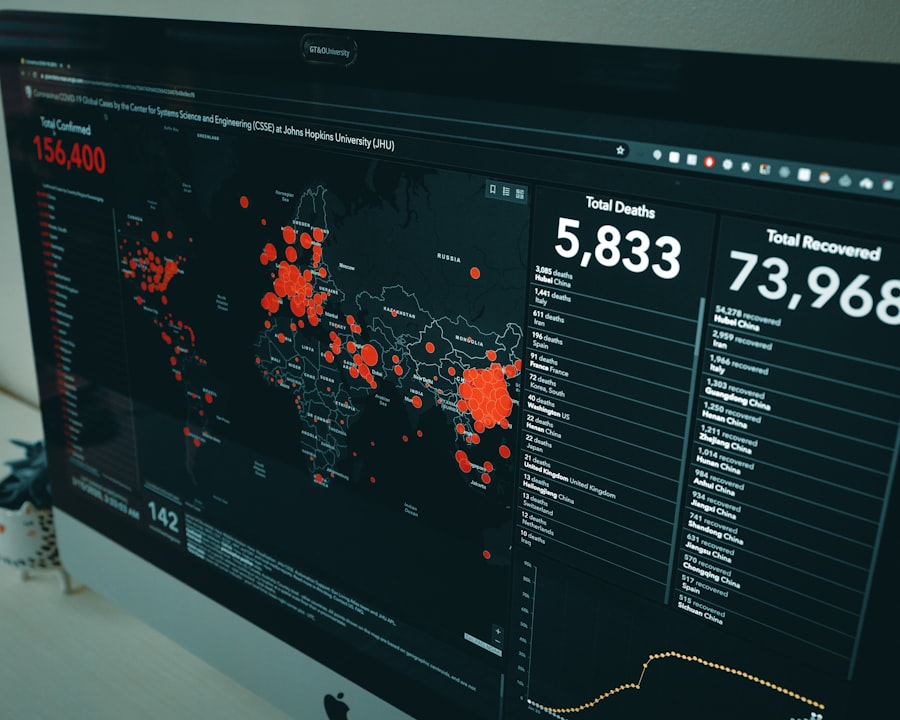
Numerous organizations have successfully implemented Business Information Systems to achieve significant improvements in their operations. A notable example is Starbucks, which has leveraged technology to enhance customer experience through its mobile app.
By integrating this system with its inventory management processes, Starbucks has optimized its supply chain while providing personalized marketing offers based on customer preferences. Another success story is that of General Electric (GE), which adopted an advanced analytics platform known as Predix for its industrial operations. This platform enables GE to collect data from its machinery and equipment in real-time, allowing for predictive maintenance and reducing downtime significantly.
By harnessing the power of data analytics through Predix, GE has improved operational efficiency across its manufacturing facilities while minimizing costs associated with equipment failures.
Challenges and Risks in Implementing Business Information Systems
Despite the numerous benefits associated with Business Information Systems, organizations often encounter challenges during implementation. One significant challenge is resistance to change among employees who may be accustomed to traditional processes. This resistance can hinder the adoption of new systems and technologies if not managed effectively through training and change management strategies.
Data security is another critical concern when implementing BIS. Organizations must ensure that sensitive information is protected from unauthorized access or breaches. The increasing prevalence of cyber threats necessitates robust security measures such as encryption, access controls, and regular security audits to safeguard data integrity.
Additionally, integrating new systems with existing legacy systems can pose technical challenges. Organizations may face compatibility issues or data migration difficulties that can disrupt operations if not addressed adequately during the planning phase.
Future Trends and Innovations in Business Information Systems
As technology continues to evolve at an unprecedented pace, the future of Business Information Systems is poised for transformative changes. One emerging trend is the integration of artificial intelligence (AI) and machine learning (ML) into BIS. These technologies enable organizations to automate routine tasks, analyze vast datasets for insights, and enhance decision-making processes through predictive analytics.
The rise of the Internet of Things (IoT) is also set to revolutionize BIS by connecting devices and sensors to gather real-time data from various sources. This connectivity will allow businesses to monitor operations more closely and respond proactively to changing conditions. Furthermore, the adoption of blockchain technology is gaining traction within BIS as organizations seek enhanced transparency and security in transactions.
Blockchain’s decentralized nature can provide immutable records that enhance trust among stakeholders while reducing fraud risks. In conclusion, Business Information Systems are integral to modern organizations seeking efficiency and competitive advantage in an increasingly digital world. As businesses continue to adapt to technological advancements, understanding the principles behind BIS will be crucial for leveraging their full potential in driving growth and innovation.
If you are interested in exploring more about the world of business information systems, you may want to check out the article “Hello World” on Hellread.com. This article delves into the basics of programming and how it relates to the field of business information systems. It provides a unique perspective on the importance of technology in today’s business world. To read more, visit here.
FAQs
What is Business Information Systems?
Business Information Systems (BIS) refer to the use of information technology in the business environment to improve operations, management, decision-making, and strategic planning.
What are the key concepts of Business Information Systems?
Key concepts of Business Information Systems include data management, business intelligence, decision support systems, enterprise resource planning, and customer relationship management.
What are the methodologies used in Business Information Systems?
Methodologies used in Business Information Systems include systems analysis, design, development, implementation, and maintenance.
What are the tools used in Business Information Systems?
Tools used in Business Information Systems include database management systems, data analytics software, enterprise software, and customer relationship management software.
What are the applications of Business Information Systems?
Applications of Business Information Systems include improving operational efficiency, enhancing decision-making processes, enabling strategic planning, and facilitating customer relationship management.