
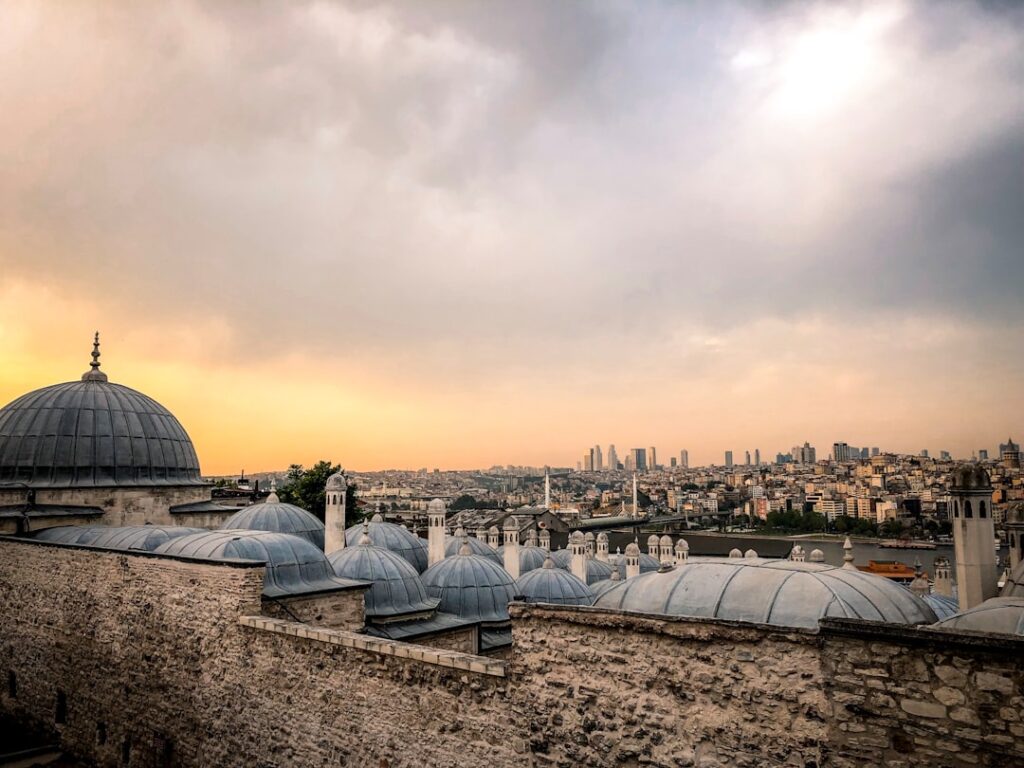
“The Road to Oxiana,” published in 1937, stands as a seminal work in the genre of travel literature, capturing the essence of a journey that transcends mere geographical exploration. The book chronicles Robert Byron’s travels through the Middle East, particularly focusing on his experiences in Persia (modern-day Iran) and Afghanistan. Byron’s narrative is not just a recounting of places visited; it is a rich tapestry woven with observations on architecture, culture, and the people he encounters along the way.
The title itself references Oxiana, an ancient region that has fascinated historians and travelers alike, symbolizing a quest for knowledge and understanding of a world that was both exotic and enigmatic to Western eyes. Byron’s prose is characterized by its lyrical quality and keen observational skills, which invite readers to immerse themselves in the landscapes and cultures he describes. The book is structured as a travelogue, but it transcends the typical format by incorporating elements of history, art criticism, and personal reflection.
This multifaceted approach allows Byron to paint a vivid picture of the places he visits while also engaging with broader themes of civilization and cultural exchange. As readers traverse the pages of “The Road to Oxiana,” they are not merely following a physical journey; they are embarking on an intellectual expedition that challenges preconceived notions about the East and its historical significance.
Key Takeaways
- “The Road to Oxiana” is a travelogue written by Robert Byron, chronicling his journey through the Middle East and Central Asia in the 1930s.
- Robert Byron was an English travel writer and art critic known for his wit, humor, and keen observations of the places he visited.
- The journey took Byron from Europe through countries such as Greece, Turkey, and Iran, and eventually to Afghanistan and India.
- The book vividly describes the diverse landscapes, architecture, and cultures encountered by Byron during his travels.
- “The Road to Oxiana” is considered a pioneering work in the genre of travel writing, influencing future generations of writers and travelers.
The Author: Robert Byron
Robert Byron was born in 1905 into a well-to-do family in England, which afforded him the opportunity to pursue an education at prestigious institutions such as Oxford University. His background played a significant role in shaping his worldview, providing him with both the means and the intellectual framework to explore distant lands. Byron’s early exposure to art and literature influenced his writing style, which is marked by a deep appreciation for aesthetics and an acute awareness of cultural nuances.
His passion for travel was ignited during his formative years, leading him to embark on numerous journeys across Europe and beyond. Byron’s literary career was relatively short-lived, as he tragically died in a plane crash in 1941 at the age of 36.
“The Road to Oxiana” is often regarded as his magnum opus, showcasing his ability to blend personal narrative with historical context. Byron’s keen eye for detail and his ability to articulate the beauty of the landscapes he encountered set him apart from his contemporaries. His writing reflects not only a sense of adventure but also a profound respect for the cultures he engaged with, making him a pioneering figure in travel literature.
The Journey: From Europe to the Middle East
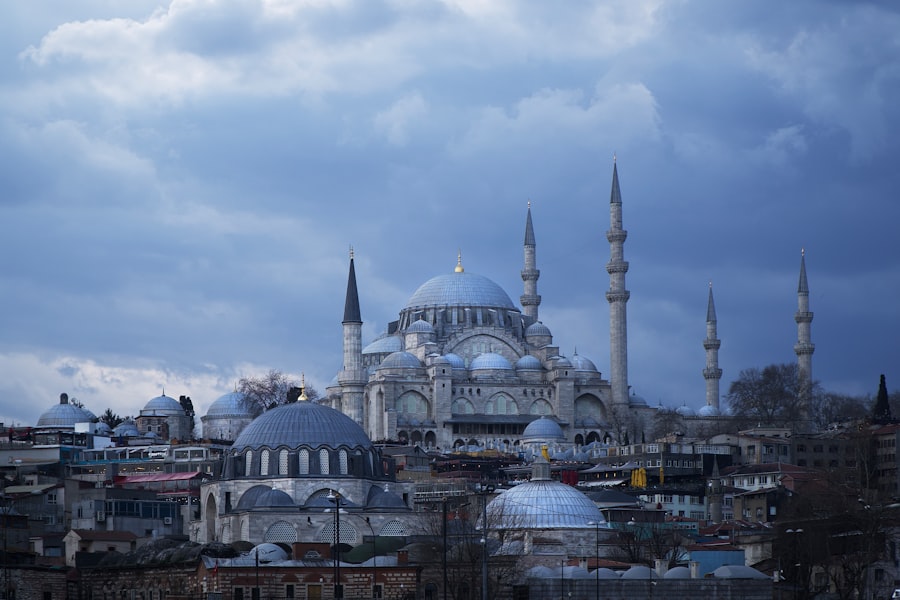
Byron’s journey begins in Europe, where he sets out with a sense of purpose and curiosity that drives him eastward. He travels through various countries, each offering its own unique experiences and insights. His route takes him through Turkey, where he marvels at the architectural wonders of Istanbul, before continuing on to Persia.
The journey is not merely a physical traversal of landscapes; it is also an exploration of historical narratives and cultural intersections that have shaped the region over centuries. As Byron makes his way into Persia, he becomes increasingly captivated by the rich tapestry of its history and culture. He visits cities like Isfahan and Shiraz, where he immerses himself in the local customs and traditions.
His descriptions are vivid and evocative, capturing the essence of Persian life in a way that resonates with readers. Byron’s encounters with local people—merchants, artisans, and scholars—provide a window into the complexities of Persian society, revealing both its grandeur and its struggles. The journey serves as a catalyst for Byron’s reflections on civilization, art, and the interconnectedness of cultures.
The Landscapes and Cultures Encountered
Throughout “The Road to Oxiana,” Byron’s descriptions of landscapes are infused with poetic imagery that brings the regions he visits to life. From the rugged mountains of Afghanistan to the serene gardens of Persian cities, each setting is portrayed with a sense of wonder and reverence. Byron’s keen eye for detail allows him to capture not only the physical beauty of these places but also their cultural significance.
For instance, his observations on the intricate tile work of mosques or the vibrant bazaars reveal a deep appreciation for the artistry that defines Persian architecture. Byron’s encounters with diverse cultures further enrich his narrative. He engages with local customs, traditions, and languages, often reflecting on how these elements shape identity and community.
His interactions with individuals from various backgrounds—be they nomadic tribes or urban dwellers—offer insights into the complexities of life in the Middle East during a time of significant political change. Byron’s ability to convey these experiences with empathy and nuance allows readers to gain a deeper understanding of the cultural dynamics at play.
The Influence on Travel Writing
“The Road to Oxiana” has had a profound impact on the field of travel writing, influencing generations of writers who followed in Byron’s footsteps. His blend of personal narrative with historical context set a new standard for travel literature, encouraging authors to engage more deeply with the places they visit rather than merely documenting their experiences. Byron’s emphasis on cultural exchange and understanding paved the way for future travel writers to explore themes of globalization and interconnectedness.
Moreover, Byron’s lyrical prose has inspired many contemporary travel writers who seek to capture not just the sights but also the emotions associated with their journeys. His ability to convey a sense of place through vivid descriptions has become a hallmark of effective travel writing. Writers such as Pico Iyer and Paul Theroux have cited Byron as an influence, acknowledging how his work encourages them to delve into the complexities of culture and identity in their own narratives.
The Legacy of The Road to Oxiana
The legacy of “The Road to Oxiana” extends beyond its immediate impact on travel writing; it has also contributed significantly to our understanding of cultural history in the Middle East. Byron’s observations provide valuable insights into a region that was often misunderstood or misrepresented in Western discourse during his time. By documenting his experiences with sensitivity and depth, Byron helped humanize the people and cultures he encountered, challenging stereotypes that persisted in Western narratives.
Furthermore, “The Road to Oxiana” has been recognized for its artistic merit, often regarded as a literary work that transcends traditional travel writing. Critics have praised Byron’s ability to weave together history, art criticism, and personal reflection into a cohesive narrative that resonates with readers on multiple levels. This multifaceted approach has solidified Byron’s place as one of the foremost figures in travel literature, ensuring that his work continues to be studied and appreciated by scholars and enthusiasts alike.
Criticisms and Controversies
Despite its acclaim, “The Road to Oxiana” has not been without its criticisms. Some scholars argue that Byron’s perspective is inherently Eurocentric, reflecting colonial attitudes prevalent during his time. While he demonstrates an appreciation for Persian culture, critics contend that his observations are often filtered through a Western lens that may overlook or simplify complex social dynamics.
This critique raises important questions about representation in travel writing and the responsibilities of authors when engaging with cultures outside their own. Additionally, some readers have noted that Byron’s romanticized depictions of landscapes can border on idealization, potentially glossing over the socio-political realities faced by the regions he explores.
These criticisms highlight the need for critical engagement with travel literature, encouraging readers to approach such works with an awareness of their historical context and potential biases.
The Book’s Enduring Impact
“The Road to Oxiana” remains a vital work in contemporary discussions about travel literature and cultural representation. Its enduring impact can be seen in how it continues to inspire new generations of travelers and writers who seek to explore the complexities of our interconnected world. The book serves as both a historical document and a literary masterpiece, inviting readers to reflect on their own perceptions of culture and identity.
In an age where globalization has made travel more accessible than ever before, Byron’s insights into cultural exchange resonate strongly. His emphasis on empathy and understanding serves as a reminder that travel is not merely about visiting new places but about engaging with diverse perspectives and fostering connections across borders. As readers navigate their own journeys—whether physical or intellectual—they can draw inspiration from Byron’s quest for knowledge and appreciation for the richness of human experience encapsulated within “The Road to Oxiana.”
If you enjoyed reading The Road to Oxiana by Robert Byron, you may also be interested in checking out this article on Hellread titled Hello World. This article explores the concept of new beginnings and the excitement of embarking on a journey into the unknown, much like the author’s own travels through the Middle East and Central Asia. It delves into the themes of exploration, discovery, and the transformative power of travel, making it a fitting companion piece to Byron’s classic travelogue.
FAQs
What is The Road to Oxiana by Robert Byron?
The Road to Oxiana is a travelogue written by British travel writer Robert Byron. It was first published in 1937 and is considered a classic of travel literature.
What is the book about?
The book chronicles Byron’s journey through the Middle East and Central Asia in the 1930s, from Beirut to Oxiana, which is now part of modern-day Afghanistan. It provides vivid descriptions of the places he visited, the people he met, and the historical and cultural significance of the region.
What makes The Road to Oxiana significant?
The Road to Oxiana is significant for its literary style, as well as its historical and cultural insights into the regions Byron traveled through. It is also considered one of the first examples of the modern travelogue genre.
What is the writing style of The Road to Oxiana?
The book is known for its lyrical and descriptive prose, as well as its keen observations of the places and people Byron encountered during his journey. It is often praised for its evocative and vivid storytelling.
How has The Road to Oxiana been received?
The Road to Oxiana has been widely praised by critics and readers alike for its literary merit and its contribution to the travel literature genre. It has been influential in inspiring other travel writers and has remained popular since its initial publication.




