
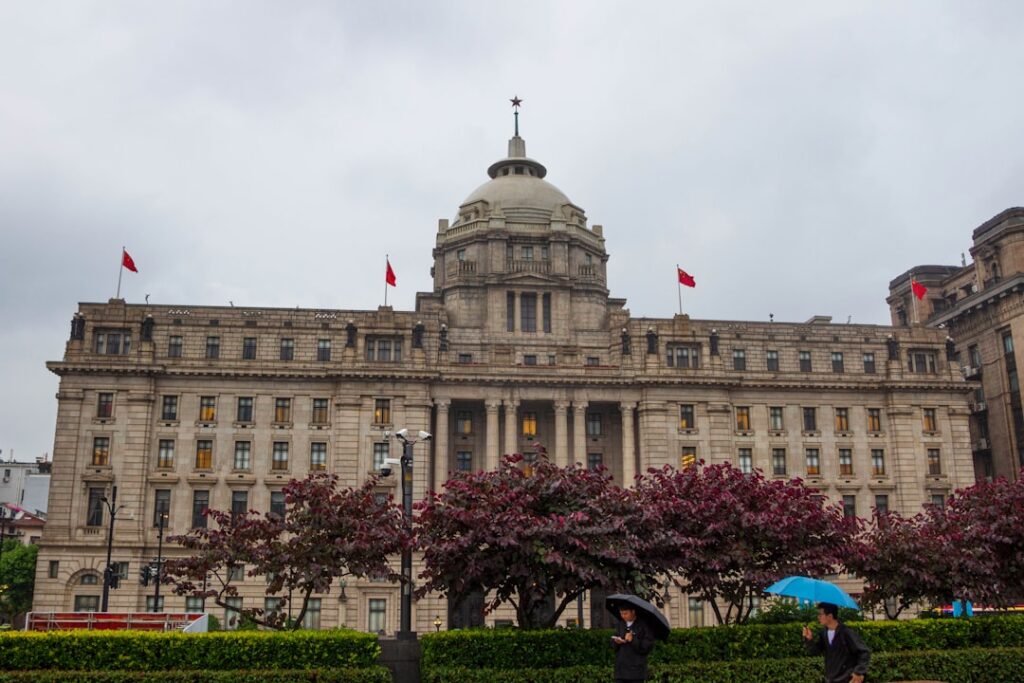
The interplay between crisis and state power has been a subject of intense scrutiny and debate among political theorists, historians, and sociologists. The term “Leviathan,” derived from Thomas Hobbes’ seminal work, refers to the state or sovereign authority that wields power over its citizens. In times of crisis, whether due to war, economic collapse, or natural disasters, the dynamics of governance often shift dramatically.
The state tends to expand its reach and authority, sometimes at the expense of individual liberties and democratic norms. This phenomenon raises critical questions about the nature of power, the role of government, and the rights of citizens during tumultuous periods. Understanding the relationship between crisis and Leviathan is essential for comprehending how societies respond to existential threats and how these responses can shape the trajectory of political and social life.
The concept of crisis as a catalyst for state expansion is not merely theoretical; it has been observed throughout history.
In many cases, states enact emergency measures that grant them extraordinary powers, often justified by the need to maintain order and protect public safety.
However, these measures can lead to long-lasting changes in the balance of power between the state and its citizens. As we delve deeper into this topic, we will explore the theoretical underpinnings of crisis and Leviathan, examine historical instances where this dynamic has played out, and consider the implications for contemporary society.
Key Takeaways
- Crisis and Leviathan refers to the idea that during times of crisis, governments tend to expand their power and control over society.
- Historical examples, such as wars and natural disasters, have often led to the growth of government authority and intervention.
- The impact of Crisis and Leviathan on society can lead to increased government regulation and loss of individual freedoms.
- Critics argue that the expansion of government power during crises can lead to abuse of authority and infringement on civil liberties.
- The concept of Crisis and Leviathan remains relevant in modern times, as seen in government responses to events like the COVID-19 pandemic.
The Concept of Crisis and Leviathan
The Social Contract in Times of Crisis
In times of crisis, this social contract is often invoked to justify an expansion of state power. The rationale is that when faced with imminent threats, such as terrorism or pandemics, citizens may willingly cede more authority to their governments in exchange for protection.
The Psychological Aspects of Crisis Management
During periods of uncertainty, fear can drive public opinion toward supporting more authoritarian measures. Governments may exploit this fear to implement policies that would otherwise be deemed unacceptable in stable times. The erosion of civil liberties often occurs incrementally; what begins as temporary measures can become entrenched in the fabric of governance.
Ethical Questions and the Limits of State Power
This phenomenon raises ethical questions about the limits of state power and the responsibilities of citizens to safeguard their rights.
Historical Examples of Crisis and Leviathan
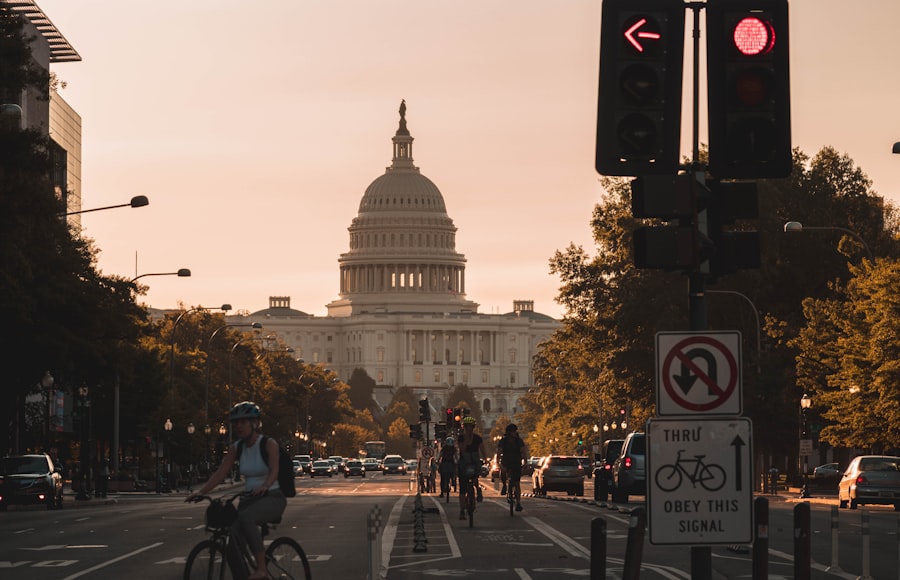
Throughout history, numerous examples illustrate the relationship between crisis and state power. One prominent case is the United States during World War
Faced with an existential threat from Axis powers, the U.S. government expanded its authority significantly. The War Powers Act allowed for unprecedented control over various aspects of civilian life, including rationing, labor mobilization, and even censorship.
The internment of Japanese Americans serves as a stark reminder of how fear can lead to gross violations of civil liberties under the guise of national security.
Another significant example is the response to the September 11 attacks in 2001. In the aftermath of this tragedy, the U.S. government enacted the USA PATRIOT Act, which granted law enforcement agencies sweeping surveillance powers.
The justification was clear: to prevent future terrorist attacks. However, this expansion of state power raised alarms about privacy rights and civil liberties. The long-term implications of such legislation continue to be debated today, as many argue that it set a precedent for government overreach in times of perceived crisis.
Impact of Crisis and Leviathan on Society
The impact of crises on societal structures can be profound and multifaceted. When governments expand their powers in response to crises, they often reshape social norms and expectations regarding authority and individual rights. For instance, during times of war or national emergency, citizens may become more accepting of surveillance measures or restrictions on movement as they prioritize security over personal freedoms.
This shift can lead to a normalization of state intervention in daily life, creating a culture where citizens are less likely to question governmental authority. Moreover, the long-term effects on civil society can be significant. Organizations that advocate for civil liberties may find themselves under increased scrutiny or pressure from the state.
Activism can be stifled as dissent is viewed through the lens of national security concerns. This dynamic can create a chilling effect on free speech and public discourse, as individuals may fear repercussions for expressing dissenting opinions or challenging government policies. The erosion of trust between citizens and their government can also have lasting consequences for democratic engagement and participation.
Critiques and Controversies Surrounding Crisis and Leviathan
The relationship between crisis and Leviathan is not without its critiques and controversies. Critics argue that governments often exploit crises to justify authoritarian measures that serve their interests rather than those of the public. This perspective posits that rather than acting in good faith to protect citizens, states may use crises as opportunities to consolidate power and suppress dissent.
The argument is bolstered by historical examples where emergency measures have persisted long after the initial crisis has abated. Furthermore, there is an ongoing debate about the ethical implications of sacrificing individual rights for collective security.
They argue that a vigilant citizenry must hold governments accountable during crises to prevent abuses of power. This perspective emphasizes the importance of maintaining checks and balances even in times of emergency, advocating for transparency and oversight mechanisms to ensure that state actions remain aligned with democratic values.
The Relevance of Crisis and Leviathan in Modern Times
In contemporary society, the relevance of crisis and Leviathan has been underscored by recent global events such as the COVID-19 pandemic. Governments around the world implemented emergency measures that significantly altered daily life—ranging from lockdowns to mandatory vaccinations—often justified by public health imperatives. While many citizens accepted these measures as necessary for collective safety, others raised concerns about government overreach and the potential for permanent changes to civil liberties.
The digital age has also transformed how crises are managed and perceived. The rise of surveillance technologies has enabled states to monitor populations more effectively than ever before, raising questions about privacy rights in an era where data collection is ubiquitous. Social media platforms have become battlegrounds for public discourse on government actions during crises, with misinformation complicating efforts to maintain trust between authorities and citizens.
As societies navigate these challenges, understanding the dynamics between crisis and Leviathan remains crucial for safeguarding democratic principles.
Potential Solutions to the Issues Raised by Crisis and Leviathan
Addressing the challenges posed by the relationship between crisis and Leviathan requires a multifaceted approach that prioritizes both security and civil liberties. One potential solution is the establishment of clear legal frameworks governing emergency powers. These frameworks should delineate specific conditions under which governments can invoke extraordinary measures while ensuring robust oversight mechanisms are in place to prevent abuse.
For instance, sunset clauses could be implemented to automatically terminate emergency powers after a specified period unless renewed by legislative approval. Public engagement is another critical component in mitigating the risks associated with expanded state power during crises. Encouraging civic participation in decision-making processes can help ensure that diverse perspectives are considered when formulating policies in response to emergencies.
Transparency in government actions is essential; regular communication about the rationale behind decisions can foster trust between authorities and citizens. Additionally, civil society organizations play a vital role in advocating for accountability and protecting individual rights during times of crisis.
Conclusion and Final Thoughts on Crisis and Leviathan
The intricate relationship between crisis and Leviathan presents both challenges and opportunities for societies navigating turbulent times. While crises can necessitate increased state intervention for public safety, they also raise fundamental questions about individual rights and democratic governance. Historical examples illustrate how governments have leveraged crises to expand their authority, often leading to long-lasting changes in societal norms regarding power dynamics.
As we move forward in an increasingly complex world marked by rapid change and uncertainty, it is imperative that we remain vigilant about safeguarding civil liberties while addressing legitimate security concerns. By fostering transparency, accountability, and civic engagement, societies can navigate crises without compromising their foundational democratic values. Understanding the lessons from history will be crucial as we confront future challenges that test the resilience of our institutions and our commitment to individual rights amidst collective needs.
One related article to Crisis and Leviathan by Robert Higgs can be found on hellread.com. This article delves into the concept of government expansion during times of crisis, a topic that Higgs explores in his book. The article discusses how governments often use crises as opportunities to increase their power and control over society, a phenomenon that Higgs refers to as the “ratchet effect.” By examining the parallels between the ideas presented in Crisis and Leviathan and the content of this article, readers can gain a deeper understanding of the dynamics at play in times of crisis.
FAQs
What is the book “Crisis and Leviathan” about?
The book “Crisis and Leviathan” by Robert Higgs explores the relationship between government growth and crisis. Higgs argues that during times of crisis, such as war or economic downturns, governments tend to expand their power and control over society.
Who is Robert Higgs?
Robert Higgs is an American economist and economic historian. He is known for his work on the political economy of war, the Great Depression, and the growth of government power during times of crisis.
What is the main thesis of “Crisis and Leviathan”?
The main thesis of “Crisis and Leviathan” is that governments tend to expand their power and control over society during times of crisis, and that this expansion often persists even after the crisis has passed.
What evidence does Higgs provide to support his thesis?
Higgs provides historical evidence from various crises, such as wars and economic downturns, to show how governments have used these events as opportunities to increase their power and control over society.
What impact has “Crisis and Leviathan” had on the field of political economy?
“Crisis and Leviathan” has had a significant impact on the field of political economy by influencing the study of government growth and the relationship between crisis and the expansion of government power. Higgs’s work has sparked further research and debate on these topics.




