
In the realm of travel literature, few works resonate with the same depth and vibrancy as Paul Theroux’s “The Happy Isles of Oceania.” This book serves as both a travelogue and a personal narrative, chronicling Theroux’s journey through the myriad islands of the Pacific Ocean. The title itself evokes a sense of paradise, suggesting that these islands are not merely geographical locations but also embody a state of mind, a place where happiness and tranquility reign supreme. Theroux’s exploration is not just about the physical landscapes; it delves into the cultural tapestries, the histories, and the complexities that define these islands and their inhabitants.
Theroux’s narrative is imbued with a sense of wonder and curiosity, as he traverses the vast expanse of the Pacific, from the well-known tourist destinations to the more remote and lesser-known islands. His keen observations and vivid descriptions transport readers to these idyllic locales, allowing them to experience the sights, sounds, and scents of Oceania. The journey is as much about self-discovery as it is about exploration; through his encounters with the land and its people, Theroux reflects on broader themes of identity, belonging, and the human experience.
The Happy Isles of Oceania is not merely a travelogue; it is an invitation to ponder the complexities of life in a region often romanticized yet frequently misunderstood.
Key Takeaways
- The Happy Isles of Oceania is a travelogue by Paul Theroux that explores the Pacific Islands and their unique cultural and natural beauty.
- Paul Theroux’s exploration of the Pacific Islands in The Happy Isles of Oceania reveals the challenges and adventures of traveling in Oceania, including navigating the remote and rugged landscapes.
- Oceania is home to diverse and vibrant cultures, as well as stunning natural beauty, making it a fascinating destination for travelers and explorers.
- The people of Oceania have faced challenges from colonization and globalization, but they continue to preserve their traditions and way of life.
- The Happy Isles of Oceania offers valuable insights into the history and future of Oceania, as well as the impact of colonization and globalization on the region.
Exploring the Pacific Islands with Paul Theroux
Theroux’s journey begins in New Zealand, where he sets the stage for his exploration of the Pacific Islands. His travels take him through a diverse array of landscapes, from the lush greenery of Fiji to the volcanic terrains of Tonga. Each island presents its own unique character, shaped by its geography, climate, and cultural heritage.
Theroux’s writing captures these nuances with precision, painting a vivid picture of each destination. For instance, he describes the vibrant markets of Suva, where local vendors sell fresh produce and handcrafted goods, immersing readers in the sensory experience of bustling island life. As he moves from one island to another, Theroux encounters a variety of transportation methods that reflect the remoteness and isolation of many Pacific communities.
He navigates through choppy waters on small ferries and hops on inter-island flights that offer breathtaking aerial views of coral reefs and turquoise lagoons. These modes of travel not only highlight the geographical challenges faced by islanders but also serve as metaphors for the journey itself—each leg bringing new insights and revelations. Theroux’s observations extend beyond mere travel logistics; they delve into the essence of what it means to traverse such an expansive oceanic landscape, where each island is a world unto itself.
The Cultural and Natural Beauty of Oceania
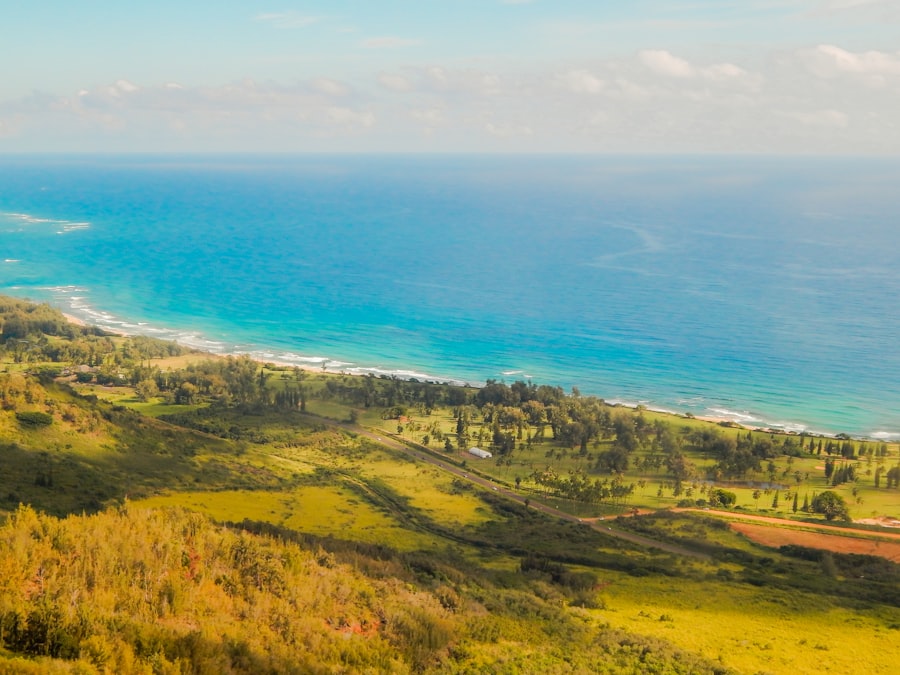
Oceania is renowned for its stunning natural beauty, characterized by pristine beaches, lush rainforests, and vibrant coral reefs. Theroux’s descriptions evoke a sense of awe at the breathtaking landscapes that define this region. He captures the essence of places like Bora Bora, where jagged mountains rise dramatically from crystal-clear waters, creating a postcard-perfect image that has captivated travelers for generations.
The interplay between land and sea is a recurring theme in his writing, illustrating how these elements shape not only the environment but also the cultures that thrive within them.
Theroux immerses himself in local customs, attending traditional ceremonies and festivals that showcase the rich heritage of the islands.
He writes about the significance of dance in Polynesian culture, where movements tell stories passed down through generations. The vibrant colors of traditional attire and the rhythmic beats of drums create an atmosphere that is both celebratory and deeply rooted in history. Through these experiences, Theroux highlights how culture is intertwined with nature; the islands’ landscapes serve as both a backdrop and an integral part of cultural expression.
Challenges and Adventures in Oceania
While Theroux’s journey through Oceania is filled with moments of beauty and wonder, it is also marked by challenges that reflect the realities faced by many island communities. The author encounters logistical difficulties that arise from the isolation of certain islands, where access to resources can be limited. He describes instances where transportation delays disrupt plans, forcing him to adapt to the unpredictable nature of island life.
These challenges serve as a reminder that beneath the idyllic surface lies a complex web of issues that impact daily life in Oceania. Moreover, Theroux confronts environmental concerns that threaten the delicate ecosystems of these islands. Climate change looms large over many Pacific nations, with rising sea levels posing an existential threat to low-lying atolls.
He meets locals who share their fears about losing their homes and cultural heritage due to environmental degradation.
Their determination to preserve their way of life amidst external pressures speaks volumes about their connection to the land and their commitment to future generations.
Meeting the People of Oceania
One of the most enriching aspects of Theroux’s journey is his interactions with the people he meets along the way. From fishermen in Samoa to artisans in Tahiti, each encounter adds depth to his understanding of life in Oceania. Theroux approaches these meetings with genuine curiosity, allowing him to forge connections that transcend cultural boundaries.
He listens to their stories—tales of hardship, joy, and resilience—that reveal the complexities of island life. Through his conversations, Theroux uncovers a shared humanity that binds people across different cultures. He reflects on how these interactions challenge preconceived notions about islanders as mere caricatures of paradise dwellers.
Instead, he portrays them as individuals with rich histories and aspirations, grappling with modernity while holding onto their traditions. This nuanced portrayal invites readers to appreciate the diversity within Oceania and recognize that each island community has its own unique narrative shaped by historical events and contemporary challenges.
Reflections on Oceania’s History and Future
As Theroux navigates through various islands, he becomes increasingly aware of Oceania’s complex history—one marked by colonization, cultural exchange, and resilience. He delves into how colonial powers have shaped the political landscape of these islands, often leaving lasting impacts on indigenous cultures and governance structures. Through historical anecdotes and personal reflections, he illustrates how past events continue to influence contemporary society in Oceania.
Theroux also contemplates the future trajectory of these islands amid globalization and modernization. He observes how traditional practices are being challenged by external influences while simultaneously witnessing efforts to revive and preserve cultural heritage. The tension between embracing modernity and maintaining cultural identity is palpable throughout his journey.
This duality raises important questions about sustainability—both environmentally and culturally—as island communities navigate their place in an increasingly interconnected world.
The Impact of Colonization and Globalization in Oceania
Colonization has left an indelible mark on Oceania, shaping not only political boundaries but also social structures and cultural identities. Theroux examines how colonial legacies manifest in contemporary issues such as land ownership disputes and economic dependency on tourism. He highlights stories from locals who grapple with the consequences of foreign intervention—where traditional ways of life have been disrupted by external forces seeking resources or profit.
Globalization further complicates this landscape by introducing new dynamics into island economies and cultures. While it offers opportunities for economic growth through tourism and trade, it also poses risks to cultural integrity as Western values permeate local societies. Theroux reflects on how globalization can lead to cultural homogenization, threatening unique traditions that have existed for centuries.
Yet amidst these challenges, he also finds hope in grassroots movements aimed at preserving indigenous knowledge and practices—demonstrating that resilience can coexist with change.
Lessons Learned from The Happy Isles of Oceania
Through his immersive journey across Oceania, Paul Theroux imparts valuable lessons about travel, culture, and human connection. One key takeaway is the importance of approaching new places with an open mind—recognizing that every destination has its own story shaped by history and experience. His encounters remind readers that travel is not merely about visiting picturesque locations; it is about engaging with people and understanding their perspectives.
Additionally, Theroux emphasizes the significance of environmental stewardship in preserving the natural beauty that defines Oceania. His reflections on climate change serve as a call to action for both travelers and locals alike—urging them to advocate for sustainable practices that protect fragile ecosystems. Ultimately, “The Happy Isles of Oceania” transcends traditional travel literature; it invites readers to reflect on their own journeys while fostering a deeper appreciation for the diverse cultures and landscapes that make up our world.
If you enjoyed reading The Happy Isles of Oceania by Paul Theroux, you may also be interested in checking out this article on Hellread titled Hello World. This article explores the concept of travel and discovery, much like Theroux’s journey through the islands of Oceania. It delves into the idea of exploring new places and cultures, which is a central theme in Theroux’s book. So, if you’re looking for more insights on travel and adventure, be sure to give this article a read!
FAQs
What is The Happy Isles of Oceania by Paul Theroux about?
The Happy Isles of Oceania is a travelogue written by Paul Theroux, in which he recounts his journey through the islands of the Pacific Ocean. He explores the cultures, landscapes, and people of the region, offering insights into the diverse island communities.
When was The Happy Isles of Oceania published?
The Happy Isles of Oceania was first published in 1992.
What islands are covered in The Happy Isles of Oceania?
Paul Theroux’s journey in The Happy Isles of Oceania takes him to a variety of islands, including Hawaii, Fiji, New Zealand, and many others in the Pacific region.
What is the writing style of The Happy Isles of Oceania?
The Happy Isles of Oceania is written in a narrative travelogue style, with Theroux’s personal experiences and observations forming the basis of the book.
What are some themes explored in The Happy Isles of Oceania?
The book explores themes such as adventure, cultural exploration, and the impact of colonialism on the Pacific islands. Theroux also delves into the natural beauty of the region and the challenges faced by its inhabitants.




