
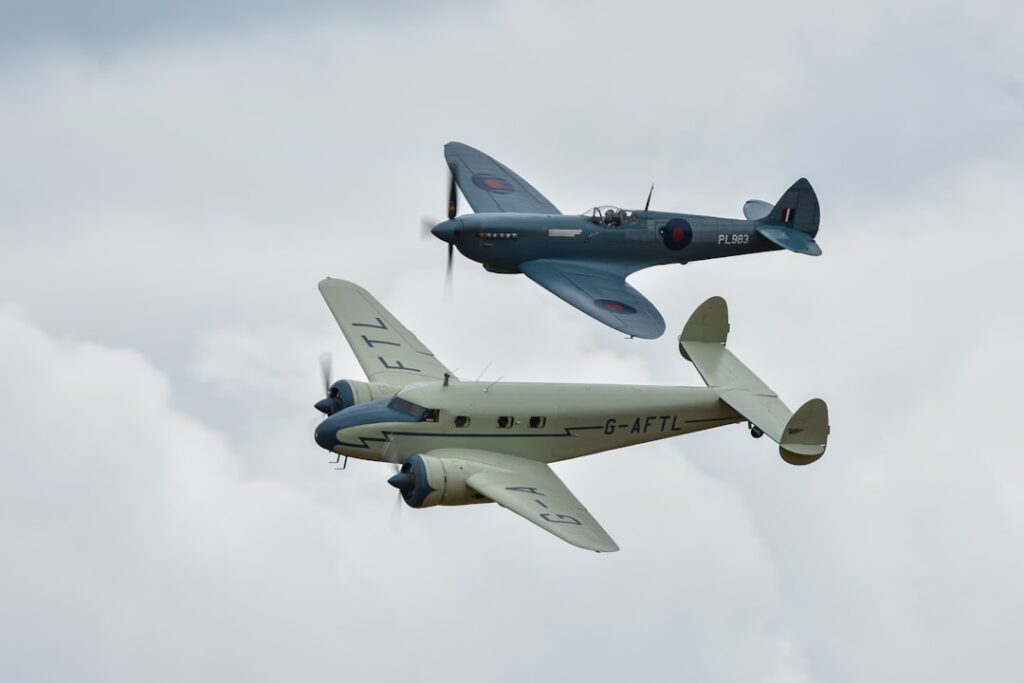
Manfred von Richthofen, often referred to as the “Red Baron,” stands as one of the most iconic figures in the annals of military aviation. Born on May 2, 1892, in what is now Poland, Richthofen became a symbol of aerial prowess during World War I, amassing an impressive tally of 80 confirmed aerial victories. His flamboyant personality, coupled with his exceptional flying skills and tactical acumen, earned him not only fame but also a certain mythos that has persisted long after his untimely death in 1918.
The vivid red color of his aircraft, a stark contrast against the blue skies of the Western Front, became synonymous with his name and legacy.
As the first true fighter ace, he played a pivotal role in shaping the tactics and strategies that would define air combat for generations to come.
His life and career provide a fascinating lens through which to examine the broader context of World War I, the technological advancements in aviation, and the psychological dimensions of warfare. The Red Baron’s legacy continues to captivate historians, aviation enthusiasts, and the general public alike, making him a subject of enduring interest.
Key Takeaways
- Manfred von Richthofen, also known as the “Red Baron,” was a legendary German fighter pilot during World War I.
- Richthofen’s early life and military career shaped his exceptional skills as an aerial combatant.
- The development of aerial combat during World War I was heavily influenced by Richthofen’s innovative tactics and strategies.
- The Red Fighter Pilot’s impact on aviation history is undeniable, as he became the top ace of the war with 80 confirmed air combat victories.
- Richthofen’s autobiography provides valuable insights into his mindset and experiences as a fighter pilot during World War I.
Early life and military career
Manfred von Richthofen was born into a Prussian aristocratic family, which afforded him a privileged upbringing. His early years were marked by a love for sports and outdoor activities, particularly equestrian pursuits. This affinity for horses would later translate into a natural aptitude for flying, as both required a keen sense of balance and control.
After completing his education, Richthofen joined the German cavalry in 1911, where he initially served as a second lieutenant. His time in the cavalry provided him with valuable experiences that would later inform his aerial tactics. With the outbreak of World War I in 1914, Richthofen’s military career took a decisive turn.
He quickly recognized the potential of aviation in modern warfare and sought to transfer to the newly formed Luftstreitkräfte (German Air Force). His request was granted in 1915, and he began his training as a pilot. Richthofen’s early experiences in the air were marked by a steep learning curve; he faced numerous challenges as he adapted to the complexities of aerial combat.
However, his determination and skill soon led him to become one of the most successful pilots of his time. By 1916, he had already achieved his first aerial victory, marking the beginning of a remarkable ascent through the ranks of fighter pilots.
The development of aerial combat during World War I
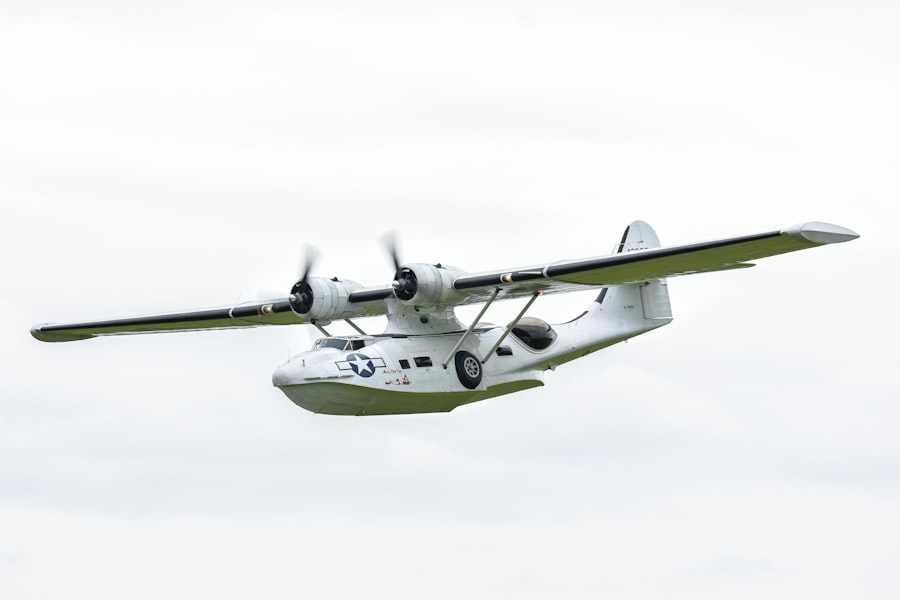
World War I marked a significant turning point in military history, particularly with regard to aerial combat. Initially, aircraft were used primarily for reconnaissance missions, but as the war progressed, their roles evolved dramatically. The introduction of machine guns mounted on planes transformed them into formidable weapons of war.
This shift necessitated new tactics and strategies, as pilots had to learn how to engage in dogfights while also considering factors such as altitude, speed, and maneuverability. The evolution of aerial combat during this period was characterized by rapid technological advancements. The development of more powerful engines allowed for faster and more agile aircraft, while innovations such as synchronized machine guns enabled pilots to fire at enemy planes without damaging their own propellers.
His ability to exploit the strengths of his aircraft while understanding the limitations of his adversaries set him apart from many of his contemporaries.
The Red Fighter Pilot’s impact on aviation history
Richthofen’s impact on aviation history extends far beyond his impressive tally of aerial victories. He is often credited with establishing many of the tactics that would become standard practice in air combat. His emphasis on teamwork and coordination among pilots was revolutionary at a time when many aviators operated independently.
Richthofen understood that success in aerial warfare depended not only on individual skill but also on effective communication and collaboration within squadrons. Moreover, Richthofen’s approach to aerial combat emphasized the importance of psychological warfare. He recognized that instilling fear in enemy pilots could be just as effective as physical destruction.
His reputation as an ace created an aura around him that often led opponents to make mistakes out of fear or overconfidence. This psychological dimension added another layer to his already formidable tactical repertoire, making him a complex figure in the history of military aviation.
Richthofen’s tactics and strategies in aerial combat
Richthofen’s tactical genius lay in his ability to adapt to the ever-changing dynamics of aerial warfare. He developed a series of strategies that emphasized speed, surprise, and precision. One of his most notable tactics was the use of “hit-and-run” attacks, where he would engage enemy aircraft quickly before retreating to safety.
This approach minimized risk while maximizing the chances of success. Additionally, he often employed altitude advantage to swoop down on unsuspecting foes from above, catching them off guard. Another key aspect of Richthofen’s tactics was his focus on formation flying.
He believed that pilots should operate in groups rather than as lone wolves. This strategy allowed for mutual support during engagements and increased the likelihood of overwhelming enemy forces. Richthofen’s insistence on teamwork not only improved the effectiveness of his squadron but also laid the groundwork for future air combat strategies that emphasized coordinated group maneuvers.
The rise of the “Red Baron” as a legendary figure
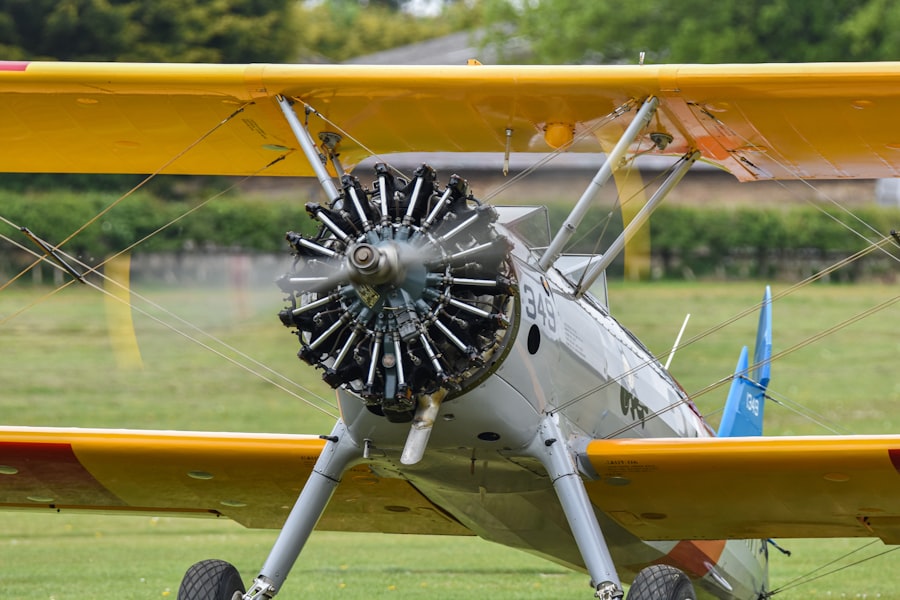
The Psychological Impact of the Red Aircraft
This distinctive choice was not just for show; it served as a psychological tool that instilled fear in adversaries while boosting morale among fellow German pilots.
A National Hero and Global Icon
Richthofen’s fame transcended the battlefield; he became a national hero in Germany and an object of fascination worldwide. His exploits were widely reported in newspapers and magazines, often embellished with tales of daring feats and heroic encounters. This media attention helped solidify his status as an icon of aviation history, inspiring countless individuals to pursue careers in flying and military service.
A Symbol of Chivalry and Honor
The Red Baron’s legacy became intertwined with notions of chivalry and honor in warfare, further enhancing his mythic status.
The significance of Richthofen’s autobiography in understanding his mindset and experiences
Richthofen’s autobiography, “The Red Fighter Pilot,” offers invaluable insights into his mindset and experiences during World War
Written shortly before his death, the book provides a rare glimpse into the thoughts and emotions of one of history’s most celebrated fighter aces. In it, Richthofen reflects on his motivations for flying, his views on combat, and the camaraderie he shared with fellow pilots. His candid writing reveals not only his passion for aviation but also the psychological toll that war exacted on him.
The autobiography also serves as a historical document that captures the essence of aerial warfare during World War
The portrayal of Richthofen in popular culture and media
The Red Baron has been immortalized in popular culture through various forms of media, including films, books, cartoons, and music. His larger-than-life persona has inspired countless adaptations that range from serious historical portrayals to whimsical interpretations aimed at children. One notable example is Charles Schulz’s “Peanuts” comic strip, where Snoopy famously imagines himself as the World War I flying ace engaged in epic battles against the Red Baron.
Films such as “The Red Baron” (2008) attempt to capture both the heroism and tragedy associated with Richthofen’s life while exploring themes such as honor and sacrifice in war. These portrayals often grapple with the duality of Richthofen’s character—an ace pilot celebrated for his skill yet ultimately a victim of the very conflict he excelled in. Such representations contribute to an ongoing dialogue about heroism and morality in warfare, ensuring that Richthofen remains a relevant figure in contemporary discussions about military history.
The legacy of Manfred von Richthofen and The Red Fighter Pilot
Manfred von Richthofen’s legacy is multifaceted; it encompasses not only his achievements as an ace pilot but also his contributions to military strategy and aviation technology. His influence can be seen in modern air combat tactics that prioritize teamwork and psychological warfare alongside technical proficiency. Furthermore, Richthofen’s life story serves as a poignant reminder of the human cost associated with war—a theme that resonates across generations.
The Red Fighter Pilot has become an enduring symbol within both military history and popular culture. His story continues to inspire new generations interested in aviation and military service while prompting critical reflections on the nature of heroism and sacrifice in times of conflict. As long as there are stories told about courage in battle and innovation in technology, Manfred von Richthofen will remain an indelible part of that narrative.
Criticisms and controversies surrounding Richthofen’s autobiography
Despite its significance, Richthofen’s autobiography has not been without its criticisms and controversies. Some historians argue that it presents an overly romanticized view of aerial combat that glosses over the brutal realities faced by pilots during World War
Additionally, there are debates surrounding the accuracy of some accounts within the autobiography. While Richthofen provides detailed descriptions of various dogfights and encounters with enemy pilots, some historians question whether these recollections are entirely factual or embellished for dramatic effect. This raises important questions about how personal narratives can shape historical understanding and whether they should be taken at face value or scrutinized for potential biases.
The enduring fascination with the Red Baron and his contributions to aviation
The enduring fascination with Manfred von Richthofen can be attributed to several factors: his remarkable achievements as an ace pilot, his charismatic personality, and the broader implications of his story within military history. As one of the first true fighter aces, he not only redefined what it meant to be a pilot but also influenced subsequent generations who would take to the skies in conflict. Richthofen’s contributions extend beyond mere statistics; they encompass advancements in aviation technology and tactics that continue to inform modern air combat strategies today.
His legacy serves as both an inspiration for aspiring aviators and a cautionary tale about the costs associated with war—reminding us that behind every statistic lies a human story filled with ambition, courage, and ultimately sacrifice. The Red Baron’s life remains an integral part of our understanding of both aviation history and military conflict, ensuring that he will continue to captivate audiences for years to come.
If you enjoyed reading about The Red Fighter Pilot by Manfred von Richthofen, you may also be interested in checking out this article on hellread.com that discusses the impact of World War I on aviation technology and tactics. This article provides a deeper insight into the historical context surrounding von Richthofen’s experiences as a fighter pilot during the war.
FAQs
Who was Manfred von Richthofen?
Manfred von Richthofen, also known as the “Red Baron,” was a German fighter pilot during World War I. He is considered one of the most successful flying aces of the war, with 80 confirmed aerial victories.
What is “The Red Fighter Pilot” about?
“The Red Fighter Pilot” is an autobiography written by Manfred von Richthofen, detailing his experiences as a fighter pilot during World War I. The book provides insights into his tactics, thoughts, and experiences in aerial combat.
What is the significance of Manfred von Richthofen’s nickname, the “Red Baron”?
Manfred von Richthofen earned the nickname “Red Baron” due to the distinctive red color of his aircraft. He painted his plane red to make it easily recognizable to his fellow pilots and enemies. The nickname has since become synonymous with his legacy as a skilled and daring fighter pilot.
How did Manfred von Richthofen die?
Manfred von Richthofen was shot down and killed in action on April 21, 1918, near Vaux-sur-Somme, France. The circumstances surrounding his death have been the subject of much debate and speculation, but it is widely believed that he was killed by ground fire while pursuing an enemy aircraft.




