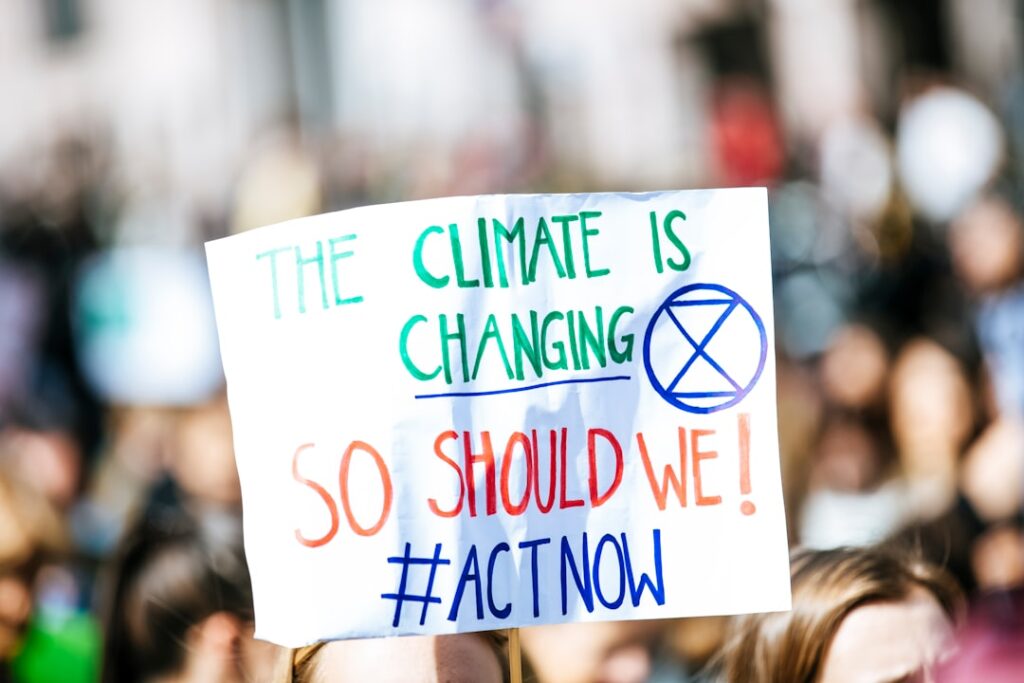
The Anthropocene is a term that has gained traction in recent years, encapsulating the profound and often troubling impact of human activity on the Earth’s systems. It signifies a new geological epoch characterized by significant alterations to the planet’s geology and ecosystems, primarily driven by human actions. This concept invites us to reflect on our relationship with nature, the consequences of our choices, and the urgent need for sustainable practices.
In her compelling work, “Adventures in the Anthropocene,” Gaia Vince embarks on a journey across the globe, exploring how communities are adapting to the challenges posed by climate change, resource depletion, and environmental degradation. Through her narrative, she not only highlights the dire circumstances we face but also showcases the innovative solutions that various societies are implementing to thrive in this new era. Vince’s exploration is not merely an academic exercise; it is a call to action.
By documenting the stories of resilience and ingenuity from diverse cultures, she emphasizes that while the Anthropocene presents unprecedented challenges, it also offers opportunities for transformation and renewal. The book serves as both a travelogue and a manifesto, urging readers to reconsider their roles as stewards of the planet. As we delve deeper into the Anthropocene, we must grapple with the implications of our existence and the legacy we leave for future generations.
Key Takeaways
- The Anthropocene is a new geological epoch defined by human impact on the planet.
- Gaia Vince is an award-winning science journalist and author with a focus on environmental issues.
- Human activity has led to significant changes in the Earth’s systems, including climate change and biodiversity loss.
- There are stories of resilience and adaptation in the Anthropocene, showcasing the ability of humans and other species to adapt to changing environments.
- Science and technology play a crucial role in shaping the Anthropocene, both in terms of understanding its impact and finding solutions for the future.
Gaia Vince: A Brief Biography
Investigating Ecological Challenges
Her career has taken her to remote corners of the world, where she has witnessed firsthand the devastating effects of environmental change on communities and ecosystems. This unique perspective has allowed her to weave personal narratives with scientific insights, providing a comprehensive understanding of the complex issues at hand.
Communicating Complex Concepts
In addition to her book “Adventures in the Anthropocene,” Vince has contributed to numerous publications, including The Guardian and BBC Radio, where she discusses pressing environmental issues and advocates for sustainable practices. Her ability to communicate complex scientific concepts in an accessible manner has garnered her a wide audience and established her as a trusted voice in the field.
Inspiring Action and Resilience
Through her work, Vince aims to inspire individuals and communities to take proactive steps toward addressing climate change and fostering resilience. Her commitment to understanding the intricate relationship between humanity and the environment positions her as a vital voice in contemporary discussions about sustainability and adaptation.
Exploring the Anthropocene: What is it?
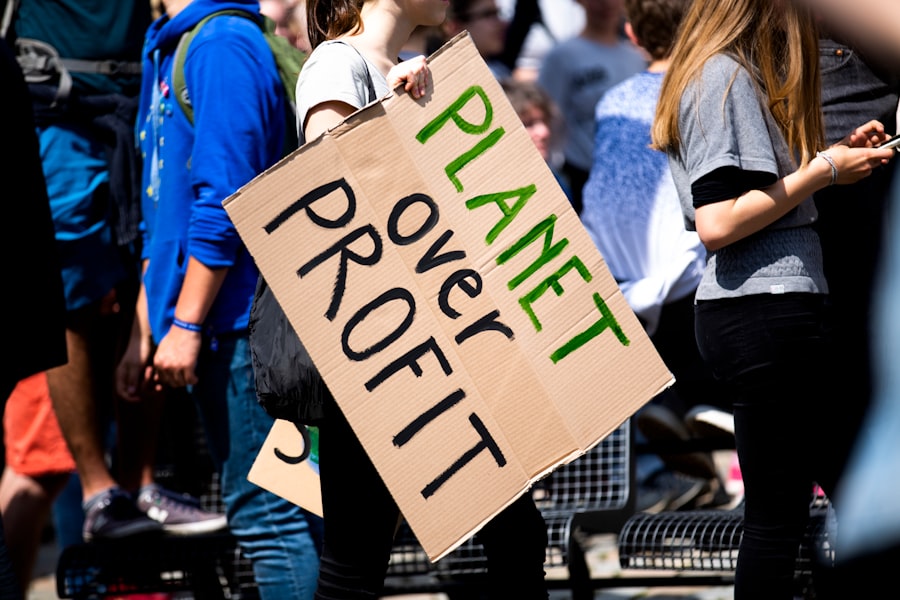
The Anthropocene epoch is often defined as the period during which human activity has become the dominant influence on climate and the environment. While some scientists argue that it began with the Industrial Revolution in the late 18th century, others suggest that its roots can be traced back even further to agricultural practices that transformed landscapes and ecosystems. This epoch is marked by significant changes such as increased greenhouse gas emissions, widespread deforestation, loss of biodiversity, and alterations to natural cycles like nitrogen and phosphorus cycles.
The term itself encapsulates both the achievements and failures of humanity as we navigate our role as planetary stewards. Understanding the Anthropocene requires an interdisciplinary approach that encompasses geology, ecology, sociology, and economics. It challenges us to rethink our place within the natural world and confronts us with uncomfortable truths about our impact on Earth’s systems.
The Anthropocene is not merely a backdrop for human history; it is an active participant in shaping our future. As we grapple with issues such as climate change, pollution, and resource scarcity, it becomes increasingly clear that our actions have far-reaching consequences that extend beyond our immediate surroundings.
The Impact of Human Activity on the Planet
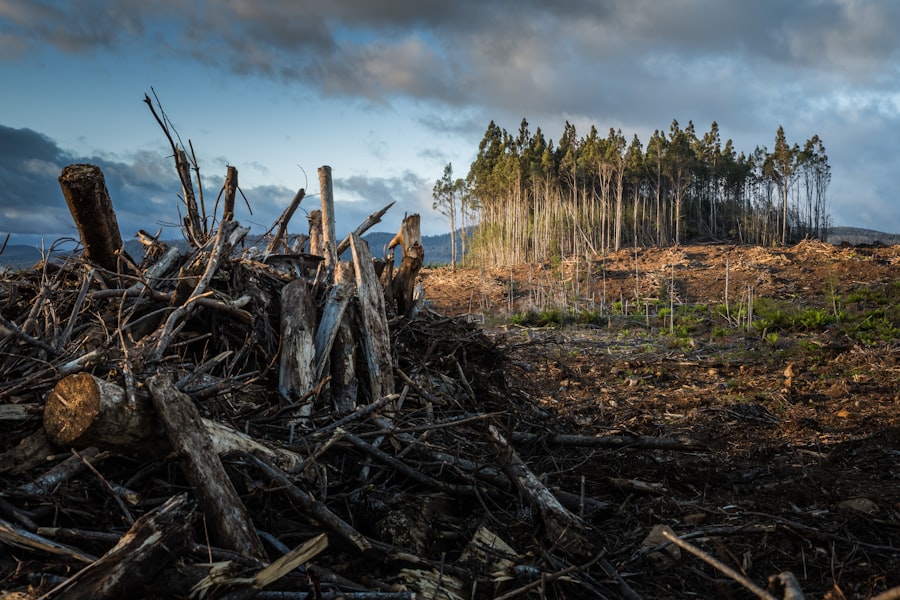
Human activity has left an indelible mark on the planet, manifesting in various forms that threaten ecological balance. One of the most pressing issues is climate change, driven primarily by the burning of fossil fuels, deforestation, and industrial agriculture. The increase in greenhouse gas emissions has led to rising global temperatures, resulting in extreme weather events such as hurricanes, droughts, and floods.
These phenomena not only disrupt ecosystems but also pose significant risks to human health and livelihoods. For instance, coastal communities are increasingly vulnerable to sea-level rise, which threatens their homes and infrastructure. Moreover, biodiversity loss is another critical consequence of human activity.
Habitat destruction due to urbanization, agriculture, and mining has led to the extinction of numerous species at an alarming rate. The World Wildlife Fund’s Living Planet Report highlights that populations of vertebrate species have declined by an average of 68% since 1970. This loss of biodiversity undermines ecosystem services that are vital for human survival, such as pollination, water purification, and climate regulation.
The interconnectedness of life on Earth means that the decline of one species can have cascading effects on entire ecosystems, further exacerbating environmental challenges.
Stories of Resilience and Adaptation in the Anthropocene
Despite the daunting challenges posed by the Anthropocene, there are numerous stories of resilience and adaptation that illuminate humanity’s capacity for innovation and survival. In her travels, Gaia Vince encounters communities that have developed unique strategies to cope with environmental changes. For example, in Bangladesh, where rising sea levels threaten agricultural land, farmers have begun cultivating salt-tolerant rice varieties that can withstand saline conditions.
This adaptation not only ensures food security but also empowers local farmers to maintain their livelihoods in the face of adversity.
As ice melts earlier in the spring and freezes later in the fall, hunters are adjusting their hunting schedules and routes to account for shifting animal migrations.
These adaptations reflect a deep understanding of local ecosystems and highlight the importance of traditional ecological knowledge in fostering resilience. Such stories serve as powerful reminders that while challenges abound in the Anthropocene, human ingenuity can lead to innovative solutions that promote sustainability.
The Role of Science and Technology in Shaping the Anthropocene
Renewable Energy: A Beacon of Hope
Advances in renewable energy technologies offer promising alternatives to fossil fuels, helping to mitigate climate change while promoting energy independence. Solar panels, wind turbines, and geothermal systems are becoming increasingly accessible and affordable, enabling communities worldwide to transition toward sustainable energy sources.
Scientific Research: Informing Policy Decisions
Scientific research is crucial for understanding complex environmental systems and informing policy decisions. Climate modeling helps predict future scenarios based on current trends, allowing governments and organizations to develop strategies for mitigation and adaptation. For instance, countries like Denmark have made significant strides in wind energy production, generating over 40% of their electricity from wind turbines.
These technological advancements not only address immediate challenges but also pave the way for a more sustainable future.
Gaia Vince’s Perspective on the Future of the Anthropocene
Gaia Vince’s perspective on the future of the Anthropocene is one of cautious optimism. While acknowledging the severity of environmental challenges, she emphasizes humanity’s capacity for adaptation and innovation. In “Adventures in the Anthropocene,” she argues that by learning from diverse cultures and their responses to ecological changes, we can develop more effective strategies for sustainability.
Vince advocates for a holistic approach that integrates scientific knowledge with traditional practices, recognizing that solutions must be context-specific and culturally relevant. Vince also highlights the importance of community engagement in shaping a sustainable future. She believes that empowering individuals and local communities to take ownership of their environmental challenges fosters resilience and encourages collective action.
By sharing stories of successful adaptations from around the world, she inspires readers to envision a future where humanity coexists harmoniously with nature rather than exploiting it. Her vision underscores that while we face unprecedented challenges in the Anthropocene, there is still hope for a more equitable and sustainable world.
Reflecting on the Anthropocene and Our Place in it
The Anthropocene compels us to reflect deeply on our relationship with the planet and our responsibilities as its stewards. As we confront pressing environmental issues driven by human activity, it becomes increasingly clear that our choices have far-reaching consequences for both current and future generations. Gaia Vince’s “Adventures in the Anthropocene” serves as a poignant reminder that while we face significant challenges, there are also stories of resilience and innovation that inspire hope.
In navigating this complex epoch, it is essential to embrace interdisciplinary approaches that integrate science, technology, traditional knowledge, and community engagement. By fostering collaboration across various sectors of society—governments, businesses, scientists, and local communities—we can develop effective strategies for adaptation and sustainability. Ultimately, our place in the Anthropocene is not defined solely by our impact on the planet but also by our capacity for empathy, creativity, and collective action in shaping a more sustainable future for all life on Earth.
If you enjoyed reading Adventures in the Anthropocene by Gaia Vince, you may also be interested in checking out this article on Hellread titled Hello World. This article delves into the concept of globalization and its impact on our world today, touching on similar themes of human influence on the environment and society. It provides a thought-provoking perspective on the interconnectedness of our modern world and the challenges we face in the Anthropocene era.
FAQs
What is the Anthropocene?
The Anthropocene is a proposed geological epoch that marks the impact of human activities on the Earth’s geology and ecosystems. It is characterized by significant changes in the Earth’s atmosphere, oceans, and biodiversity due to human influence.
Who is Gaia Vince?
Gaia Vince is a British journalist, broadcaster, and author. She has written for various publications and has won several awards for her work in science and environmental journalism.
What is “Adventures in the Anthropocene” about?
“Adventures in the Anthropocene” is a book by Gaia Vince that explores the impact of human activities on the Earth’s ecosystems and the ways in which people are adapting to the changes brought about by the Anthropocene.
What are some key themes in “Adventures in the Anthropocene”?
Some key themes in “Adventures in the Anthropocene” include climate change, biodiversity loss, human adaptation to environmental changes, and the interconnectedness of human and natural systems.
What are some examples of human impact on the environment discussed in the book?
The book discusses examples of human impact on the environment such as deforestation, urbanization, pollution, and the depletion of natural resources. It also explores how these impacts are affecting ecosystems and biodiversity.
What are some solutions or adaptations to the Anthropocene discussed in the book?
“Adventures in the Anthropocene” explores various solutions and adaptations to the challenges posed by the Anthropocene, including sustainable agriculture, renewable energy, conservation efforts, and community-based initiatives to address environmental issues.