
The Road to Oxiana, published in 1937, stands as a seminal work in the genre of travel literature, capturing the essence of a journey that traverses the rich tapestry of cultures, landscapes, and histories found in Central Asia. The book chronicles Robert Byron’s expedition through Persia and Afghanistan, a journey that was not merely a physical traversal of land but also an exploration of the human spirit and the quest for understanding in a world that was rapidly changing. Byron’s narrative is imbued with a sense of adventure and intellectual curiosity, as he seeks to uncover the remnants of ancient civilizations while grappling with the complexities of modernity.
Byron’s journey is not just a personal odyssey; it reflects the broader historical context of the time. The interwar period was marked by significant geopolitical shifts, and Byron’s observations provide a lens through which readers can examine the cultural and political dynamics of the early 20th century. The Road to Oxiana is more than a travelogue; it is a profound meditation on art, architecture, and the human experience, making it a cornerstone of literary exploration in regions often overlooked by Western travelers.
Key Takeaways
- “The Road to Oxiana” is a travelogue written by Robert Byron, documenting his journey through the Middle East and Central Asia in the 1930s.
- Robert Byron was an English travel writer and art critic known for his wit, humor, and keen observations of the places he visited.
- The journey took Byron from Europe through countries such as Greece, Turkey, and Iran, before reaching Central Asia.
- The landscapes and cultures of Central Asia, including the architecture and people, left a lasting impression on Byron and are vividly described in the book.
- “The Road to Oxiana” is significant in travel literature for its influence on future writers and its unique blend of personal narrative, historical insight, and cultural exploration.
The Author: Robert Byron
Robert Byron was born in 1905 into a family that valued education and culture, which undoubtedly influenced his later pursuits as a writer and traveler. He was educated at Oxford University, where he developed a keen interest in art history and literature. Byron’s intellectual background is evident in his writing style, which combines erudition with vivid descriptions and personal reflections.
His early works included critiques of contemporary art and architecture, but it was his travels that would ultimately define his literary legacy. Byron’s adventurous spirit led him to embark on numerous journeys throughout Europe and Asia, but it was his expedition to Central Asia that would culminate in The Road to Oxiana. His experiences were shaped by his interactions with diverse cultures and his fascination with the architectural wonders of the regions he visited.
Tragically, Byron’s life was cut short when he died in 1941 during World War II while serving as a war correspondent. However, his contributions to travel literature endure, as he remains a pivotal figure whose insights continue to resonate with readers and travelers alike.
The Journey: From Europe to Central Asia
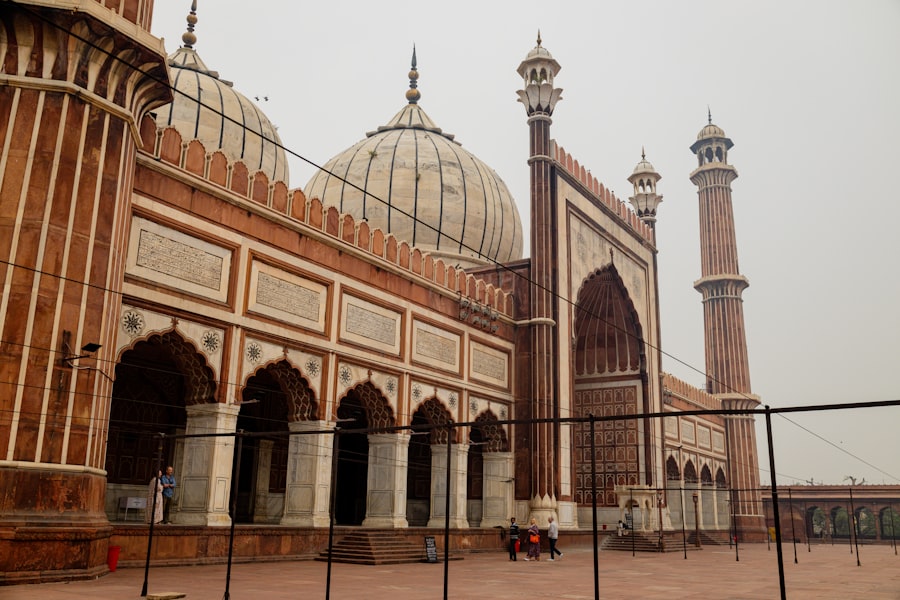
The journey that Byron undertook in The Road to Oxiana began in the bustling streets of London and took him through various European cities before reaching the heart of Central Asia. His route was meticulously planned yet filled with spontaneity, allowing for unexpected encounters and discoveries along the way. Byron traveled by various means, including trains, buses, and even on foot, immersing himself in the landscapes and cultures he encountered.
One of the most striking aspects of Byron’s journey is his ability to convey the sense of movement and transition between different worlds. As he moved from the familiar confines of Europe into the vast expanses of Persia and Afghanistan, he documented not only the physical changes in the landscape but also the shifting cultural paradigms. His descriptions of cities like Isfahan and Kabul are rich with detail, capturing the architectural splendor and historical significance of these places while also reflecting on their contemporary realities.
Byron’s journey serves as a bridge between past and present, illustrating how history continues to shape the identities of nations and peoples.
The Landscapes and Cultures of Central Asia
Central Asia is characterized by its diverse landscapes, ranging from arid deserts to lush valleys and towering mountain ranges. Byron’s keen observational skills allow him to paint vivid pictures of these environments, bringing to life the stark beauty of places like the Iranian plateau and the rugged terrain of Afghanistan. His descriptions are not merely geographical; they are infused with an appreciation for the natural world that transcends mere aesthetics.
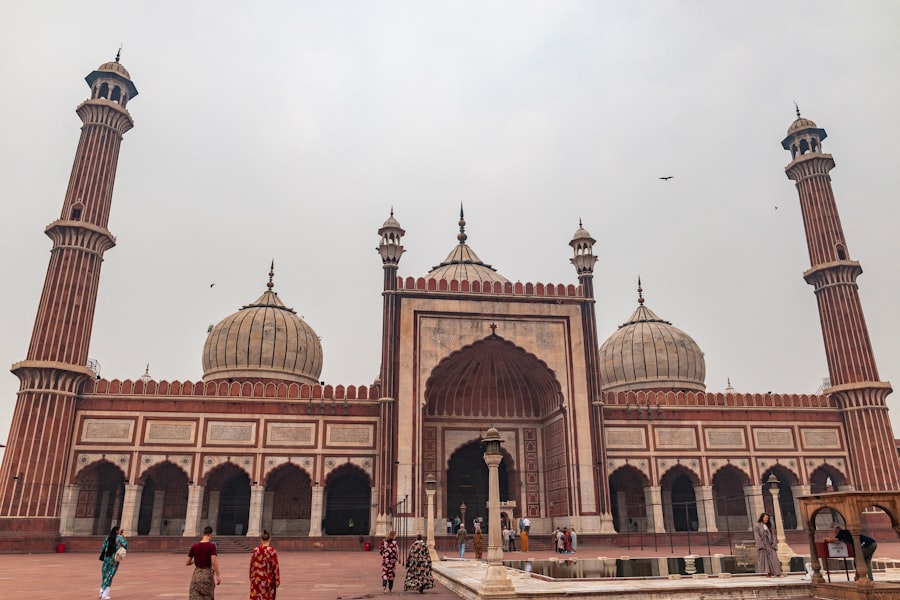
In addition to landscapes, Byron delves into the rich cultural heritage of Central Asia. He explores the intricate tapestry of traditions, languages, and customs that define the region’s inhabitants. From the intricate tile work of Persian mosques to the nomadic lifestyles of Afghan tribes, Byron captures the essence of cultural diversity that exists within Central Asia.
His encounters with local artisans, scholars, and everyday people reveal a deep respect for their histories and ways of life. This cultural exploration is not just an academic exercise; it is a heartfelt engagement with humanity that underscores Byron’s belief in the interconnectedness of all people.
The People and Encounters Along the Way
Throughout his journey, Byron encounters a myriad of individuals who shape his understanding of Central Asia. These encounters range from chance meetings with fellow travelers to more profound interactions with local residents who share their stories and perspectives.
One notable encounter occurs in Isfahan, where Byron meets an Iranian scholar who provides insights into Persian history and philosophy. This exchange highlights Byron’s commitment to engaging with local knowledge rather than imposing his own worldview. Similarly, his interactions with Afghan tribesmen reveal their resilience and adaptability in the face of adversity.
These personal stories serve as microcosms of larger societal themes, emphasizing how individual experiences reflect broader cultural narratives. Byron’s ability to connect with people from diverse backgrounds is a testament to his empathy and curiosity. He approaches each encounter with an open mind, seeking to understand rather than judge.
This approach not only enriches his travel narrative but also fosters a sense of shared humanity that resonates throughout The Road to Oxiana.
The Influence and Legacy of The Road to Oxiana
Influence on Travel Writing
Byron’s blend of personal narrative, historical context, and cultural analysis has set a standard for subsequent travelogues that aspire to capture the complexity of human experiences across different landscapes. His work has inspired notable figures in literature and travel writing, including Bruce Chatwin and Pico Iyer, who have drawn upon his insights into the relationship between place and identity.
Artistic Merit and Cultural Significance
The Road to Oxiana has also been recognized for its artistic merit; it has been praised for its lyrical prose and evocative imagery that transport readers to distant lands. This legacy continues to resonate today as contemporary travelers seek deeper connections with the places they visit. Moreover, Byron’s exploration of Central Asia has contributed to a greater understanding of this often-misunderstood region.
A Timeless Message of Curiosity and Exploration
In an era where geopolitical tensions frequently dominate narratives about Afghanistan and its neighbors, Byron’s nuanced portrayal serves as a reminder of the rich cultural heritage that exists beyond headlines. His work encourages readers to approach unfamiliar territories with curiosity rather than fear, fostering a spirit of exploration that transcends borders.
The Writing Style and Themes of the Book
Byron’s writing style in The Road to Oxiana is characterized by its eloquence and precision. He employs vivid imagery and descriptive language that immerses readers in the landscapes he traverses. His prose is often poetic, reflecting his background in art history and literature.
This stylistic choice enhances the reader’s experience, allowing them to visualize the intricate details of architecture or feel the textures of local life. Thematically, The Road to Oxiana grapples with concepts such as cultural identity, historical continuity, and the impact of modernity on traditional societies. Byron’s reflections on art and architecture serve as metaphors for broader societal changes; he often laments the loss of cultural heritage in the face of industrialization and globalization.
His observations prompt readers to consider how history shapes contemporary realities while also urging them to appreciate the beauty found in diversity. Byron’s philosophical musings are interwoven throughout his narrative, inviting readers to ponder their own place within the world. He challenges conventional notions of progress by highlighting the value of preserving cultural legacies while navigating an ever-changing landscape.
This interplay between past and present is central to his exploration of Central Asia, making The Road to Oxiana not just a travelogue but also a profound meditation on existence itself.
The Significance of The Road to Oxiana in Travel Literature
The Road to Oxiana occupies a unique position within travel literature due to its blend of personal narrative, historical insight, and cultural exploration. It transcends mere documentation of places visited; instead, it offers readers an intimate glimpse into Byron’s thoughts and feelings as he navigates unfamiliar territories. This introspective approach sets it apart from more conventional travel accounts that often prioritize adventure over reflection.
Byron’s work has been instrumental in shaping how subsequent generations perceive travel writing. He emphasizes authenticity over sensationalism, encouraging writers to engage deeply with their subjects rather than merely skimming the surface for entertainment value. This commitment to genuine exploration has influenced countless authors who seek to capture the essence of their journeys while fostering connections with local cultures.
Furthermore, The Road to Oxiana serves as an important historical document that sheds light on a time when Central Asia was on the cusp of significant change. Byron’s observations provide valuable insights into pre-war attitudes toward this region, offering readers a window into its complexities long before contemporary conflicts arose. As such, his work remains relevant today as it encourages ongoing dialogue about cultural understanding amidst global challenges.
In summary, The Road to Oxiana stands as a landmark achievement in travel literature that continues to inspire readers and writers alike. Through Robert Byron’s eloquent prose and profound insights into culture and humanity, this work invites us all on our own journeys toward understanding—both within ourselves and across borders.
If you enjoyed reading The Road to Oxiana by Robert Byron, you may also be interested in checking out this article on Hellread titled


