
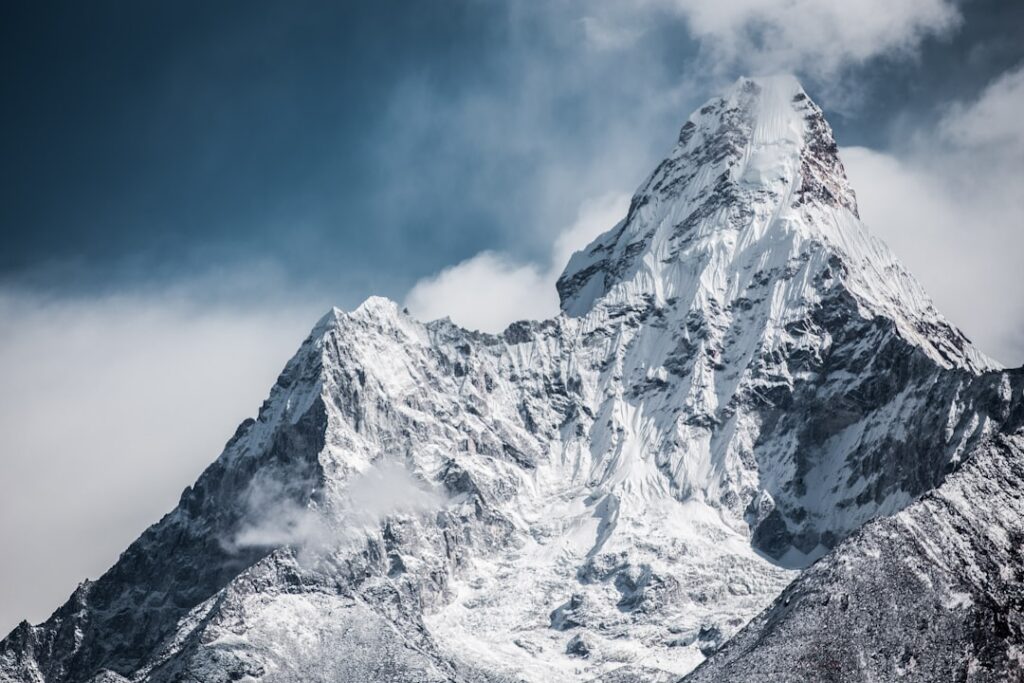
In the annals of survival tales, few resonate as profoundly as that of Beck Weathers, a man whose journey through the treacherous terrain of Mount Everest is a testament to human endurance and the will to live. In May 1996, during one of the deadliest seasons on Everest, Weathers found himself caught in a catastrophic storm that would test not only his physical limits but also his mental fortitude. As he and his climbing team ascended towards the summit, they were met with unforeseen challenges that would soon spiral into a life-or-death struggle against nature’s fury.
The harrowing events that unfolded during this fateful expedition would leave an indelible mark on Weathers and serve as a powerful narrative of survival against overwhelming odds. The story begins with the excitement and anticipation that accompanies any expedition to the world’s highest peak. Beck Weathers, an experienced climber, was part of a group that included renowned guides and fellow adventurers.
However, as they approached the summit, the weather turned ominous. What started as a manageable ascent quickly transformed into a nightmare as a blizzard descended upon them, obscuring visibility and plunging temperatures to life-threatening lows. In the chaos that ensued, Weathers faced not only the physical challenges of extreme altitude but also the psychological strain of isolation and despair.
His journey became one of survival, marked by moments of clarity amidst confusion, as he fought against the elements and his own limitations.
Key Takeaways
- Beck Weathers’ harrowing story of survival in the unforgiving wilderness is a testament to the human spirit’s resilience.
- The physical and emotional toll of extreme weather conditions on Beck Weathers is a reminder of the fragility of life.
- Beck Weathers’ incredible resilience and determination to survive against all odds is an inspiration to all.
- The role of teamwork and support played a crucial role in Beck Weathers’ ability to overcome adversity and survive.
- Beck Weathers’ near-death experience has taught him valuable lessons about facing death and coming back to life, shaping his perspective on life.
A near-death experience in the unforgiving wilderness
The unforgiving wilderness of Everest is notorious for its ability to strip away the veneer of civilization, exposing climbers to the raw power of nature. For Beck Weathers, this reality hit hard as he found himself disoriented and alone in the midst of a blinding snowstorm. The near-death experience began when he was separated from his team, succumbing to the effects of altitude sickness and hypothermia.
As he struggled to maintain consciousness, the stark realization of his vulnerability set in. The mountain, once a symbol of adventure and achievement, transformed into a merciless adversary intent on claiming lives. In those critical moments, Weathers faced an existential crisis.
The biting cold seeped into his bones, and every breath became a laborious task. He was acutely aware that time was running out; each passing minute increased the likelihood of succumbing to the elements. Yet, even in this dire situation, there was a flicker of hope.
Beck’s mind raced through memories of loved ones and moments of joy that had defined his life. This mental escape provided him with a semblance of strength, allowing him to push through the physical agony he was enduring. The wilderness had become both a battleground and a sanctuary, forcing him to confront his mortality while igniting an unyielding desire to survive.
The physical and emotional toll of extreme weather conditions

Extreme weather conditions on Everest are not merely inconveniences; they are formidable adversaries that can sap the strength and spirit of even the most seasoned climbers. For Beck Weathers, the relentless assault of wind, snow, and freezing temperatures took an immense toll on his body and psyche. As he battled against frostbite and hypothermia, he experienced not only physical pain but also profound emotional turmoil.
The isolation compounded by the howling winds created an atmosphere of despair that threatened to engulf him entirely. The physical manifestations of his ordeal were stark. Frostbite ravaged his extremities, leaving him with severe injuries that would later require amputation.
Each step became an exercise in agony as he navigated through deep snowdrifts and treacherous terrain. Yet it was the emotional toll that proved equally devastating. The fear of death loomed large, accompanied by feelings of guilt for putting himself in such perilous circumstances.
Memories of family and friends flooded his mind, intensifying his longing for survival. In those moments of vulnerability, Beck Weathers discovered an inner reservoir of strength that propelled him forward despite the overwhelming odds stacked against him.
The incredible resilience and determination of Beck Weathers
Resilience is often defined as the ability to bounce back from adversity, but for Beck Weathers, it became a lifeline in his struggle for survival on Everest. His determination to live was palpable as he fought against the elements and his own deteriorating condition. Even when hope seemed lost, Weathers exhibited an extraordinary willpower that defied logic.
He refused to succumb to despair, drawing upon every ounce of strength he could muster to keep moving forward. What set Weathers apart was not just his physical endurance but also his mental tenacity. He developed a mantra in his mind—a relentless affirmation that he would survive this ordeal.
This mental fortitude became crucial as he faced moments where surrender seemed like the only option. Each time he felt himself slipping into unconsciousness, he would recall the faces of his loved ones and envision their reunion. This powerful visualization served as a beacon guiding him through the darkest hours of his journey.
Beck Weathers’ incredible resilience became a testament to the human spirit’s capacity to endure even in the face of insurmountable challenges.
The role of teamwork and support in overcoming adversity
While individual resilience is vital in survival situations, the role of teamwork cannot be overstated. In Beck Weathers’ case, the dynamics within his climbing team played a crucial role in both their successes and failures during their ascent on Everest. The bonds formed among climbers are often forged in shared experiences—moments of triumph and tribulation alike.
However, as conditions deteriorated during their expedition, these bonds were tested in ways they could never have anticipated. The initial camaraderie among team members began to fray under the pressure of extreme weather and life-threatening circumstances. Communication broke down as fear took hold, leading to critical decisions that would impact their fates.
Yet even amidst this chaos, there were instances where support shone through. Fellow climbers risked their own safety to assist one another, demonstrating that even in dire situations, humanity can prevail over self-interest. Beck’s eventual rescue was made possible by the collective efforts of those who refused to abandon him despite their own perilous conditions.
Lessons learned from facing death and coming back to life
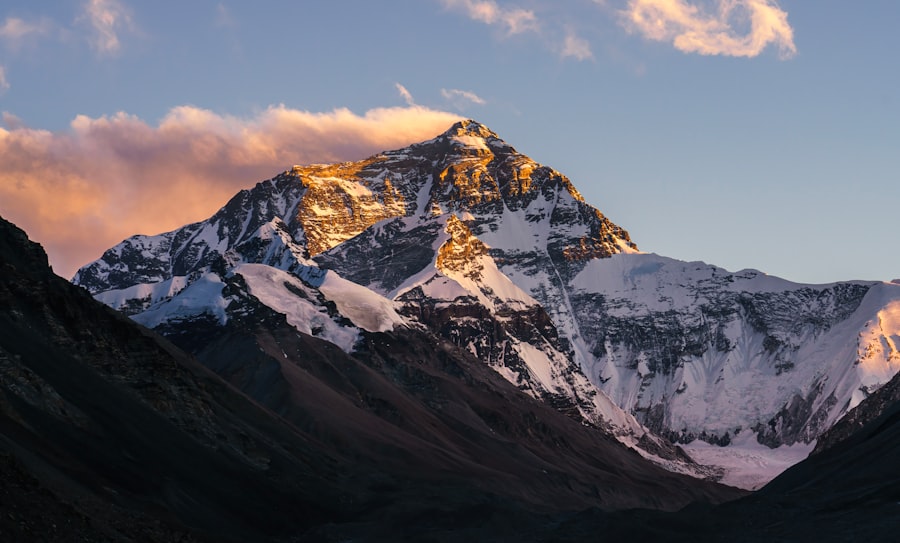
Confronting Mortality on Everest
The experience on Everest imparted profound lessons for Beck Weathers—insights that transcended mere survival and delved into the essence of life itself.
In those moments when survival hung by a thread, material concerns faded away, replaced by a deep appreciation for relationships and connections with others.
The Fragility of Life
The fragility of life became starkly evident; every breath taken was a gift rather than a guarantee. Weathers emerged from this harrowing experience with a renewed sense of purpose. He learned that resilience is not solely about physical strength but also about emotional vulnerability and openness to support from others.
A Newfound Understanding
The bonds forged during adversity can lead to profound transformations in perspective and priorities.
The impact of the experience on Beck Weathers’ perspective on life
The impact of Beck Weathers’ near-fatal experience on Everest reverberated throughout his life long after he returned home. The ordeal reshaped his worldview, instilling in him a sense of urgency to live fully and authentically. He recognized that life is unpredictable; it can change in an instant, often without warning.
This realization prompted him to prioritize experiences over possessions, seeking out adventures that enriched his life rather than merely accumulating material wealth. Moreover, Weathers became an advocate for sharing stories of survival and resilience with others. He understood that his journey could inspire those facing their own challenges—whether they be physical, emotional, or existential in nature.
By recounting his experiences, he aimed to instill hope in others who might feel trapped by their circumstances. His perspective shifted from one focused on personal achievement to one centered on community and connection—a legacy born from adversity that continues to resonate with many.
The enduring legacy of survival and hope
The legacy left by Beck Weathers extends far beyond his personal story; it embodies a universal message about survival and hope in the face of adversity. His journey serves as a reminder that even in our darkest moments, there exists an innate strength within us waiting to be discovered. The lessons learned from his experience on Everest resonate with individuals across various walks of life—encouraging them to confront their fears and embrace resilience.
Weathers’ story has inspired countless individuals facing their own battles—whether they are grappling with illness, loss, or personal challenges. His narrative emphasizes that survival is not merely about enduring physical hardships; it encompasses emotional healing and growth as well. By sharing his journey, Beck Weathers has become a beacon of hope for those navigating their own storms—a testament to the enduring power of the human spirit when faced with insurmountable odds.
In essence, Beck Weathers’ harrowing tale is not just one of survival; it is an exploration of what it means to be human in the face of life’s greatest challenges. His legacy continues to inspire resilience and hope in others, reminding us all that even when confronted with death’s shadow, we possess within us the capacity for remarkable strength and transformation.
If you enjoyed reading “Left for Dead” by Beck Weathers, you may also be interested in checking out the article “Hello World” on hellread.com. This article may provide further insights into survival stories or outdoor adventures that you find intriguing. Happy reading!
FAQs
What is the article “Left for Dead” by Beck Weathers about?
The article “Left for Dead” by Beck Weathers is about his harrowing experience of being left for dead during a Mount Everest expedition in 1996.
Who is Beck Weathers?
Beck Weathers is a pathologist and amateur mountain climber who survived a disastrous expedition on Mount Everest in 1996.
What happened to Beck Weathers during the Mount Everest expedition?
During the Mount Everest expedition in 1996, Beck Weathers was caught in a blizzard and left for dead by his fellow climbers. He miraculously survived the ordeal, despite suffering severe frostbite and losing parts of his hands and nose.
What lessons can be learned from Beck Weathers’ experience?
Beck Weathers’ experience serves as a cautionary tale about the dangers of mountain climbing and the importance of being prepared for extreme conditions. It also highlights the resilience of the human spirit and the will to survive against all odds.
How did Beck Weathers’ experience impact his life?
Beck Weathers’ experience on Mount Everest had a profound impact on his life, leading to physical and emotional challenges. He underwent multiple surgeries to recover from frostbite and struggled with survivor’s guilt and post-traumatic stress disorder. He also wrote a book, “Left for Dead: My Journey Home from Everest,” to share his story with others.




