
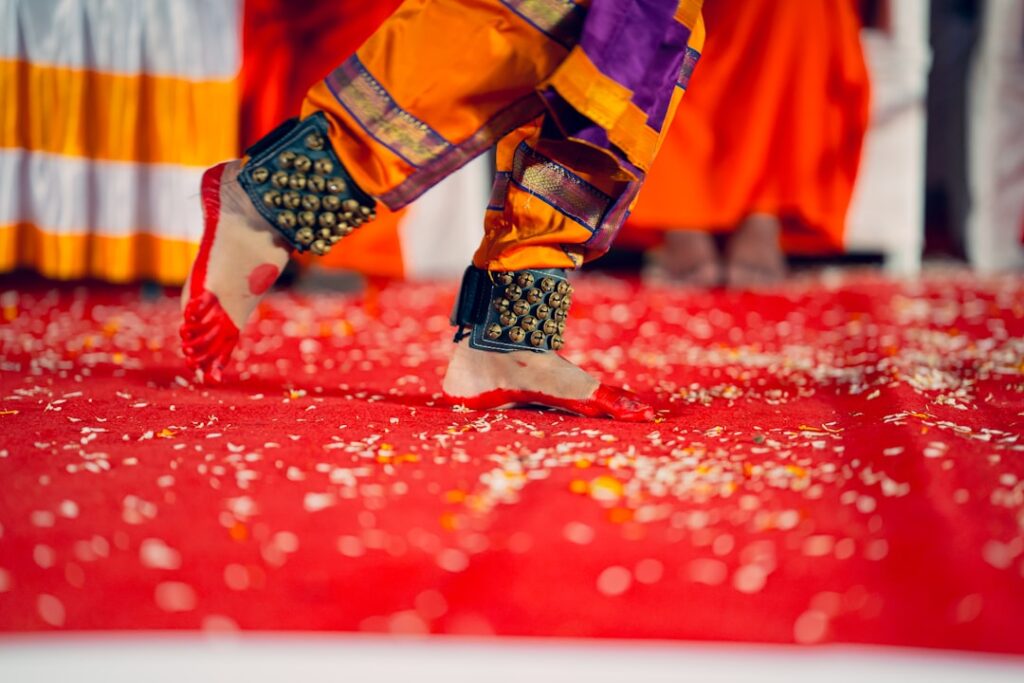
The concept of pilgrimage transcends mere travel; it embodies a profound journey of the spirit, a quest for meaning, and an exploration of the self. Pilgrimage has been a significant aspect of various cultures and religions throughout history, serving as a bridge between the physical and the metaphysical. It invites individuals to step away from their daily routines and immerse themselves in a transformative experience that often leads to personal revelations and spiritual growth.
The art of pilgrimage is not solely about reaching a destination; it is about the journey itself, the lessons learned along the way, and the connections forged with both the environment and fellow travelers. In many traditions, pilgrimage is seen as a rite of passage, a way to seek forgiveness, or a method to express gratitude. Whether it is the Camino de Santiago in Spain, the Hajj in Mecca, or the Kumbh Mela in India, each pilgrimage route is steeped in history and imbued with spiritual significance.
The act of walking towards a sacred site becomes a metaphor for the inner journey one undertakes, often leading to profound insights and a deeper understanding of one’s place in the universe. This article delves into the multifaceted nature of pilgrimage, exploring its historical roots, spiritual benefits, practical considerations, and the rituals that enrich this sacred journey.
Key Takeaways
- Pilgrimage is a sacred journey that has been practiced for centuries by people of various religious and spiritual traditions.
- The history of pilgrimage dates back to ancient times and holds great significance in many cultures and religions around the world.
- Pilgrimage offers spiritual and psychological benefits such as self-discovery, personal growth, and a deeper connection to the divine or higher power.
- When choosing a pilgrimage destination, consider factors such as personal beliefs, cultural significance, and the opportunity for inner reflection and transformation.
- Planning and preparation are essential for a successful pilgrimage, including researching the destination, arranging accommodations, and packing mindfully for the journey.
The History and Significance of Pilgrimage
The roots of pilgrimage can be traced back to ancient civilizations, where sacred sites were often associated with deities or significant events. In many cultures, these journeys were undertaken to honor gods, seek blessings, or fulfill vows. For instance, the ancient Greeks traveled to Delphi to consult the Oracle, while the Egyptians made pilgrimages to temples dedicated to their pantheon of gods.
These early forms of pilgrimage laid the groundwork for more structured religious practices that would emerge in later centuries. As religions evolved, so too did the concept of pilgrimage. In Christianity, the journey to Jerusalem became a central tenet for believers seeking to connect with the life of Christ.
The Middle Ages saw an explosion of pilgrimage routes across Europe, with sites like Canterbury and Santiago de Compostela becoming focal points for spiritual seekers. Similarly, in Islam, the Hajj represents one of the Five Pillars of Islam, obligating Muslims to undertake this sacred journey at least once in their lifetime if they are able. Each of these historical contexts highlights how pilgrimage serves not only as a means of spiritual expression but also as a communal activity that fosters connections among individuals sharing similar beliefs.
The Spiritual and Psychological Benefits of Pilgrimage
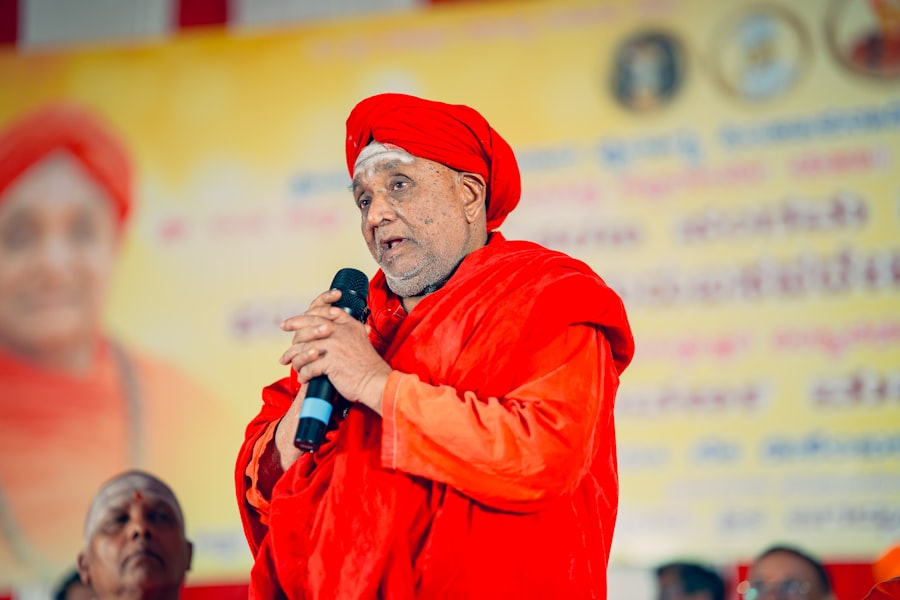
Engaging in a pilgrimage can yield profound spiritual and psychological benefits that extend far beyond the physical act of traveling. Many pilgrims report experiencing a heightened sense of awareness and connection to their spirituality during their journeys.
The act of walking—often for long distances—provides a meditative rhythm that can facilitate introspection and self-discovery. Moreover, the psychological benefits of pilgrimage are well-documented. Studies have shown that individuals who embark on such journeys often experience reduced levels of stress and anxiety.
The physical exertion involved in walking can release endorphins, contributing to an overall sense of well-being. Additionally, being immersed in nature or historical landscapes can evoke feelings of awe and wonder, which have been linked to increased happiness and life satisfaction. The communal aspect of pilgrimage also plays a crucial role; sharing experiences with fellow travelers fosters a sense of belonging and support that can be deeply healing.
How to Choose a Pilgrimage Destination
Selecting a pilgrimage destination is a deeply personal decision that should reflect one’s spiritual aspirations and interests. Various factors come into play when choosing where to embark on this sacred journey. One might consider their religious beliefs; for instance, Christians may feel drawn to sites like Jerusalem or Assisi, while Hindus might gravitate towards Varanasi or Rishikesh.
Understanding the significance of these locations can enhance the spiritual experience and provide context for the journey. Beyond religious affiliation, personal interests and physical capabilities should also guide the choice of destination. Some may prefer well-trodden paths like the Camino de Santiago, which offers established infrastructure and community support for pilgrims.
Others might seek solitude on less traveled routes that allow for deeper reflection and connection with nature. Additionally, practical considerations such as accessibility, climate, and available resources should be taken into account. Ultimately, choosing a pilgrimage destination is about aligning one’s intentions with the journey ahead, ensuring that it resonates on both spiritual and personal levels.
The Practicalities of Pilgrimage: Planning and Preparation
Once a destination has been chosen, careful planning and preparation become essential components of a successful pilgrimage. This process begins with researching the route itself—understanding its length, terrain, and any potential challenges that may arise along the way. Many popular pilgrimage routes offer guidebooks or online resources that provide valuable information about accommodations, food options, and points of interest.
Physical preparation is equally important; embarking on a pilgrimage often requires significant stamina and endurance. Engaging in regular walking or hiking in the months leading up to the journey can help build strength and resilience. Additionally, packing wisely is crucial; pilgrims should consider lightweight gear that is both functional and comfortable.
Essential items may include sturdy footwear, weather-appropriate clothing, a reliable backpack, and basic first-aid supplies. Mental preparation should not be overlooked either; setting intentions for the journey can help focus one’s mind on the spiritual aspects of the pilgrimage.
The Rituals and Traditions of Pilgrimage
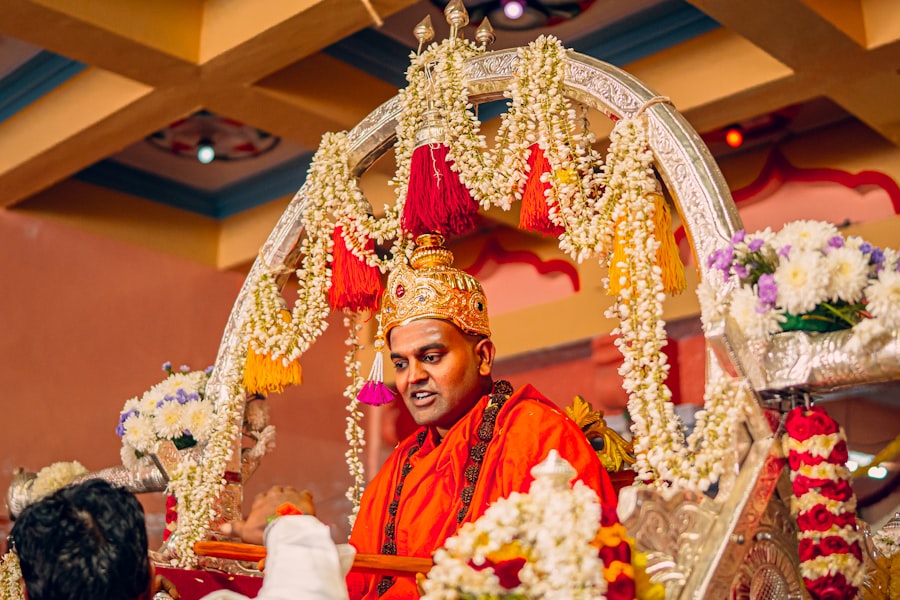
Rituals and traditions play an integral role in enriching the pilgrimage experience, providing structure and meaning to each step taken along the way. Many pilgrims engage in specific practices that enhance their connection to the sacredness of their journey.
In addition to personal rituals, communal practices often emerge among groups of pilgrims traveling together. Shared meals, group prayers, or collective reflections can foster camaraderie and deepen spiritual connections among participants. Many pilgrimage routes also feature designated stops at chapels or shrines where pilgrims can pause for contemplation or prayer.
These moments serve as opportunities for reflection on one’s journey thus far and can be pivotal in reinforcing the spiritual significance of the experience.
The Art of Mindful Travel: Making the Journey Sacred
Mindfulness is an essential aspect of transforming a pilgrimage into a sacred journey. By cultivating awareness of each moment—whether it be the sound of footsteps on gravel or the scent of wildflowers—pilgrims can deepen their connection to both their surroundings and their inner selves. Practicing mindfulness encourages individuals to embrace the present moment fully, allowing them to appreciate the beauty and significance inherent in each step taken along the path.
Incorporating mindfulness into daily practices during a pilgrimage can take various forms. Some may choose to engage in meditation or prayer at specific intervals throughout their journey, while others might find solace in journaling their thoughts and experiences at day’s end. The act of slowing down—taking time to observe nature or engage with fellow travelers—can transform mundane moments into profound encounters with spirituality.
By approaching each aspect of the pilgrimage with intention and awareness, travelers can create a sacred space that honors both their personal journey and the collective experience.
Bringing the Pilgrimage Experience Home: Integrating the Journey into Everyday Life
The culmination of a pilgrimage does not signify an end; rather, it marks the beginning of integrating newfound insights into everyday life. Many pilgrims find that their experiences resonate long after they return home, prompting them to reflect on how they can embody the lessons learned during their journey. This integration process may involve adopting new practices such as regular meditation or engaging more deeply with one’s community.
Creating rituals at home can also serve as a powerful reminder of one’s pilgrimage experience. This could include setting aside time for quiet reflection each day or establishing a dedicated space for prayer or meditation that incorporates elements from the journey—such as photographs or tokens collected along the way. Sharing stories with friends or family about one’s experiences can foster connections and inspire others to embark on their own journeys.
Ultimately, bringing the essence of pilgrimage into daily life allows individuals to maintain a sense of purpose and connection long after they have returned from their sacred travels.
If you are interested in exploring the spiritual aspects of travel and pilgrimage, you may also enjoy reading the article “The Power of Sacred Journeys” on hellread.com. This article delves into the transformative experiences that can occur when embarking on a pilgrimage or spiritual journey, echoing the themes discussed in Phil Cousineau’s book “The Art of Pilgrimage: The Seeker’s Guide to Making Travel Sacred.” Both resources offer valuable insights into the profound impact that travel can have on our spiritual growth and personal development.
FAQs
What is the book “The Art of Pilgrimage: The Seeker’s Guide to Making Travel Sacred” about?
The book “The Art of Pilgrimage: The Seeker’s Guide to Making Travel Sacred” by Phil Cousineau is a guide that explores the spiritual and transformative aspects of travel and pilgrimage. It offers insights and practical advice on how to make travel a sacred and meaningful experience.
Who is the author of “The Art of Pilgrimage: The Seeker’s Guide to Making Travel Sacred”?
The author of “The Art of Pilgrimage: The Seeker’s Guide to Making Travel Sacred” is Phil Cousineau, an author, lecturer, and documentary filmmaker known for his works on mythology, travel, and creativity.
What are some key themes discussed in “The Art of Pilgrimage: The Seeker’s Guide to Making Travel Sacred”?
Some key themes discussed in “The Art of Pilgrimage: The Seeker’s Guide to Making Travel Sacred” include the spiritual significance of travel, the art of mindful and intentional journeying, the transformative power of pilgrimage, and the ways in which travelers can make their journeys more meaningful and sacred.
How does “The Art of Pilgrimage: The Seeker’s Guide to Making Travel Sacred” offer practical advice for travelers?
“The Art of Pilgrimage: The Seeker’s Guide to Making Travel Sacred” offers practical advice for travelers by providing insights on how to approach travel with mindfulness, intention, and reverence. It includes exercises, rituals, and suggestions for making travel a more meaningful and transformative experience.
What makes “The Art of Pilgrimage: The Seeker’s Guide to Making Travel Sacred” a valuable resource for travelers?
“The Art of Pilgrimage: The Seeker’s Guide to Making Travel Sacred” is a valuable resource for travelers because it offers a unique perspective on travel as a spiritual and transformative practice. It provides practical guidance for making travel more meaningful, intentional, and sacred, regardless of the destination.




