

User Experience (UX) research is a critical component of the design process that focuses on understanding how users interact with products and services. It encompasses a variety of methodologies aimed at gathering insights into user behaviors, needs, and motivations. By employing UX research, designers and product teams can create solutions that are not only functional but also resonate with users on a deeper level.
The importance of UX research cannot be overstated; it serves as the foundation upon which effective design is built, ensuring that products are tailored to meet the specific requirements of their target audience. The landscape of UX research has evolved significantly over the years, driven by advancements in technology and a growing recognition of the importance of user-centered design. In the past, design decisions were often made based on assumptions or anecdotal evidence.
However, with the advent of more sophisticated research techniques and tools, organizations now have the ability to gather empirical data that informs their design choices. This shift has led to a more systematic approach to understanding user experiences, ultimately resulting in products that are more intuitive, engaging, and effective.
Key Takeaways
- UX research is essential for understanding user needs and behaviors to create successful products.
- User interviews and surveys are valuable tools for gathering insights into user preferences and pain points.
- Analyzing and synthesizing research data helps in identifying patterns and trends to inform design decisions.
- Creating user personas and scenarios can help in empathizing with users and designing for their specific needs.
- Usability testing and iterative design are crucial for refining and improving the user experience of a product.
Understanding User Needs and Behaviors
At the heart of UX research lies the imperative to understand user needs and behaviors. This understanding is achieved through various qualitative and quantitative methods that delve into the motivations behind user actions. For instance, ethnographic studies can provide rich insights into how users interact with products in their natural environments, revealing pain points and opportunities for improvement that may not be apparent through traditional surveys or focus groups.
By observing users in context, researchers can uncover the nuances of their experiences, leading to a more comprehensive understanding of their needs. Moreover, analyzing user behaviors involves not just what users do, but also why they do it.
For example, a study on mobile app usage might reveal that users prefer certain features during specific times of day or in particular settings. By segmenting users based on their behaviors and preferences, researchers can identify patterns that inform design decisions. This nuanced understanding allows teams to create tailored experiences that resonate with different user segments, ultimately enhancing overall satisfaction and engagement.
Conducting User Interviews and Surveys

User interviews and surveys are fundamental tools in the UX research arsenal, providing direct insights from users about their experiences and expectations. Interviews allow researchers to engage in open-ended conversations with users, facilitating a deeper exploration of their thoughts and feelings regarding a product or service. This qualitative approach enables researchers to probe into specific areas of interest, uncovering insights that might not emerge from structured survey questions alone.
For instance, an interview might reveal a user’s emotional response to a product feature, shedding light on how it impacts their overall experience. Surveys, on the other hand, offer a quantitative perspective by allowing researchers to gather data from a larger sample size. Well-designed surveys can capture user preferences, satisfaction levels, and demographic information, providing valuable metrics that can be analyzed statistically.
For example, a survey might ask users to rate their satisfaction with various aspects of a website on a scale from one to five. The aggregated data can then be used to identify trends and areas for improvement. Combining qualitative insights from interviews with quantitative data from surveys creates a holistic view of user experiences, enabling teams to make informed design decisions.
Analyzing and Synthesizing Research Data
Once data has been collected through interviews and surveys, the next step is to analyze and synthesize this information into actionable insights. This process often involves organizing qualitative data into themes or categories that highlight common user sentiments or behaviors. For instance, if multiple users express frustration with a particular feature during interviews, this feedback can be grouped together to identify a significant pain point that requires attention.
Thematic analysis allows researchers to distill complex information into clear findings that can guide design improvements. Quantitative data analysis complements this qualitative approach by providing statistical evidence to support or refute hypotheses generated during the research phase. Techniques such as regression analysis or correlation studies can reveal relationships between different variables, such as user demographics and satisfaction levels.
By triangulating qualitative insights with quantitative findings, researchers can develop a comprehensive understanding of user experiences. This synthesis not only informs design decisions but also helps communicate findings effectively to stakeholders who may not be familiar with UX research methodologies.
Creating User Personas and Scenarios
User personas are fictional representations of target users based on research data, designed to encapsulate key characteristics, goals, and behaviors of different user segments. Creating personas involves synthesizing insights gathered from interviews and surveys into distinct profiles that represent real users. For example, a persona for an e-commerce website might include details such as age, occupation, shopping habits, and pain points related to online purchasing.
These personas serve as reference points throughout the design process, ensuring that decisions remain aligned with user needs. In addition to personas, scenarios are crafted to illustrate how these users might interact with a product in specific contexts. Scenarios provide narrative descriptions that outline the user’s goals, motivations, and challenges while using the product.
By visualizing user interactions in realistic contexts, designers can better empathize with users and anticipate potential obstacles they may encounter. This practice fosters a user-centered mindset within the design team and helps ensure that solutions are tailored to meet actual user needs.
Usability Testing and Iterative Design
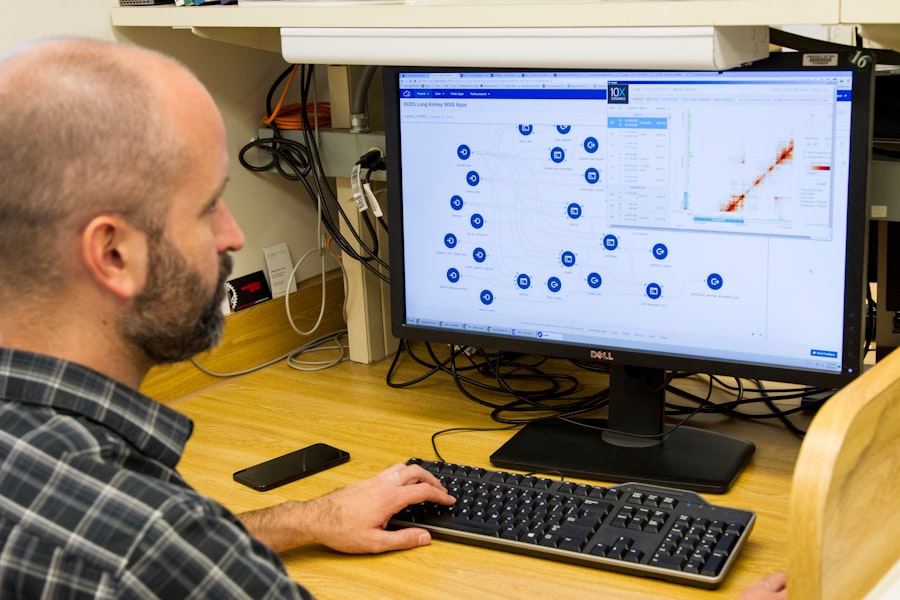
Uncovering Critical Insights
Usability tests can reveal critical insights into areas where users struggle or become confused, allowing designers to identify specific issues that need addressing before launch.
Iterative Design Process
The iterative design process is closely tied to usability testing, emphasizing continuous improvement based on user feedback. After conducting usability tests, designers can make informed adjustments to the product based on observed behaviors and user comments. This cycle of testing and refinement ensures that the final product is not only functional but also intuitive and enjoyable for users.
Enhancing User Experience
For example, if usability testing reveals that users have difficulty locating a key feature within an app, designers can modify the interface to enhance visibility or accessibility. This iterative approach fosters a culture of experimentation and responsiveness within design teams.
Incorporating Accessibility and Inclusive Design
Incorporating accessibility and inclusive design principles into UX research is paramount for creating products that cater to diverse user populations. Accessibility focuses on ensuring that products are usable by individuals with disabilities, while inclusive design aims to create solutions that consider the needs of all users regardless of their backgrounds or abilities. Conducting accessibility audits during the research phase can help identify barriers that may hinder certain users from fully engaging with a product.
For instance, when designing a website, researchers might evaluate color contrast ratios to ensure readability for individuals with visual impairments or assess navigation structures for ease of use by those with cognitive disabilities. By integrating accessibility considerations from the outset, teams can avoid costly redesigns later in the development process while also expanding their potential user base. Inclusive design practices not only enhance usability for individuals with disabilities but also improve overall user experience for everyone by fostering an environment where all users feel valued and considered.
Implementing UX Research into Product Development
The final step in the UX research process involves translating insights into actionable strategies for product development. This requires collaboration between UX researchers, designers, developers, and stakeholders to ensure that findings are effectively integrated into the design workflow. Regular communication among team members is essential for maintaining alignment on user needs throughout the development cycle.
For example, findings from usability tests may lead to specific design changes that need to be prioritized in development sprints. Additionally, ongoing feedback loops should be established to continuously gather user input even after product launch. This commitment to incorporating UX research into product development not only enhances the quality of the final product but also fosters a culture of user-centered thinking within organizations.
By prioritizing user experience at every stage of development, companies can create products that not only meet business objectives but also delight users in meaningful ways.
If you’re interested in learning more about UX research and practical techniques for designing better products, you may want to check out the article “Hello World” on Hellread.com. This article provides valuable insights and tips for improving user experience through research and design. To read more, visit here.
FAQs
What is UX research?
UX research, or user experience research, is the process of understanding user behaviors, needs, and motivations through various qualitative and quantitative methods. The goal of UX research is to inform the design and development of products and services that meet the needs of users.
Why is UX research important?
UX research is important because it helps designers and developers understand the needs and preferences of their users. By conducting UX research, teams can create products and services that are more user-friendly, intuitive, and effective.
What are some practical techniques for UX research?
Some practical techniques for UX research include user interviews, usability testing, surveys, card sorting, and contextual inquiry. These methods help researchers gather insights into user behaviors, preferences, and pain points.
How does UX research contribute to designing better products?
UX research contributes to designing better products by providing valuable insights into user needs and behaviors. By understanding users’ perspectives, designers and developers can create products that are more intuitive, user-friendly, and effective.
What are the benefits of incorporating UX research into the design process?
Incorporating UX research into the design process can lead to products that better meet user needs, increased user satisfaction, reduced development costs, and improved overall product success. By understanding user behaviors and preferences, teams can make informed design decisions that lead to better outcomes.




