
Fei-Fei Li is a prominent figure in the field of artificial intelligence (AI), renowned for her pioneering contributions to computer vision and machine learning. As a professor at Stanford University and co-director of the Stanford Human-Centered AI Institute, she has dedicated her career to advancing the understanding and application of AI technologies. Her work has not only pushed the boundaries of what machines can perceive and understand but has also emphasized the importance of integrating human values into technological advancements.
Li’s research has led to significant breakthroughs, including the development of ImageNet, a large-scale visual database that has been instrumental in training deep learning algorithms. This project has catalyzed a revolution in computer vision, enabling machines to recognize and classify images with remarkable accuracy. Li’s influence extends beyond academia; she is a vocal advocate for ethical AI development and the responsible use of technology.
Her commitment to ensuring that AI serves humanity is evident in her initiatives aimed at fostering collaboration between technologists, ethicists, and policymakers. By emphasizing the need for a human-centered approach to AI, Li seeks to bridge the gap between technological innovation and societal needs. Her work exemplifies a holistic view of AI, one that recognizes the potential of technology to enhance human life while also addressing the ethical dilemmas it presents.
Key Takeaways
- Fei-Fei Li is a renowned figure in AI and technology, known for her work in computer vision and machine learning.
- The intersection of AI and humanity raises important questions about the impact of technology on society, including issues of privacy, employment, and inequality.
- Empathy and human values are crucial in the development of AI to ensure that technology serves the best interests of humanity.
- Ethical considerations in AI development are essential for shaping the future of technology and ensuring its positive impact on society.
- Fei-Fei Li envisions a future where AI enhances human potential and addresses societal challenges, emphasizing the need for diversity and inclusion in AI development.
The intersection of AI and humanity: exploring the impact of technology on society
The intersection of AI and humanity is a complex landscape that raises profound questions about the role of technology in our lives. As AI systems become increasingly integrated into various aspects of society—from healthcare to education and beyond—they have the potential to transform how we interact with the world. For instance, AI-driven diagnostic tools in healthcare can analyze vast amounts of medical data to identify patterns that may elude human practitioners, leading to earlier detection of diseases and more personalized treatment plans.
However, this technological advancement also necessitates a critical examination of how these systems affect patient care and the doctor-patient relationship. Moreover, the impact of AI on employment is a topic of significant concern. Automation powered by AI has the potential to displace jobs across numerous sectors, prompting discussions about workforce retraining and the future of work.
While some argue that AI will create new job opportunities, others warn that the transition may exacerbate existing inequalities if not managed thoughtfully. The challenge lies in harnessing AI’s capabilities while ensuring that its benefits are equitably distributed across society. This duality highlights the need for ongoing dialogue about the implications of AI on social structures, economic systems, and individual lives.
The role of empathy and human values in the development of AI

Empathy and human values are critical components in the development of AI technologies. As machines become more capable of performing tasks traditionally reserved for humans, it is essential to embed ethical considerations into their design and functionality. Fei-Fei Li advocates for a model of AI that prioritizes human-centric values, emphasizing that technology should enhance human experiences rather than diminish them.
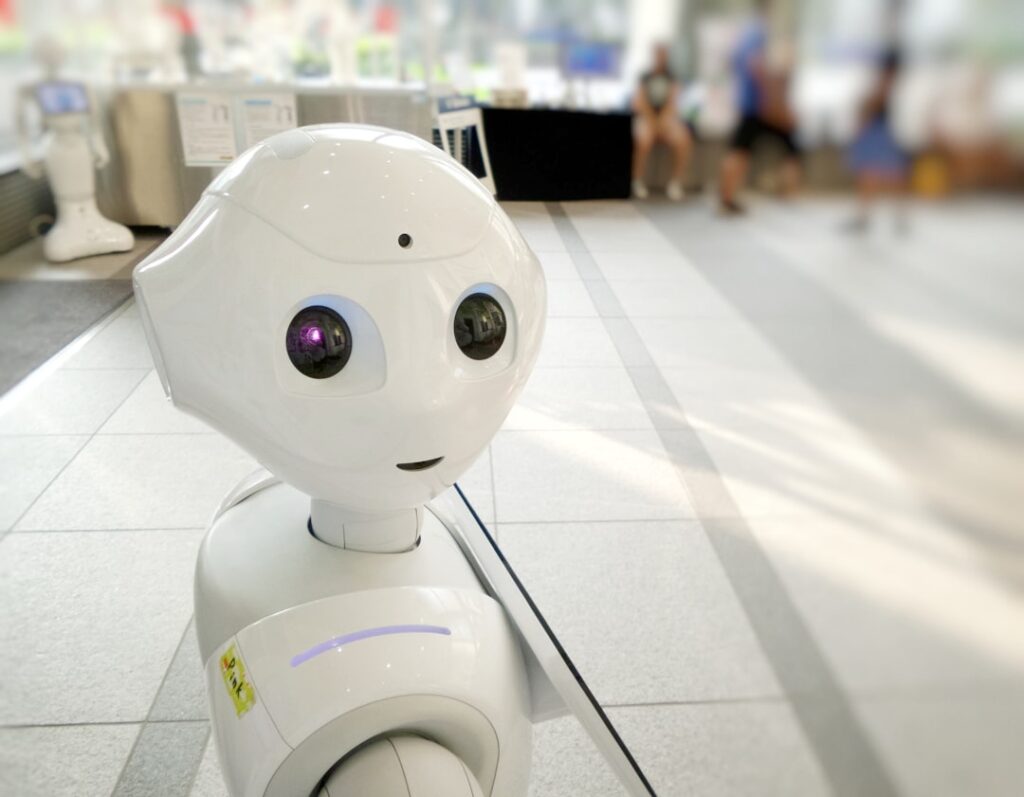
This perspective is particularly relevant in applications such as social robotics, where machines interact with people in emotionally charged contexts. For example, robots designed for elder care must not only perform practical tasks but also provide companionship and emotional support. Incorporating empathy into AI systems involves understanding the nuances of human emotions and social interactions.
This requires interdisciplinary collaboration among technologists, psychologists, sociologists, and ethicists to create systems that resonate with users on a deeper level. By fostering empathy in AI design, developers can create technologies that are not only functional but also sensitive to the emotional needs of individuals.
The ethical considerations of AI and the future of technology
The ethical considerations surrounding AI are multifaceted and increasingly urgent as technology continues to evolve at a rapid pace. Issues such as data privacy, algorithmic bias, and accountability are at the forefront of discussions about responsible AI development. For instance, machine learning algorithms trained on biased data can perpetuate existing inequalities, leading to discriminatory outcomes in areas like hiring practices or law enforcement.
Addressing these ethical dilemmas requires a proactive approach that includes diverse perspectives in the development process. Fei-Fei Li emphasizes the importance of transparency and accountability in AI systems. As these technologies become more autonomous, understanding how decisions are made becomes crucial for ensuring fairness and justice.
This calls for robust frameworks that govern AI deployment, including regulations that hold organizations accountable for their use of technology. Furthermore, fostering public discourse around these issues is essential for building trust between society and technological advancements. Engaging communities in conversations about the implications of AI can empower individuals to advocate for their rights and influence how technology shapes their lives.
Fei-Fei Li’s vision for the future of AI and its potential impact on humanity
Fei-Fei Li envisions a future where AI serves as a powerful tool for enhancing human capabilities rather than replacing them. Her vision is rooted in the belief that technology should be developed with a focus on improving quality of life across diverse populations. This perspective aligns with her advocacy for human-centered AI, which prioritizes ethical considerations and societal impact over mere technological advancement.
Li’s work aims to create systems that augment human intelligence, enabling individuals to achieve their full potential while addressing pressing global challenges. One area where Li sees significant potential for positive impact is in education. By leveraging AI technologies, personalized learning experiences can be created that cater to individual student needs, fostering engagement and improving educational outcomes.
For instance, adaptive learning platforms can analyze student performance data to tailor content delivery, ensuring that learners receive support at their own pace. This approach not only enhances educational equity but also empowers students to take ownership of their learning journeys.
The importance of diversity and inclusion in the development of AI and technology
Diversity and inclusion are paramount in shaping the future of AI and technology. A homogenous group of developers may inadvertently create systems that reflect their biases, leading to products that do not serve or represent all segments of society effectively. Fei-Fei Li advocates for diverse teams in tech development as a means to mitigate bias and foster innovation.
By bringing together individuals from various backgrounds—encompassing different genders, ethnicities, socioeconomic statuses, and experiences—organizations can cultivate a richer understanding of user needs and challenges. Moreover, inclusive practices extend beyond team composition; they also encompass how technologies are designed and deployed. Engaging with underrepresented communities during the development process can yield insights that inform more equitable solutions.
For example, when designing healthcare technologies, involving patients from diverse backgrounds can help identify specific barriers they face in accessing care. This collaborative approach not only enhances product relevance but also builds trust between developers and users, ultimately leading to more successful outcomes.
The potential benefits and risks of AI in various industries and sectors
AI holds transformative potential across numerous industries, offering both benefits and risks that must be carefully navigated. In healthcare, for instance, AI algorithms can analyze medical images with high accuracy, assisting radiologists in diagnosing conditions such as cancer at earlier stages.
However, reliance on automated systems also raises concerns about accountability—if an algorithm misdiagnoses a condition, who is responsible? Such questions underscore the need for clear guidelines governing AI use in sensitive sectors. In finance, AI-driven algorithms can enhance fraud detection by analyzing transaction patterns in real-time, identifying anomalies that may indicate fraudulent activity.
While this can lead to increased security for consumers and institutions alike, it also poses risks related to privacy and data security. The collection and analysis of vast amounts of personal financial data necessitate stringent safeguards to protect individuals’ information from breaches or misuse. Balancing innovation with ethical considerations is crucial as industries increasingly adopt AI technologies.
reflections on the potential of AI to shape the future of humanity
The potential of AI to shape the future of humanity is immense, offering opportunities for innovation while simultaneously presenting challenges that require careful consideration. As we navigate this evolving landscape, it is essential to prioritize human values, empathy, diversity, and ethical practices in the development of technology. Fei-Fei Li’s work serves as a guiding light in this endeavor, advocating for an approach that places humanity at the center of technological advancement.
By fostering collaboration among technologists, ethicists, policymakers, and communities, we can harness the power of AI to address pressing global issues while ensuring that its benefits are equitably distributed. The journey toward a future where AI enhances human life is complex but achievable through thoughtful engagement with diverse perspectives and a commitment to ethical principles. As we look ahead, it is imperative to remain vigilant about the implications of our technological choices while embracing the transformative potential that AI holds for society at large.
If you enjoyed reading Fei-Fei Li’s exploration of AI, humanity, and the future of technology in “The Worlds I See: Journeying Through AI, Humanity, and the Future of Technology,” you may also be interested in a related article on Hellread titled Hello World. This article delves into the impact of technology on our daily lives and how it is shaping the world we live in. Both pieces offer thought-provoking insights into the intersection of artificial intelligence and humanity.
FAQs
What is the article “The Worlds I See: Journeying Through AI, Humanity, and the Future of Technology” about?
The article “The Worlds I See: Journeying Through AI, Humanity, and the Future of Technology” by Fei-Fei Li explores the intersection of artificial intelligence, humanity, and the future of technology. It delves into the potential impact of AI on society and the ethical considerations surrounding its development and implementation.
Who is Fei-Fei Li?
Fei-Fei Li is a prominent computer scientist and the co-director of the Stanford University Human-Centered AI Institute. She is known for her work in artificial intelligence, computer vision, and cognitive neuroscience.
What are some of the key themes discussed in the article?
The article discusses the potential of AI to enhance human capabilities, the ethical implications of AI development, the importance of diversity and inclusion in the tech industry, and the need for a human-centered approach to AI technology.
How does the article address the future of technology?
The article examines the potential impact of AI on various aspects of society, including healthcare, education, and the workforce. It also emphasizes the need for responsible and ethical development of AI technology to ensure a positive future for humanity.
What are some of the insights provided by Fei-Fei Li in the article?
Fei-Fei Li provides insights into the potential of AI to address societal challenges, the importance of interdisciplinary collaboration in AI research, and the need for ethical guidelines to govern the development and deployment of AI technology.




