

Yvon Chouinard was born on November 9, 1938, in Lewiston, Maine, but his formative years were spent in the rugged landscapes of California. Growing up in a family that valued outdoor activities, Chouinard developed a passion for nature and adventure early on. His father, a French-Canadian immigrant, instilled in him a love for the outdoors, often taking him on fishing trips and camping excursions.
These experiences not only fostered a deep appreciation for the environment but also ignited a spirit of exploration that would define his life.
This newfound passion would ultimately shape his career and influence his business philosophy.
Chouinard’s early experiences as a climber were marked by a desire to innovate and improve the tools available for the sport. In the late 1950s, he began forging his own climbing gear, recognizing that existing equipment was often inadequate or poorly designed. This hands-on approach to problem-solving laid the groundwork for his future endeavors.
By the time he was in his twenties, Chouinard had established himself as a skilled climber and an innovative gear maker. His commitment to quality and performance would later become hallmarks of his brand, Patagonia. The combination of his adventurous spirit and entrepreneurial mindset set the stage for what would become a revolutionary approach to outdoor apparel and equipment.
Key Takeaways
- Yvon Chouinard grew up in a French-Canadian family in Maine and developed a love for the outdoors at a young age.
- Patagonia was created out of Chouinard’s passion for climbing and the need for better quality climbing gear.
- Chouinard’s business philosophy focuses on sustainability, quality, and environmental responsibility.
- Patagonia has made efforts to reduce its environmental impact through initiatives like using recycled materials and fair trade practices.
- Chouinard is known for his philanthropy and activism, including donating a portion of Patagonia’s profits to environmental causes.
The Creation of Patagonia
The inception of Patagonia can be traced back to the late 1960s when Chouinard began selling climbing gear under the name Chouinard Equipment. His products quickly gained popularity among climbers for their durability and functionality. However, it was in 1973 that Chouinard made a pivotal decision to expand his vision beyond climbing gear.
He introduced a line of outdoor clothing that emphasized both performance and environmental responsibility. This marked the official birth of Patagonia as a brand dedicated to the outdoor lifestyle. Patagonia’s early clothing line was characterized by its innovative use of materials and designs that catered to the needs of outdoor enthusiasts.
The company’s first product was a simple line of cotton T-shirts, but it quickly evolved into a comprehensive range of outdoor apparel. Chouinard’s commitment to quality was evident in every piece produced, as he sought to create clothing that could withstand the rigors of outdoor activities while also being comfortable and stylish. The brand’s ethos was rooted in the idea that outdoor gear should not only perform well but also reflect a deep respect for nature.
This philosophy resonated with consumers who were increasingly aware of environmental issues, setting Patagonia apart from its competitors.
Chouinard’s Business Philosophy

Yvon Chouinard’s business philosophy is deeply intertwined with his personal values and experiences as an outdoor enthusiast. Central to this philosophy is the belief that businesses should operate with integrity and responsibility toward both their customers and the environment. Chouinard has often emphasized that profit should not come at the expense of ecological sustainability.
This perspective is reflected in Patagonia’s commitment to using organic cotton, recycled materials, and environmentally friendly production processes. By prioritizing sustainability over short-term profits, Chouinard has demonstrated that it is possible to run a successful business while also being a steward of the planet. Moreover, Chouinard’s approach to leadership is characterized by a strong emphasis on employee empowerment and collaboration.
He believes that fostering a culture of trust and creativity within the workplace leads to better outcomes for both employees and the company as a whole. This philosophy is evident in Patagonia’s unique work environment, where employees are encouraged to pursue their passions and engage in outdoor activities during work hours. By creating a supportive atmosphere that values individual contributions, Chouinard has cultivated a loyal workforce that is deeply committed to the brand’s mission.
The Environmental Impact of Patagonia
Patagonia has long been recognized as a leader in environmental activism within the business community. The company’s commitment to sustainability is not merely a marketing strategy; it is an integral part of its identity. From its inception, Patagonia has taken bold steps to minimize its environmental footprint.
For instance, the company was one of the first major brands to adopt organic cotton in its products, recognizing the harmful effects of conventional cotton farming on ecosystems and communities. This decision not only set a precedent for other companies but also demonstrated that consumers are willing to support brands that prioritize environmental responsibility. In addition to sustainable sourcing practices, Patagonia has actively engaged in various environmental initiatives aimed at protecting natural resources and promoting conservation efforts.
The company has pledged 1% of its sales to environmental causes through its “1% for the Planet” program, which has contributed millions of dollars to grassroots organizations working on critical environmental issues. Furthermore, Patagonia has been vocal about climate change and has used its platform to advocate for policies that address this global crisis. By aligning its business practices with environmental stewardship, Patagonia has inspired other companies to adopt similar approaches, creating a ripple effect throughout the industry.
Chouinard’s Philanthropy and Activism
Yvon Chouinard’s commitment to philanthropy extends beyond corporate initiatives; it is deeply rooted in his personal beliefs and lifestyle choices. He has consistently used his influence to advocate for environmental causes and social justice issues. One notable example is his involvement with various grassroots organizations focused on conservation and climate action.
Chouinard has often stated that he views philanthropy as an essential part of being a responsible business leader, believing that successful companies have an obligation to give back to the communities they impact. In addition to financial contributions, Chouinard has actively participated in campaigns aimed at raising awareness about pressing environmental issues. He has been involved in efforts to protect public lands, combat climate change, and promote sustainable practices within industries that have historically contributed to environmental degradation.
His activism is not limited to traditional philanthropic efforts; it encompasses a holistic approach that seeks systemic change through education and advocacy. By leveraging his platform as a successful entrepreneur, Chouinard has amplified the voices of those fighting for environmental justice and inspired others in the business world to follow suit.
The Evolution of Patagonia’s Products
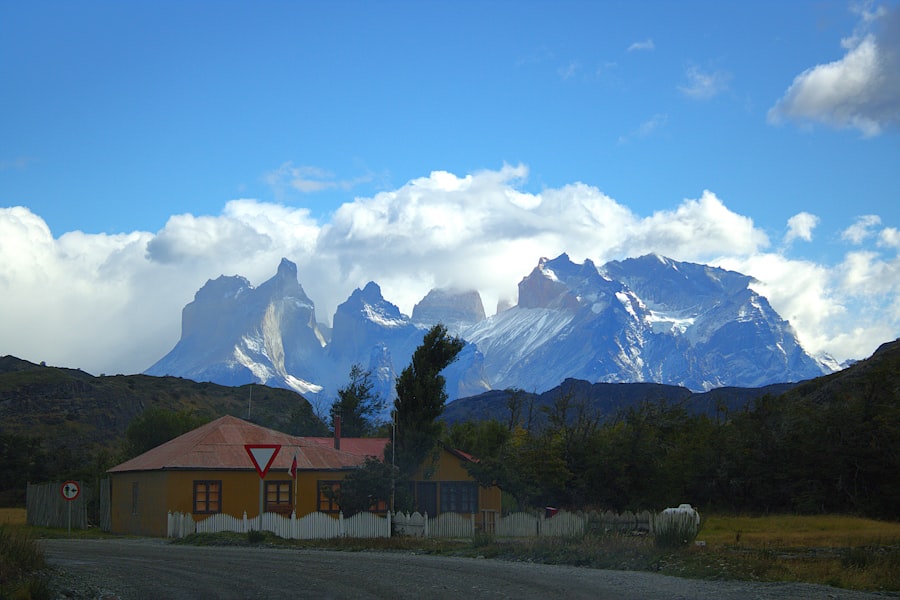
Over the decades, Patagonia has continually evolved its product offerings in response to changing consumer needs and advancements in technology. Initially focused on climbing gear, the brand expanded its range to include apparel for various outdoor activities such as skiing, surfing, hiking, and trail running. This diversification allowed Patagonia to reach a broader audience while remaining true to its core mission of providing high-quality gear for outdoor enthusiasts.
The introduction of innovative materials has played a significant role in Patagonia’s product evolution. For instance, the company was among the pioneers in using recycled polyester in its clothing line, significantly reducing reliance on virgin materials and minimizing waste. Additionally, Patagonia has invested in research and development to create performance fabrics that enhance comfort and durability while maintaining environmental integrity.
The brand’s commitment to continuous improvement ensures that its products not only meet but exceed customer expectations, reinforcing its reputation as a leader in outdoor apparel.
Chouinard’s Leadership Style
Yvon Chouinard’s leadership style is characterized by authenticity, humility, and a deep respect for nature and people alike. He believes that effective leadership involves listening to employees and fostering an environment where everyone feels valued and empowered to contribute their ideas. This approach has cultivated a strong sense of community within Patagonia, where employees are encouraged to take ownership of their work and pursue their passions.
Chouinard’s unconventional leadership methods also include promoting work-life balance by allowing employees flexible schedules that accommodate their outdoor pursuits. This not only enhances employee satisfaction but also aligns with Patagonia’s brand ethos of encouraging people to engage with nature actively. By prioritizing employee well-being alongside business objectives, Chouinard has created a culture where innovation thrives, leading to groundbreaking products and initiatives that resonate with consumers.
Lessons Learned from “Let My People Go Surfing”
In his book “Let My People Go Surfing,” Yvon Chouinard shares invaluable insights drawn from his experiences as an entrepreneur and environmentalist.
This principle serves as a guiding light for entrepreneurs seeking to create meaningful impact through their ventures.
Another significant takeaway from Chouinard’s narrative is the power of resilience and adaptability in business. He recounts various challenges faced by Patagonia over the years—from economic downturns to shifts in consumer preferences—and highlights how embracing change can lead to growth and innovation. By fostering a culture that encourages experimentation and learning from failures, businesses can navigate uncertainties while remaining true to their mission.
Ultimately, “Let My People Go Surfing” serves as both an inspiring memoir and a practical guide for those looking to make a positive difference through their work while staying connected to their passions and values.
If you enjoyed reading Let My People Go Surfing: The Education of a Reluctant Businessman by Yvon Chouinard, you may also be interested in checking out this article on sustainable business practices and environmental activism. The article discusses the importance of incorporating ethical and eco-friendly principles into business operations, a topic that Chouinard is passionate about. You can read the full article here.
FAQs
What is the book “Let My People Go Surfing” about?
The book “Let My People Go Surfing” by Yvon Chouinard is a memoir and business book that details the founding and growth of the outdoor clothing and gear company Patagonia. It also discusses Chouinard’s philosophy on business, environmentalism, and the importance of work-life balance.
Who is the author of “Let My People Go Surfing”?
The author of “Let My People Go Surfing” is Yvon Chouinard, the founder of the outdoor clothing and gear company Patagonia. Chouinard is also known for his environmental activism and sustainable business practices.
What are some key themes in “Let My People Go Surfing”?
Some key themes in “Let My People Go Surfing” include sustainable business practices, environmental activism, work-life balance, and the importance of creating a positive company culture. The book also discusses Chouinard’s personal experiences and the challenges he faced in building Patagonia.
How has “Let My People Go Surfing” been received?
“Let My People Go Surfing” has been well-received by readers and critics, and it has been praised for its insights into sustainable business practices and environmentalism. The book has also been influential in the business world, inspiring other companies to adopt more environmentally friendly and socially responsible practices.




