
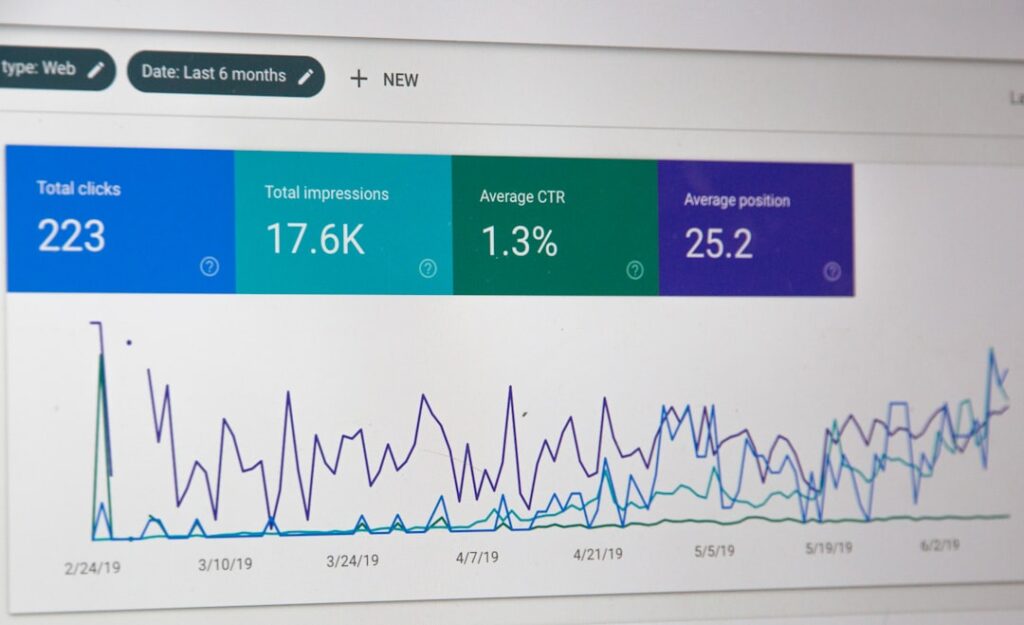
Marketing research is a systematic process that involves gathering, analyzing, and interpreting information about a market, including information about the target audience, competitors, and the overall industry landscape. This discipline serves as a critical foundation for businesses seeking to understand consumer behavior, market trends, and the effectiveness of marketing strategies. By employing various methodologies and tools, marketing research enables organizations to make informed decisions that can significantly impact their success in the marketplace.
The evolution of marketing research has been influenced by technological advancements and changing consumer behaviors. In the past, businesses relied heavily on traditional methods such as surveys and focus groups to gather insights. However, the rise of digital technologies has transformed the landscape, allowing for more sophisticated data collection and analysis techniques.
Today, companies can leverage big data, social media analytics, and artificial intelligence to gain deeper insights into consumer preferences and market dynamics. This shift not only enhances the accuracy of research findings but also enables businesses to respond more swiftly to changing market conditions.
Key Takeaways
- Marketing research is the process of gathering, analyzing, and interpreting information about a market, product, or service to make informed business decisions.
- Marketing research is important because it helps businesses understand their customers, competitors, and market trends, leading to more effective marketing strategies and better decision-making.
- The marketing research process involves defining the problem, developing a research plan, collecting data, analyzing the data, and presenting the findings.
- Types of marketing research include exploratory research, descriptive research, and causal research, each serving different purposes in understanding consumer behavior and market trends.
- Data collection methods in marketing research can include surveys, interviews, observations, and secondary data sources, each with its own advantages and limitations.
The Importance of Marketing Research
Understanding Consumer Needs and Preferences
By conducting marketing research, businesses can gain a deeper understanding of their target audience’s needs and preferences. This information can be used to tailor products and services to meet specific demands, leading to increased customer satisfaction and loyalty. For example, a company launching a new beverage product can use marketing research to identify flavor preferences among different demographic groups, ensuring that the final product resonates with its target audience.
Risk Management and Proactive Strategy
Marketing research also plays a crucial role in risk management. By analyzing market trends and consumer behavior, businesses can identify potential challenges and opportunities before they arise. This allows organizations to adjust their strategies accordingly, whether by diversifying their product offerings or implementing targeted marketing campaigns to retain customers during tough times.
Driving Business Growth and Success
Ultimately, the insights gained from marketing research can drive business growth and success. By understanding their target audience and staying ahead of market trends, companies can develop effective strategies that meet the evolving needs of their customers. This leads to increased customer loyalty, retention, and ultimately, revenue growth.
The Marketing Research Process

The marketing research process is a structured approach that typically consists of several key stages: defining the problem, designing the research plan, collecting data, analyzing data, and presenting findings. Each stage is crucial for ensuring that the research is relevant and actionable. The first step involves clearly articulating the research problem or question.
This may involve identifying gaps in knowledge or specific challenges that the business is facing. Once the problem is defined, researchers must design a comprehensive research plan that outlines the methodologies and tools to be used. This plan may include qualitative methods such as focus groups or interviews, as well as quantitative methods like surveys or experiments.
After the plan is established, data collection begins. This phase requires careful execution to ensure that the data gathered is reliable and valid. Following data collection, researchers analyze the information using statistical techniques or qualitative analysis methods to draw meaningful conclusions.
Finally, the findings are presented in a format that is accessible and actionable for decision-makers within the organization.
Types of Marketing Research
Marketing research can be broadly categorized into two main types: primary research and secondary research. Primary research involves the collection of new data directly from sources through methods such as surveys, interviews, and observations. This type of research is particularly valuable because it provides firsthand insights tailored to specific business needs.
For example, a tech company launching a new app might conduct user testing sessions to gather feedback on functionality and user experience. On the other hand, secondary research involves analyzing existing data that has already been collected by other sources. This can include industry reports, academic studies, or publicly available statistics.
Secondary research is often more cost-effective and quicker to conduct than primary research; however, it may not always provide the specific insights needed for a particular business challenge. For instance, a company looking to enter a new market may review existing market reports to understand competitive dynamics but will still need primary research to gauge local consumer preferences.
Data Collection Methods in Marketing Research
Data collection methods in marketing research are diverse and can be tailored to fit specific objectives and target audiences. Surveys are one of the most common methods used for quantitative data collection.
Surveys can include closed-ended questions for quantitative analysis or open-ended questions for qualitative insights. Interviews are another valuable method for collecting qualitative data. They allow researchers to engage directly with participants, facilitating in-depth discussions that can uncover nuanced insights about consumer attitudes and behaviors.
Focus groups also fall under this category; they bring together a small group of individuals from the target audience to discuss their perceptions of a product or service in a moderated setting. This method can reveal collective attitudes and generate ideas that might not emerge through individual interviews or surveys.
This approach involves watching consumers in their natural environments to understand their behaviors and interactions with products or services. For example, a grocery store chain might observe how customers navigate aisles and make purchasing decisions to optimize store layout and product placement.
Analyzing and Interpreting Marketing Research Data

Once data has been collected through various methods, the next critical step is analysis and interpretation. This phase involves organizing the data into meaningful formats that facilitate understanding and decision-making. Quantitative data often requires statistical analysis techniques such as regression analysis or factor analysis to identify patterns and relationships among variables.
For instance, a company might analyze survey results to determine how different factors—such as price sensitivity or brand loyalty—affect purchasing decisions. Qualitative data analysis typically involves coding responses into themes or categories that reflect common sentiments or ideas expressed by participants. This process allows researchers to distill complex narratives into actionable insights.
For example, if focus group participants consistently mention concerns about sustainability when discussing a product line, this insight can inform future marketing strategies or product development initiatives. Interpreting the results requires not only statistical acumen but also an understanding of the broader market context. Researchers must consider external factors such as economic conditions, cultural trends, and competitive dynamics when drawing conclusions from their findings.
This holistic approach ensures that insights are relevant and applicable within the specific business environment.
Using Marketing Research to Make Strategic Decisions
The ultimate goal of marketing research is to inform strategic decision-making within an organization. By leveraging insights gained from research, businesses can develop targeted marketing strategies that resonate with their audience and drive growth. For instance, if research indicates a growing trend toward health-conscious products among consumers, a food manufacturer might pivot its product line to include organic or low-calorie options.
Additionally, marketing research can guide decisions related to pricing strategies, distribution channels, and promotional tactics. A company considering entering a new market may use research findings to identify optimal pricing structures based on local consumer purchasing power and competitor pricing strategies. Similarly, insights from consumer behavior studies can inform decisions about which advertising channels are most effective for reaching target audiences.
Moreover, marketing research fosters a culture of continuous improvement within organizations. By regularly conducting research and analyzing market trends, businesses can remain agile and responsive to changes in consumer preferences or competitive pressures. This proactive approach not only enhances customer satisfaction but also positions companies for long-term success in an ever-evolving marketplace.
Ethical Considerations in Marketing Research
As with any field involving human subjects and data collection, ethical considerations are paramount in marketing research. Researchers must prioritize transparency and integrity throughout the process to build trust with participants and stakeholders alike. Informed consent is a fundamental ethical principle; participants should be fully aware of the purpose of the research, how their data will be used, and any potential risks involved.
Confidentiality is another critical aspect of ethical marketing research. Researchers must ensure that personal information collected from participants is protected and used solely for its intended purpose. This commitment not only safeguards participant privacy but also enhances the credibility of the research findings.
Furthermore, researchers should avoid any practices that could lead to bias or manipulation of results. This includes ensuring that survey questions are designed objectively without leading participants toward specific answers. Ethical marketing research promotes fairness and respect for participants while contributing valuable insights that benefit both businesses and consumers alike.
In conclusion, marketing research is an indispensable tool for organizations seeking to navigate complex market landscapes effectively. By understanding its importance, processes, types, methods of data collection, analysis techniques, strategic applications, and ethical considerations, businesses can harness the power of marketing research to drive informed decision-making and foster sustainable growth in an increasingly competitive environment.
If you are interested in learning more about marketing research, you may also want to check out this article on Hellread titled Hello World. This article delves into the importance of understanding consumer behavior and how it can impact marketing strategies. By combining the insights from both Marketing Research by Alvin Burns and Ronald Bush and this article, you can gain a comprehensive understanding of how to effectively conduct market research and make informed business decisions.
FAQs
What is marketing research?
Marketing research is the process of gathering, analyzing, and interpreting information about a market, product, or service to make informed business decisions.
Why is marketing research important?
Marketing research is important because it helps businesses understand their customers, competitors, and market trends. This information can be used to develop effective marketing strategies, improve products or services, and make informed business decisions.
What are the different types of marketing research?
There are two main types of marketing research: primary research and secondary research. Primary research involves collecting new data directly from the source, while secondary research involves analyzing existing data that has already been collected.
What are the steps involved in conducting marketing research?
The steps involved in conducting marketing research typically include defining the problem, developing a research plan, collecting data, analyzing the data, and presenting the findings.
What are some common methods of collecting data in marketing research?
Common methods of collecting data in marketing research include surveys, interviews, focus groups, observation, and experiments. Each method has its own advantages and limitations, and the choice of method depends on the research objectives and the nature of the information being sought.
How is marketing research used in business decision-making?
Marketing research is used in business decision-making to provide insights into customer preferences, market trends, and competitive dynamics. This information can help businesses identify opportunities, assess risks, and develop effective marketing strategies.




