
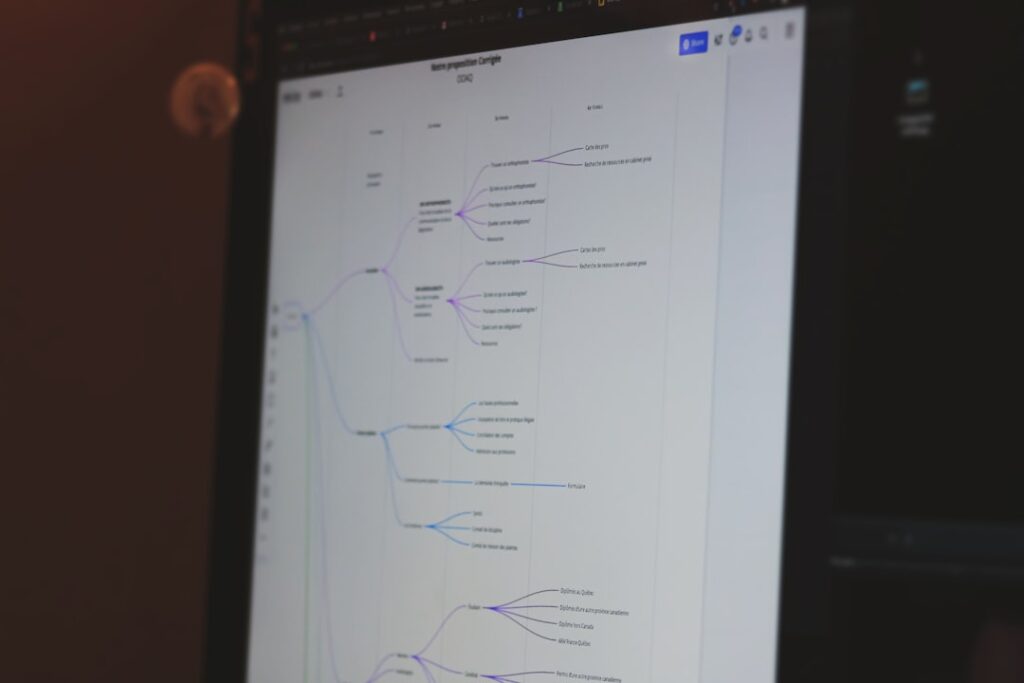
User story mapping is a visual exercise that helps teams understand the journey of a user as they interact with a product or service. This technique, rooted in Agile methodologies, allows teams to break down complex features into manageable user stories, which are short, simple descriptions of a feature told from the perspective of the user. The concept was popularized by Jeff Patton in his book “User Story Mapping: Discover the Whole Story, Build the Right Product.” By creating a user story map, teams can visualize the entire user experience, identify gaps in functionality, and prioritize development efforts based on user needs.
At its core, user story mapping is about empathy and understanding. It encourages teams to step into the shoes of their users, fostering a deeper appreciation for their needs and pain points. This approach not only aids in product development but also enhances communication among team members, stakeholders, and users.
By mapping out the user journey, teams can create a shared understanding of what needs to be built and why, ultimately leading to more effective and user-centered products.
Key Takeaways
- User story mapping is a visual representation of the user’s journey through a product, helping teams understand the user’s perspective and prioritize features.
- User story mapping is crucial in agile development as it helps teams stay focused on user needs, prioritize work, and deliver value in small increments.
- The process of user story mapping involves identifying user activities, breaking them down into tasks, and organizing them into a coherent flow.
- Best practices for creating user story maps include involving cross-functional teams, keeping the map up-to-date, and focusing on user goals rather than features.
- Tools and techniques for user story mapping include physical or digital boards, sticky notes, and collaborative software to facilitate remote team collaboration.
The Importance of User Story Mapping in Agile Development
User story mapping plays a crucial role in Agile development by providing a structured yet flexible framework for organizing and prioritizing work. In Agile environments, where requirements can change rapidly, having a clear visual representation of user stories helps teams stay aligned with user needs and business goals. It allows for iterative development, where teams can continuously refine their understanding of what users want and adjust their priorities accordingly.
This adaptability is essential in today’s fast-paced digital landscape, where user expectations evolve quickly. Moreover, user story mapping enhances collaboration within cross-functional teams. By involving stakeholders from various disciplines—such as design, development, marketing, and customer support—teams can gather diverse perspectives that enrich the mapping process.
This collaborative effort ensures that all aspects of the user experience are considered, leading to more comprehensive solutions. Additionally, it fosters a culture of shared ownership and accountability, as everyone involved has a stake in understanding and delivering on user needs.
The Process of User Story Mapping

The process of user story mapping typically begins with gathering a cross-functional team to brainstorm and discuss the user’s journey. This involves identifying the primary goals or tasks that users want to accomplish with the product. These goals are then broken down into smaller tasks or activities that represent specific interactions users will have with the product.
Each task is captured as a user story, often following the format: “As a [user type], I want [goal] so that [reason].
The horizontal layout illustrates the flow of activities from start to finish, while the vertical arrangement helps prioritize which stories should be tackled first based on their importance to the user experience. This visual representation not only aids in understanding the user journey but also serves as a living document that can be updated as new insights are gained or priorities shift.
Best Practices for Creating User Story Maps
Creating effective user story maps requires adherence to several best practices that enhance clarity and usability. First and foremost, it is essential to involve a diverse group of stakeholders in the mapping process. This ensures that multiple perspectives are considered and that the resulting map reflects a comprehensive understanding of user needs.
Engaging users directly through interviews or surveys can also provide valuable insights that inform the mapping process. Another best practice is to keep the map simple and focused. While it may be tempting to include every possible feature or detail, an overly complex map can become unwieldy and difficult to navigate.
Instead, prioritize high-level tasks that capture the essence of the user journey and then drill down into more detailed stories as needed. Additionally, using clear and concise language for each user story helps ensure that everyone involved understands the intent behind each task.
Tools and Techniques for User Story Mapping
There are various tools and techniques available for creating user story maps, ranging from physical methods like sticky notes on a whiteboard to digital platforms designed specifically for Agile project management. Physical story mapping can be highly effective in fostering collaboration during workshops or brainstorming sessions. Teams can easily rearrange sticky notes to reflect changes in priorities or insights gained during discussions.
On the digital front, tools like Miro, Trello, and Jira offer features tailored for user story mapping. Miro provides an intuitive canvas for visual collaboration, allowing teams to create dynamic maps that can be easily shared and edited in real-time. Trello’s card-based system enables teams to organize user stories into lists that represent different stages of development or priority levels.
Jira integrates seamlessly with Agile workflows, allowing teams to link user stories directly to tasks within their development sprints.
Common Challenges and How to Overcome Them

Despite its many benefits, user story mapping is not without challenges. One common issue is resistance from team members who may be accustomed to traditional project management approaches. To overcome this resistance, it is crucial to communicate the value of user story mapping clearly.
Demonstrating how it can lead to better alignment with user needs and more efficient development processes can help win over skeptics. Another challenge is maintaining the map’s relevance over time. As projects evolve and new insights emerge, it can be easy for user story maps to become outdated or neglected.
To address this issue, teams should establish regular review sessions where they revisit the map to ensure it reflects current priorities and user feedback. This practice not only keeps the map relevant but also reinforces its role as a living document that guides ongoing development efforts.
Using User Story Mapping to Improve Collaboration and Communication
User story mapping serves as an excellent tool for enhancing collaboration and communication within teams. By providing a shared visual representation of the user journey, it creates a common language that all stakeholders can understand. This shared understanding fosters open dialogue among team members, encouraging them to discuss ideas, raise concerns, and propose solutions collaboratively.
Furthermore, user story maps can facilitate better communication with external stakeholders such as clients or upper management. Presenting a visual map allows stakeholders to grasp complex concepts quickly and provides a clear overview of how proposed features align with user needs and business objectives. This transparency builds trust and ensures that everyone involved is on the same page regarding project goals and progress.
Real-Life Examples of Successful User Story Mapping in Action
Numerous organizations have successfully implemented user story mapping to enhance their product development processes. For instance, a well-known e-commerce platform utilized user story mapping during a major redesign of its website. By engaging cross-functional teams in mapping out the customer journey from product discovery to checkout, they identified critical pain points that were previously overlooked.
This collaborative effort led to significant improvements in site navigation and checkout efficiency, resulting in increased conversion rates. Another example comes from a healthcare technology company that used user story mapping to develop a new patient management system. By involving healthcare professionals in the mapping process, they gained insights into the specific needs of users within clinical settings.
The resulting user story map highlighted essential features such as appointment scheduling and patient record access, which were prioritized based on their impact on patient care. The final product not only met regulatory requirements but also significantly improved workflow efficiency for healthcare providers.
By fostering collaboration among diverse stakeholders and maintaining a clear focus on the user journey, organizations can create products that resonate with their target audience while achieving business objectives effectively.
If you’re interested in learning more about user experience design and product development, you may want to check out this article on


