
Frantz Fanon, a towering figure in post-colonial studies, was born on July 20, 1925, in Fort de France, Martinique. His early life was marked by the complexities of colonial identity, as he navigated the intersections of race, culture, and politics within a French colonial context. Fanon’s academic journey led him to study medicine and psychiatry in France, where he became acutely aware of the psychological ramifications of colonialism.
His experiences as a black man in a predominantly white society deeply influenced his thoughts on race and identity, ultimately shaping his revolutionary ideas. Fanon’s work transcends mere academic discourse; it is imbued with a sense of urgency and a call to action. He became an ardent advocate for the liberation of colonized peoples, believing that true freedom could only be achieved through a radical transformation of society.
His writings, particularly “The Wretched of the Earth,” serve as both a critique of colonialism and a manifesto for decolonization.
Key Takeaways
- Frantz Fanon was a prominent psychiatrist, philosopher, and revolutionary from Martinique who wrote extensively on the psychological and social impact of colonialism.
- “The Wretched of the Earth” is Fanon’s most famous work, in which he explores the effects of colonialism on the colonized people and the psychological impact of oppression.
- Fanon’s analysis of colonialism focuses on the dehumanizing effects of colonization, the creation of a divided society, and the role of violence in the struggle for liberation.
- In “The Wretched of the Earth,” Fanon discusses the psychological impact of colonialism, including the development of inferiority complexes, internalized oppression, and the struggle for identity and self-worth.
- Fanon argues that violence is a necessary tool for liberation from colonial oppression and that the colonized people must reclaim their agency through revolutionary action.
- Fanon’s work has had a significant influence on decolonization movements around the world, inspiring activists and revolutionaries to challenge colonial powers and fight for independence.
- “The Wretched of the Earth” has faced criticism for its advocacy of violence and its essentialist views on race and identity, sparking debates about the ethics of revolutionary struggle and the role of violence in liberation movements.
- The legacy of “The Wretched of the Earth” is evident in its continued relevance to discussions of colonialism, oppression, and liberation, as well as its impact on postcolonial theory and activism.
Summary of The Wretched of the Earth
The Dehumanizing Effects of Colonialism
Fanon begins by examining the dehumanizing effects of colonialism on both the colonized and the colonizers. He argues that colonialism is not merely a political or economic system but a profound psychological condition that distorts human relationships and identities.
The Necessity of Violence in Liberation
Fanon emphasizes the necessity of violence in the struggle for liberation, positing that it is an inevitable response to the brutality of colonial oppression. He articulates a vision of a new society that emerges from the ashes of colonial rule, one that is built on equality and justice.
National Consciousness and Cultural Identity
The book also delves into the role of national consciousness and the importance of cultural identity in the decolonization process. Fanon’s work serves as both a theoretical framework and a practical guide for those engaged in anti-colonial struggles, making it a seminal text in both political theory and revolutionary thought.
Fanon’s Analysis of Colonialism
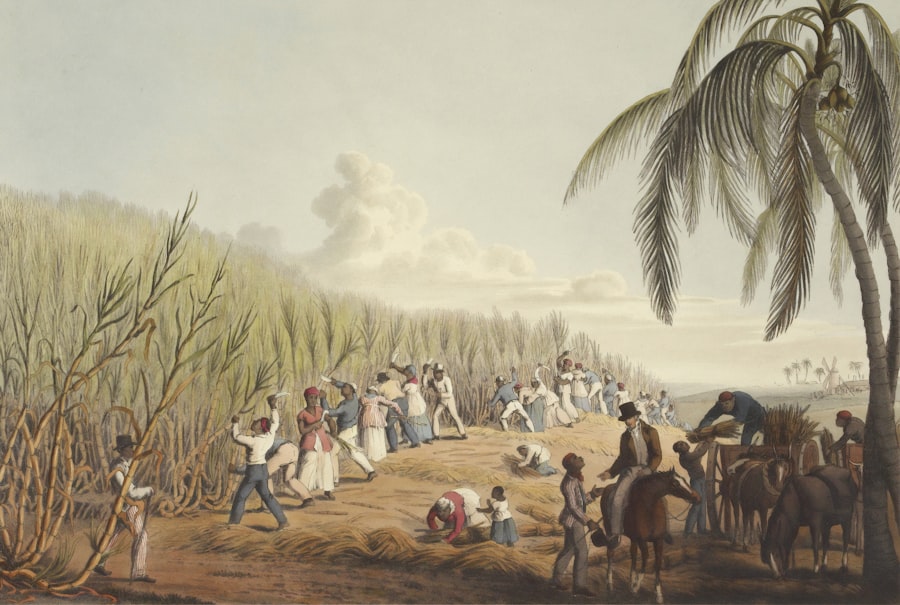
Fanon’s analysis of colonialism is multifaceted, addressing its economic, political, and psychological dimensions. He contends that colonialism operates through a system of exploitation that devalues the humanity of the colonized. This exploitation is not limited to material resources; it extends to cultural and psychological realms, where colonized individuals are stripped of their identities and subjected to a narrative that positions them as inferior.
Fanon argues that this dehumanization is central to maintaining colonial power, as it justifies the subjugation and violence inflicted upon colonized peoples. Moreover, Fanon critiques the notion of assimilation, which he views as a trap for the colonized. He asserts that attempts to adopt the culture and values of the colonizer only serve to reinforce their dominance.
Instead, he advocates for a reclamation of indigenous identity and culture as essential components of resistance. By embracing their own histories and traditions, colonized peoples can forge a path toward liberation that is rooted in their unique experiences rather than in the oppressive frameworks imposed by colonial powers.
The Psychological Impact of Colonialism
The psychological impact of colonialism is a central theme in Fanon’s work, particularly in his exploration of identity formation among colonized individuals.
This internalized oppression leads to a fractured sense of self, where individuals struggle to reconcile their identities within a system that devalues them.
Fanon’s background in psychiatry informs his analysis, as he draws parallels between colonial oppression and mental health issues such as trauma and neurosis. Fanon also discusses the concept of “epidermalization,” where racial identity becomes synonymous with one’s skin color, leading to a rigid categorization that limits personal agency. This phenomenon creates a dichotomy between the colonizer and the colonized, fostering an environment where individuals are judged solely based on their racial identity rather than their humanity.
The psychological scars left by colonialism necessitate not only political liberation but also a profound healing process that addresses these internal conflicts and restores dignity to the oppressed.
Violence and Liberation in The Wretched of the Earth
One of the most provocative aspects of “The Wretched of the Earth” is Fanon’s assertion that violence is an essential component of liberation. He argues that colonialism is inherently violent, characterized by systemic oppression and brutality. In this context, Fanon views violence as a legitimate response to reclaim agency and assert one’s humanity.
He contends that through violent struggle, colonized peoples can dismantle the structures of oppression that have subjugated them for generations. Fanon’s endorsement of violence is not merely an endorsement of chaos; rather, he sees it as a cathartic process that can lead to collective consciousness and solidarity among the oppressed. He emphasizes that this violence must be directed toward achieving liberation rather than perpetuating cycles of hatred or revenge.
In his view, the act of resistance itself can foster a sense of unity among disparate groups within colonized societies, paving the way for a new national identity rooted in shared struggle and aspirations for freedom.
Fanon’s Influence on Decolonization Movements
Africa’s Struggle for Liberation
His writings resonated particularly in Africa during the mid-20th century when numerous nations were grappling with the legacies of colonialism. Leaders such as Amílcar Cabral in Guinea-Bissau and Thomas Sankara in Burkina Faso drew upon Fanon’s theories to articulate their visions for liberation and nation-building.
A Global Influence
The influence of Fanon’s work extends beyond Africa; it has also inspired movements in Latin America, Asia, and even within marginalized communities in Western nations.
Universal Insights into Colonialism
His emphasis on cultural identity and psychological liberation has been particularly relevant for indigenous movements seeking to reclaim their heritage and assert their rights against oppressive systems. The universality of Fanon’s insights into colonialism’s effects has made his work a cornerstone for those engaged in struggles against imperialism and systemic oppression worldwide.
Critiques and Controversies Surrounding The Wretched of the Earth
Despite its significant impact, “The Wretched of the Earth” has not been without its critiques and controversies. Some scholars argue that Fanon’s advocacy for violence may inadvertently legitimize extremist actions within liberation movements, potentially leading to cycles of violence that undermine the very goals they seek to achieve. Critics contend that while violence may be an understandable response to oppression, it can also alienate potential allies and create divisions within movements striving for unity.
Additionally, some feminist scholars have critiqued Fanon’s treatment of gender within his analysis of colonialism. They argue that his focus on race and class often overlooks the specific ways in which women experience oppression under colonial rule. This critique highlights the need for an intersectional approach that considers how various forms of oppression intersect and shape individual experiences within colonized societies.
While Fanon’s work remains foundational in post-colonial studies, these critiques underscore the importance of continually re-evaluating his ideas through diverse lenses.
The Legacy of The Wretched of the Earth
The legacy of “The Wretched of the Earth” endures as a seminal text in both political theory and revolutionary thought. Its exploration of colonialism’s psychological impact continues to inform contemporary discussions about race, identity, and social justice. The book has become essential reading for activists seeking to understand the historical context of their struggles while drawing inspiration from Fanon’s call for radical change.
Moreover, Fanon’s ideas have permeated various fields beyond political science, influencing literature, psychology, sociology, and cultural studies. His emphasis on reclaiming cultural identity resonates with movements advocating for social justice today, as marginalized communities seek to assert their narratives against dominant discourses. As societies grapple with ongoing issues related to race and inequality, Fanon’s insights remain relevant, providing a framework for understanding the complexities of oppression and resistance in an increasingly interconnected world.
If you are interested in exploring more works related to Frantz Fanon’s “The Wretched of the Earth,” you may want to check out this article on hellread.com. This website offers a variety of thought-provoking pieces that delve into topics such as colonialism, post-colonialism, and decolonization. One article in particular, titled “Hello World,” provides a unique perspective on the impact of colonization on societies and individuals. It is definitely worth a read for those looking to further their understanding of Fanon’s seminal work.
FAQs
What is The Wretched of the Earth by Frantz Fanon?
The Wretched of the Earth is a book written by Frantz Fanon, a psychiatrist and revolutionary from Martinique. It was published in 1961 and is considered a seminal work in the field of postcolonial studies.
What is the main theme of The Wretched of the Earth?
The main theme of The Wretched of the Earth is the psychological and social effects of colonization on the colonized people, and the process of decolonization and liberation.
What are some key concepts discussed in The Wretched of the Earth?
Some key concepts discussed in The Wretched of the Earth include the dehumanizing effects of colonization, the role of violence in the process of decolonization, and the psychological impact of oppression on both the colonized and the colonizers.
How has The Wretched of the Earth influenced postcolonial studies?
The Wretched of the Earth has had a significant influence on postcolonial studies, particularly in its exploration of the psychological and social effects of colonization, and its analysis of the dynamics of power and resistance in colonial and postcolonial contexts.
What is the significance of The Wretched of the Earth in the context of decolonization movements?
The Wretched of the Earth has been influential in decolonization movements around the world, as it provides a critical analysis of the process of liberation and the challenges faced by colonized people in asserting their independence and reclaiming their agency.




