
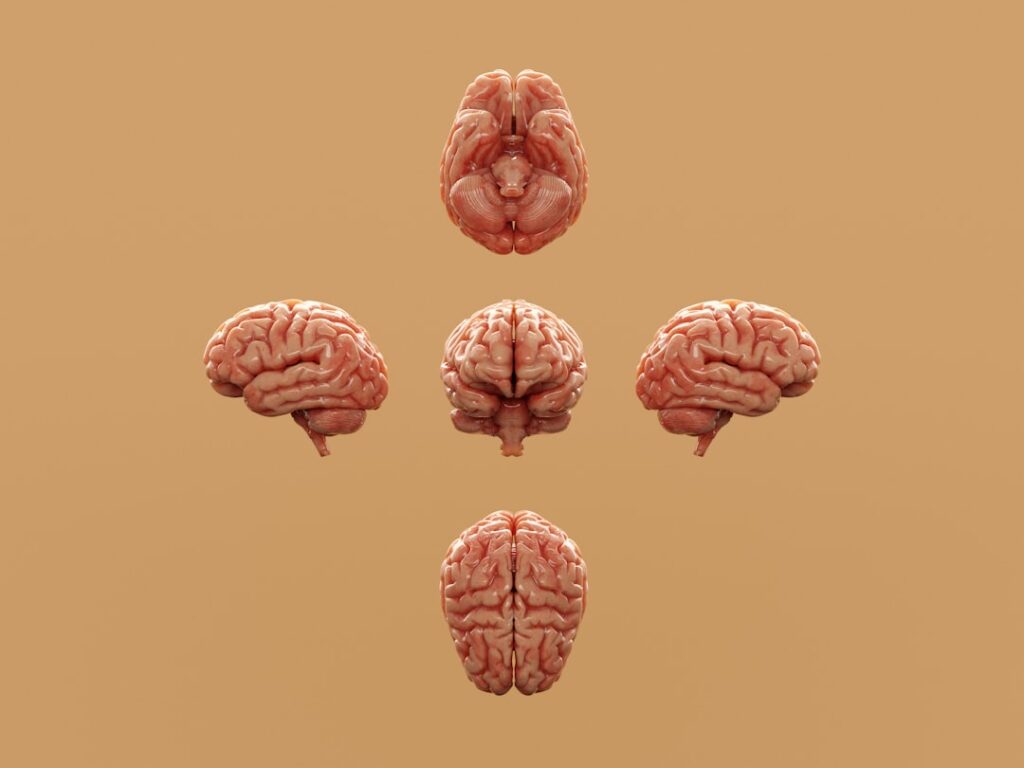
Anxiety is a complex emotional response that is deeply rooted in the brain’s architecture. At its core, anxiety is a survival mechanism, an evolutionary trait that has allowed humans to respond to threats and dangers throughout history. The amygdala, a small almond-shaped structure located deep within the temporal lobe, plays a pivotal role in processing emotions, particularly fear.
When an individual perceives a threat, the amygdala activates the body’s fight-or-flight response, triggering a cascade of physiological changes such as increased heart rate, rapid breathing, and heightened alertness. This response is essential for survival, but in modern society, where threats are often more abstract and less immediate, this system can become overactive, leading to chronic anxiety.
In healthy individuals, the prefrontal cortex helps to assess threats rationally and modulates the emotional responses generated by the amygdala. However, in individuals with anxiety disorders, this regulatory function can be impaired. Research has shown that the connectivity between the prefrontal cortex and the amygdala can be disrupted, leading to exaggerated fear responses and difficulty in managing anxiety.
Neuroimaging studies have revealed that individuals with anxiety often exhibit increased amygdala activation and decreased prefrontal cortex activity when confronted with stressors, highlighting the importance of understanding these brain mechanisms in addressing anxiety.
Key Takeaways
- Anxiety is a natural response to stress and is regulated by the brain’s amygdala and prefrontal cortex.
- Chronic stress can lead to changes in the brain, affecting memory, decision-making, and emotional regulation.
- Negative thought patterns can contribute to anxiety, but cognitive behavioral therapy can help reframe these thoughts.
- Techniques such as deep breathing, meditation, and exercise can help rewire the brain to reduce anxiety.
- Mindfulness practices can help individuals manage anxiety by focusing on the present moment and reducing rumination.
The Impact of Stress on the Brain
The Impact of Cortisol on Brain Health
Prolonged elevated cortisol levels have been linked to hippocampal atrophy, which can impair memory and learning processes. The hippocampus is essential for forming new memories and regulating emotional responses; thus, its dysfunction can contribute to the persistence of anxiety symptoms.
Stress and Neurotransmitter Imbalance
Moreover, stress can alter neurotransmitter systems in the brain. For instance, chronic stress has been shown to decrease levels of serotonin and dopamine, neurotransmitters that are critical for mood regulation and feelings of well-being. This imbalance can lead to increased feelings of anxiety and depression.
The Cumulative Effects of Stress on Anxiety
Additionally, stress can promote neuroinflammation, which has been implicated in various mental health disorders. The cumulative effects of stress on brain function underscore the importance of managing stress effectively to mitigate its impact on anxiety.
The Connection Between Thoughts and Anxiety

Cognitive processes play a crucial role in the experience of anxiety. The way individuals interpret and respond to situations can significantly influence their anxiety levels. Cognitive distortions—irrational or exaggerated thought patterns—are common among those who struggle with anxiety.
For example, an individual may catastrophize a minor setback at work, interpreting it as a sign of impending failure or inadequacy. This type of thinking not only heightens anxiety but also reinforces negative beliefs about oneself and one’s abilities. Cognitive Behavioral Therapy (CBT) is one effective approach that addresses these maladaptive thought patterns.
CBT helps individuals identify and challenge their cognitive distortions, replacing them with more balanced and rational thoughts. By reframing negative thoughts, individuals can reduce their anxiety levels and develop healthier coping mechanisms. For instance, instead of viewing a social situation as a potential disaster, one might learn to see it as an opportunity for connection and growth.
This shift in perspective can significantly alter emotional responses and reduce feelings of anxiety.
Techniques for Rewiring the Anxious Brain
Rewiring the anxious brain involves implementing strategies that promote neuroplasticity—the brain’s ability to reorganize itself by forming new neural connections. One effective technique is exposure therapy, which gradually exposes individuals to feared situations in a controlled manner. This process allows individuals to confront their fears without experiencing overwhelming anxiety.
Over time, repeated exposure can lead to desensitization and a reduction in fear responses. Another technique involves mindfulness practices that encourage individuals to focus on the present moment without judgment. Mindfulness meditation has been shown to increase gray matter density in areas of the brain associated with emotional regulation and self-awareness.
By cultivating mindfulness, individuals can learn to observe their thoughts and feelings without becoming entangled in them, thereby reducing anxiety. Techniques such as deep breathing exercises and progressive muscle relaxation can also help calm the nervous system and promote a sense of safety.
The Role of Mindfulness in Managing Anxiety
Mindfulness has gained recognition as a powerful tool for managing anxiety due to its ability to foster awareness and acceptance of one’s thoughts and feelings. By practicing mindfulness, individuals learn to observe their anxious thoughts without judgment or reactivity. This practice encourages a sense of detachment from negative thought patterns, allowing individuals to recognize that thoughts are not necessarily reflective of reality.
Research has demonstrated that mindfulness-based interventions can lead to significant reductions in anxiety symptoms. For example, Mindfulness-Based Stress Reduction (MBSR) programs have been shown to improve emotional regulation and decrease anxiety levels among participants. These programs typically involve guided meditation practices, body awareness exercises, and group discussions that promote self-reflection and connection with others.
By integrating mindfulness into daily routines, individuals can cultivate a greater sense of calm and resilience in the face of anxiety-provoking situations.
Overcoming Fear and Avoidance

Fear and avoidance behaviors are common responses to anxiety that can perpetuate the cycle of distress. When faced with anxiety-inducing situations, individuals may resort to avoidance as a coping mechanism—steering clear of social gatherings or public speaking engagements, for instance. While avoidance may provide temporary relief from anxiety, it ultimately reinforces fear and limits personal growth.
To overcome fear and avoidance, it is essential to gradually confront feared situations through exposure techniques. This process involves breaking down overwhelming tasks into manageable steps and gradually increasing exposure over time. For example, someone with social anxiety might start by engaging in brief conversations with acquaintances before progressing to larger social gatherings.
This gradual exposure helps desensitize individuals to their fears while building confidence in their ability to cope with anxiety-provoking situations.
Building Resilience and Coping Skills
Resilience is the capacity to adapt positively in the face of adversity, and it plays a crucial role in managing anxiety effectively. Building resilience involves developing coping skills that enable individuals to navigate challenges with greater ease. One key aspect of resilience is fostering a strong support network—connecting with friends, family members, or support groups can provide emotional validation and encouragement during difficult times.
Additionally, cultivating problem-solving skills is essential for enhancing resilience. When faced with challenges or setbacks, individuals who possess strong problem-solving abilities are better equipped to identify solutions rather than becoming overwhelmed by negative emotions. Techniques such as brainstorming potential solutions or breaking problems into smaller steps can empower individuals to take proactive steps toward addressing their concerns.
Applying the Principles of Rewiring to Daily Life
Integrating the principles of rewiring into daily life requires intentional practice and commitment. One effective approach is to establish a daily routine that incorporates mindfulness practices alongside physical activity. Regular exercise has been shown to release endorphins—natural mood lifters—and reduce symptoms of anxiety.
Combining physical activity with mindfulness techniques such as yoga or tai chi can enhance both physical well-being and mental clarity.
By writing down anxious thoughts and challenging them through evidence-based reasoning, individuals can gain insight into their thought patterns and develop healthier perspectives.
Setting aside time each day for reflection allows individuals to track their progress in managing anxiety while reinforcing positive changes in their thinking. Incorporating these strategies into daily life fosters an environment conducive to growth and healing. By understanding the brain’s role in anxiety, recognizing the impact of stress, addressing cognitive distortions, practicing mindfulness, confronting fears, building resilience, and applying these principles consistently, individuals can create lasting change in their relationship with anxiety.
If you’re interested in learning more about managing anxiety and improving your mental health, you may want to check out an article on hellread.com that discusses various techniques for reducing stress and promoting relaxation. This article can complement the strategies outlined in “Rewire Your Anxious Brain” by Catherine M. Pittman and Elizabeth M. Karle, providing additional insights and tips for overcoming anxiety.
FAQs
What is the book “Rewire Your Anxious Brain” about?
The book “Rewire Your Anxious Brain” by Catherine M. Pittman and Elizabeth M. Karle provides practical strategies and exercises to help individuals understand and manage their anxiety. It offers insights into the science behind anxiety and provides tools to rewire the brain’s response to stress and worry.
Who are the authors of “Rewire Your Anxious Brain”?
The authors of “Rewire Your Anxious Brain” are Catherine M. Pittman, PhD, and Elizabeth M. Karle, MLIS. Catherine M. Pittman is a professor of psychology at Saint Mary’s College in Notre Dame, Indiana, and Elizabeth M. Karle is a health sciences librarian.
What are some of the key concepts discussed in “Rewire Your Anxious Brain”?
The book discusses the role of the brain in anxiety, the impact of stress on the body, and practical strategies for managing anxiety. It also explores the concept of neuroplasticity and how individuals can rewire their brains to reduce anxiety.
Who can benefit from reading “Rewire Your Anxious Brain”?
“Rewire Your Anxious Brain” is beneficial for individuals who experience anxiety and want to understand the science behind it and learn practical techniques to manage it. It is also helpful for mental health professionals and educators who work with individuals experiencing anxiety.
What are some of the techniques and exercises recommended in “Rewire Your Anxious Brain”?
The book offers techniques such as mindfulness, cognitive restructuring, and relaxation exercises to help individuals manage their anxiety. It also provides guidance on creating a personalized anxiety management plan and incorporating healthy lifestyle habits.




