
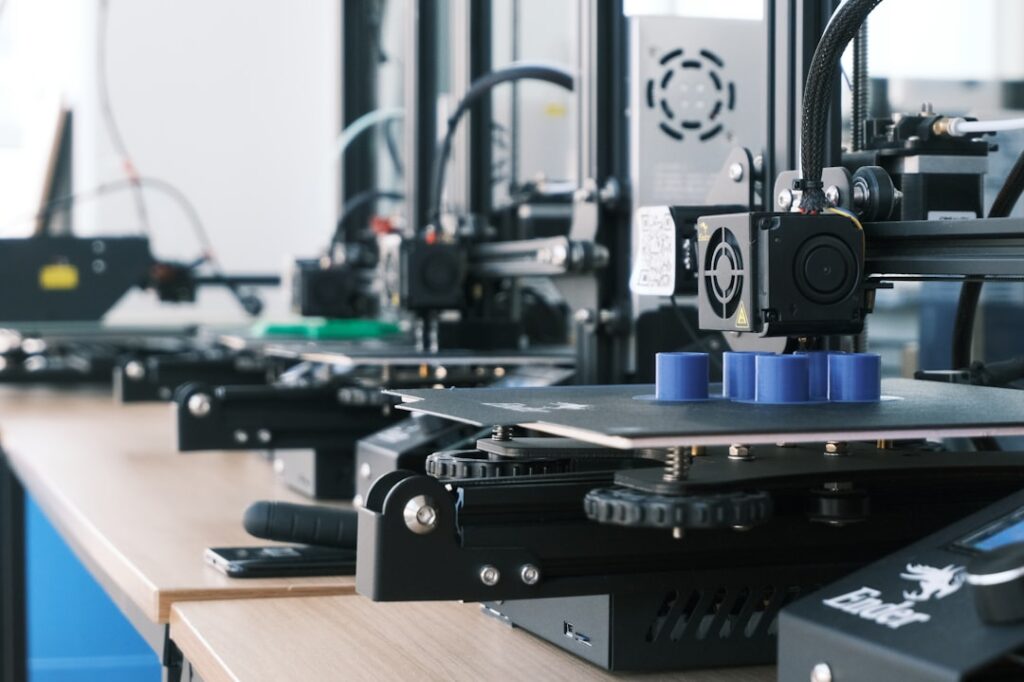
The Fourth Industrial Revolution, often referred to as Industry 4.0, represents a paradigm shift in the way industries operate, driven by the convergence of digital technologies, artificial intelligence, and the Internet of Things (IoT). Unlike its predecessors, which were characterized by mechanization, mass production, and automation, the Fourth Industrial Revolution is distinguished by the integration of cyber-physical systems that enable unprecedented levels of connectivity and data exchange. This revolution is not merely about technological advancements; it encompasses a broader transformation that affects economies, societies, and individual lives on a global scale.
At its core, the Fourth Industrial Revolution is characterized by the fusion of advanced technologies that blur the lines between physical, digital, and biological spheres. This includes innovations such as machine learning, robotics, blockchain, and biotechnology. The implications of these technologies are profound, as they not only enhance productivity and efficiency but also challenge existing business models and societal norms.
As we navigate this new era, it becomes essential to understand how these changes will shape our future and what they mean for various sectors of society.
Key Takeaways
- The Fourth Industrial Revolution refers to the ongoing automation and digitization of traditional industries, driven by technologies such as artificial intelligence, robotics, and the Internet of Things.
- The Fourth Industrial Revolution is impacting society by changing the way we work, communicate, and interact with technology, leading to both opportunities and challenges.
- Technology plays a central role in the Fourth Industrial Revolution, enabling the automation of tasks, the collection and analysis of data, and the development of new products and services.
- The Fourth Industrial Revolution is changing the workforce by creating new job roles, requiring new skills, and increasing the demand for digital literacy and adaptability.
- The ethical implications of the Fourth Industrial Revolution include concerns about privacy, job displacement, and the impact of automation on human decision-making, requiring careful consideration and regulation.
The impact of the Fourth Industrial Revolution on society
The societal impact of the Fourth Industrial Revolution is multifaceted, influencing everything from economic structures to social interactions. One of the most significant changes is the shift towards a more interconnected world where information flows seamlessly across borders. This connectivity fosters collaboration and innovation but also raises concerns about privacy and data security.
As individuals become more reliant on digital platforms for communication and commerce, the potential for data breaches and misuse of personal information increases, prompting a reevaluation of how we protect our digital identities. Moreover, the Fourth Industrial Revolution has the potential to exacerbate existing inequalities within society. While some individuals and organizations may thrive in this new landscape, others may find themselves left behind due to a lack of access to technology or the skills necessary to adapt.
For instance, rural communities may struggle to keep pace with urban centers that benefit from advanced technological infrastructure. This disparity can lead to a widening gap between those who can leverage new technologies for economic gain and those who cannot, raising important questions about equity and inclusion in an increasingly digital world.
The role of technology in the Fourth Industrial Revolution

Technology serves as the backbone of the Fourth Industrial Revolution, driving innovation and transforming traditional industries. One of the most prominent technologies at play is artificial intelligence (AI), which enables machines to learn from data and make decisions with minimal human intervention. AI applications range from predictive analytics in supply chain management to personalized customer experiences in retail.
For example, companies like Amazon utilize AI algorithms to analyze consumer behavior and recommend products tailored to individual preferences, thereby enhancing customer satisfaction and driving sales. In addition to AI, the Internet of Things (IoT) plays a crucial role in this revolution by connecting devices and enabling them to communicate with one another. Smart home devices, such as thermostats and security systems, exemplify how IoT technology can improve efficiency and convenience in everyday life.
In industrial settings, IoT sensors can monitor equipment performance in real-time, allowing for predictive maintenance that minimizes downtime and reduces operational costs. The integration of these technologies not only streamlines processes but also generates vast amounts of data that can be harnessed for further innovation.
How the Fourth Industrial Revolution is changing the workforce
The workforce is undergoing a significant transformation as a result of the Fourth Industrial Revolution. Automation and AI are reshaping job roles across various sectors, leading to both displacement and the creation of new opportunities. Routine tasks that were once performed by humans are increasingly being handled by machines, prompting concerns about job security for many workers.
For instance, in manufacturing, robots are now capable of performing assembly line tasks with greater precision and speed than their human counterparts. This shift necessitates a reevaluation of workforce skills and training programs to ensure that employees are equipped for the jobs of the future. However, while some jobs may be lost due to automation, new roles are emerging that require advanced technical skills and adaptability.
The demand for data analysts, AI specialists, and cybersecurity experts is on the rise as organizations seek to leverage technology for competitive advantage. This evolution in job roles underscores the importance of lifelong learning and continuous professional development. Workers must be proactive in acquiring new skills to remain relevant in an ever-changing job market.
Educational institutions and employers alike have a critical role to play in facilitating this transition by providing training programs that align with industry needs.
The ethical implications of the Fourth Industrial Revolution
As we embrace the advancements brought about by the Fourth Industrial Revolution, ethical considerations come to the forefront. The rapid pace of technological change raises questions about accountability, transparency, and fairness in decision-making processes driven by algorithms. For instance, AI systems used in hiring practices may inadvertently perpetuate biases if they are trained on historical data that reflects societal inequalities.
This highlights the need for ethical frameworks that guide the development and deployment of AI technologies to ensure they promote fairness rather than discrimination. Additionally, issues surrounding data privacy and surveillance have become increasingly prominent in this digital age. With vast amounts of personal information being collected by companies and governments alike, individuals face potential risks related to their privacy rights.
The ethical implications extend beyond individual privacy; they encompass broader societal concerns about how data is used to influence behavior and decision-making. As we navigate these challenges, it is essential for stakeholders—including technologists, policymakers, and ethicists—to engage in meaningful dialogue about the ethical dimensions of emerging technologies.
The challenges and opportunities of the Fourth Industrial Revolution
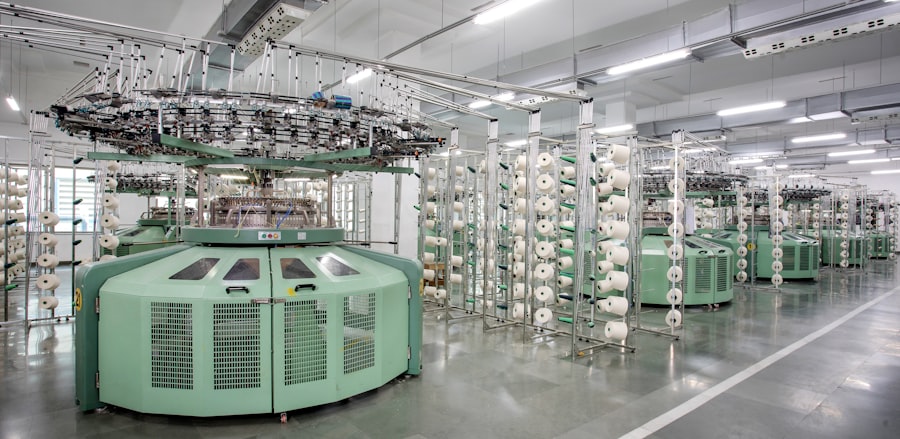
Cybersecurity Threats and Opportunities
One significant challenge is the need for robust cybersecurity measures to protect against increasing threats posed by cyberattacks. As organizations become more interconnected through digital platforms, they also become more vulnerable to breaches that can compromise sensitive information and disrupt operations. Developing comprehensive cybersecurity strategies is essential for safeguarding assets and maintaining trust among consumers.
Innovation and Economic Growth
On the other hand, this revolution offers unprecedented opportunities for innovation and economic growth. Businesses that embrace digital transformation can enhance their operational efficiency and create new revenue streams through innovative products and services.
Emerging Opportunities and Startups
For example, companies leveraging big data analytics can gain insights into consumer behavior that inform product development and marketing strategies. Furthermore, startups are emerging at an accelerated pace as entrepreneurs harness new technologies to address pressing societal challenges—ranging from healthcare solutions powered by telemedicine to sustainable energy initiatives utilizing smart grids.
The importance of collaboration in the Fourth Industrial Revolution
Collaboration emerges as a critical factor in navigating the complexities of the Fourth Industrial Revolution. As industries become increasingly interconnected, cross-sector partnerships can drive innovation and accelerate progress toward shared goals. For instance, collaborations between technology companies and academic institutions can foster research initiatives that push the boundaries of knowledge in fields such as artificial intelligence or biotechnology.
These partnerships not only enhance technological advancements but also contribute to workforce development by providing students with hands-on experience in cutting-edge research. Moreover, collaboration extends beyond traditional boundaries; it encompasses global cooperation among nations facing common challenges such as climate change or public health crises. The COVID-19 pandemic highlighted the importance of international collaboration in addressing global issues through shared knowledge and resources.
In this context, organizations must adopt collaborative mindsets that prioritize open communication and knowledge sharing across disciplines and borders to effectively tackle complex problems.
How individuals and organizations can prepare for the Fourth Industrial Revolution
Preparation for the Fourth Industrial Revolution requires proactive measures from both individuals and organizations. For individuals, embracing a mindset of lifelong learning is paramount. This involves seeking out opportunities for skill development through online courses, workshops, or professional certifications that align with emerging industry trends.
Networking with professionals in relevant fields can also provide valuable insights into career pathways and skill requirements. Organizations must take a strategic approach to prepare for this revolution by investing in technology infrastructure and fostering a culture of innovation. This includes adopting agile methodologies that allow for rapid experimentation and adaptation in response to changing market conditions.
Additionally, organizations should prioritize employee training programs that equip their workforce with the skills needed to thrive in a technology-driven environment.
In conclusion, navigating the complexities of the Fourth Industrial Revolution requires a multifaceted approach that considers technological advancements alongside ethical implications, workforce transformations, and collaborative efforts across sectors.
By understanding these dynamics and preparing accordingly, individuals and organizations can harness the potential of this revolution while addressing its challenges head-on.
In a recent article on hellread.com, the author discusses the impact of artificial intelligence on the workforce in the context of Klaus Schwab’s book “The Fourth Industrial Revolution.” Schwab’s book delves into the transformative power of technology in reshaping industries and economies, a topic that is further explored in the article.
This article provides valuable insights into the challenges and opportunities presented by the fourth industrial revolution.
FAQs
What is the Fourth Industrial Revolution?
The Fourth Industrial Revolution refers to the ongoing transformation of traditional industries through the integration of digital technologies, artificial intelligence, and the Internet of Things.
What are the key technologies driving the Fourth Industrial Revolution?
Key technologies driving the Fourth Industrial Revolution include artificial intelligence, robotics, the Internet of Things, 3D printing, and advanced materials.
How will the Fourth Industrial Revolution impact the workforce?
The Fourth Industrial Revolution is expected to significantly impact the workforce by automating routine tasks, creating new job opportunities in emerging industries, and requiring workers to develop new skills to adapt to the changing technological landscape.
What are the potential benefits of the Fourth Industrial Revolution?
The Fourth Industrial Revolution has the potential to increase efficiency, productivity, and innovation across industries, leading to economic growth and improved quality of life for many people.
What are the potential challenges of the Fourth Industrial Revolution?
Challenges of the Fourth Industrial Revolution include job displacement due to automation, concerns about data privacy and security, and the potential for widening inequality between those who have access to advanced technologies and those who do not.




