

Design is not merely a visual endeavor; it is an intricate interplay of aesthetics, functionality, and emotional resonance. The emotional impact of design can significantly influence how users perceive and interact with a product or service. When individuals engage with a design, they often experience a spectrum of emotions that can range from joy and excitement to frustration and disappointment.
For instance, consider the design of a smartphone. Beyond its technical specifications, the way it feels in the hand, the sound it makes when notifications arrive, and even the colors used in its interface can evoke feelings of attachment or aversion.
A well-designed product can create a sense of belonging or identity for the user, while a poorly designed one can lead to feelings of alienation or dissatisfaction. Understanding this emotional impact is crucial for designers who aim to create products that resonate deeply with their audience, fostering not just usability but also a lasting emotional connection.
Key Takeaways
- Understanding the emotional impact of design is crucial for creating meaningful and impactful user experiences.
- Empathy plays a key role in designing for emotion, as it allows designers to understand and connect with the users on a deeper level.
- Creating a memorable user experience through emotional design involves evoking positive emotions and building a strong emotional connection with the users.
- Incorporating emotional design in user interface and user experience can enhance usability and create a more engaging and enjoyable interaction for the users.
- Leveraging emotional design can help build brand loyalty by creating a strong emotional bond between the brand and its customers.
The Role of Empathy in Designing for Emotion
Empathy serves as the cornerstone of effective emotional design. It involves stepping into the shoes of the user, understanding their needs, desires, and pain points. By cultivating empathy, designers can create experiences that are not only functional but also emotionally fulfilling.
This process begins with thorough user research, which may include interviews, surveys, and observational studies to gather insights into users’ emotional states and motivations. For example, when designing a healthcare app, understanding the anxiety patients may feel about managing their health can lead to features that provide reassurance and support. This could manifest in user-friendly interfaces that simplify complex information or in notifications that offer encouragement rather than pressure.
By prioritizing empathy in the design process, creators can ensure that their products resonate on an emotional level, ultimately leading to more meaningful interactions and enhanced user satisfaction.
Creating a Memorable User Experience through Emotional Design
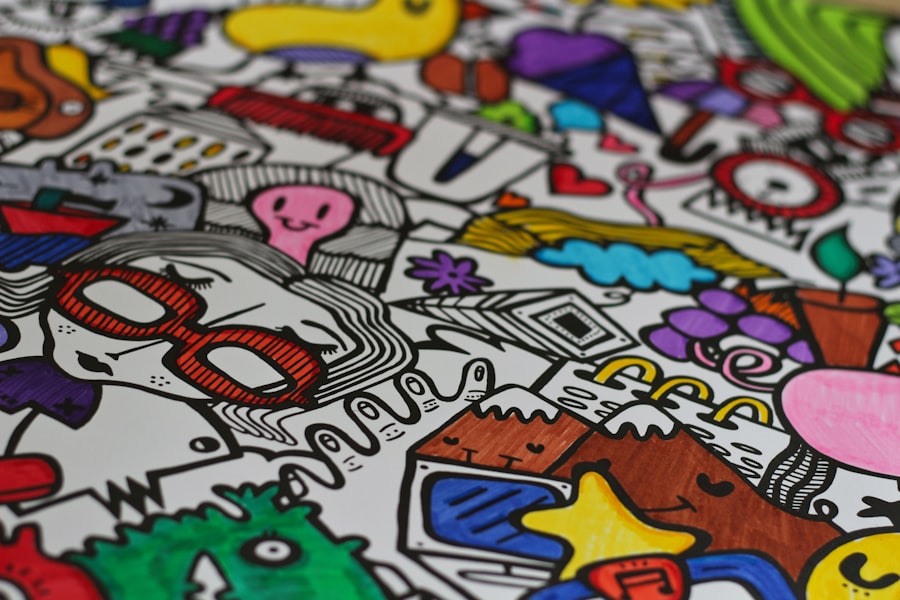
A memorable user experience is often characterized by its ability to evoke strong emotions. Emotional design goes beyond mere functionality; it aims to create moments that users will remember long after their interaction with the product has ended. This can be achieved through storytelling, visual aesthetics, and interactive elements that engage users on a deeper level.
Take, for instance, the design of a travel booking website. By incorporating vibrant imagery of destinations, personal stories from travelers, and interactive maps that allow users to explore potential trips, the site can evoke feelings of wanderlust and excitement. These emotional triggers not only enhance the user experience but also encourage users to return to the site for future travel planning.
By crafting experiences that resonate emotionally, designers can create lasting impressions that foster loyalty and engagement.
Incorporating Emotional Design in User Interface and User Experience
Incorporating emotional design into user interface (UI) and user experience (UX) requires a thoughtful approach that considers both visual elements and user interactions. UI design focuses on how users interact with a product’s interface, while UX encompasses the overall experience from start to finish.
For example, consider an e-commerce platform. The use of warm colors and inviting typography can create a welcoming atmosphere, while smooth transitions and animations can enhance the feeling of fluidity during navigation. Additionally, incorporating elements such as personalized recommendations based on past purchases can make users feel valued and understood.
By aligning UI and UX with emotional design principles, designers can create cohesive experiences that resonate with users on multiple levels.
Leveraging Emotional Design to Build Brand Loyalty
Emotional design plays a pivotal role in building brand loyalty by fostering connections between consumers and brands. When users feel an emotional attachment to a brand, they are more likely to become repeat customers and advocates for that brand. This connection can be cultivated through consistent messaging, relatable storytelling, and experiences that align with users’ values and aspirations.
Consider brands like Apple or Nike, which have successfully leveraged emotional design to create loyal customer bases. Apple’s marketing often emphasizes creativity and innovation, appealing to users’ desires for self-expression and individuality. Similarly, Nike’s campaigns frequently focus on empowerment and perseverance, resonating deeply with athletes and fitness enthusiasts.
By tapping into these emotional narratives, brands can cultivate loyalty that transcends mere transactional relationships.
The Psychological Principles Behind Designing for Emotion
The psychological principles underlying emotional design are rooted in human behavior and cognition. Understanding these principles can help designers create experiences that resonate more profoundly with users. One such principle is the concept of affective forecasting, which refers to individuals’ ability to predict their future emotional states based on current experiences.
Designers can leverage this by creating positive experiences that users will anticipate enjoying in the future. Another important principle is the idea of cognitive load, which refers to the mental effort required to process information. A well-designed interface minimizes cognitive load by presenting information clearly and intuitively, allowing users to focus on their emotional responses rather than becoming overwhelmed by complexity.
By applying these psychological principles thoughtfully, designers can craft experiences that not only meet functional needs but also elicit positive emotional reactions.
Case Studies of Successful Emotional Design in Products and Services
Examining case studies of successful emotional design provides valuable insights into how these principles are applied in real-world scenarios. One notable example is Airbnb, which has transformed the travel industry by focusing on creating emotional connections between hosts and guests. Through its platform, Airbnb emphasizes personal stories and unique experiences rather than just transactions.
The use of high-quality images and heartfelt testimonials fosters a sense of community and belonging among users. Another compelling case is Coca-Cola’s “Share a Coke” campaign, which personalized bottles with popular names. This simple yet effective strategy tapped into consumers’ emotions by encouraging them to seek out bottles with their names or those of loved ones.
The campaign not only increased sales but also created a sense of connection among consumers who shared their experiences on social media. These case studies illustrate how emotional design can drive engagement and foster meaningful connections between users and brands.
Practical Tips for Implementing Emotional Design in Your Projects
Implementing emotional design in projects requires a strategic approach that prioritizes user emotions throughout the design process. One practical tip is to conduct empathy mapping sessions during the early stages of development. This involves gathering insights about users’ feelings, thoughts, and motivations related to the product or service being designed.
By visualizing these aspects, teams can better understand how to evoke specific emotions through their designs. Another effective strategy is to incorporate storytelling elements into the design process. Whether through visuals, copywriting, or interactive features, storytelling can create an emotional narrative that resonates with users.
For instance, using customer testimonials or case studies within a product’s interface can help users relate to others’ experiences and foster a sense of connection. Additionally, iterative testing is crucial for refining emotional design elements. Gathering feedback from real users allows designers to understand how their choices impact emotions and make necessary adjustments accordingly.
By continuously iterating based on user feedback, designers can enhance emotional resonance and create more impactful experiences. In conclusion, understanding the emotional impact of design is essential for creating products that resonate deeply with users. By prioritizing empathy, leveraging psychological principles, and implementing practical strategies, designers can craft memorable experiences that foster brand loyalty and drive engagement.
Through thoughtful application of emotional design principles, creators have the power to transform ordinary interactions into extraordinary connections.
If you’re interested in exploring more about the intersection of design and emotion, you may want to check out the article “The Impact of Color in Design” on hellread.com. This article delves into how different colors can evoke specific emotions and how designers can leverage this knowledge to create more impactful and engaging designs. It’s a fascinating read that complements the insights shared in Aarron Walter’s book “Designing for Emotion.”
FAQs
What is “Designing for Emotion” about?
“Designing for Emotion” is an article by Aarron Walter that discusses the importance of designing digital products and experiences with the user’s emotions in mind. It emphasizes the impact of emotional design on user engagement and satisfaction.
Why is designing for emotion important?
Designing for emotion is important because it helps create a more meaningful and memorable user experience. By considering the emotional impact of design choices, designers can create products that resonate with users on a deeper level, leading to increased user satisfaction and loyalty.
What are some key principles of designing for emotion?
Some key principles of designing for emotion include understanding the target audience’s emotional needs, using visual and interactive elements to evoke specific emotions, and creating a cohesive and consistent emotional experience throughout the user journey.
How can designers incorporate emotion into their designs?
Designers can incorporate emotion into their designs by using color, typography, imagery, and interactive elements to evoke specific emotions. They can also consider the tone of the content and the overall user experience to create a more emotionally engaging design.
What are the benefits of designing for emotion?
The benefits of designing for emotion include increased user engagement, improved user satisfaction, stronger brand loyalty, and a more memorable and impactful user experience. Emotionally engaging designs can also lead to higher conversion rates and better overall business outcomes.




