

The concept of “The Green Pharmacy” refers to the utilization of plants and herbs for medicinal purposes, a practice that has been integral to human health for millennia. This term encapsulates the rich tradition of herbal medicine, which has been a cornerstone of various cultures around the globe. From the ancient Egyptians who used herbs for healing to the indigenous tribes of the Americas who relied on local flora for their medicinal properties, the use of plants as a source of medicine is deeply rooted in human history.
The Green Pharmacy is not merely a collection of remedies; it represents a holistic approach to health that emphasizes the interconnectedness of nature and well-being. In recent years, there has been a resurgence of interest in herbal medicine, driven by a growing awareness of the limitations and side effects associated with synthetic pharmaceuticals. As people seek more natural alternatives to manage their health, The Green Pharmacy offers a treasure trove of options.
This renewed focus on herbal remedies is not just a trend; it reflects a broader shift towards integrative health practices that honor traditional knowledge while embracing modern scientific research. The Green Pharmacy invites individuals to explore the vast array of plants that nature provides, each with its unique properties and potential benefits.
Key Takeaways
- The Green Pharmacy is a comprehensive guide to herbal medicine and its benefits for everyday health and wellness.
- Herbal medicine offers a wide range of benefits, including natural healing, fewer side effects, and affordability.
- James A. Duke’s research has contributed significantly to the understanding of herbal medicine and its potential uses.
- The Green Pharmacy can be incorporated into everyday life through teas, tinctures, and topical applications for various health concerns.
- Common herbal remedies like ginger, chamomile, and echinacea have been used for centuries to treat ailments such as nausea, anxiety, and immune support.
The Benefits of Herbal Medicine
Herbal medicine boasts numerous advantages that make it an appealing choice for many individuals seeking alternative or complementary therapies. One of the most significant benefits is the holistic nature of herbal treatments. Unlike conventional pharmaceuticals, which often target specific symptoms or conditions, herbal remedies tend to address the body as a whole.
This holistic approach can lead to improved overall health and well-being, as many herbs contain a complex array of compounds that work synergistically to promote healing. Moreover, herbal medicine often comes with fewer side effects compared to synthetic drugs. Many people experience adverse reactions to conventional medications, ranging from mild discomfort to severe complications.
In contrast, when used appropriately, herbal remedies can provide relief with minimal risk. For instance, chamomile is widely recognized for its calming effects and is often used to alleviate anxiety and promote sleep without the grogginess associated with some prescription sleep aids. This gentler approach can be particularly beneficial for individuals seeking to manage chronic conditions or those who are sensitive to pharmaceuticals.
A Look at James Duke’s Research
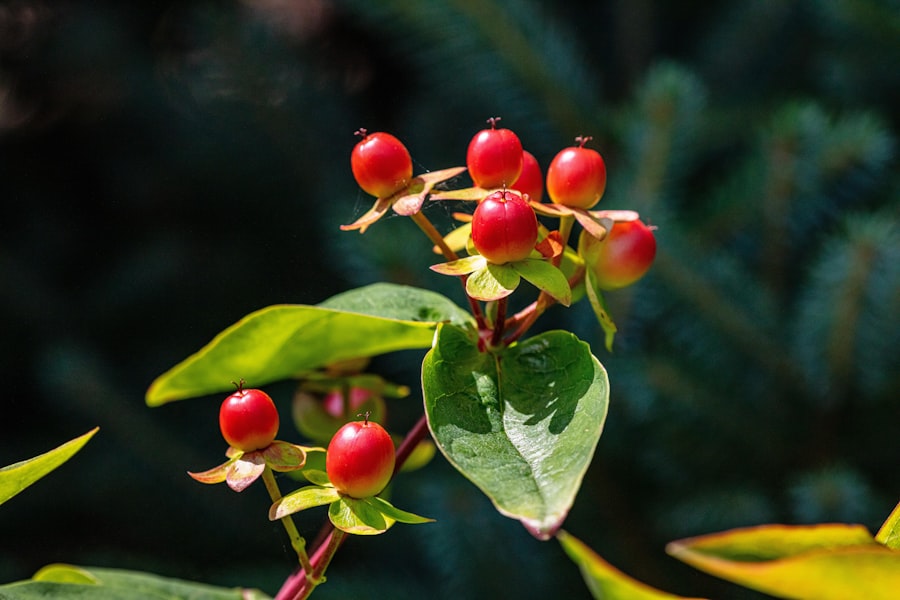
James Duke, a prominent ethnobotanist and former botanist for the United States Department of Agriculture, has made significant contributions to the field of herbal medicine through his extensive research and publications. His work has focused on documenting the medicinal properties of various plants and promoting their use in modern healthcare. One of his most notable contributions is “The Green Pharmacy,” a comprehensive guide that catalogs over 1,000 plants and their therapeutic uses.
Duke’s research emphasizes the importance of scientific validation in herbal medicine. He advocates for rigorous studies to confirm the efficacy and safety of herbal treatments, bridging the gap between traditional knowledge and modern science.
For example, his investigations into the anti-inflammatory properties of turmeric have garnered attention in both academic circles and popular media, highlighting how traditional practices can be supported by contemporary research. By documenting these findings, Duke has helped elevate the status of herbal medicine within the broader medical community, encouraging healthcare professionals to consider plant-based therapies as viable options for patient care.
How to Use The Green Pharmacy in Everyday Life
Incorporating The Green Pharmacy into daily life can be both simple and rewarding. One effective way to start is by integrating herbal teas into your routine. Herbal teas made from ingredients like peppermint, ginger, or hibiscus not only offer delightful flavors but also provide various health benefits.
For instance, ginger tea is renowned for its ability to soothe digestive issues and reduce nausea, making it an excellent choice for those experiencing motion sickness or morning sickness during pregnancy. Another practical approach is to create a small herb garden at home. Growing your own herbs such as basil, rosemary, or thyme allows you to have fresh ingredients on hand for culinary use while also tapping into their medicinal properties.
For example, basil is not only a flavorful addition to dishes but also possesses anti-inflammatory and antibacterial qualities. By cultivating these plants, individuals can foster a deeper connection with nature and gain a greater appreciation for the healing potential that lies within their own backyards.
Common Herbal Remedies and Their Uses
The world of herbal medicine is vast, with countless remedies available for various ailments. Some common herbs have gained popularity due to their well-documented benefits. For instance, echinacea is frequently used to boost the immune system and may help reduce the duration and severity of colds and flu.
Another widely recognized remedy is valerian root, often employed as a natural sleep aid. Valerian has been used for centuries to promote relaxation and improve sleep quality without the side effects associated with many over-the-counter sleep medications.
Its calming properties make it an attractive option for those struggling with insomnia or anxiety-related sleep disturbances. Additionally, St. John’s Wort has garnered attention for its potential antidepressant effects, making it a popular choice among individuals seeking natural alternatives for mood enhancement.
Safety and Precautions When Using Herbal Medicine

While herbal medicine offers numerous benefits, it is essential to approach it with caution and awareness. One critical aspect of safety is understanding potential interactions between herbs and conventional medications. Certain herbs can enhance or inhibit the effects of prescription drugs, leading to unintended consequences.
For example, St. John’s Wort is known to interact with various medications, including antidepressants and birth control pills, potentially reducing their effectiveness. Furthermore, not all herbs are suitable for everyone; individual responses can vary significantly based on factors such as age, health status, and existing medical conditions.
Pregnant or breastfeeding women should exercise particular caution when considering herbal remedies, as some herbs may pose risks during these sensitive periods. Consulting with a healthcare professional knowledgeable about herbal medicine can help individuals navigate these complexities and ensure safe usage.
The Environmental Impact of Herbal Medicine
The practice of herbal medicine also raises important environmental considerations. Sustainable harvesting practices are crucial to ensure that wild plant populations are not depleted due to over-extraction. Many medicinal plants are threatened by habitat loss and unsustainable harvesting methods, which can lead to ecological imbalances and loss of biodiversity.
For instance, the demand for certain herbs like ginseng has led to significant declines in wild populations, prompting conservation efforts to protect these valuable resources. On the other hand, cultivating herbs in home gardens or supporting local organic farms can contribute positively to environmental sustainability. By choosing locally sourced herbs, consumers can reduce their carbon footprint associated with transportation while also supporting sustainable agricultural practices.
Additionally, growing herbs organically minimizes the use of harmful pesticides and fertilizers that can negatively impact soil health and local ecosystems.
The Future of Herbal Medicine: Challenges and Opportunities
As interest in herbal medicine continues to grow, several challenges and opportunities lie ahead for this field. One significant challenge is the need for more rigorous scientific research to validate the efficacy and safety of various herbal remedies. While anecdotal evidence abounds, robust clinical trials are necessary to establish standardized dosages and treatment protocols that healthcare providers can confidently recommend.
Conversely, there is an opportunity for collaboration between traditional herbalists and modern scientists to create a more comprehensive understanding of plant-based therapies. Integrative approaches that combine traditional knowledge with contemporary research methodologies could lead to innovative treatments that harness the best of both worlds. Furthermore, as consumers become more educated about their health choices, there is potential for increased demand for high-quality herbal products that adhere to ethical sourcing practices.
In conclusion, The Green Pharmacy represents a rich tapestry of knowledge that connects humanity with nature’s healing potential. As we navigate the complexities of modern healthcare, embracing herbal medicine offers not only an avenue for personal wellness but also an opportunity to foster environmental stewardship and cultural preservation in our quest for health solutions.
If you’re interested in exploring more about natural remedies and herbal medicine, you may want to check out this article on hellread.com. The article delves into the benefits of using plant-based treatments for various health issues, similar to the principles discussed in James A. Duke’s book, The Green Pharmacy. It provides valuable insights and information on how to incorporate natural remedies into your daily routine for overall well-being.
FAQs
What is The Green Pharmacy by James A. Duke about?
The Green Pharmacy is a book written by James A. Duke that explores the potential benefits of using natural remedies and plant-based medicines for various health conditions.
Who is James A. Duke?
James A. Duke was a botanist, ethnobotanist, and author known for his extensive work in the field of medicinal plants and natural remedies. He worked for the United States Department of Agriculture for many years and authored numerous books on the topic.
What are some of the topics covered in The Green Pharmacy?
The book covers a wide range of topics related to natural remedies, including the medicinal properties of various plants, herbs, and spices, as well as their potential uses for treating common health issues.
Is The Green Pharmacy based on scientific research?
Yes, The Green Pharmacy is based on scientific research and draws on James A. Duke’s extensive knowledge and experience in the field of medicinal plants and natural remedies.
Is The Green Pharmacy suitable for self-treatment?
While The Green Pharmacy provides valuable information about natural remedies, it is important to consult with a healthcare professional before using any new treatment, especially for serious health conditions.




