

“The Great Illusion,” written by Norman Angell and published in 1910, emerged during a period of intense geopolitical tension in Europe. The early 20th century was marked by the rise of nationalism, imperial ambitions, and a complex web of alliances that set the stage for World War
Angell’s central thesis posited that the interconnectedness of modern economies rendered war not only futile but also self-destructive. He argued that the costs of war would outweigh any potential benefits, as nations were increasingly reliant on trade and cooperation for their prosperity. This perspective was revolutionary at the time, as it contradicted the dominant narrative that glorified military power and viewed war as an acceptable means of resolving disputes.
Angell’s insights were informed by his observations of the burgeoning global economy and the rise of international trade, which he believed would ultimately lead to a more peaceful world.
Key Takeaways
- The Great Illusion was written by Norman Angell in 1909, and it argued that war had become economically futile in the modern world due to the interconnectedness of global economies.
- The key arguments of The Great Illusion revolve around the idea that war is no longer a profitable endeavor for nations, and that the costs of war far outweigh any potential benefits.
- The impact of The Great Illusion on international relations was significant, as it influenced policymakers and public opinion, leading to a widespread belief in the futility of war.
- Criticisms and controversies surrounding The Great Illusion include accusations of oversimplification and idealism, as well as the failure to prevent the outbreak of World War I, which occurred shortly after the book’s publication.
- The legacy of The Great Illusion in modern politics can be seen in the continued emphasis on economic interdependence and the avoidance of large-scale conflicts among major powers.
- The relevance of The Great Illusion in today’s global context remains strong, as it continues to inform discussions on the costs and benefits of war in an interconnected world.
- The influence of The Great Illusion on other works in international relations is evident in the continued exploration of economic factors in shaping global politics and security dynamics.
- The enduring significance of The Great Illusion in understanding war and peace lies in its contribution to the idea that economic factors play a crucial role in shaping the behavior of nations in the international system.
The Key Arguments of The Great Illusion
At the heart of “The Great Illusion” lies Angell’s assertion that war is economically irrational. He meticulously detailed how modern warfare would devastate economies, disrupt trade routes, and lead to widespread suffering. Angell argued that nations could no longer afford to engage in conflict without incurring severe repercussions.
He illustrated this point with examples from history, demonstrating how previous wars had resulted in economic ruin for the victors as well as the vanquished. By emphasizing the economic interdependence of nations, Angell sought to dismantle the romanticized view of war as a noble endeavor. Another key argument presented in Angell’s work is the idea that military power does not equate to national security.
He contended that nations could achieve greater security through diplomacy and cooperation rather than through military might. Angell pointed out that the arms race among European powers was not only costly but also counterproductive, as it heightened tensions and increased the likelihood of conflict. He advocated for disarmament and international cooperation as viable alternatives to militarization, arguing that a collective approach to security would foster peace and stability.
The Impact of The Great Illusion on International Relations

“The Great Illusion” had a profound impact on the field of international relations, particularly in shaping the discourse around war and peace in the early 20th century. Angell’s ideas resonated with a growing number of intellectuals and policymakers who were disillusioned with the prevailing militaristic attitudes of their time. His work contributed to the emergence of pacifist movements and organizations advocating for disarmament and peaceful conflict resolution.
The book’s influence extended beyond academia, inspiring political leaders to reconsider their approaches to foreign policy. In the aftermath of World War I, Angell’s arguments gained renewed relevance as nations grappled with the consequences of the conflict. The Treaty of Versailles and subsequent peace negotiations highlighted the need for a new framework for international relations that prioritized diplomacy over military confrontation.
Angell’s vision of a cooperative global order found expression in initiatives such as the League of Nations, which aimed to prevent future conflicts through dialogue and collective security arrangements. Although the League ultimately failed to prevent World War II, it laid the groundwork for future international institutions that would embody Angell’s principles.
Criticisms and Controversies Surrounding The Great Illusion
Despite its significant contributions to international thought, “The Great Illusion” has not been without its critics.
This critique raises important questions about the limitations of Angell’s framework in explaining the multifaceted nature of international relations. Moreover, Angell’s optimistic view of human nature has been challenged by realists who argue that states are inherently self-interested and driven by power dynamics. They contend that Angell’s reliance on rationality fails to consider the irrational elements that often influence decision-making in times of crisis.
This debate between idealism and realism continues to shape discussions in international relations, with Angell’s work serving as a focal point for contrasting perspectives on the causes of war and peace.
The Legacy of The Great Illusion in Modern Politics
The legacy of “The Great Illusion” extends into contemporary political discourse, where its themes resonate with ongoing debates about militarism, globalization, and international cooperation. In an era marked by rising tensions between major powers, Angell’s arguments about economic interdependence remain relevant as policymakers grapple with the implications of trade wars and sanctions. The interconnectedness of global markets underscores Angell’s assertion that conflict can have far-reaching consequences beyond national borders.
Furthermore, Angell’s advocacy for diplomacy over military action continues to inspire movements for peace and disarmament worldwide. Organizations such as Amnesty International and various non-governmental organizations draw upon his ideas to promote dialogue and understanding among nations. In an age where nuclear proliferation poses existential threats, Angell’s call for disarmament serves as a reminder of the importance of pursuing peaceful solutions to conflicts rather than resorting to arms.
The Relevance of The Great Illusion in Today’s Global Context
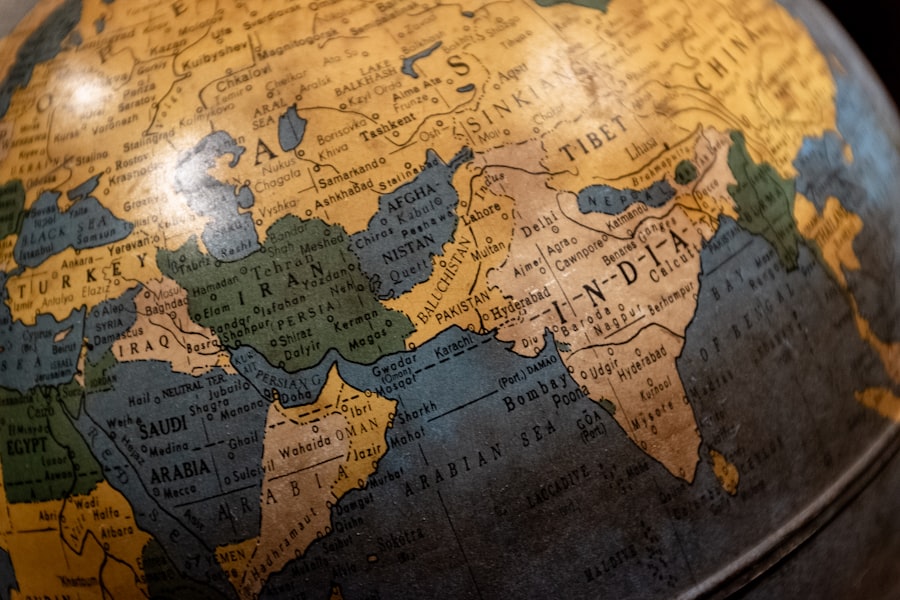
In today’s global context, “The Great Illusion” offers valuable insights into contemporary challenges such as terrorism, cyber warfare, and climate change. While Angell focused primarily on traditional state-to-state conflicts, his emphasis on economic interdependence can be applied to address non-traditional security threats that transcend national boundaries. For instance, climate change requires collective action from nations around the world, highlighting the necessity for cooperation rather than confrontation.
Moreover, Angell’s ideas about diplomacy resonate in discussions surrounding international agreements like the Paris Agreement on climate change or arms control treaties aimed at reducing nuclear arsenals. These initiatives reflect a recognition that global challenges cannot be effectively addressed through unilateral military action but require collaborative efforts grounded in mutual understanding and respect.
The Influence of The Great Illusion on Other Works in International Relations
“The Great Illusion” has significantly influenced subsequent works in international relations theory, particularly within liberal and constructivist frameworks. Scholars such as John Dewey and Woodrow Wilson drew inspiration from Angell’s ideas about cooperation and collective security, advocating for a more interconnected world where diplomacy prevails over conflict. Wilson’s Fourteen Points, which emphasized self-determination and international cooperation after World War I, echo Angell’s vision for a peaceful global order.
Additionally, Angell’s work has informed contemporary discussions about globalization and its implications for state sovereignty. As nations become increasingly interconnected through trade and communication technologies, scholars have revisited Angell’s arguments regarding economic interdependence as a deterrent to war. This ongoing dialogue highlights how “The Great Illusion” continues to shape theoretical frameworks within international relations.
The Enduring Significance of The Great Illusion in Understanding War and Peace
The enduring significance of “The Great Illusion” lies in its ability to provoke critical discussions about the nature of war and peace in an ever-evolving global landscape. Angell’s insights challenge us to reconsider our assumptions about military power and national security while emphasizing the importance of economic ties and diplomatic engagement. As we navigate complex geopolitical realities characterized by rising nationalism and populism, his work serves as a reminder that sustainable peace requires more than mere military deterrence; it necessitates a commitment to understanding our shared humanity.
In conclusion, “The Great Illusion” remains a seminal text in international relations that continues to resonate with contemporary issues. Its exploration of economic interdependence, diplomacy, and the futility of war provides a framework for understanding not only historical conflicts but also modern challenges facing humanity today. As we confront an increasingly interconnected world fraught with tensions, Angell’s vision offers hope for a future where cooperation prevails over conflict—a vision that remains as relevant now as it was over a century ago.
If you are interested in exploring more thought-provoking articles related to Norman Angell’s “The Great Illusion,” you may want to check out this article on hellread.com. This website offers a variety of insightful pieces that delve into topics such as international relations, economics, and political theory, providing readers with a deeper understanding of the complexities of the modern world. Whether you are a student of history or simply curious about the illusions that shape our society, this article is sure to spark your interest.
FAQs
What is “The Great Illusion” by Norman Angell about?
“The Great Illusion” is a book written by Norman Angell, first published in 1909. In the book, Angell argues that war between modern industrial nations is futile and economically destructive. He contends that the interconnectedness of the global economy makes it irrational for nations to engage in war, as the costs would far outweigh any potential benefits.
What was the impact of “The Great Illusion”?
“The Great Illusion” had a significant impact on the public and political discourse at the time of its publication. It influenced the thinking of many policymakers and intellectuals, and was widely read and debated. However, its impact on preventing the outbreak of World War I, which occurred just a few years after its publication, is a matter of historical debate.
Was Norman Angell’s thesis proven correct?
The outbreak of World War I, despite the arguments presented in “The Great Illusion,” has led many to question the accuracy of Angell’s thesis. However, some scholars argue that the book’s influence on policymakers and public opinion may have actually helped to prevent even larger conflicts in the years following its publication.
What is the relevance of “The Great Illusion” today?
“The Great Illusion” continues to be studied and debated in the fields of international relations and political science. Its arguments about the economic interdependence of nations and the futility of war remain relevant in contemporary discussions about global conflict and cooperation.




