
Integrative Nutrition is an evolving field that combines traditional nutritional science with holistic health practices, emphasizing the interconnectedness of food, lifestyle, and overall well-being. It recognizes that nutrition is not merely about the nutrients we consume but also about how those nutrients interact with our bodies, minds, and environments. This approach encourages individuals to consider their unique dietary needs, preferences, and cultural backgrounds while promoting a balanced lifestyle that nurtures both physical and mental health.
At its core, Integrative Nutrition seeks to empower individuals to take charge of their health through informed food choices. It integrates various dietary philosophies, including plant-based diets, whole foods, and mindful eating practices, while also considering the psychological and emotional aspects of eating. By focusing on the individual rather than a one-size-fits-all approach, Integrative Nutrition aims to create personalized dietary plans that resonate with each person’s unique circumstances and health goals.
Key Takeaways
- Integrative Nutrition is a holistic approach to health and wellness that considers the whole person, including physical, emotional, and spiritual well-being.
- The philosophy behind Integrative Nutrition emphasizes the importance of individualized care, focusing on the unique needs and preferences of each person.
- Food plays a central role in Integrative Nutrition, with an emphasis on whole, nutrient-dense foods and the impact of food on overall health and well-being.
- The mind-body connection is a key component of Integrative Nutrition, recognizing the influence of thoughts, emotions, and stress on physical health.
- Integrative Nutrition can impact overall health by addressing the root causes of health issues, promoting balance, and supporting the body’s natural healing processes.
The Philosophy behind Integrative Nutrition
The philosophy of Integrative Nutrition is rooted in the belief that health is a multifaceted concept that encompasses more than just the absence of disease. It posits that true wellness arises from a harmonious balance between physical, emotional, and spiritual health. This holistic perspective encourages individuals to explore their relationship with food and how it affects their overall quality of life.
By fostering a deeper understanding of this relationship, Integrative Nutrition aims to cultivate healthier habits that lead to sustainable well-being. Central to this philosophy is the idea of bio-individuality, which asserts that each person has unique nutritional needs based on their genetics, lifestyle, environment, and personal preferences.
By recognizing that what works for one person may not work for another, Integrative Nutrition encourages individuals to listen to their bodies and make choices that align with their specific health requirements.
The Role of Food in Integrative Nutrition

Food plays a pivotal role in Integrative Nutrition, serving as both a source of nourishment and a means of connection to our environment and culture. The emphasis is placed on whole, unprocessed foods that provide essential nutrients while minimizing additives and artificial ingredients. This focus on quality over quantity encourages individuals to prioritize fresh fruits, vegetables, whole grains, lean proteins, and healthy fats in their diets.
By choosing nutrient-dense foods, individuals can support their physical health while also enhancing their mental clarity and emotional stability. Moreover, food is viewed as a powerful tool for self-care and healing within the framework of Integrative Nutrition. The act of preparing and consuming meals can be a meditative practice that fosters mindfulness and gratitude.
By engaging in the process of cooking and savoring food, individuals can cultivate a deeper appreciation for the nourishment they provide to their bodies. This mindful approach not only enhances the enjoyment of eating but also promotes healthier eating habits by encouraging individuals to be more aware of their food choices and their impact on overall health.
The Importance of Mind-Body Connection in Integrative Nutrition
The mind-body connection is a fundamental aspect of Integrative Nutrition, highlighting the intricate relationship between mental and physical health. Research has shown that emotional states can significantly influence physiological processes, including digestion, metabolism, and immune function. Conversely, physical health can impact mental well-being; for instance, chronic illness or poor nutrition can lead to feelings of anxiety or depression.
Recognizing this interplay is essential for achieving holistic health. Integrative Nutrition encourages individuals to cultivate awareness of their thoughts and emotions surrounding food. This includes understanding emotional triggers that may lead to unhealthy eating patterns or recognizing how stress can affect dietary choices.
By fostering a positive mindset and developing coping strategies for emotional challenges, individuals can create a healthier relationship with food. Practices such as mindfulness meditation, yoga, or journaling can enhance this connection by promoting self-reflection and emotional regulation.
How Integrative Nutrition Can Impact Overall Health
The impact of Integrative Nutrition on overall health is profound and multifaceted. By addressing not only dietary choices but also lifestyle factors such as stress management, sleep quality, and physical activity, this approach fosters comprehensive well-being. Individuals who adopt Integrative Nutrition principles often experience improvements in various aspects of their health, including weight management, energy levels, digestive function, and mental clarity.
Furthermore, Integrative Nutrition has been linked to the prevention and management of chronic diseases such as diabetes, heart disease, and obesity. By focusing on whole foods and nutrient-dense options, individuals can reduce inflammation and support optimal bodily functions. For example, incorporating anti-inflammatory foods like fatty fish rich in omega-3 fatty acids or colorful fruits and vegetables can help mitigate chronic inflammation associated with various health conditions.
This proactive approach empowers individuals to take control of their health outcomes through informed dietary choices.
The Principles of Integrative Nutrition
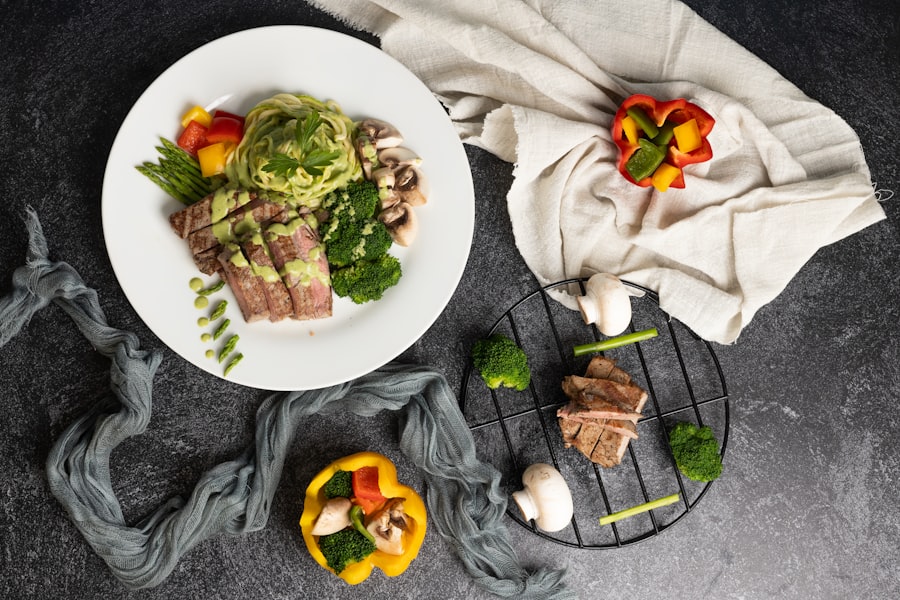
Integrative Nutrition is guided by several key principles that shape its holistic approach to health and wellness. One fundamental principle is the concept of bio-individuality, which emphasizes that each person’s nutritional needs are unique. This principle encourages practitioners to consider individual factors such as genetics, lifestyle habits, cultural influences, and personal preferences when developing dietary recommendations.
Another important principle is the focus on whole foods over processed options. Integrative Nutrition advocates for a diet rich in unrefined ingredients that provide essential nutrients without unnecessary additives or preservatives. This emphasis on quality aligns with the belief that food should be nourishing both physically and emotionally.
Additionally, the principle of balance is crucial; Integrative Nutrition promotes moderation rather than restriction, encouraging individuals to enjoy a variety of foods while being mindful of portion sizes.
Integrative Nutrition in Practice: Tips and Strategies
Implementing Integrative Nutrition principles into daily life involves practical strategies that promote healthier eating habits and overall well-being. One effective approach is meal planning, which allows individuals to prepare nutritious meals in advance while minimizing reliance on convenience foods. By dedicating time each week to plan meals based on seasonal produce and personal preferences, individuals can ensure they have access to wholesome options throughout the week.
Mindful eating practices are another valuable strategy within Integrative Nutrition. This involves slowing down during meals to savor each bite and pay attention to hunger cues. Techniques such as putting away distractions like phones or television during meals can enhance this experience.
Additionally, engaging all senses while eating—observing colors, textures, and aromas—can deepen appreciation for food and promote healthier portion control. Incorporating movement into daily routines is also essential for supporting overall health within the framework of Integrative Nutrition. Regular physical activity not only enhances physical fitness but also contributes to mental well-being by releasing endorphins that elevate mood.
Finding enjoyable forms of exercise—whether it’s dancing, hiking, or practicing yoga—can make it easier to maintain an active lifestyle.
The Future of Integrative Nutrition
The future of Integrative Nutrition appears promising as more individuals seek holistic approaches to health in an increasingly complex world. As awareness grows regarding the limitations of conventional dietary guidelines and the importance of personalized nutrition, practitioners in this field are likely to gain greater recognition within healthcare systems. This shift may lead to more collaborative efforts between nutritionists, healthcare providers, and wellness coaches to create comprehensive care plans that address both physical and mental health needs.
The rise of wearable devices and mobile applications allows individuals to track their dietary habits, physical activity levels, and even stress management techniques in real-time. These tools can provide valuable insights into personal health patterns and empower users to make informed decisions about their nutrition and lifestyle choices.
As research continues to uncover the intricate connections between diet, lifestyle factors, and overall health outcomes, Integrative Nutrition will likely evolve further to incorporate new findings into its framework. This ongoing development will enhance its relevance in addressing contemporary health challenges while promoting a more holistic understanding of wellness in society at large.
If you are interested in learning more about integrative nutrition and its impact on overall health and well-being, you may want to check out this article on Hellread titled “Hello World.” This article discusses the importance of holistic approaches to nutrition and how it can positively influence various aspects of our lives. To read more about this topic, click on the following link: