
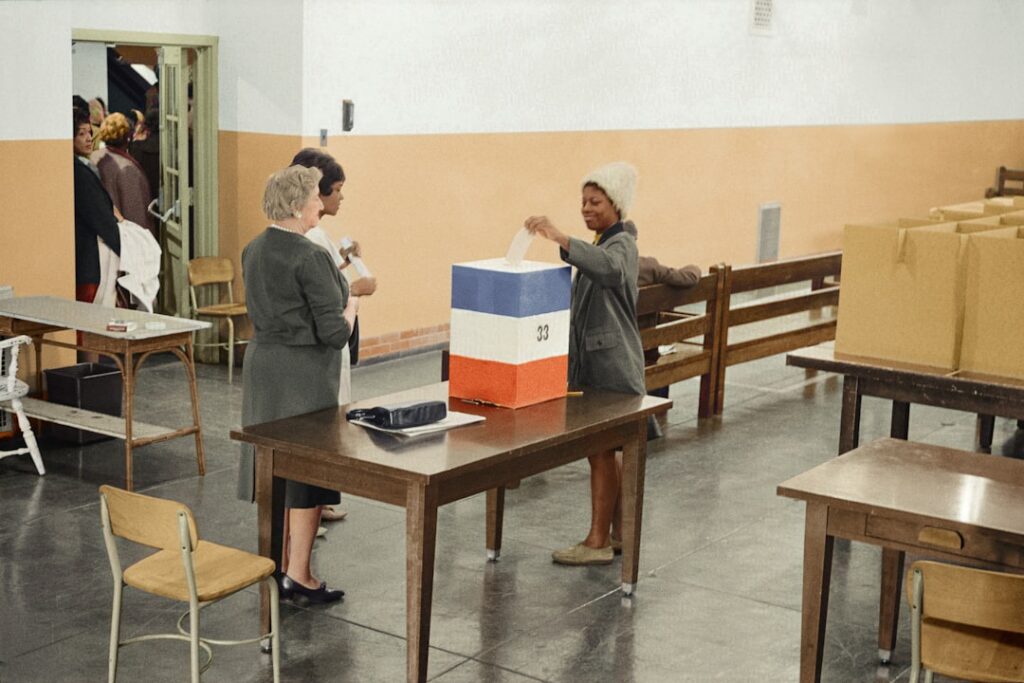
Democracy, as a system of governance, is characterized by the participation of citizens in decision-making processes that affect their lives. It is built on the principles of equality, freedom, and representation, allowing individuals to express their preferences and influence the direction of their government. Public policy, on the other hand, refers to the actions taken by governmental bodies to address societal issues, allocate resources, and regulate behavior.
The interplay between democracy and public policy is crucial, as it determines how effectively a government can respond to the needs and desires of its constituents. In democratic societies, public policy is not merely a top-down imposition by authorities; rather, it is a reflection of collective choices made through various mechanisms such as elections, referendums, and public consultations. This relationship underscores the importance of civic engagement and informed citizenry in shaping policies that are responsive to the public’s needs.
The dynamic nature of democracy means that public policy is continually evolving, influenced by changing social norms, economic conditions, and technological advancements. Understanding this relationship is essential for grasping how democracies function and how they can be improved to better serve their populations.
Key Takeaways
- Democracy is a system of government where the citizens have the power to choose their leaders and participate in decision-making processes.
- Democracy plays a crucial role in shaping public policy by ensuring that policies reflect the will of the people and promote the common good.
- Public opinion has a significant influence on public policy, as policymakers often take into account the views and preferences of the public when making decisions.
- Interest groups play a key role in shaping public policy by advocating for specific issues and influencing policymakers through lobbying and advocacy efforts.
- Political parties also play a crucial role in shaping public policy by developing and promoting policy agendas, and by influencing the decision-making process through their representation in government.
The Role of Democracy in Shaping Public Policy
Democracy plays a pivotal role in shaping public policy by providing a framework through which citizens can express their preferences and hold their leaders accountable. In democratic systems, elected representatives are tasked with translating the will of the people into actionable policies. This process often involves extensive debate, negotiation, and compromise among various stakeholders, including citizens, political parties, and interest groups.
The legitimacy of public policy in a democracy hinges on its alignment with the values and priorities of the electorate. Moreover, democratic governance encourages transparency and accountability in policymaking. Citizens have the right to access information about government actions and decisions, which fosters an environment where policymakers are compelled to justify their choices.
This transparency is crucial for building trust between the government and the public. When citizens feel that they have a voice in the policymaking process, they are more likely to support government initiatives and comply with regulations. Thus, democracy not only shapes public policy but also enhances its legitimacy and effectiveness by ensuring that it reflects the collective will of the people.
The Influence of Public Opinion on Public Policy

Public opinion serves as a powerful force in shaping public policy within democratic systems. Policymakers often rely on surveys, polls, and focus groups to gauge the sentiments of their constituents on various issues. This feedback loop allows elected officials to align their policy proposals with the preferences of the electorate.
For instance, during election cycles, candidates frequently adjust their platforms based on prevailing public opinions to increase their chances of winning votes. This responsiveness to public sentiment is a hallmark of democratic governance. However, the influence of public opinion on policy is not always straightforward.
While elected officials may seek to reflect the views of their constituents, they must also navigate complex issues that may not have clear public consensus. For example, contentious topics such as climate change or healthcare reform often elicit polarized opinions among the populace. In such cases, policymakers face the challenge of balancing competing interests while striving to implement effective solutions.
Additionally, public opinion can be shaped by media narratives and interest group campaigns, which can sometimes lead to misinformed or transient views that complicate the policymaking process.
The Role of Interest Groups in Shaping Public Policy
Interest groups play a significant role in shaping public policy by advocating for specific issues or causes that align with their members’ interests. These organizations range from large national associations to grassroots movements and can represent a wide array of sectors, including business, labor, environmental advocacy, and civil rights. By mobilizing resources and leveraging their networks, interest groups seek to influence policymakers and public opinion in favor of their agendas.
The strategies employed by interest groups can vary widely. Some may engage in direct lobbying efforts, meeting with legislators to present research and arguments supporting their positions. Others may focus on grassroots mobilization, encouraging members to contact their representatives or participate in demonstrations to raise awareness about particular issues.
For example, environmental organizations have successfully lobbied for stricter regulations on carbon emissions by mobilizing public support through campaigns that highlight the urgency of climate change. The ability of interest groups to shape public policy underscores the importance of pluralism in democratic societies, where multiple voices compete for attention and influence.
The Role of Political Parties in Shaping Public Policy
Political parties are central actors in the democratic process and play a crucial role in shaping public policy through their platforms and legislative agendas. Parties serve as vehicles for organizing political competition and articulating collective interests within society. By presenting coherent policy proposals during elections, parties provide voters with choices that reflect differing ideologies and priorities.
The influence of political parties extends beyond elections; they also shape public policy through coalition-building and negotiation processes within government. In parliamentary systems, for instance, parties often form coalitions to achieve a majority and pass legislation.
This necessitates compromise among diverse interests within the coalition, which can lead to more inclusive policies that consider various perspectives. Conversely, in systems with strong party polarization, such as the United States, partisan divisions can hinder effective policymaking and lead to gridlock on critical issues. The role of political parties in shaping public policy highlights the interplay between electoral competition and governance in democratic systems.
The Role of Bureaucracy in Shaping Public Policy

The Bureaucratic Process
The bureaucratic process involves various stages, including rulemaking, enforcement, and evaluation. For instance, when a new law is passed regarding environmental protection, it is up to regulatory agencies to develop specific rules that operationalize the law’s intent. This process often requires extensive research, stakeholder consultations, and public input to ensure that regulations are practical and effective.
Monitoring Compliance and Assessing Impact
Bureaucracies also play a critical role in monitoring compliance with policies and assessing their impact over time. This involves tracking progress, identifying areas for improvement, and making adjustments as needed.
Challenges and Limitations
However, bureaucratic inertia can sometimes pose challenges; entrenched practices or resistance to change may hinder innovation or responsiveness to emerging issues. Despite these limitations, bureaucracies remain essential for the effective implementation and administration of public policy in democratic systems.
The Impact of Democracy on the Implementation of Public Policy
The implementation of public policy in democratic contexts is significantly influenced by the principles of accountability and responsiveness inherent in democratic governance. Elected officials are held accountable for their decisions through regular elections and mechanisms such as audits or oversight committees. This accountability encourages policymakers to prioritize effective implementation strategies that align with public expectations.
Moreover, democratic societies often emphasize participatory governance models that involve citizens in the implementation process. For instance, community engagement initiatives may be employed to gather input from residents on local projects or services. This participatory approach not only enhances transparency but also fosters a sense of ownership among citizens regarding public policies.
When individuals feel invested in the outcomes of policies that affect them directly, they are more likely to support implementation efforts and contribute positively to community initiatives. However, challenges remain in ensuring equitable implementation across diverse populations. Disparities in access to resources or information can lead to uneven outcomes that disproportionately affect marginalized communities.
Addressing these disparities requires ongoing efforts from both policymakers and bureaucratic institutions to ensure that all voices are heard and considered during implementation processes.
The Future of Democracy and Public Policy
As we look toward the future of democracy and public policy, several trends emerge that will shape this relationship in profound ways.
Social media platforms enable rapid dissemination of information and mobilization around causes but also pose challenges related to misinformation and polarization.
Furthermore, global challenges such as climate change, economic inequality, and public health crises necessitate collaborative approaches that transcend national borders. Democracies must adapt their policymaking processes to address these complex issues while remaining responsive to local needs. The future will likely see an increased emphasis on participatory governance models that leverage technology for greater citizen engagement.
Ultimately, the interplay between democracy and public policy will continue to evolve as societies grapple with new challenges and opportunities. Ensuring that democratic principles remain at the forefront of policymaking will be essential for fostering inclusive governance that reflects the diverse needs of all citizens.
If you are interested in exploring more about democracy and public policy, you may want to check out the article “Hello World” on Hellread.com. This article delves into the complexities of global politics and the impact of technology on democracy. It offers a fresh perspective on how governments can adapt to the changing landscape of public policy in the digital age. To read more, click here.
FAQs
What is democracy?
Democracy is a system of government in which power is vested in the people, who rule either directly or through elected representatives.
What is public policy?
Public policy refers to the decisions and actions taken by government to address issues and solve problems that affect the general public.
What is the relationship between democracy and public policy?
In a democracy, public policy is shaped by the will of the people through their elected representatives. The government creates and implements policies based on the needs and desires of the public.
How does democracy influence public policy making?
In a democratic system, public policy making is influenced by the input and participation of citizens, interest groups, and other stakeholders. The government is accountable to the people and must consider their needs and preferences when making policy decisions.
What are some challenges in the relationship between democracy and public policy?
Challenges in the relationship between democracy and public policy include balancing the interests of different groups, ensuring transparency and accountability in decision-making, and addressing the potential for special interest influence on policy outcomes.




