

Public policy is a dynamic and multifaceted field that encompasses the decisions and actions taken by governments to address societal issues. It is not merely a static set of rules or regulations; rather, it is an evolving process that reflects the changing needs, values, and priorities of society. The evolutionary approach to public policy emphasizes the gradual development and adaptation of policies over time, influenced by various factors such as social movements, economic conditions, and technological advancements.
This perspective recognizes that public policy is not created in a vacuum but is instead shaped by historical contexts and ongoing interactions among stakeholders. The evolutionary approach also highlights the importance of learning and adaptation in the policy-making process. Policymakers often draw on past experiences, successes, and failures to inform their decisions.
This iterative process allows for the refinement of policies as new information becomes available and as societal needs evolve. By understanding public policy as an evolutionary process, we can better appreciate the complexities involved in addressing contemporary challenges and the necessity for flexible, responsive governance.
Key Takeaways
- Public policy has evolved over time, shaped by historical developments, institutional influences, political context, and globalization.
- The evolution of public policy theory has led to a better understanding of how policies are formulated, implemented, and evaluated.
- Institutions play a crucial role in shaping public policy, influencing the decision-making process and the outcomes of policies.
- The political context, including the influence of different political parties and ideologies, has a significant impact on the development and implementation of public policy.
- Globalization has brought about new challenges and opportunities for public policy, requiring a more interconnected and collaborative approach to address global issues.
The Historical Development of Public Policy
The historical development of public policy can be traced back to ancient civilizations, where rulers implemented laws and regulations to maintain order and promote the welfare of their subjects. For instance, the Code of Hammurabi in ancient Babylon established a set of legal standards that governed various aspects of daily life, illustrating an early form of public policy aimed at ensuring justice and social stability. As societies evolved, so too did the nature of public policy, reflecting changes in governance structures, economic systems, and cultural values.
In the modern era, particularly during the 19th and 20th centuries, public policy began to take on a more formalized structure. The rise of the welfare state in many Western countries marked a significant shift in the role of government, as policymakers sought to address issues such as poverty, education, and healthcare. The establishment of social safety nets and regulatory frameworks represented a recognition of the government’s responsibility to protect its citizens and promote social equity.
This period also saw the emergence of various policy paradigms, such as Keynesian economics, which influenced government intervention in the economy and shaped public policy responses to economic crises.
The Evolution of Public Policy Theory

The evolution of public policy theory has been marked by a series of paradigmatic shifts that reflect changing understandings of governance and societal needs. Early theories focused primarily on rational decision-making processes, where policymakers were seen as rational actors who systematically analyzed problems and developed solutions based on empirical data. This rational-comprehensive model emphasized the importance of objective analysis and logical reasoning in policy formulation.
However, as scholars began to recognize the limitations of this approach, alternative theories emerged. Incrementalism, for example, posits that policy change often occurs through small adjustments rather than sweeping reforms. This perspective acknowledges the complexities of political decision-making and the influence of existing policies on new initiatives.
Additionally, advocacy coalition framework (ACF) introduced by Sabatier emphasizes the role of coalitions of stakeholders who share common beliefs and work together to influence policy outcomes over time. These theoretical advancements reflect a growing understanding that public policy is not solely a technical exercise but is deeply intertwined with political dynamics and social contexts.
The Role of Institutions in Shaping Public Policy
Institutions play a crucial role in shaping public policy by providing the frameworks within which policies are developed, implemented, and evaluated. These institutions can be formal, such as legislatures, bureaucracies, and courts, or informal, including norms, traditions, and social networks. The structure and functioning of these institutions significantly influence the policy-making process and determine how effectively policies are translated into action.
For instance, in many democratic systems, legislative bodies are responsible for debating and enacting laws that reflect the will of the electorate. The rules governing these institutions—such as voting procedures, committee structures, and agenda-setting mechanisms—can either facilitate or hinder policy innovation. Bureaucracies also play a vital role in implementing policies; their capacity to execute programs effectively can determine whether intended outcomes are achieved.
Moreover, institutions can shape public policy through their ability to mediate conflicts among competing interests and provide stability in an often tumultuous political landscape.
The Influence of Political Context on Public Policy
The political context in which public policy is formulated is a critical determinant of its success or failure. Factors such as party ideology, electoral dynamics, interest group pressures, and public opinion all play significant roles in shaping policy agendas and outcomes. For example, during periods of political polarization, certain issues may become highly contentious, making it challenging for policymakers to reach consensus on effective solutions.
Moreover, the timing of policy initiatives can greatly influence their reception. Policies introduced during economic downturns may be met with skepticism or resistance from constituents who prioritize immediate economic relief over long-term reforms. Conversely, crises—such as natural disasters or public health emergencies—can create windows of opportunity for rapid policy change as governments respond to urgent needs.
Understanding these political dynamics is essential for policymakers seeking to navigate complex environments and achieve meaningful change.
The Impact of Globalization on Public Policy
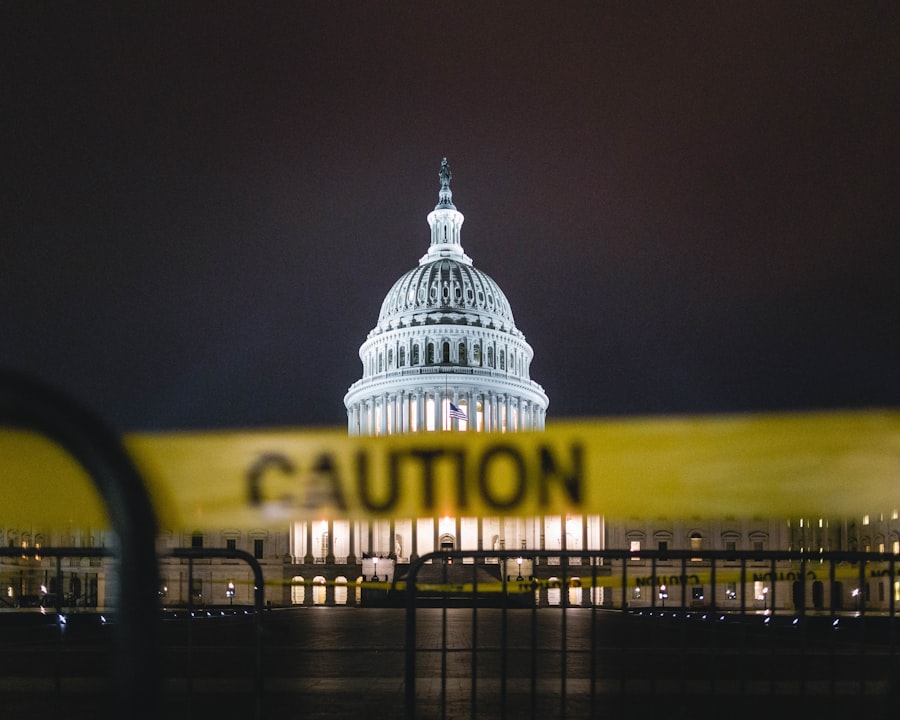
Globalization has profoundly transformed the landscape of public policy by increasing interdependence among nations and introducing new challenges that transcend national borders. Issues such as climate change, migration, trade, and public health require coordinated responses from multiple countries, necessitating a shift from traditional domestic policy frameworks to more collaborative approaches. This interconnectedness has led to the emergence of transnational governance structures that facilitate cooperation among states and non-state actors.
Such agreements often require countries to adopt specific policies that align with global standards while also considering local contexts. Additionally, globalization has spurred the rise of non-governmental organizations (NGOs) and advocacy groups that influence public policy by raising awareness about global issues and holding governments accountable for their commitments.
As a result, policymakers must navigate a complex web of international obligations while balancing domestic priorities.
Case Studies and Examples of the Evolutionary Approach in Action
The evolutionary approach to public policy can be illustrated through various case studies that demonstrate how policies adapt over time in response to changing circumstances. One notable example is the evolution of environmental policy in the United States. Initially characterized by a focus on resource extraction and economic growth during the mid-20th century, environmental policy began to shift in response to growing public awareness about pollution and ecological degradation.
S. environmental governance. Over time, these policies have evolved further to address emerging challenges such as climate change and biodiversity loss.
The introduction of cap-and-trade systems and renewable energy incentives reflects an adaptive approach that seeks to balance economic development with environmental sustainability. Similarly, healthcare reform in various countries illustrates an evolutionary process where initial systems are modified based on lessons learned from implementation experiences. The Affordable Care Act (2010) in the United States represents an attempt to build upon previous healthcare initiatives while addressing gaps in coverage and access.
The Future of Public Policy and the Evolutionary Approach
As we look toward the future of public policy, it is clear that the evolutionary approach will remain essential in navigating an increasingly complex world. Policymakers will need to embrace flexibility and adaptability as they confront new challenges arising from technological advancements, demographic shifts, and global crises. The ability to learn from past experiences—both successes and failures—will be crucial in developing effective policies that meet the needs of diverse populations.
Moreover, fostering collaboration among stakeholders will be vital for creating inclusive policies that reflect a wide range of perspectives. As globalization continues to shape our interconnected world, policymakers must also consider how international dynamics influence domestic agendas. By adopting an evolutionary perspective that prioritizes learning, adaptation, and collaboration, we can work toward more effective public policies that address pressing societal issues while remaining responsive to changing circumstances.
If you are interested in exploring more about public policy and its evolution, you may want to check out this article on hellread.com. This article delves into the complexities of public policy and offers insights into how it has evolved over time. It provides a valuable perspective that complements the ideas presented in “Public Policy: An Evolutionary Approach” by John Wanna, Patrick Weller, and Joanne Kelly.
FAQs
What is public policy?
Public policy refers to the decisions and actions taken by government to address issues and solve problems within society. It encompasses a wide range of issues, including healthcare, education, economic development, and social welfare.
What is an evolutionary approach to public policy?
An evolutionary approach to public policy involves viewing policy development as a dynamic and adaptive process that changes over time in response to new information, changing circumstances, and societal needs. It emphasizes the importance of learning from past experiences and adjusting policies accordingly.
Who are the authors of the article “Public Policy: An Evolutionary Approach”?
The article “Public Policy: An Evolutionary Approach” is authored by John Wanna, Patrick Weller, and Joanne Kelly. John Wanna is a professor of political science at the Australian National University, Patrick Weller is a professor of politics and public policy at Griffith University, and Joanne Kelly is a senior lecturer in public policy at Griffith University.
What are some key concepts discussed in the article?
The article discusses the importance of understanding the historical context of public policy, the role of institutions and actors in shaping policy outcomes, and the need for flexibility and adaptability in policy development. It also explores the impact of globalization and technological change on public policy.
How does the article contribute to the field of public policy?
The article provides a comprehensive overview of the evolutionary approach to public policy and offers insights into how this perspective can inform policy analysis and decision-making. It encourages policymakers to embrace a more flexible and adaptive approach to policy development in order to better address complex and dynamic societal challenges.




