
The concept of universal principles of design encompasses a set of guidelines that serve as foundational elements across various design disciplines. These principles are not merely aesthetic preferences; they are rooted in human psychology, behavior, and perception.
The universality of these principles lies in their ability to transcend cultural and contextual boundaries, making them applicable in diverse settings and for varied audiences. At the core of these principles is the recognition that design is not just about visual appeal but also about functionality and user experience. The interplay between form and function is critical; a well-designed object or interface must not only look good but also serve its intended purpose efficiently.
This dual focus on aesthetics and usability is what makes the universal principles of design so vital in contemporary practice. As we delve deeper into the importance and application of these principles across different design fields, it becomes evident that they are essential tools for any designer aiming to create impactful work.
Key Takeaways
- Universal principles of design are fundamental concepts that can be applied across various design disciplines.
- Understanding and applying universal principles in design can lead to more effective and impactful designs.
- Universal principles can be applied to graphic design to create visually appealing and functional designs.
- Product design can benefit from universal principles by creating products that are intuitive, user-friendly, and aesthetically pleasing.
- User experience design can be enhanced by incorporating universal principles to create seamless and enjoyable interactions for users.
The Importance of Universal Principles in Design
Organizing Information for Better Usability
For instance, principles such as balance, contrast, and hierarchy help to organize information, making it easier for users to navigate and comprehend complex information. This structured approach not only improves usability but also fosters a more enjoyable experience for the end-user.
When everyone involved in a project understands these foundational concepts, it creates a common language that streamlines collaboration. This shared understanding can lead to more cohesive design outcomes, as team members can reference specific principles when discussing ideas or providing feedback.
Enhancing Workflow and Project Success
In an industry where clarity and precision are paramount, the ability to articulate design choices through universally recognized principles can significantly enhance the overall workflow and project success.
Applying Universal Principles to Graphic Design
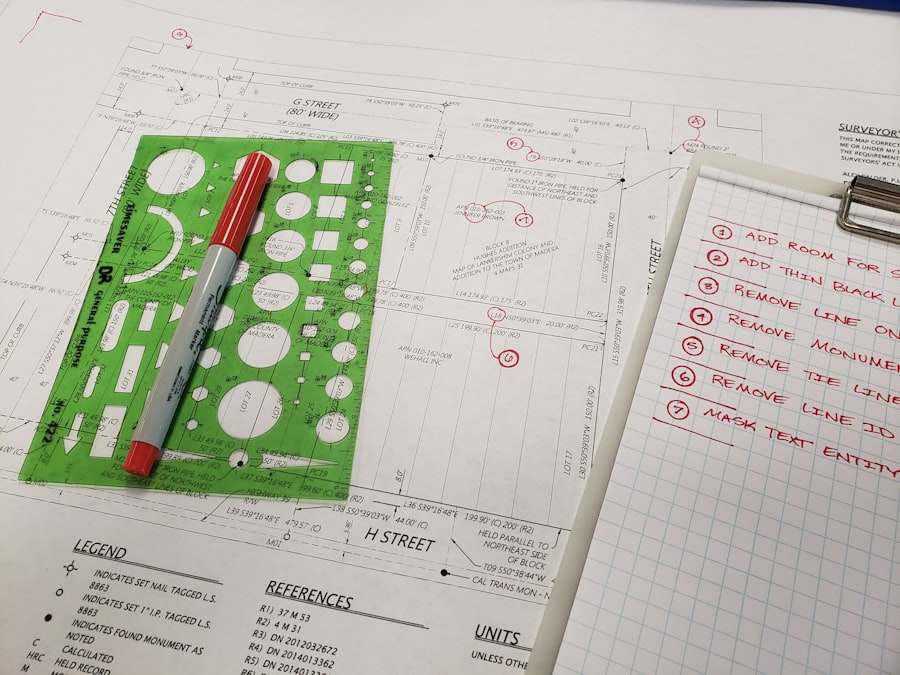
In graphic design, the application of universal principles is crucial for creating visually compelling and effective communication materials. For example, the principle of contrast plays a pivotal role in ensuring that important elements stand out. By using contrasting colors, sizes, or shapes, designers can draw attention to key messages or calls to action within a layout.
This technique not only enhances visual interest but also guides the viewer’s eye through the composition in a deliberate manner. Another essential principle in graphic design is alignment. Proper alignment creates a sense of order and organization within a layout, making it easier for viewers to process information.
When elements are aligned thoughtfully, they appear connected and cohesive, which can significantly improve the overall aesthetic appeal of the design. For instance, in a magazine layout, aligning text blocks and images along a grid can create a harmonious flow that encourages readers to engage with the content more deeply. By applying these universal principles effectively, graphic designers can elevate their work from mere decoration to powerful communication tools.
Universal Principles in Product Design
In product design, universal principles serve as guiding stars that inform every stage of development, from ideation to prototyping and final production. One of the most critical principles in this field is usability, which emphasizes the importance of creating products that are intuitive and easy to use. For example, consider the design of kitchen appliances like blenders or coffee makers.
A well-designed product will have controls that are clearly labeled and positioned within easy reach, allowing users to operate them without confusion or frustration. Another vital principle is ergonomics, which focuses on designing products that fit the physical needs of users. This principle is particularly important in furniture design; chairs must support the human body comfortably while promoting good posture.
A chair designed with ergonomic principles will feature adjustable height settings, lumbar support, and armrests positioned at an optimal angle. By prioritizing ergonomics in product design, manufacturers can enhance user satisfaction and reduce the risk of discomfort or injury associated with prolonged use.
Universal Principles in User Experience Design
User experience (UX) design is fundamentally about creating meaningful interactions between users and products or services. The application of universal principles in this domain is essential for crafting experiences that are not only functional but also enjoyable. One key principle is consistency; maintaining uniformity across various touchpoints—such as websites, apps, and customer service—helps users develop familiarity with a brand or product.
For instance, if a mobile app uses specific icons for navigation, those same icons should be employed consistently throughout the app to avoid confusion. Another important principle in UX design is feedback. Users need to know that their actions have been recognized by the system; this can be achieved through visual cues or auditory signals.
For example, when a user submits a form online, providing immediate feedback—such as a confirmation message or visual change—reinforces their action and enhances their sense of control over the interaction. By integrating feedback mechanisms into UX design, designers can create more engaging experiences that foster user trust and satisfaction.
Universal Principles in Architecture and Environmental Design

Architecture and environmental design are fields where universal principles play a crucial role in shaping spaces that are functional, aesthetically pleasing, and conducive to human activity. One fundamental principle is scale; understanding how buildings relate to their surroundings and how individuals perceive space is essential for creating harmonious environments. For instance, a skyscraper designed without consideration for its scale may overwhelm pedestrians at street level, creating an unwelcoming atmosphere.
Another significant principle is sustainability, which has gained increasing importance in contemporary architectural practice. Sustainable design involves creating buildings that minimize environmental impact while maximizing energy efficiency and occupant comfort. This principle can manifest in various ways, such as using renewable materials, incorporating natural light through strategic window placement, or designing green roofs that promote biodiversity.
By embracing sustainability as a core principle, architects can contribute positively to both the environment and the communities they serve.
The Impact of Universal Principles on Branding and Marketing
In branding and marketing, universal principles are instrumental in crafting messages that resonate with target audiences while establishing a strong brand identity. One key principle is simplicity; brands that communicate their messages clearly and concisely are more likely to capture consumer attention. For example, successful logos often embody simplicity through clean lines and minimalistic designs that convey the essence of the brand without unnecessary complexity.
Another important principle is emotional connection. Brands that evoke emotions through storytelling or relatable imagery can foster deeper relationships with consumers. For instance, campaigns that highlight personal stories or community involvement resonate more profoundly than those focused solely on product features.
By leveraging emotional appeal alongside universal design principles, marketers can create campaigns that not only attract attention but also build lasting loyalty among consumers.
Embracing Universal Principles for Successful Design
The integration of universal principles into various design disciplines is essential for achieving successful outcomes that meet user needs while enhancing aesthetic appeal. Whether in graphic design, product development, user experience design, architecture, or branding, these principles provide a solid foundation upon which effective solutions can be built. As designers continue to navigate an increasingly complex landscape filled with diverse challenges and opportunities, embracing these universal principles will remain crucial for fostering innovation and creating meaningful experiences for users across all domains.
If you are interested in learning more about design principles, you may want to check out an article on hellread.com titled “Hello World.” This article delves into the basics of design and provides valuable insights that complement the concepts discussed in Universal Principles of Design by William Lidwell, Kritina Holden, and Jill Butler. By exploring this article, you can gain a deeper understanding of how design principles can be applied in various contexts to create effective and visually appealing designs.
FAQs
What is the book “Universal Principles of Design” about?
The book “Universal Principles of Design” by William Lidwell, Kritina Holden, and Jill Butler is a comprehensive guide that explores 125 fundamental principles of design, providing insights and examples from various disciplines such as architecture, graphic design, product design, and more.
Who are the authors of “Universal Principles of Design”?
The authors of “Universal Principles of Design” are William Lidwell, Kritina Holden, and Jill Butler. They are experts in the field of design and have extensive experience in teaching, consulting, and writing about design principles.
What are some examples of the design principles covered in the book?
Some examples of the design principles covered in the book include affordance, feedback, hierarchy, mental models, progressive disclosure, and visibility. These principles are essential for understanding and creating effective designs across various disciplines.
How can “Universal Principles of Design” benefit designers and non-designers alike?
“Universal Principles of Design” provides valuable insights and practical examples that can benefit both designers and non-designers. Designers can use the principles to enhance their design processes, while non-designers can gain a deeper understanding of the thought processes behind effective design.
Is “Universal Principles of Design” suitable for beginners in the field of design?
Yes, “Universal Principles of Design” is suitable for beginners in the field of design. The book presents the principles in a clear and accessible manner, making it a valuable resource for those who are new to design as well as for experienced professionals.




