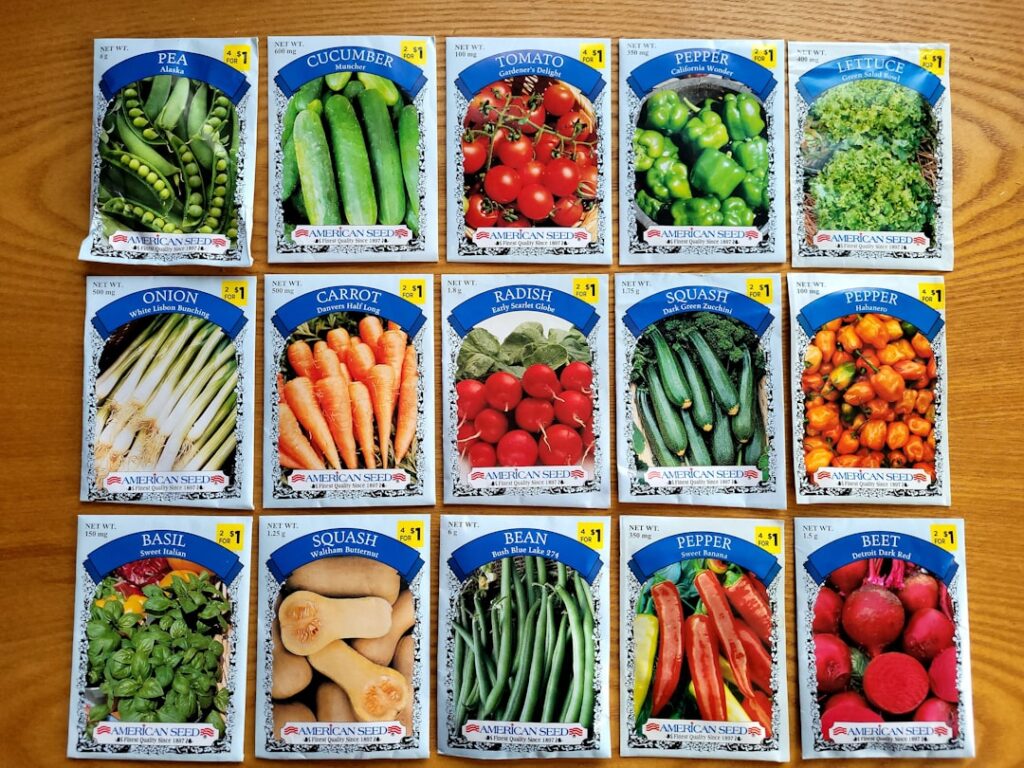
The Food Revolution is a movement that seeks to transform the way we think about food, its production, and its consumption. It emphasizes the importance of healthy eating, sustainable agricultural practices, and ethical food sourcing. This movement has gained momentum in recent years as more individuals and communities recognize the profound impact that food choices have on personal health, environmental sustainability, and social justice. The Food Revolution encourages people to question the status quo of the food industry and to advocate for changes that promote better health outcomes and a more equitable food system.
At its core, the Food Revolution is about empowerment. It invites individuals to take control of their diets and make informed choices that align with their values. This movement is not just about personal health; it also addresses broader societal issues such as food insecurity, climate change, and animal welfare. By fostering awareness and encouraging action, the Food Revolution aims to create a more just and sustainable food system for all.
In exploring the themes presented in “The Food Revolution” by John Robbins, readers may find a related article on the impact of plant-based diets on health and the environment on HellRead.
This article delves into the benefits of adopting a more sustainable lifestyle and highlights various success stories that align with Robbins’ vision for a healthier planet.
For more insights, you can read the article here: The Impact of Plant-Based Diets.
Key Takeaways
- The Food Revolution highlights the urgent need to transform our eating habits for better health and environmental sustainability.
- John Robbins’ personal journey underscores the power of plant-based diets in promoting wellness and ethical living.
- Big corporations significantly influence the food industry, often prioritizing profit over health and sustainability.
- Embracing sustainable and ethical food choices is crucial for protecting the planet and future generations.
- Joining the Food Revolution involves conscious consumer decisions that can drive systemic change in the future of food.
The Impact of the Food Industry on Health and Environment
The food industry has a significant impact on both public health and the environment. The rise of processed foods, high in sugars, unhealthy fats, and additives, has contributed to an increase in chronic diseases such as obesity, diabetes, and heart disease. Many people consume diets that are heavily reliant on convenience foods, which often lack essential nutrients. This shift in dietary patterns has raised concerns among health professionals and advocates who argue for a return to whole, minimally processed foods.
In addition to health concerns, the food industry also plays a crucial role in environmental degradation. Industrial agriculture practices contribute to soil depletion, water pollution, and loss of biodiversity. The use of pesticides and fertilizers can harm ecosystems and contaminate water supplies. Furthermore, the carbon footprint associated with large-scale meat production is significant, contributing to greenhouse gas emissions and climate change. As awareness of these issues grows, there is an increasing call for sustainable practices that prioritize both human health and environmental stewardship.
John Robbins’ Journey and Mission

John Robbins is a prominent figure in the Food Revolution, known for his advocacy of plant-based eating and sustainable food practices. His journey began in the 1980s when he chose to diverge from his family’s legacy in the ice cream business to pursue a path focused on health and environmental issues. Robbins’ decision was influenced by his desire to promote a healthier lifestyle and to address the ethical concerns surrounding animal agriculture.
Through his books, lectures, and activism, Robbins has inspired countless individuals to reconsider their food choices. He emphasizes the connection between diet and health, arguing that a plant-based diet can lead to improved well-being while also benefiting the planet. Robbins’ mission extends beyond personal health; he aims to create a movement that encourages systemic change within the food industry. His work highlights the importance of making informed choices that reflect a commitment to sustainability and compassion.
The Power of Plant-Based Eating
Plant-based eating has emerged as a central tenet of the Food Revolution. This dietary approach emphasizes the consumption of fruits, vegetables, whole grains, legumes, nuts, and seeds while minimizing or eliminating animal products. Research has shown that plant-based diets can lead to numerous health benefits, including lower risks of chronic diseases, improved weight management, and enhanced overall well-being.
Beyond personal health benefits, plant-based eating also has significant environmental advantages. Shifting towards a diet rich in plant foods can reduce the demand for resource-intensive animal agriculture, thereby decreasing greenhouse gas emissions and conserving water. Additionally, plant-based diets often require less land for cultivation compared to meat production. As more people adopt this way of eating, there is potential for a substantial positive impact on both individual health and the planet’s ecological balance.
In “The Food Revolution,” John Robbins explores the profound impact of food choices on health, the environment, and animal welfare. For those interested in delving deeper into the implications of dietary habits, a related article discusses the transformative power of plant-based diets and their potential to combat climate change. You can read more about this important topic in the article By understanding its impact on health and the environment, individuals can make informed choices that contribute to a more just food system. Through advocacy and community engagement, everyone has the opportunity to participate in this transformative movement that seeks to reshape our relationship with food for generations to come. “The Food Revolution” by John Robbins focuses on the impact of food choices on health, the environment, and animal welfare. It advocates for a plant-based diet and highlights the benefits of sustainable and ethical eating habits. John Robbins is an author and advocate known for his work on nutrition, environmental issues, and animal rights. He is the author of several books, including “The Food Revolution,” which promotes healthier and more sustainable food choices. Key themes in “The Food Revolution” include the health benefits of a plant-based diet, the environmental consequences of animal agriculture, ethical considerations regarding animal welfare, and the social and economic impacts of food production. Yes, the book offers practical guidance on adopting a plant-based diet, including tips on nutrition, meal planning, and overcoming common challenges associated with dietary changes. “The Food Revolution” has contributed to increased public awareness about the connections between diet, health, and environmental sustainability. It has inspired many readers to reconsider their food choices and adopt more ethical and health-conscious eating practices.FAQs
What is the main focus of “The Food Revolution” by John Robbins?
Who is John Robbins?
What are some key themes discussed in “The Food Revolution”?
Does “The Food Revolution” provide practical advice for changing eating habits?
How has “The Food Revolution” influenced public awareness about food and health?