In an age dominated by technology and rapid transit, the act of walking has taken on a new significance, one that Robert Macfarlane explores in his evocative work, “The Old Ways: A Journey on Foot.” This book is not merely a travelogue; it is a profound meditation on the landscapes we traverse and the paths we choose. Macfarlane invites readers to consider the ancient routes that have shaped human experience, weaving together personal narrative, historical context, and philosophical inquiry. Through his journeys, he illuminates the deep connections between the act of walking and our understanding of place, memory, and identity.
Walking, as Macfarlane illustrates, is an elemental human activity that transcends time and culture. It is a means of exploration that allows individuals to engage with their surroundings in a visceral way. The Old Ways serves as both a guide and a companion for those who seek to reconnect with the earth beneath their feet.
Macfarlane’s prose is rich with imagery and insight, encouraging readers to reflect on their own experiences of movement through the world. As he traverses ancient paths, he uncovers stories embedded in the landscape, revealing how these routes have been shaped by history, culture, and the natural environment.
Key Takeaways
- “The Old Ways: A Journey on Foot” is a book that explores the significance of walking and journeying on foot in various landscapes and paths.
- The author, Robert Macfarlane, is known for his writings on nature, landscape, and the environment, and his work often focuses on the relationship between people and place.
- The book delves into the spiritual and cultural aspects of walking, highlighting the connection between walking and connecting with nature and history.
- Macfarlane reflects on the modern world and the old ways, discussing the enduring appeal of walking and exploration in today’s society.
- Ultimately, “The Old Ways” emphasizes the enduring appeal of walking and the importance of exploring the world on foot, connecting with nature, and understanding the history and culture of different landscapes.
The author, Robert Macfarlane
Exploring the Human Experience through Nature
Macfarlane’s works often delve into themes of nature, memory, and the human experience, making him a significant contributor to the genre of nature writing. His ability to articulate the nuances of walking and its impact on our lives sets him apart as a modern bard of the landscape.
A Personal and Universal Narrative
In “The Old Ways,” Macfarlane draws upon his extensive knowledge of geography and history to craft a narrative that is both personal and universal. He embarks on journeys across various terrains—from the rugged coastlines of Scotland to the serene hills of England—each path revealing layers of meaning and connection.
Inviting Readers on an Introspective Quest
His writing is imbued with a sense of reverence for the land and its stories, as he reflects on the ways in which walking can deepen our understanding of ourselves and our place in the world. Through his explorations, Macfarlane not only documents his physical journeys but also invites readers to embark on their own introspective quests.
Exploring the landscapes and paths
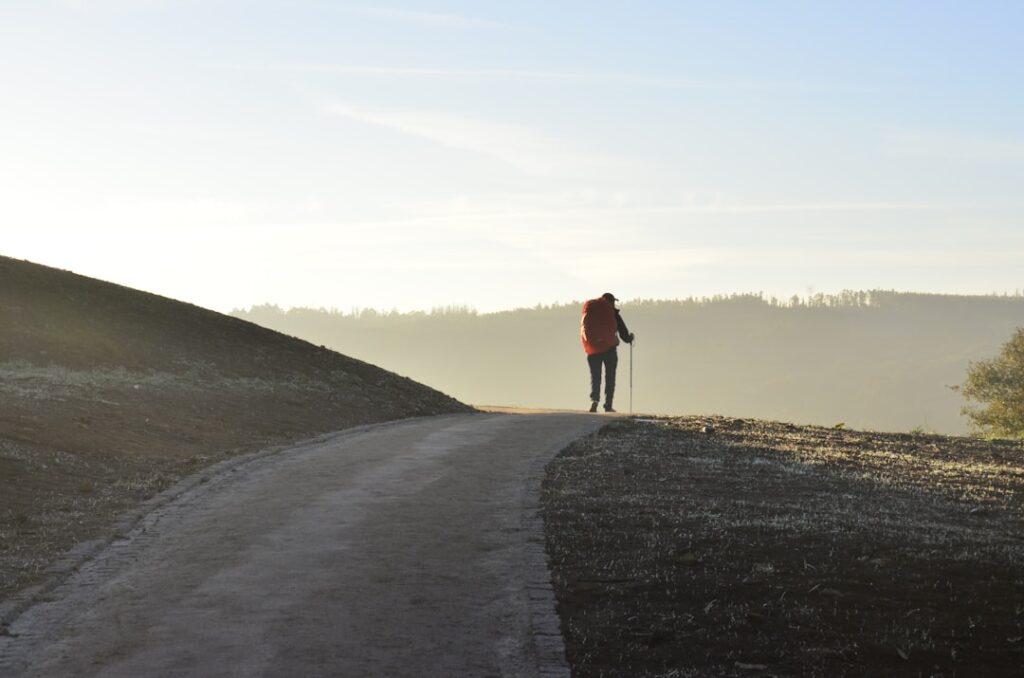
The landscapes that Macfarlane traverses in “The Old Ways” are as diverse as they are captivating. From the windswept moors of Dartmoor to the ancient pilgrimage routes of Spain, each setting serves as a backdrop for his reflections on walking. He meticulously describes the sensory experiences associated with these journeys—the crunch of gravel underfoot, the scent of wildflowers in bloom, and the sound of distant waves crashing against rocky shores.
These vivid descriptions transport readers into the heart of each landscape, allowing them to experience the beauty and complexity of nature alongside him. Macfarlane’s exploration of paths is not limited to their physical characteristics; he delves into their historical significance as well. Many of the routes he walks have been traveled for centuries, carrying with them the weight of human experience.
He recounts stories of those who have walked before him—pilgrims seeking solace, traders transporting goods, and wanderers searching for meaning. By tracing these paths, Macfarlane connects with a lineage of walkers who have shaped the very fabric of these landscapes. This sense of continuity enriches his journey, reminding readers that walking is not just an individual act but part of a larger tapestry of human existence.
The significance of walking and journeying on foot
Walking is often regarded as a simple act, yet Macfarlane reveals its profound significance in “The Old Ways.
In an era where speed and efficiency dominate our lives, walking offers a counterbalance—a chance to embrace stillness and reflection. Macfarlane emphasizes that walking is not merely about reaching a destination; it is about the journey itself and the experiences that unfold along the way.
Moreover, walking fosters a sense of connection to both nature and community. As Macfarlane traverses various landscapes, he encounters fellow walkers who share their stories and insights. These interactions highlight the communal aspect of walking; it becomes a shared experience that transcends individual journeys.
The act of walking together can forge bonds between people, creating a sense of belonging that is often elusive in modern society. Macfarlane’s narrative underscores how walking can cultivate empathy and understanding, allowing us to appreciate diverse perspectives while deepening our connection to the world around us.
Connecting with nature and history
One of the most compelling aspects of “The Old Ways” is Macfarlane’s ability to weave together themes of nature and history. As he walks through various landscapes, he uncovers layers of meaning that connect past and present. The paths he follows are often steeped in historical significance—ancient trade routes, pilgrimage trails, or sites of cultural importance.
By engaging with these routes, Macfarlane invites readers to consider how history is written into the very fabric of the land. Nature itself becomes a character in Macfarlane’s narrative, shaping his experiences and influencing his reflections. He describes how different environments evoke distinct emotions—how the vastness of a mountain range can inspire awe or how a quiet forest can instill a sense of peace.
Through his observations, he highlights the interconnectedness between humans and nature, emphasizing that our well-being is intrinsically linked to our relationship with the natural world. This connection is not merely physical; it encompasses emotional and spiritual dimensions as well.
The spiritual and cultural aspects of walking
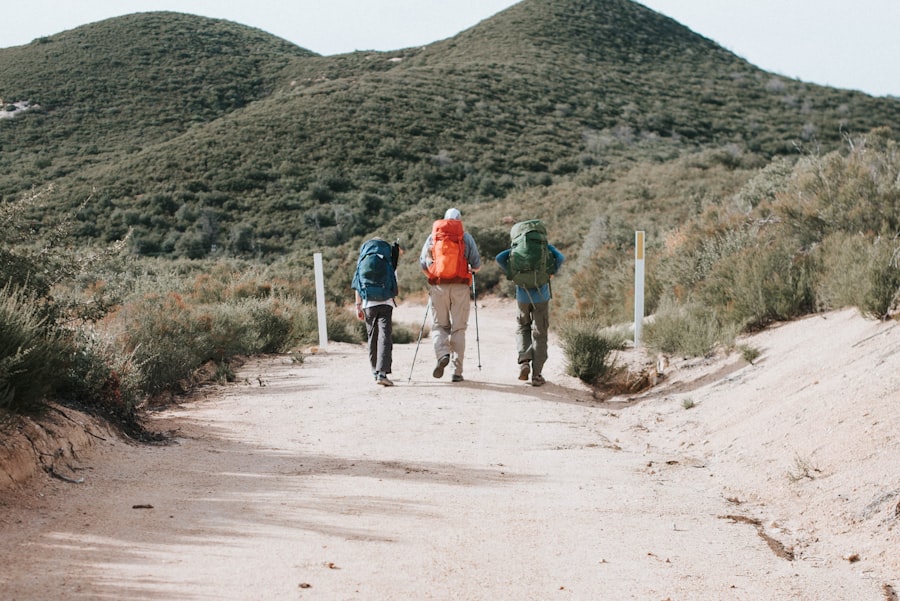
Walking has long been associated with spiritual practices across cultures, serving as a means of contemplation and connection to something greater than oneself. In “The Old Ways,” Macfarlane explores this spiritual dimension by recounting his encounters with sacred sites and pilgrimage routes. He reflects on how these journeys can evoke feelings of transcendence and purpose, allowing individuals to tap into deeper aspects of their existence.
The act of walking becomes a form of prayer or meditation—a way to seek clarity amidst life’s complexities. Culturally, walking has been celebrated in literature, art, and philosophy throughout history. Macfarlane draws upon this rich tradition to illustrate how walking has inspired countless thinkers and creators.
He references figures such as William Wordsworth and John Muir, whose writings reflect a profound appreciation for nature and its transformative power. By situating his own experiences within this broader cultural context, Macfarlane underscores how walking continues to resonate with contemporary audiences seeking meaning in an increasingly fragmented world.
Reflections on the modern world and the old ways
In “The Old Ways,” Macfarlane offers poignant reflections on the modern world and its disconnection from traditional practices like walking. As urbanization spreads and technology permeates every aspect of life, many individuals find themselves distanced from nature and the simple joys of movement. Macfarlane laments this shift, arguing that it has led to a loss of connection—not only with the environment but also with ourselves.
He advocates for a return to walking as a means of reclaiming this lost connection. Through his journeys, Macfarlane highlights how walking can serve as an antidote to modern life’s frenetic pace. He encourages readers to embrace slow travel—taking time to savor each step rather than rushing toward an endpoint.
This approach fosters mindfulness and allows individuals to engage more fully with their surroundings. By advocating for a return to “the old ways,” Macfarlane invites us to reconsider our relationship with movement and explore how it can enrich our lives in profound ways.
The enduring appeal of walking and exploration
The enduring appeal of walking lies in its simplicity yet profound impact on our lives. In “The Old Ways,” Robert Macfarlane captures this essence beautifully through his evocative prose and thoughtful reflections. Walking serves as both a physical act and a metaphorical journey—a means of exploring not only the world around us but also our inner landscapes.
As we navigate through life’s complexities, embracing the old ways can offer solace, clarity, and connection.
The paths we choose to walk are imbued with history, culture, and nature’s beauty—each step an opportunity for discovery and reflection.
In an era where many feel disconnected from both nature and community, “The Old Ways” serves as an invitation to rediscover the transformative power of walking—a timeless practice that continues to inspire exploration and connection across generations.
If you enjoyed reading The Old Ways: A Journey on Foot by Robert Macfarlane, you may also be interested in exploring the article “Hello World” on Hellread.com. This article delves into the concept of new beginnings and the excitement of embarking on a journey, much like the author’s exploration of ancient paths in his book. Check out the article here for a fresh perspective on starting anew.
FAQs
What is “The Old Ways: A Journey on Foot” by Robert Macfarlane about?
“The Old Ways: A Journey on Foot” is a non-fiction book by Robert Macfarlane that explores the author’s experiences walking ancient paths and tracks in various landscapes around the world. Macfarlane delves into the history, culture, and natural environment of these routes, reflecting on the significance of walking and the human connection to the land.
Who is Robert Macfarlane?
Robert Macfarlane is a British writer and academic known for his work in nature and travel writing. He has authored several books, including “Mountains of the Mind,” “The Wild Places,” and “Underland.” Macfarlane is also a fellow of Emmanuel College, Cambridge, where he teaches literature and environmental studies.
What are some of the themes explored in “The Old Ways: A Journey on Foot”?
“The Old Ways” delves into themes such as the significance of walking as a means of connecting with the natural world, the history and cultural importance of ancient paths and tracks, and the ways in which landscapes shape human experiences and identities. Macfarlane also reflects on the spiritual and philosophical aspects of walking and the relationship between humans and the environment.
Where does Robert Macfarlane journey on foot in the book?
In “The Old Ways,” Robert Macfarlane embarks on journeys on foot in various locations, including the chalk downs of England, the ancient paths of the Himalayas, the peat bogs of the Scottish Highlands, and the coastal routes of Spain. He also explores the landscapes of Palestine and the Outer Hebrides, among other places.
What is the writing style of “The Old Ways: A Journey on Foot”?
Robert Macfarlane’s writing style in “The Old Ways” is lyrical and reflective, blending personal narrative with historical and cultural insights. He employs vivid descriptions of landscapes and experiences, as well as a deep engagement with the natural world and the human connection to it.