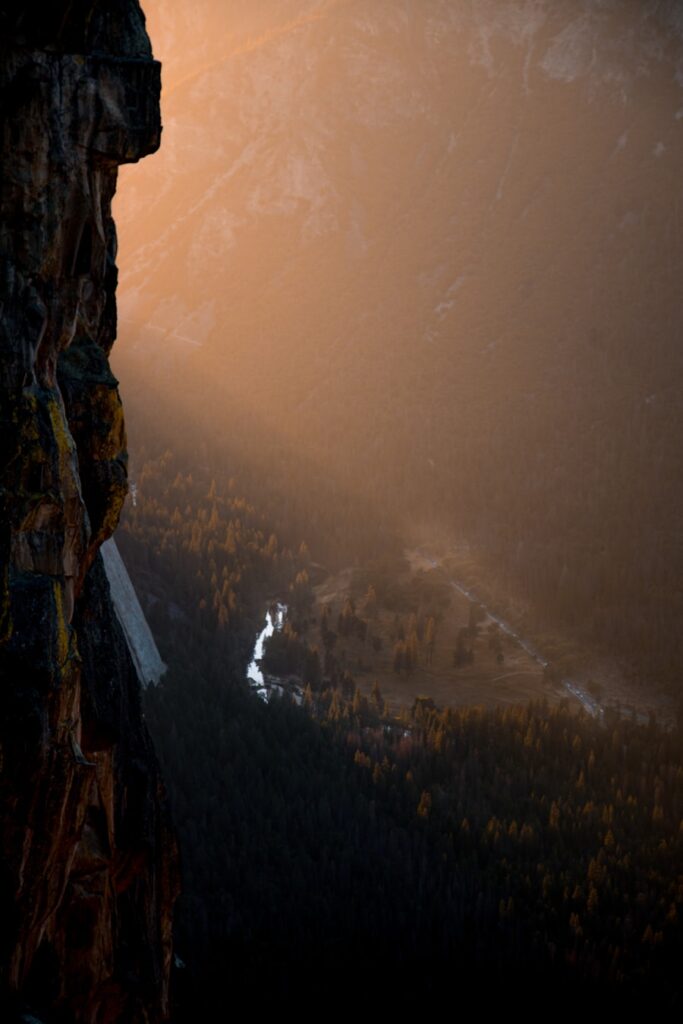
Joe Simpson’s survival story is one of the most gripping tales in the annals of mountaineering. In 1985, Simpson and his climbing partner, Simon Yates, embarked on an ambitious expedition to Siula Grande, a remote peak in the Peruvian Andes. Their goal was to ascend the mountain via its treacherous west face, a route that had never been successfully climbed before.
What began as a quest for adventure and achievement quickly spiraled into a harrowing fight for survival that would test the limits of human endurance and friendship. The events that unfolded during this expedition would later be immortalized in Simpson’s book “Touching the Void,” which has become a seminal work in the adventure literature genre. The story is not merely about the physical challenges faced by climbers but also delves into the psychological aspects of survival.
Simpson’s narrative captures the essence of fear, desperation, and the indomitable human spirit.
The harrowing true story of Joe Simpson is not just a tale of survival against the odds; it is a profound exploration of what it means to confront one’s mortality and the bonds that can be forged in the crucible of adversity.
Key Takeaways
- Joe Simpson’s survival on Siula Grande is a harrowing true story of resilience and determination in the face of extreme adversity.
- The perilous climb up Siula Grande tested Simpson’s physical and mental strength, pushing him to the brink of survival.
- The unthinkable decision to cut the rope, leaving his climbing partner behind, was a desperate move for Simpson’s own survival.
- The desperate journey back to base camp was a grueling test of endurance and willpower for Simpson.
- The physical and mental toll of survival on Siula Grande had a lasting impact on Simpson’s life and the mountaineering community.
The Perilous Climb Up Siula Grande
The ascent of Siula Grande was fraught with danger from the outset. The mountain, standing at an imposing 6,344 meters, is notorious for its unpredictable weather and challenging terrain. Simpson and Yates faced a myriad of obstacles, including steep ice walls, crevasses, and the ever-present threat of avalanches.
Their climb was characterized by a relentless struggle against nature, as they battled not only the physical demands of the ascent but also the psychological strain of uncertainty. Each step taken was a reminder of their vulnerability in an environment that could turn hostile in an instant. As they neared the summit, the climbers experienced a mix of exhilaration and trepidation.
The breathtaking views from the top were overshadowed by the realization that they would have to descend through the same treacherous conditions they had just navigated. The descent proved to be even more perilous than anticipated. A sudden storm rolled in, enveloping them in whiteout conditions that obscured their vision and made navigation nearly impossible.
The combination of exhaustion, altitude sickness, and deteriorating weather created a perfect storm of challenges that would soon lead to catastrophic decisions.
The Unthinkable Decision to Cut the Rope
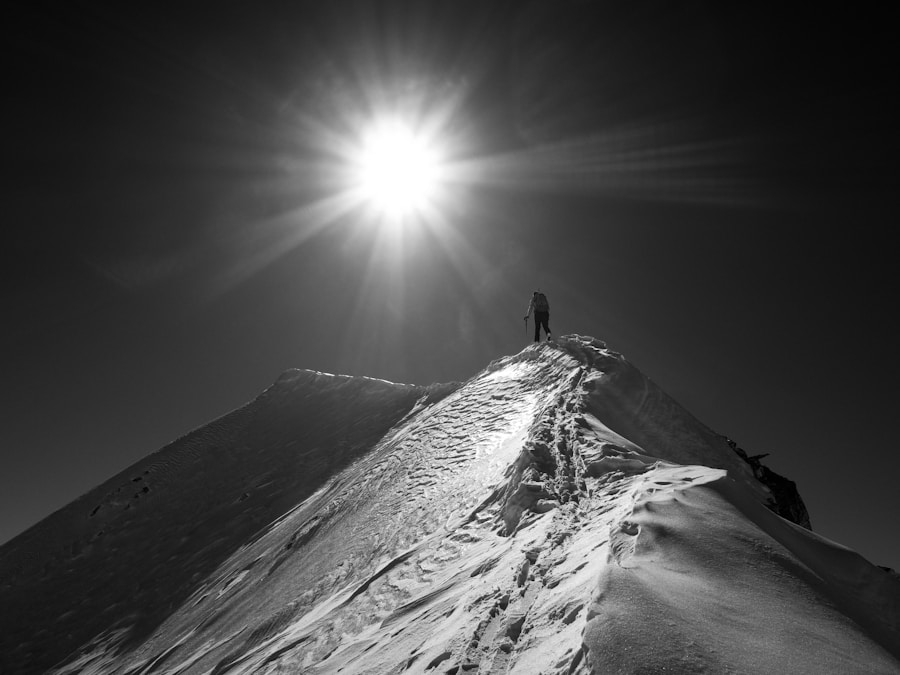
The moment that would define their expedition came when Simpson fell while descending from the summit. He plummeted into a crevasse, suffering severe injuries that left him unable to climb. Yates, faced with an impossible choice, was forced to make a decision that would haunt him for years: he cut the rope that tethered them together.
This act was not born out of malice but rather a desperate attempt to save his own life while acknowledging that Simpson’s injuries rendered him unable to continue. The emotional weight of this decision was immense; it shattered their partnership and left Yates grappling with guilt and despair. Simpson’s fall into the abyss marked a turning point in their journey.
Alone and injured, he faced an unimaginable struggle for survival. The act of cutting the rope symbolized not only a physical severance but also a profound emotional rupture between two friends who had shared dreams and aspirations on that mountain. As Simpson lay in the crevasse, he was forced to confront his own mortality and the stark reality of his situation.
The psychological ramifications of Yates’s decision would linger long after their ordeal, shaping their lives in ways neither could have anticipated.
The Desperate Journey Back to Base Camp
After being abandoned by Yates, Simpson’s will to survive kicked into overdrive. He began an arduous journey back to base camp, navigating treacherous terrain with a broken leg and limited supplies. Each movement was excruciatingly painful, yet he pressed on, driven by an instinctual desire to live.
The landscape around him was both beautiful and brutal; the stark contrasts between the serene beauty of the Andes and the harshness of his reality created a surreal backdrop for his struggle. Simpson’s descent was marked by moments of sheer determination interspersed with despair. He had to rely on his instincts and experience as a climber to find his way through the unforgiving environment.
With every step, he faced not only physical challenges but also psychological battles against fear and hopelessness. The isolation he felt was palpable; he was alone in a vast wilderness, battling against nature itself while grappling with thoughts of abandonment and betrayal. Yet, it was this very solitude that allowed him to tap into reserves of strength he never knew he possessed.
The Physical and Mental Toll of Survival
The toll on Simpson’s body during his descent was staggering. With a broken leg and severe frostbite setting in, he faced an uphill battle against both physical injury and hypothermia. His body became a battleground as he fought against exhaustion and pain while trying to maintain focus on his goal: reaching safety.
Each movement required immense effort, and every moment spent in the cold threatened to extinguish his dwindling hope for survival. The mental toll was equally significant. Simpson experienced hallucinations and moments of despair as he navigated through snowfields and rocky outcrops.
His mind oscillated between clarity and confusion, reflecting the duality of hope and hopelessness that often accompanies extreme survival situations. He found himself reflecting on his life, his relationships, and what it meant to truly live. This introspection became both a source of strength and a reminder of his vulnerability as he fought against overwhelming odds.
The Impact of Touching the Void on the Mountaineering Community
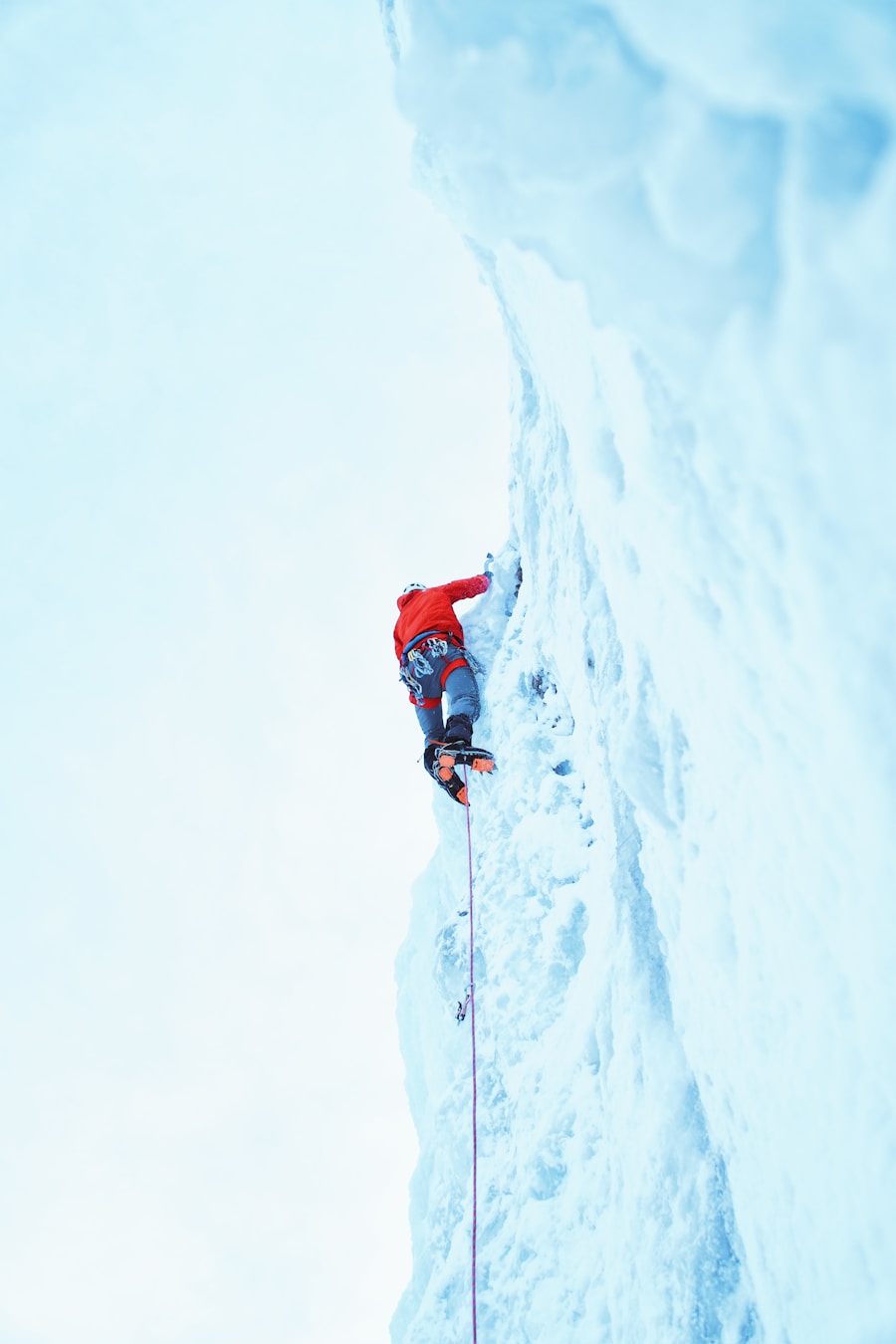
“Touching the Void” has had a profound impact on the mountaineering community since its publication. It serves as both a cautionary tale and an inspiring narrative about human resilience in the face of adversity. Climbers have often cited Simpson’s story as a reminder of the inherent risks involved in high-altitude climbing and the importance of preparation, teamwork, and decision-making under pressure.
The book has sparked discussions about ethics in climbing, particularly regarding decisions made in life-and-death situations. Moreover, Simpson’s account has inspired countless adventurers to push their limits while also instilling a sense of respect for nature’s power. His story emphasizes that while ambition drives climbers to seek new heights, it is crucial to remain aware of one’s limitations and the unpredictable nature of mountain environments.
“Touching the Void” has become required reading for aspiring climbers and seasoned mountaineers alike, serving as both an educational tool and a source of inspiration.
The Adaptation of the Story into a Documentary and Feature Film
The gripping narrative of Joe Simpson’s ordeal was adapted into both a documentary and a feature film, bringing his story to an even wider audience. The documentary “Touching the Void,” released in 2003, combined interviews with Simpson and Yates alongside dramatic reenactments of their harrowing experience on Siula Grande. This unique blend of storytelling techniques allowed viewers to engage with the emotional depth of their journey while also witnessing the stark realities faced by climbers in extreme conditions.
The film received critical acclaim for its raw portrayal of survival against insurmountable odds. It captured not only the physical challenges but also the psychological struggles that accompany such experiences. Audiences were drawn into Simpson’s world as they witnessed his determination to survive despite overwhelming adversity.
Joe Simpson’s Continued Influence and Legacy in the Adventure and Survival Genre
Joe Simpson’s legacy extends far beyond his harrowing experience on Siula Grande; it has shaped the adventure and survival genre in profound ways. His willingness to share his vulnerabilities and fears has resonated with readers and adventurers alike, encouraging them to confront their own limitations while pursuing their passions. Simpson has continued to write about his experiences, offering insights into not only mountaineering but also broader themes of resilience, friendship, and human endurance.
His influence can be seen in contemporary adventure literature where authors often draw upon personal experiences to convey deeper truths about life’s challenges. Simpson’s story serves as a reminder that survival is not merely about physical endurance; it encompasses emotional strength, ethical dilemmas, and the bonds forged through shared experiences. As new generations of climbers take to the mountains inspired by his tale, Joe Simpson’s legacy endures as a testament to the human spirit’s capacity for resilience in even the most dire circumstances.
If you enjoyed reading Touching the Void by Joe Simpson, you may also be interested in checking out this article on Hellread titled “Hello World.” This article delves into the world of extreme sports and the risks that athletes take in pursuit of their passion. To read more about this topic, visit Hellread.
FAQs
What is “Touching the Void” by Joe Simpson about?
“Touching the Void” is a non-fiction book by Joe Simpson that recounts his harrowing experience of being left for dead while descending Siula Grande in the Peruvian Andes.
When was “Touching the Void” published?
“Touching the Void” was first published in 1988.
Is “Touching the Void” a true story?
Yes, “Touching the Void” is a true story based on Joe Simpson’s own experience.
What is the main theme of “Touching the Void”?
The main theme of “Touching the Void” is survival and the human spirit’s ability to overcome extreme adversity.
Has “Touching the Void” been adapted into a film?
Yes, “Touching the Void” was adapted into a documentary film in 2003, directed by Kevin Macdonald.
What impact has “Touching the Void” had on the adventure and mountaineering community?
“Touching the Void” has had a significant impact on the adventure and mountaineering community, inspiring and influencing many climbers and adventurers with its gripping tale of survival and determination.